




Heavy Cast Bronze Handles
Heavy cast bronze handles bring substantial weight and tactile presence to doors, boxes and vessels.
Heavy Cast Bronze Handles
Heavy cast bronze handles comprise functional hardware, decorative mounts and vessel grips found across multiple centuries. These pieces appear on domestic items like doors and book presses, as well as ritual objects such as censers and mortars.
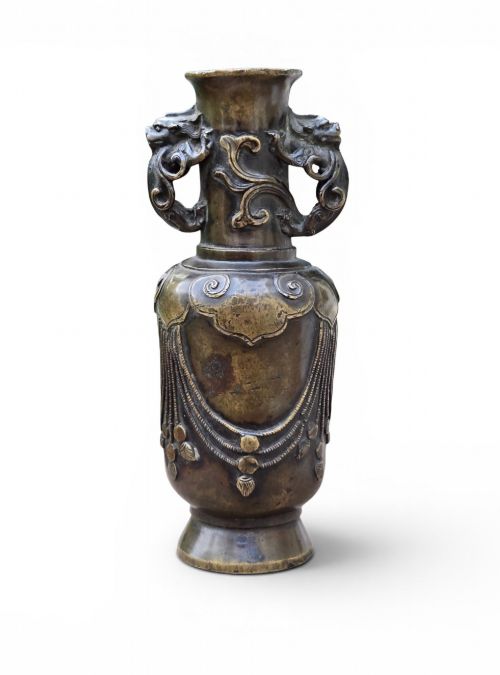
The selections span English domestic work from the Georgian and Victorian eras alongside Chinese bronzes dating from the Ming and Qing dynasties. Buyers encounter utilitarian door hardware alongside ornamental dragon-handled vases and coffer mounts.
Early examples demonstrate the longevity of copper alloy casting, utilising robust metal thicknesses designed for daily physical engagement. The variety ranges from industrial binders to domestic doorstops and mortar sets.
How they were made
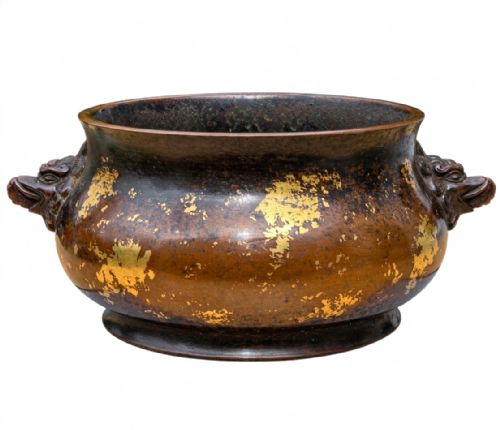
Foundry work relied on traditional casting methods to pour molten bronze and copper alloy into moulds, producing thick sections capable of withstanding considerable physical stress. Certain items incorporate surface enrichment such as gold leaf or gilt-splashed decoration.
Makers combined bronze with iron and brass elements, particularly in complex assemblies like book presses and door hardware. The resulting objects possess dense metal structures that yield distinct bell-ring resonance when struck.
Heavy Cast Bronze Handles Retail Price Guide 2026
Typical asking prices for heavy cast bronze handles among the pieces listed under this phrase on Sellingantiques today, from the lower quarter to the upper quarter. They describe what is for sale here now, not the wider market.
Listings feature items spanning the sixteenth to the nineteenth centuries, incorporating both English domestic hardware and Chinese ritual bronzes.
What varies in quality
Quality rests upon the crispness of the cast detail and the integrity of the metal alloy used in the body. Pieces with sharp relief work on mask handles or dragon motifs demonstrate superior workshop execution.
Proportion and mass dictate the success of the casting, distinguishing utilitarian production from pieces intended for scholarly or ritual display. The depth of patination and the survival of original surface treatments further separate standard examples from important works.
The Heavy Cast Bronze Handles Glossary
- Bronze
- An alloy consisting primarily of copper, traditionally combined with tin, yielding a durable metal suited to casting complex shapes. It develops a rich patination over centuries of handling.
- Copper alloy
- A broad designation for metal mixtures where copper forms the primary component, encompassing various brass and bronze compositions found in antique hardware.
- Taotie
- A mythological zoomorphic mask motif frequently cast onto ancient and later Chinese ritual vessels and handles. This design symbolises protection and continuity.
- Door porter
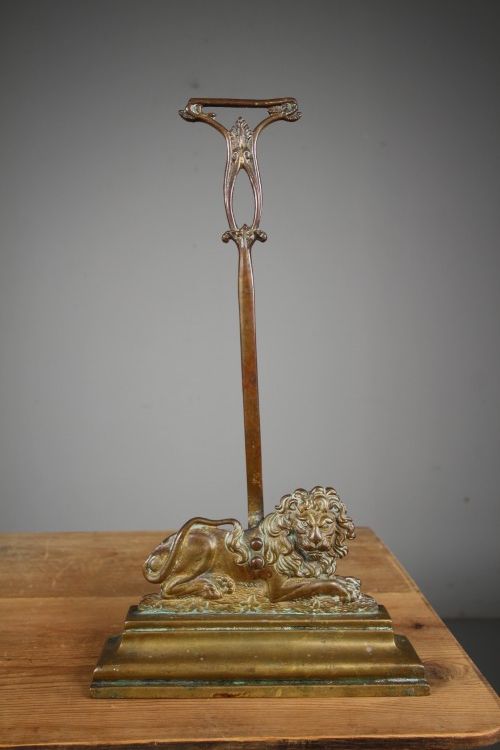
- A heavy movable doorstop designed to keep doors open utilising mass rather than permanent fixings. They frequently take figurative forms such as lions.
Heavy Cast Bronze Handles: Frequently Asked Questions
What are heavy cast bronze handles made from?
These items are produced from bronze, copper alloy, and occasionally combined with cast iron or brass elements.
The metal composition ensures substantial weight and structural durability across centuries of use.
How do I date an antique bronze handle?
Dating relies on stylistic markers, casting techniques, and the specific period characteristics of the object to which the handle belongs.
Evidence spans from sixteenth-century Ming pieces to nineteenth-century English domestic hardware.
Where were these heavy bronze pieces used?
They served practical and ritual functions across domestic, industrial, and ceremonial settings.
Examples include door hardware, book presses, apothecary mortars, and ritual censers.
Why do some bronze items ring like a bell?
The high density and specific alloy composition of master-cast bronze produce distinct acoustic resonance when struck.
This quality indicates solid metal consolidation and absence of internal casting flaws.