

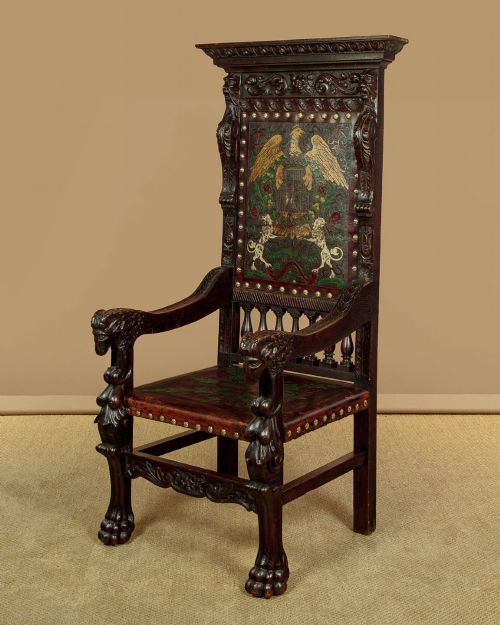

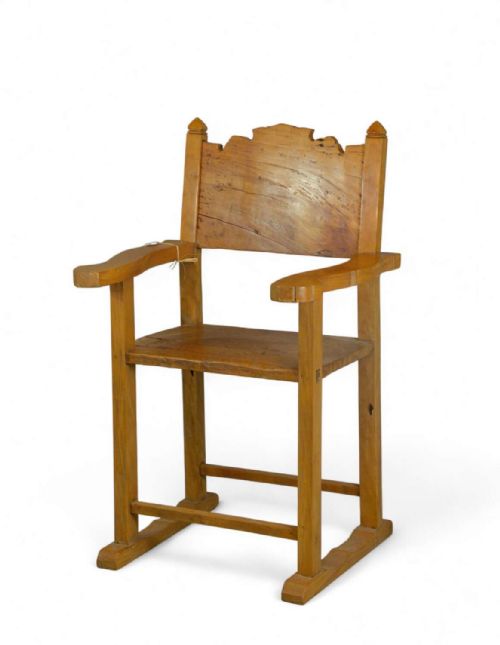


Heavy Carved Armchairs
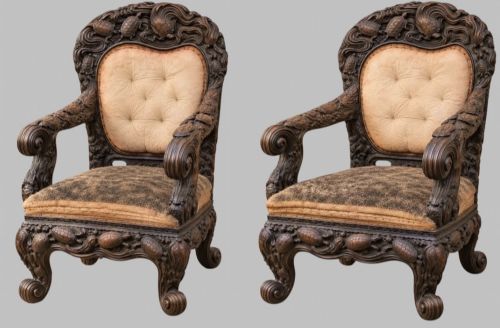
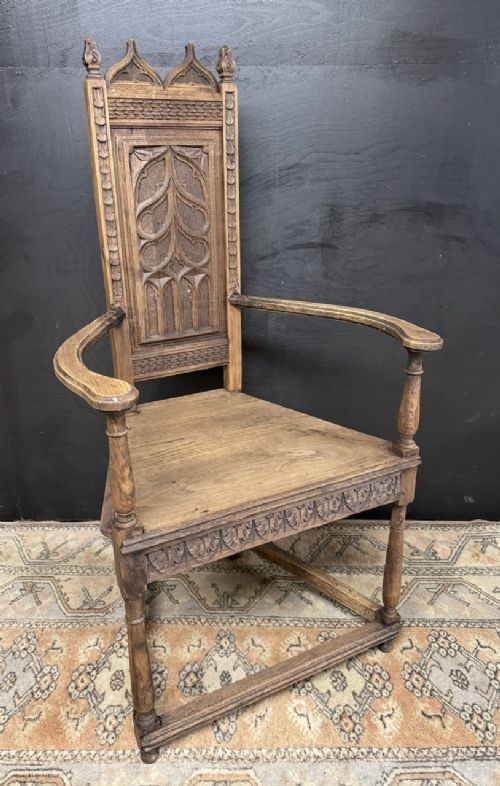
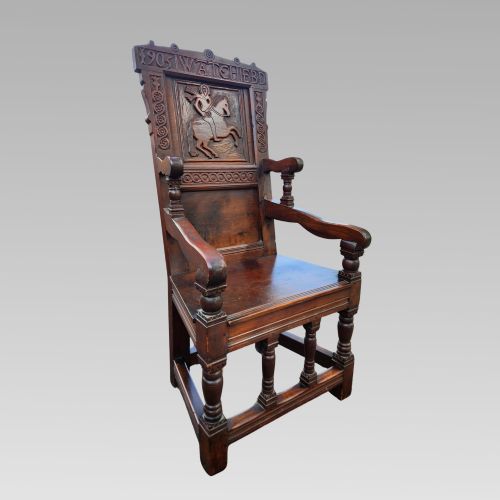
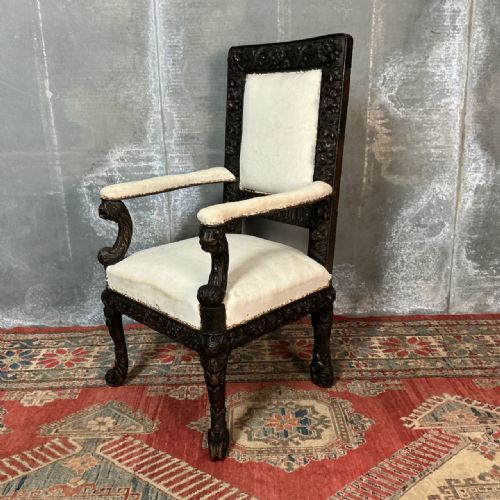
These heavy carved armchairs bring substance and deep historical revivals to a room through solid timber construction and elaborate ornamentation.
Heavy Carved Armchairs
When buyers search for heavy carved armchairs, they encounter imposing seats drawing on past centuries for their presence and form. The selection spans distinct eras from the seventeenth century through the Victorian period and into the early twentieth century.
Wainscot chairs and throne armchairs dominate the forms, alongside hall chairs, elbow seats, and corner chairs. Many examples adopt Revival aesthetics including Gothic, Jacobean, Renaissance, and Baroque styles.
Origins include English workshops, Scottish makers, and colonial production from the Philippines. Timber frames take primary forms in oak, pitch pine, and other hardwoods.
How they were made
Carpenters built these heavy carved armchairs primarily using solid oak and timber frames joined with traditional methods. Artisans applied deep relief carving directly to the wood, depicting motifs such as dogs and hounds alongside architectural tracery and foliage.
Upholstery and secondary elements incorporate leather, velvet, fabric, textile, and brass studs. Painted leather and turned components appear on specific throne and elbow chair variations.
Heavy Carved Armchairs Retail Price Guide 2026
Typical asking prices for heavy carved armchairs among the pieces listed under this phrase on Sellingantiques today, from the lower quarter to the upper quarter. They describe what is for sale here now, not the wider market.
Hounds gaze out from the woodwork on an exhibition hunting armchair dated eighteen seventy-one.
What varies in quality
The depth and execution of the carving separate standard examples from masterworks. Crisp detail in figural work, such as hound motifs on Gothic hunting chairs, indicates superior craftsmanship.
Substance of the timber and integrity of the joint construction dictate structural endurance. Authenticity of period materials, from seventeenth-century oak to nineteenth-century pitch pine, governs historical value.
The Heavy Carved Armchairs Glossary
- Wainscot chair
- A solid wooden armchair with a panelled back, originating in the sixteenth and seventeenth centuries. These pieces typically feature heavy timber construction and restrained or carved ornamentation.
- Throne chair
- An imposing armchair with a high back, designed to convey authority and status. Examples often incorporate elaborate Renaissance or Baroque revival carving.
- Gothic Revival
- An architectural and decorative style drawing inspiration from medieval forms. Pieces display pointed arches, tracery, and carved animal motifs.
- Turned chair
- A seat constructed primarily from turned wooden spindles and members. This traditional form appears in early English and Victorian interpretations.
Heavy Carved Armchairs: Frequently Asked Questions
What periods do these armchairs come from?
The listings span from original seventeenth-century examples through nineteenth-century Victorian revivals up to the early twentieth century.
Maker dates and revival styles often overlap, as Victorian workshops frequently produced pieces in seventeenth-century or Gothic modes.
Where were these chairs placed originally?
Wainscot and hall chairs sat in grand entrance halls or principal rooms to display status. Throne and library armchairs provided formal seating in studies and morning rooms.
Ceremonial and hunting armchairs served specific functional or display roles within large estates.
How do I care for oak and leather furniture?
Feed wooden frames with appropriate beeswax to maintain the timber finish and prevent drying. Keep leather and fabric upholstery away from direct sunlight to preserve the material.
Check joint stability periodically due to the heavy weight of solid timber construction.
How do I distinguish a genuine early chair from a revival?
Examine the tool marks, timber shrinkage, and construction joints for consistency with the stated era. Seventeenth-century pieces display different pegging and patination compared to nineteenth-century revival work.
Revival pieces often utilise heavier, more theatrical carving inspired by earlier styles.