



Heals Oak Chest
When you want a heals oak chest, you are looking for solid utility and considered design that anchors a room.
Heals Oak Chest
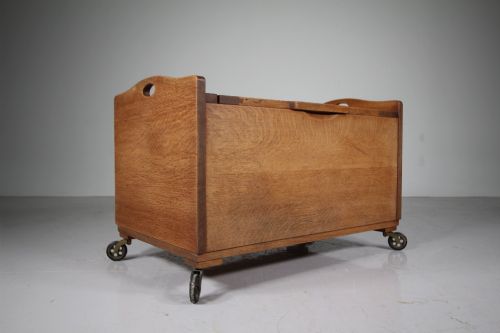
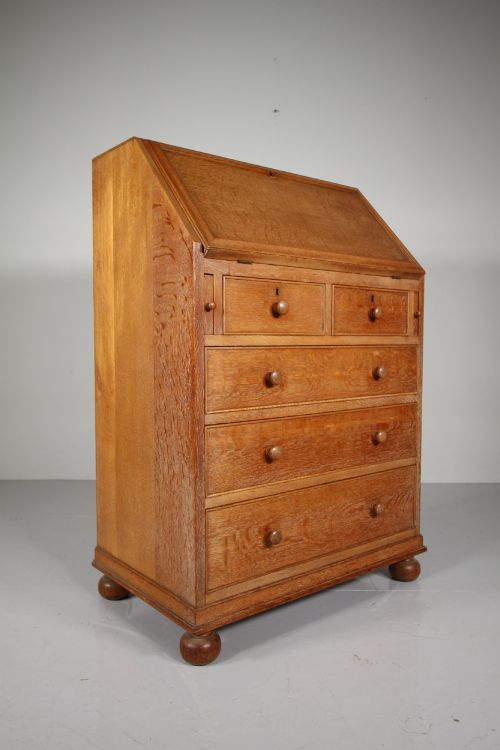
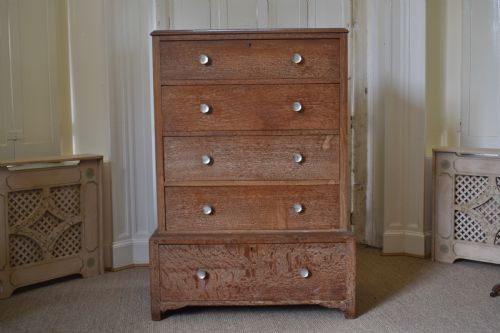
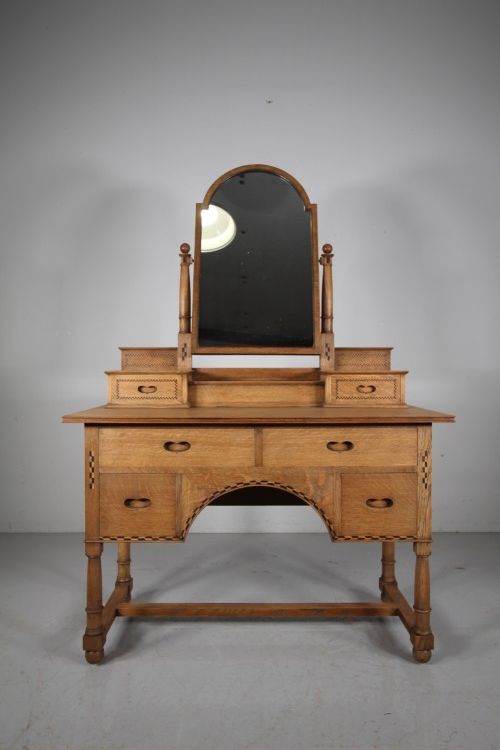
A heals oak chest covers practical storage pieces produced across several distinct eras, spanning the nineteenth century through the nineteen-thirties. You will most frequently encounter bedroom and dressing furniture reflecting the Arts and Crafts and Art Deco movements, often constructed with deliberate simplicity and honest construction.
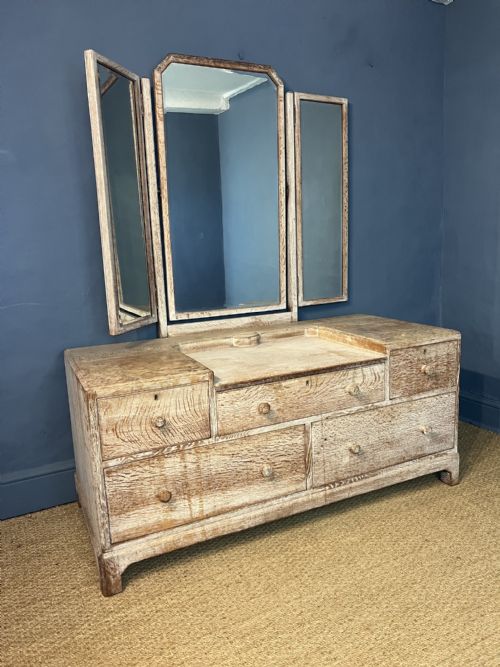
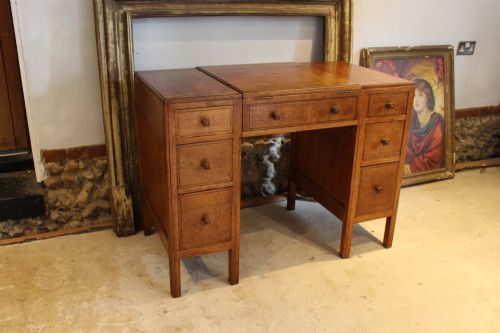
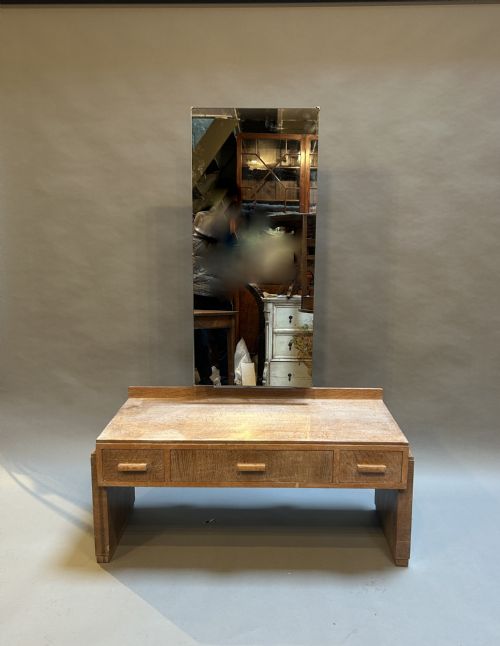
The selections on this page encompass various forms, from straightforward chests of drawers to writing bureaus, buttery hutch ranges, and specialised dressing tables. Pieces may feature standard oak, limed finishes, or decorative wood inlay, showing the evolution of workshop output over decades.
Materials and construction
Makers relied primarily on solid oak, utilising its distinct grain and durability to form the main bodies of drawers, coffer chests, and dressing tables. Selected items incorporate specialised surface treatments such as limed oak finishes, which lighten the timber while highlighting the natural grain pattern.
Hardware and structural details incorporate metal, iron, and glass elements, particularly on mirrors attached to dressing chests. Wood inlay provides subtle surface decoration on specific pieces without obscuring the structural integrity of the timber.
Heals Oak Chest Retail Price Guide 2026
Typical asking prices for heals oak chest among the pieces listed under this phrase on Sellingantiques today, from the lower quarter to the upper quarter. They describe what is for sale here now, not the wider market.
Listings feature oak timber exclusively, finished either naturally or with limed treatments across Arts and Crafts and Art Deco styles.
Distinguishing finer examples
Quality in these pieces rests upon the clarity of the design and the preservation of original maker labels or stamps. Pieces that retain authentic workshop identification marks or demonstrate unusual yet functional configurations generally represent the higher tier of production.
The finesse of the limed oak finish or the careful integration of wood inlay separates standard utilitarian furniture from more ambitious workshop designs. Condition of original glass mirrors, metal fittings, and smooth drawer operation further distinguishes superior examples.
Heal and Sons
The Heals Oak Chest Glossary
- Limed oak
- A wood treatment that uses a white or pale paste rubbed into the open grain of oak to create a pale, scrubbed appearance. This finish became particularly popular during the early twentieth century.
- Arts and Crafts
- A design movement advocating traditional craftsmanship, simple forms, and local materials. Pieces from this tradition avoid excessive ornamentation in favour of honest construction.
- Buttery hutch range
- A specialised storage and writing form combining cabinetwork with desk space. These pieces offer multi-functional utility.
- Dressing chest
- A low chest of drawers fitted with an upright mirror and small trinket drawers. They served as precursor furniture to the modern dressing table.
Heals Oak Chest: Frequently Asked Questions
What periods do these chests come from?
The available selection spans from the nineteenth century through the Edwardian era and into the nineteen-twenties and nineteen-thirties. Each decade brings distinct stylistic shifts, moving from traditional proportions toward cleaner modernism.
Buyers will find that nineteen-thirty pieces frequently exhibit lighter limed finishes, whereas earlier Edwardian and nineteenth-century examples tend to display darker, untreated timber.
How do I identify an authentic piece?
Authentic pieces often retain original paper labels, brand marks, or stamps associated with the workshop or retailer. Examining the interior drawer construction and timber selection also helps verify the period.
Construction methods should align with the documented manufacturing techniques of the Arts and Crafts and Art Deco eras represented in the titles.
How should I care for limed oak?
Limed oak surfaces require gentle maintenance using a soft, dry cloth to remove dust. Avoid silicone-based polishes or harsh chemical cleaners that can degrade the pale finish lodged within the grain.
Keeping the timber away from direct sunlight and dramatic humidity changes protects both the wood and the integrity of any applied finish.
Where did the Newlyn association come from?
Certain dressing tables link geographically or stylistically to Newlyn craft traditions, reflecting regional design influences in applied metalwork and woodwork. These pieces combine standard cabinetmaking with distinct decorative accents.
Such regional variations offer collectors alternative aesthetic details compared to standard metropolitan workshop production.