
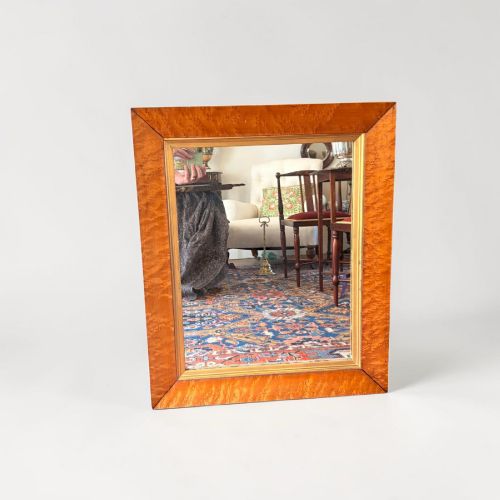
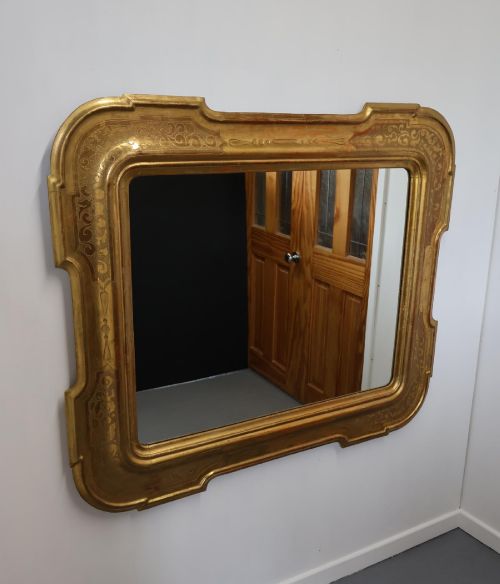
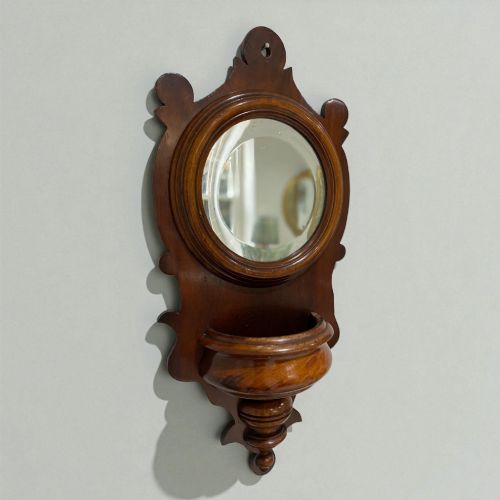
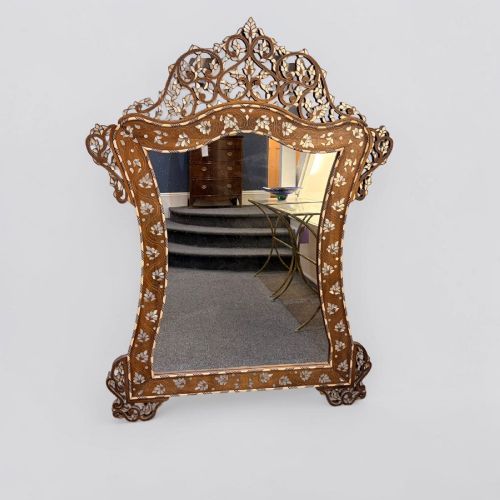
Hanging Mirror
A hanging mirror reflects light and space while bringing period character to a room through carved timber, giltwood or inlaid frames.
Hanging Mirror
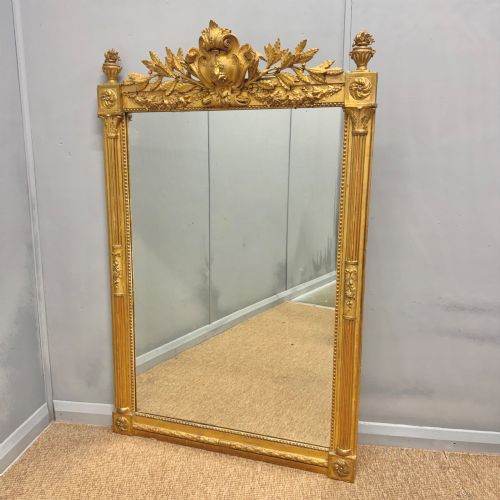
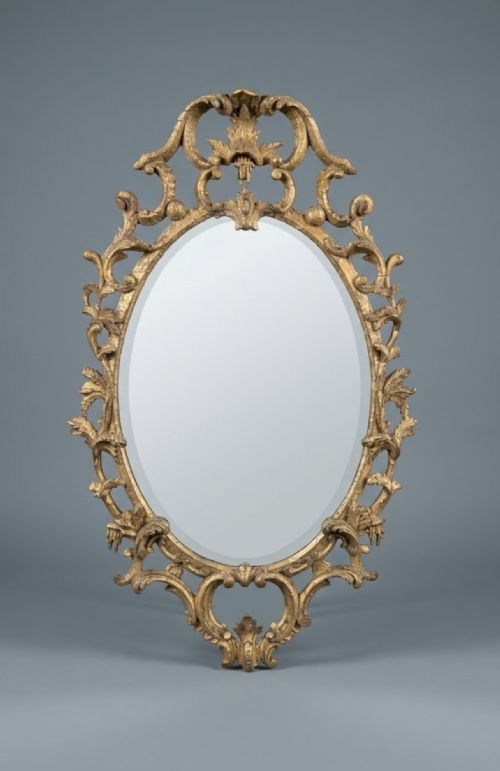
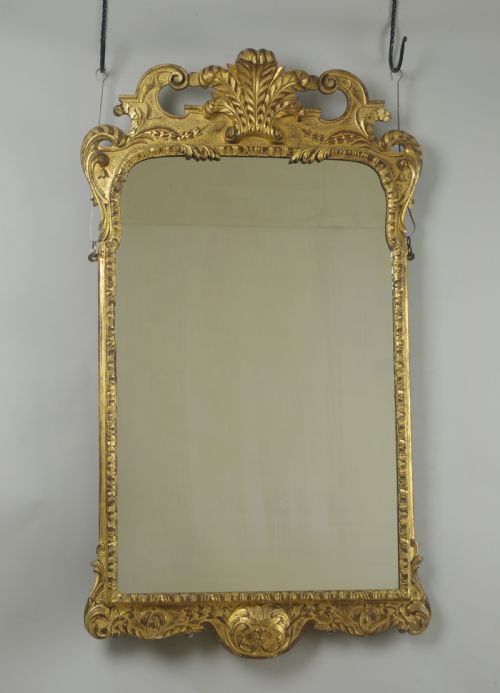
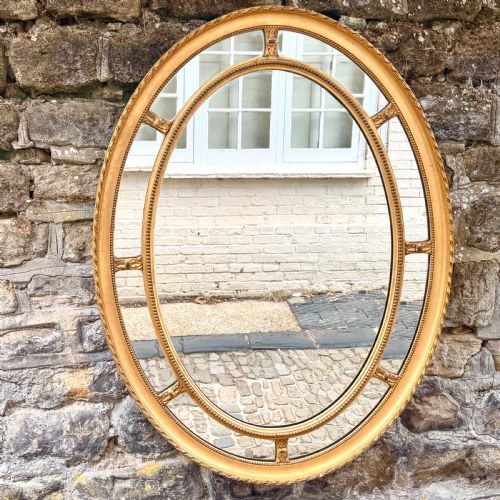
A hanging mirror is a wall-mounted glass panel set within a decorative frame, designed to catch light and ornament a room. When searching for a hanging mirror, buyers encounter numerous wall mirrors from the eighteenth, nineteenth and early twentieth centuries.
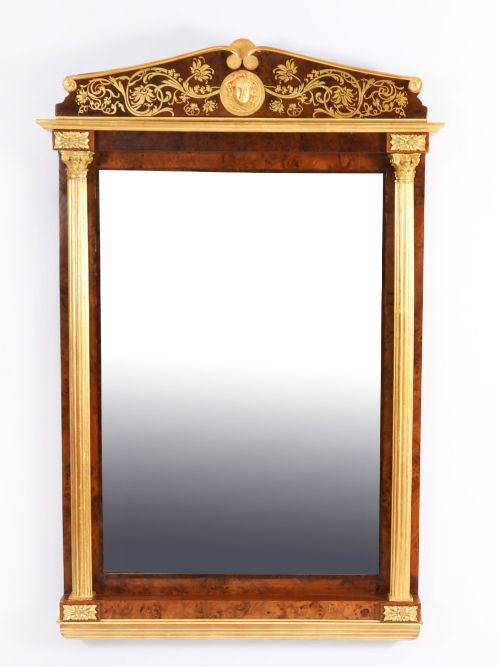
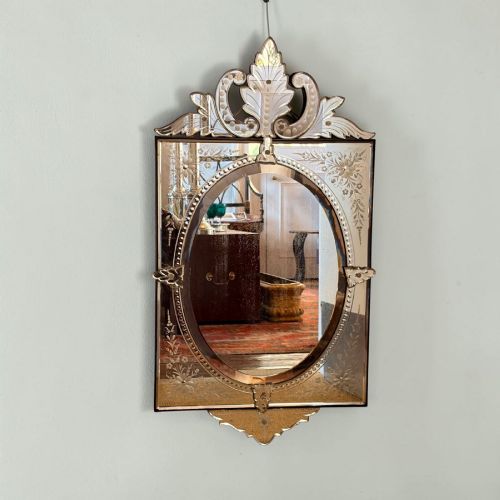
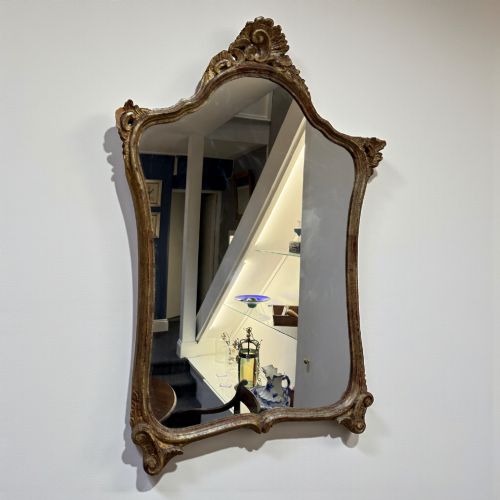
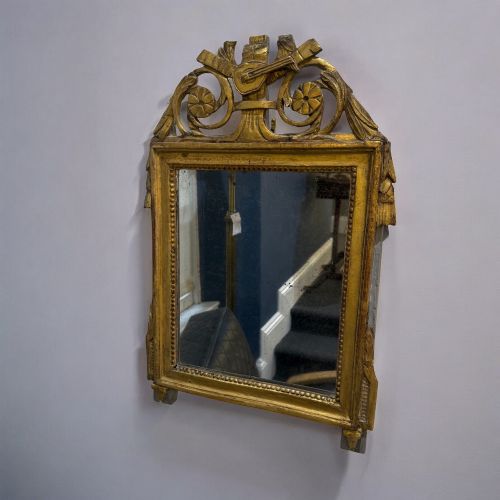
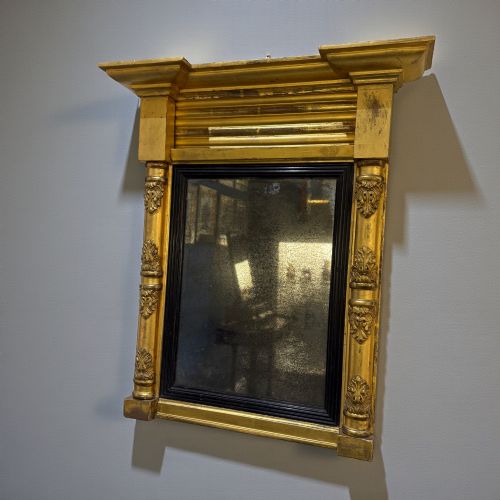
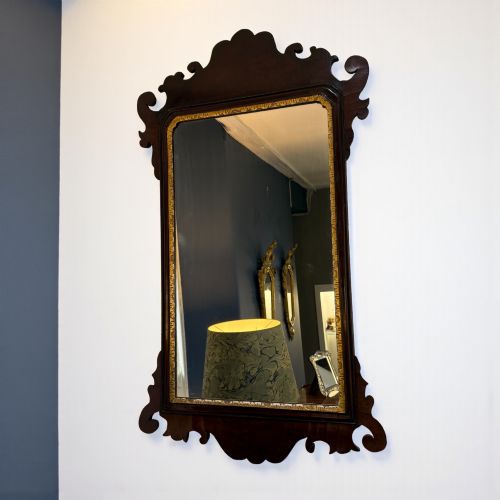
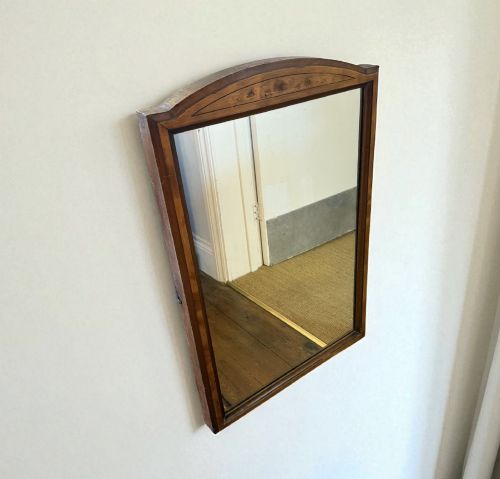
The selection spans formal giltwood and gesso pieces alongside timber frames in mahogany, walnut, oak and birds eye maple. Styles range from Georgian fretwork and Adam revival to Rococo, Venetian and Edwardian designs.
While wall mirrors dominate the selection, related forms such as bracket mirrors and overmantle mirrors also appear among the listings.
Materials and construction
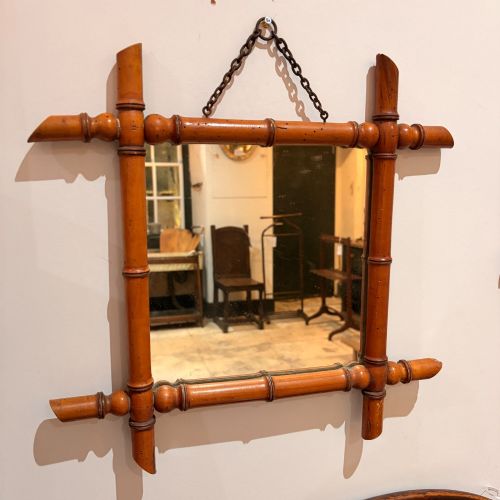
Frames are constructed from solid timbers including mahogany, walnut and oak, often shaped with fretwork, carved detail or applied faux bamboo moulding. Many nineteenth-century examples utilise gesso applied over wood, finished with water gilding or gold leaf.
Mirrors from Venice and France frequently employ specialised glass plates paired with intricate carved wooden or gilt surrounds. Inlaid elements incorporate woods such as satinwood, yew and exotic veneers to create surface pattern.
Judging quality and craftsmanship
Quality rests in the crispness of the hand-carved detail on the frame and the depth of the gilding over gesso. Finer pieces demonstrate precision in fretwork cutting and subtlety in parcel-gilt highlights.
The integrity of the frame construction and the character of the mirror plate itself distinguish standard production from exceptional examples. Deeper relief in floral and mythological carvings elevates the piece.
Arsène Rochette·Waring & Gillow
The Hanging Mirror Glossary
- Giltwood
- Wood that has been coated with fine gold leaf or gold paint. This finish defines many formal eighteenth and nineteenth-century frames.
- Gesso
- A plaster-like mixture applied to wooden frames as a base for carving and gilding. It allows for intricate, sharp ornamental detail.
- Fretwork
- Thin wood panels cut with ornamental pierced designs using a fretsaw. This technique is characteristic of Georgian style mirrors.
- Parcel-gilt
- Partially gilded woodwork where specific raised details are highlighted in gold against a contrasting wood or painted background.
- Water gilt
- A traditional gilding technique using gold leaf applied to wet size over gesso, permitting burnishing to a bright sheen.
Hanging Mirror: Frequently Asked Questions
How do I hang a heavy antique mirror safely?
Heavy giltwood and timber frames require robust fixings screwed directly into wall studs or secured with appropriate masonry anchors. The weight of the frame must be supported evenly by sturdy brackets or heavy-duty D-rings attached to the timber back.
Avoid relying on simple picture wire for large or antique pieces unless the hanging hardware is rated well above the total weight of the mirror.
What is an overmantle mirror?
An overmantle mirror is a large wall-mounted looking glass specifically designed to hang directly above a fireplace mantel. These pieces often feature wide horizontal proportions to complement the architectural scale of a chimney breast.
In period interiors, they serve as the primary visual focal point of a reception room, reflecting light from windows across the hearth.
How do I clean antique mirror glass?
Clean antique mirror glass gently using a soft microfibre cloth slightly dampened with distilled water or a mild, ammonia-free glass cleaner. Spray the liquid onto the cloth rather than directly onto the glass to prevent moisture seeping behind the silvering.
Take care near the edges of the plate and around the frame joints, as moisture can damage old backing and vulnerable gilt surfaces.
How can I tell a Georgian mirror from a Victorian one?
Georgian mirrors typically feature precise mahogany fretwork, parcel-gilt accents and restrained classical proportions dating from the eighteenth century. Victorian examples often display heavier, more exuberant ornamentation, including deep Rococo Revival scrolling and dense giltwood carving.
Examining the timber construction behind the frame and the characteristics of the glass plate helps confirm the period of manufacture.