


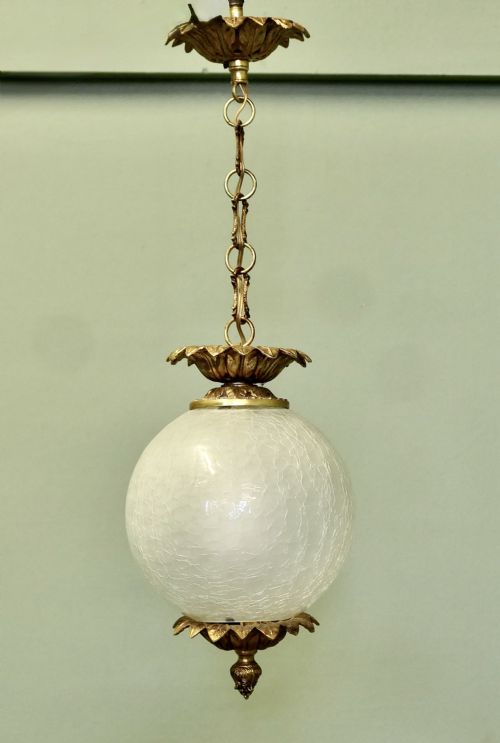
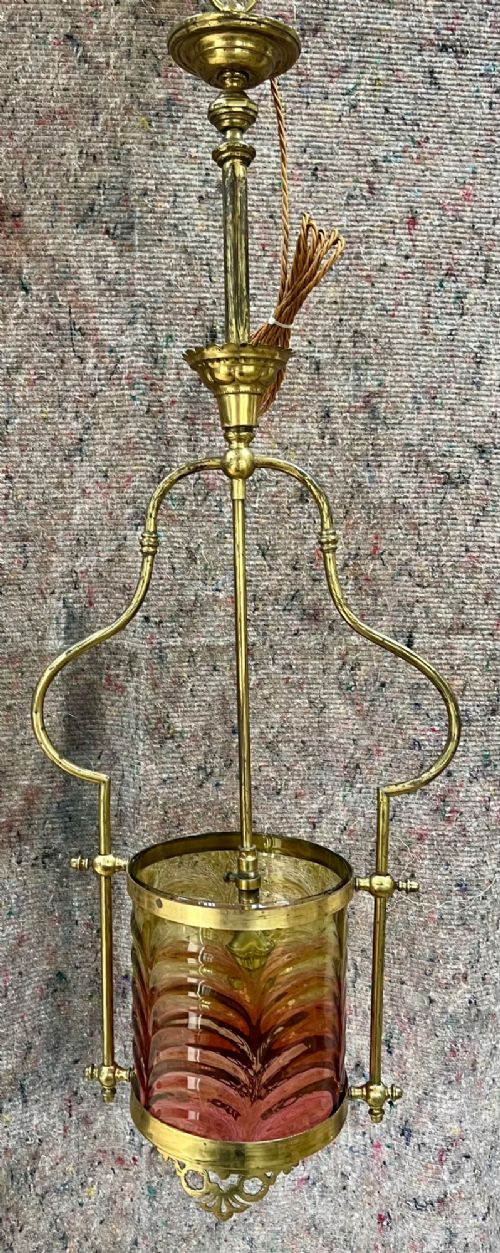
Hanging Glass Light Fixture
A hanging glass light fixture brings architectural presence and diffused illumination to high-ceilinged rooms using period brass and crystal.
Hanging Glass Light Fixture
A hanging glass light fixture encompasses everything from multi-arm chandeliers to single pendant lights and enclosed hall lanterns. Buyers investigating this phrase encounter domestic lighting spanning the Victorian era through the Edwardian period and into the 1920s and 1930s Art Deco movement.
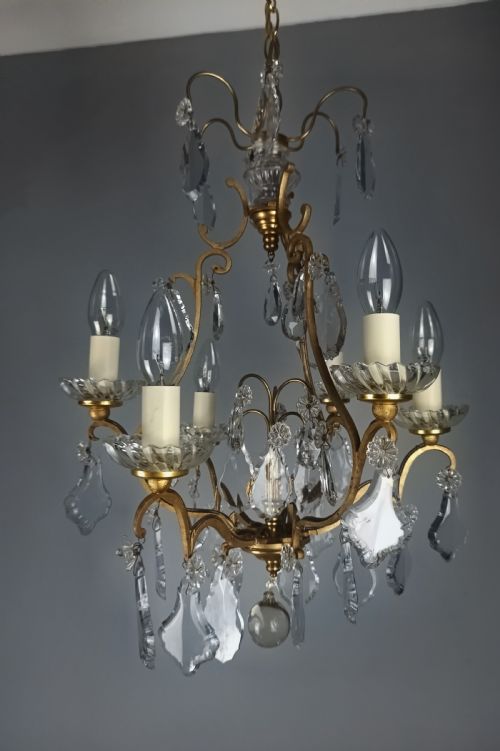
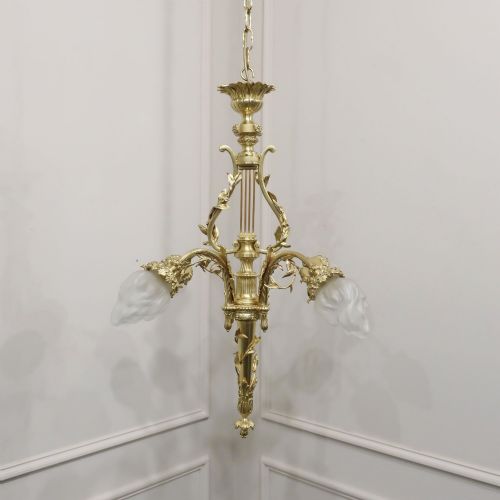
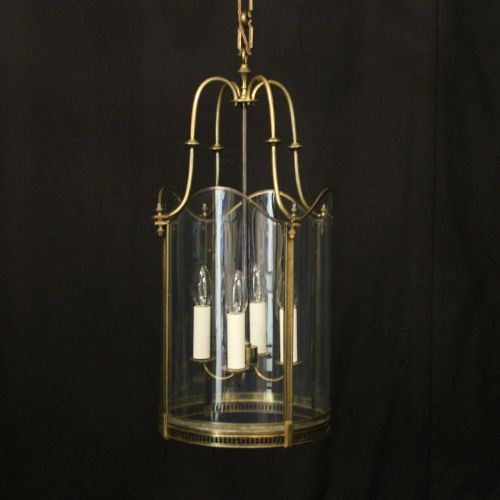
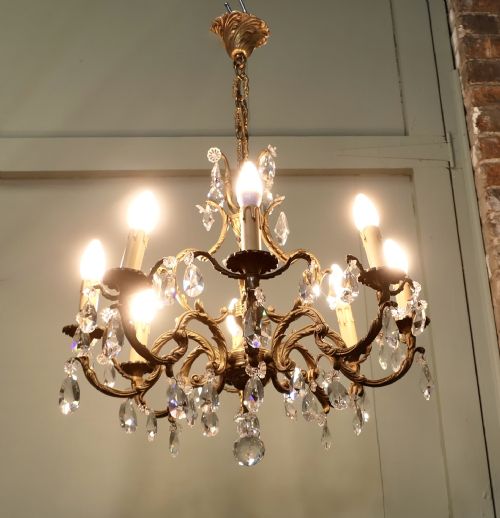
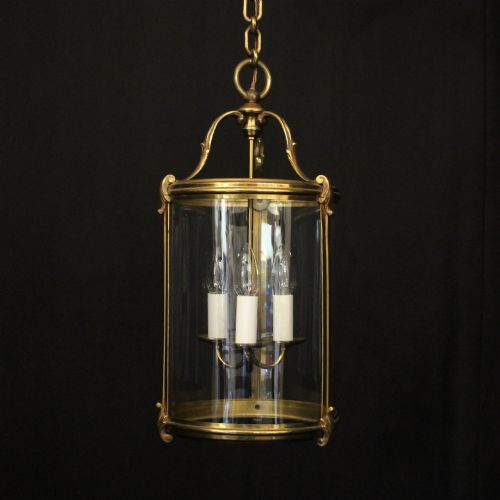
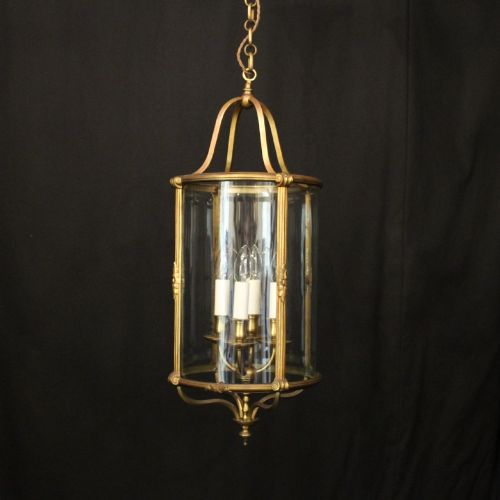
The selections here frequently originate from French workshops and English makers, taking the form of brass-framed lanterns, cut glass pendants, and gilt bronze chandeliers hung with crystal lustres. These objects serve to illuminate hallways, reception rooms, and stairwells with period authenticity.
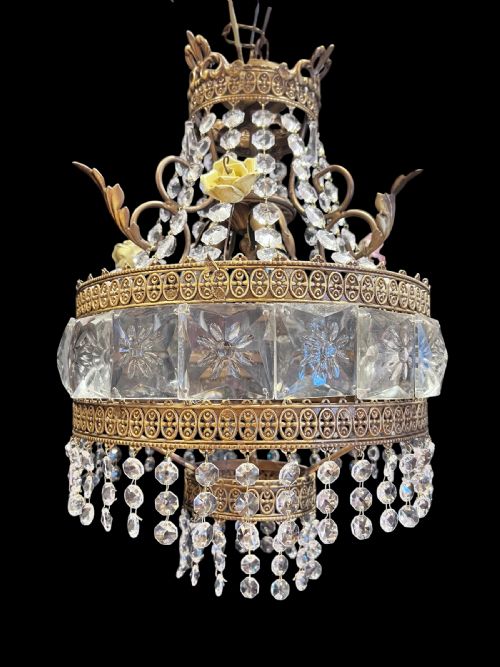
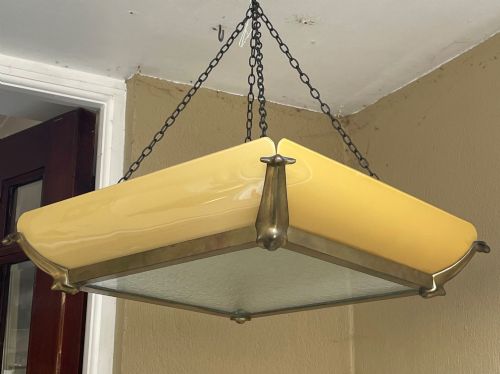
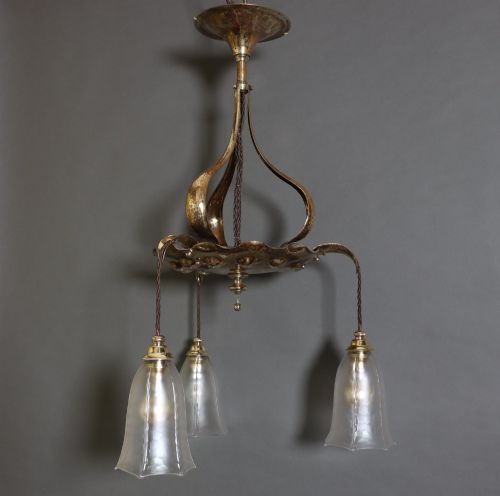
Italian examples also appear, featuring coloured crystals and porcelain flowers alongside standard multi-light configurations. The dominant forms rely on metal frames of brass, copper, or gilt bronze to support plates, globes, and shades moulded from opaline, moonstone, or leaded glass.
Materials and Construction
The structural framework of these fixtures relies heavily on cast and spun brass, gilt bronze, and patinated copper, joined to hold substantial glass components securely. Metal elements are often gilded, silver-gilded, or left with a natural bronze finish to frame the transparent or translucent diffuser.
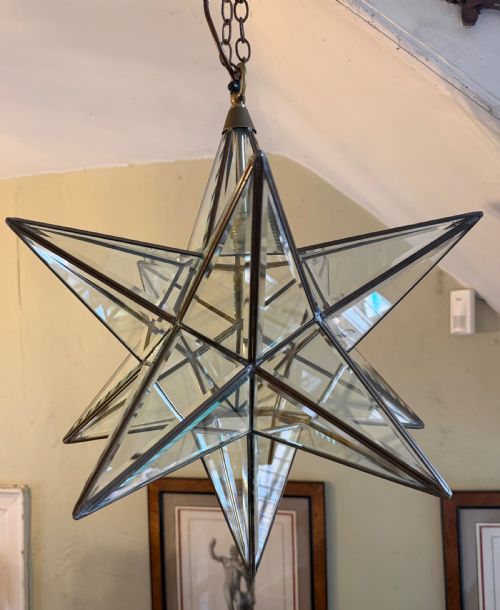
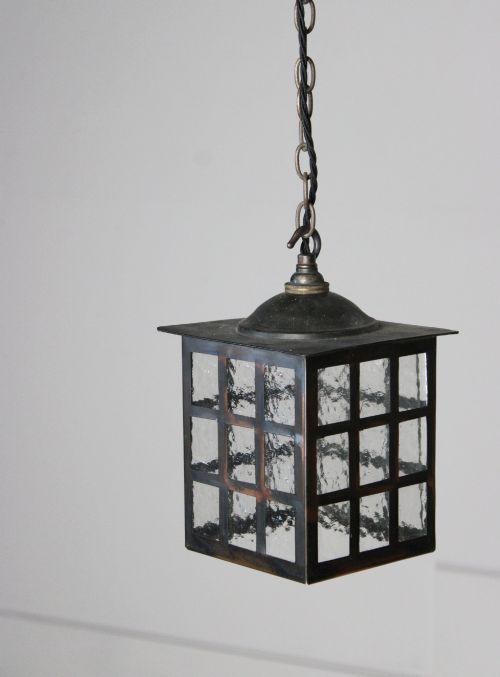
Glass elements combine hand-blown globes, moulded opaline and moonstone shades, and deeply refractive cut crystal lustres and teardrops. Specialised techniques include leaded stained glass panels soldered together for geometric lanterns and bevelled glass plates set into multi-pointed star frames.
Listings feature periods spanning from the Victorian era through Edwardian designs to 1920s and 1930s Art Deco creations.
Factors of Quality
Quality rests in the weight and refinement of the metal armature, distinguishing heavy cast bronze or brass frames from lighter sheet metal alternatives. Hand-finished details, such as intricate chasing on gilt bronze mounts or precise hand-painting on glass shades, elevate specific examples.
The clarity and depth of the glass or crystal components dictate overall brilliance, with deep-cut facets and unblemished opaline or moonstone surfaces outperforming plain pressed glass. The completeness of original hanging elements, such as matched crystal lustres and authentic brass chains, determines the integrity of the piece.
Émile-Jacques Ruhlmann
The Hanging Glass Light Fixture Glossary
- Plafonnier
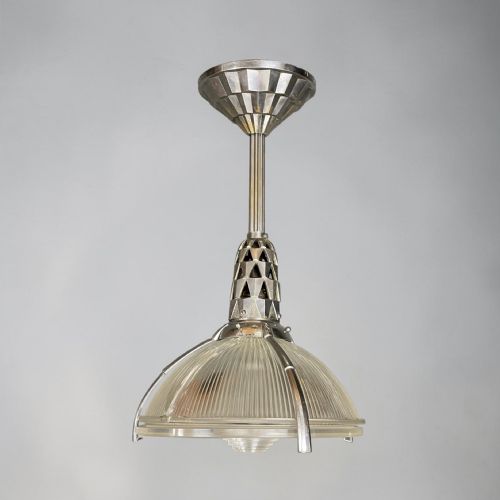
- A bowl-shaped ceiling light fixture mounted flush or close to the ceiling surface. This form typically directs light downwards through frosted or patterned glass.
- Hall Lantern
- An enclosed hanging light designed specifically for entryways and narrow corridors. These fixtures often feature glazed panels set into a brass or bronze frame.
- Lustre
- A cut glass pendant drop or prismatic hanging ornament suspended from a chandelier or light frame. Lustres refract light to increase illumination across the room.
- Opaline Glass
- A dense, milky white glass type popular in nineteenth and early twentieth-century lighting. It softens bulb glare into an even, ambient glow.
- Toleware
- Painted tin or metalware utilised in decorative ceiling fixtures and chandelier components. It frequently incorporates hand-painted floral or coloured finishes.
Hanging Glass Light Fixture: Frequently Asked Questions
What rooms suit a hanging glass light fixture?
These fixtures suit spaces with sufficient vertical clearance, particularly entrance halls, dining rooms, and stairwells where an overhead light acts as a focal point.
Enclosed lanterns function well in narrow hallways, while multi-arm chandeliers and drop pendants anchor larger reception spaces.
How do I date a glass ceiling light?
Dating relies on stylistic markers and material combinations, moving from ornate Victorian brass and leaded glass through Edwardian copper to clean 1920s Art Deco geometric forms.
Examining the fixings, screw threads, and glass manufacturing techniques helps place an object within its specific decade.
Are these lights compatible with modern wiring?
Most antique fixtures accommodate standard modern electrical components when adapted by a qualified professional during installation.
Original internal fittings should be assessed and rewired to meet current safety standards while preserving the exterior structure.