





Hand Carved Horse
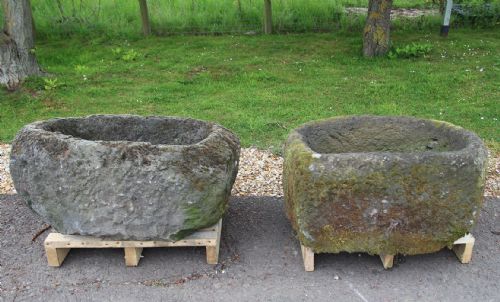
A hand carved horse brings raw animal energy into a room, crafted from wood or stone with centuries of tradition behind it.
Hand Carved Horse
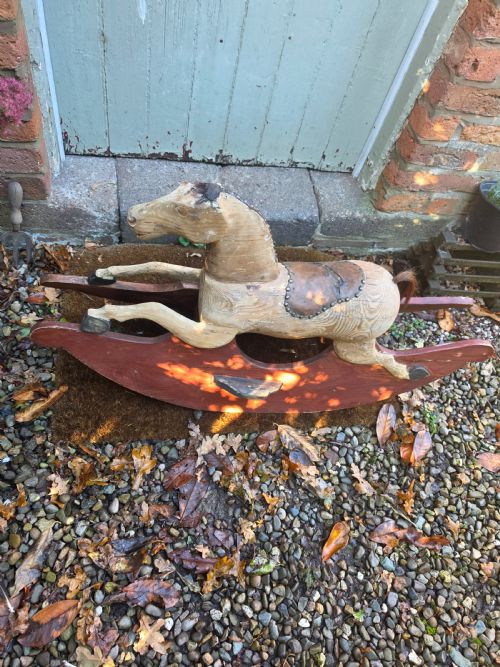
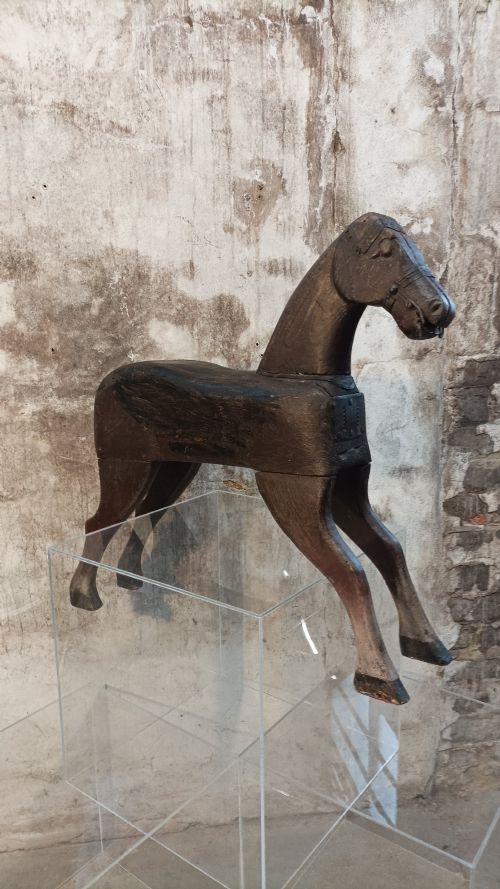
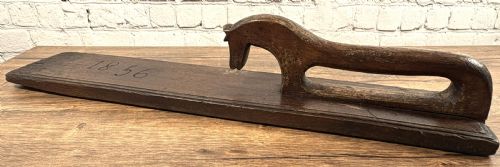
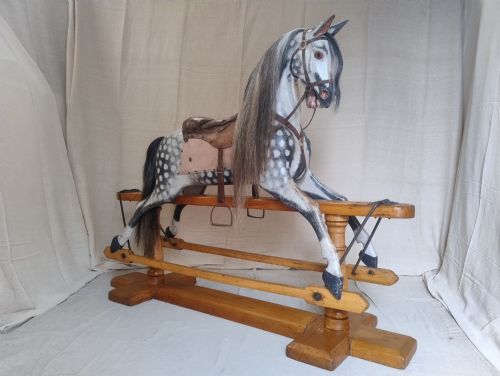
When searching for a hand carved horse, collectors encounter pieces spanning from the eighteenth century through to the mid-twentieth century, rooted primarily in folk art traditions and domestic toys. The selection on this page centres heavily on wooden rocking horses and decorative animal sculptures, alongside distinct utilitarian objects featuring equine handles or motifs.
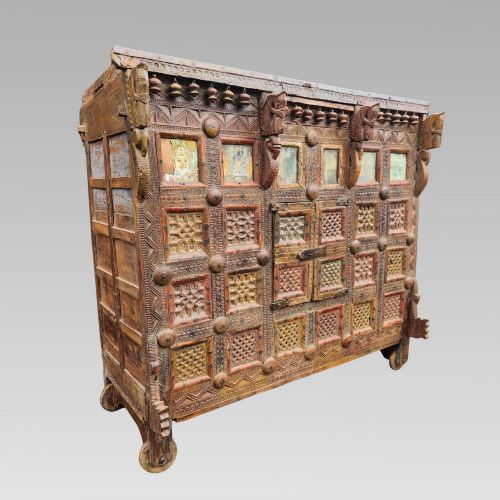
The objects take many forms, from substantial Victorian playroom rockers and carousel figures to smaller decorative sculptures and regional folk carvings. Materials range from simple pine and painted wood to hard stone, iron, and leather, reflecting diverse global workshops from Scandinavia to India.
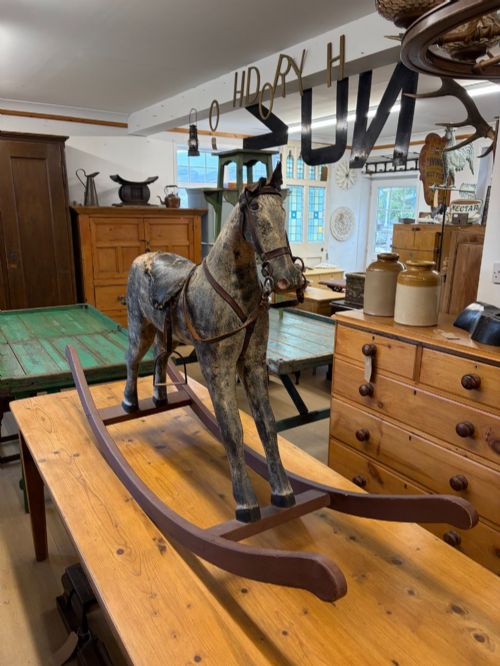
Most pieces show their age through worn original paint and surface patination, indicating genuine domestic use or fairground life rather than sterile factory production.
Materials and construction methods
Makers fashioned these figures predominantly from solid woods such as pine and teak, shaping the bulk of the form with hand chisels and gouges before applying surface details. Many examples incorporate supplementary materials like genuine horsehair for manes and tails, leather tack, and iron fixings.
Paint finishes play a defining role, with carvers applying layers of oil or water-based pigments directly to the wood, sometimes over a gesso ground. These surfaces frequently exhibit crackle and wear from decades of handling, exposure, and successive coats of paint.
Hand Carved Horse Retail Price Guide 2026
Typical asking prices for hand carved horse among the pieces listed under this phrase on Sellingantiques today, from the lower quarter to the upper quarter. They describe what is for sale here now, not the wider market.
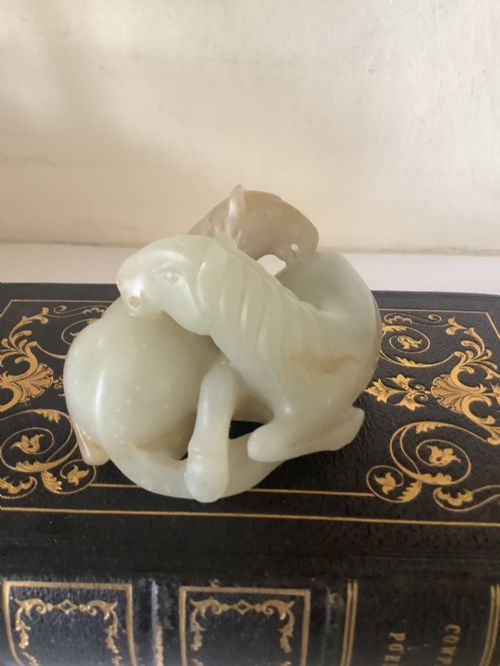
Materials documented across the current inventory include pine, teak, jade, iron, leather, and genuine horsehair.
Assessing quality in equine carvings
The distinction between ordinary and exceptional pieces lies in the anatomical confidence of the carving and the character expressed in the head and posture. A superior carver captures the tension of muscle and the alert tilt of an ear, whereas lesser work remains stiff and formulaic.
Surface integrity also dictates value, with original unwashed paint finishes commanding higher appreciation than heavily stripped or later overpainted surfaces. The harmony between the core structure and surviving details like glass eyes, leather harnesses, and horsehair manes completes the assessment.
F.H.Ayres·Bayol
The Hand Carved Horse Glossary
- Folk art
- Objects created by self-taught or traditional artisans outside the formal academic fine art academies. These pieces prioritise utility and direct expression over strict classical proportions.
- Animalier
- Nineteenth-century art concerned with the realistic depiction of animals. Sculptures in this style focus on naturalistic movement and anatomical accuracy.
- Mangle board
- A domestic Scandinavian laundry tool consisting of a flat wooden board with a carved handle. The handles frequently take the form of horses or other traditional motifs.
- Carousel figure
- Large carved wooden animals produced for fairground carousels during the nineteenth and early twentieth centuries. They often feature dynamic leaping postures and bright decorative paint.
- Bogorodskoe carving
- A traditional style of Russian folk woodcarving originating from the village of Bogorodskoe. These pieces typically depict rural scenes, troikas, and animals in unpainted or lightly waxed wood.
Hand Carved Horse: Frequently Asked Questions
How do I date an antique rocking horse?
Examine the construction methods, nail types, and the material of the core frame under the paint layers. Earlier examples often feature pegged joints and hand-hammered iron work.
Paint layers and wear patterns provide further clues, as Victorian and earlier pieces accumulate distinct layers of patination through generations of domestic use.
Are carousel horses different from rocking horses?
Carousel figures were built for public fairground rides and engineered to withstand heavy outdoor use and movement on a platform. They usually feature dynamic, windswept postures designed to be viewed from the side.
Rocking horses, conversely, were constructed for domestic playrooms and mounted on wooden safety bows or swing frames for gentle motion.
How should I clean a painted wooden horse?
Dust the surface gently with a soft, dry brush or a microfiber cloth to remove loose particles. Avoid using water, soap, or chemical solvents, which can lift fragile historic paint layers.
Professional conservation is recommended if the paint is flaking actively or if the structural wood requires stabilization.
What is folk art sculpture?
Folk art sculpture encompasses utilitarian and decorative objects made by regional craftspeople working within local cultural traditions. These works bypass academic rules in favour of expressive forms and direct carving techniques.
Such pieces often display charming asymmetries and a reliance on readily available local woods and pigments.