
Hall Table Furniture
Hall table furniture brings together practical surfaces and period character, offering narrow console and side tables suited to entrance spaces.
Hall Table Furniture
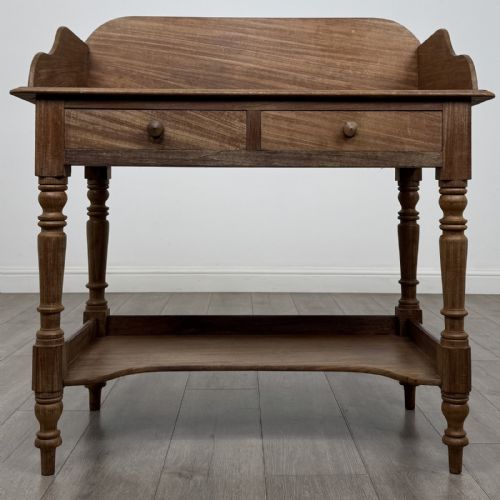
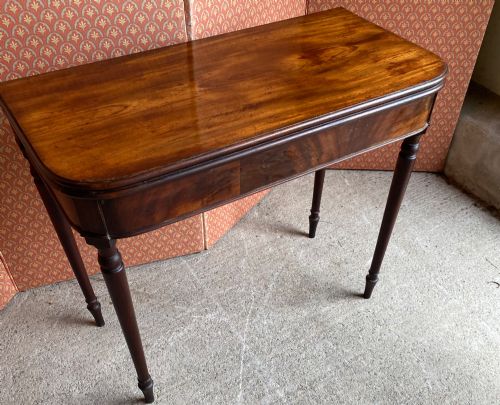
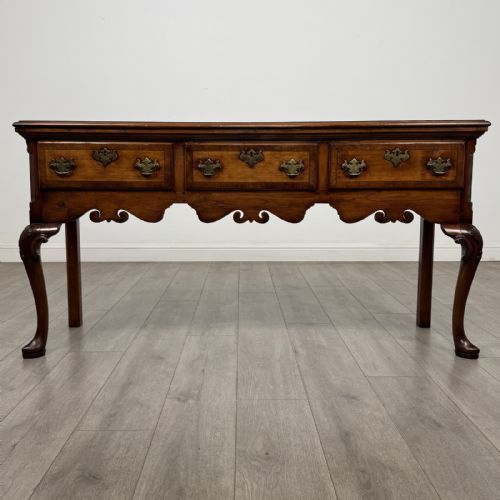
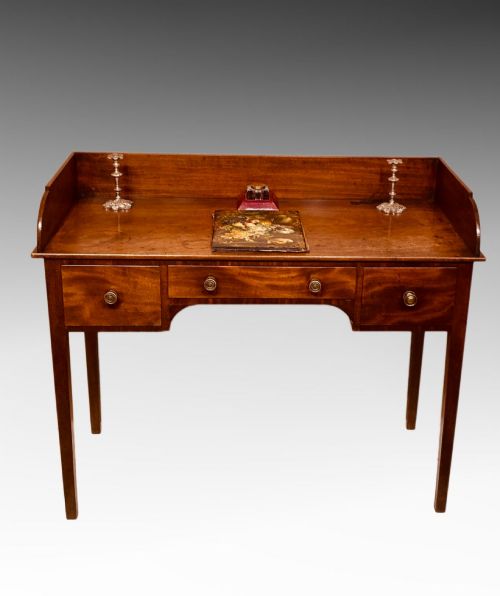
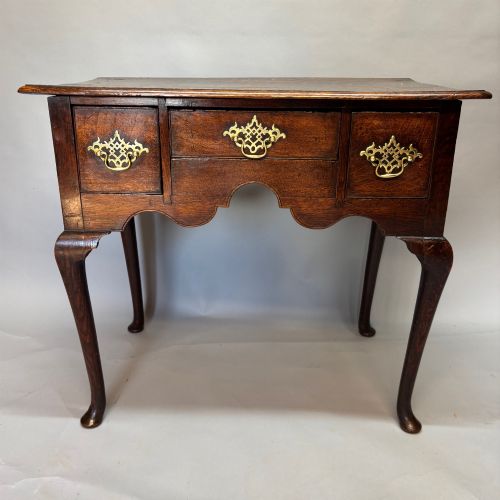
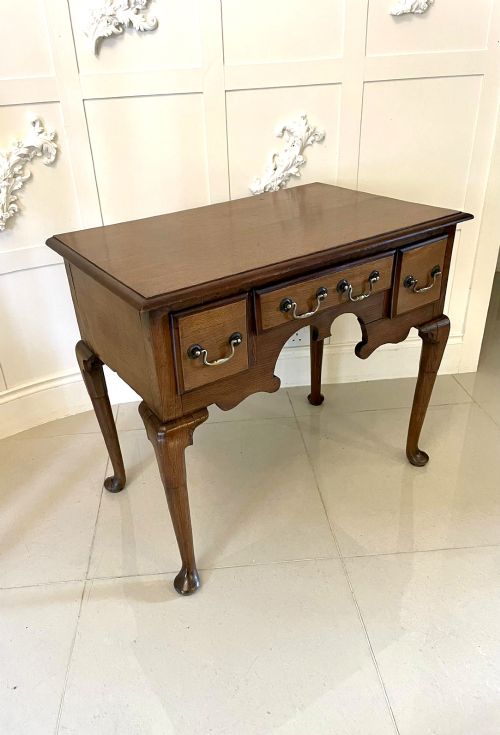
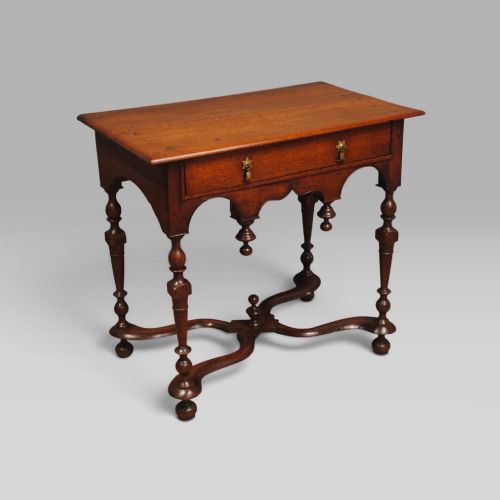
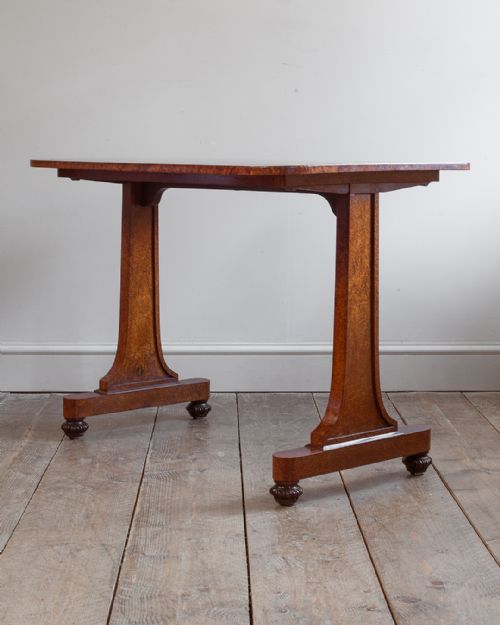
Hall table furniture encompasses side tables, lowboys, console tables, and occasional pieces designed for narrow spaces and entrance areas. When looking for hall table furniture, a buyer encounters pieces originating from the 17th century through to the Edwardian period.
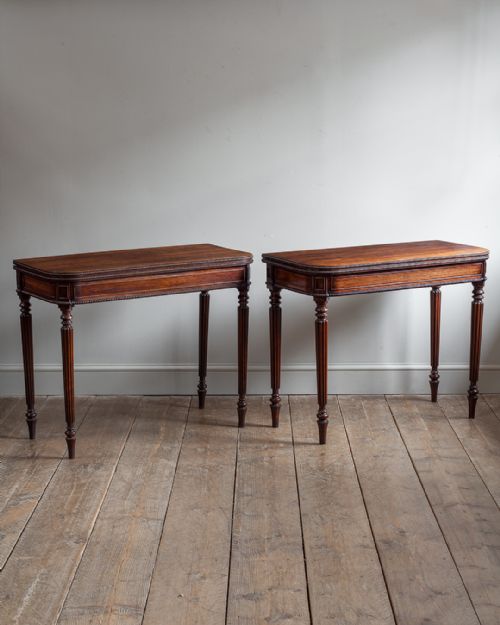
The selection includes Georgian and Regency designs alongside Victorian and Edwardian examples. Materials range from traditional oak and mahogany to walnut, pine, and exotic woods like padouk and satinwood.
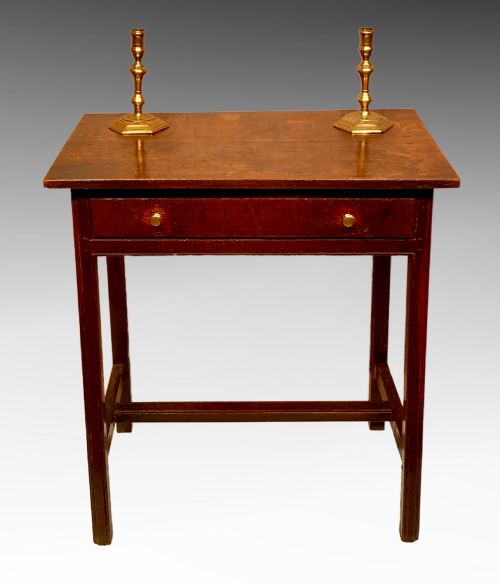
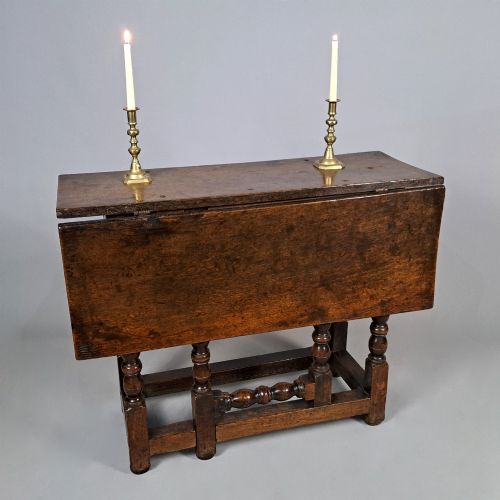
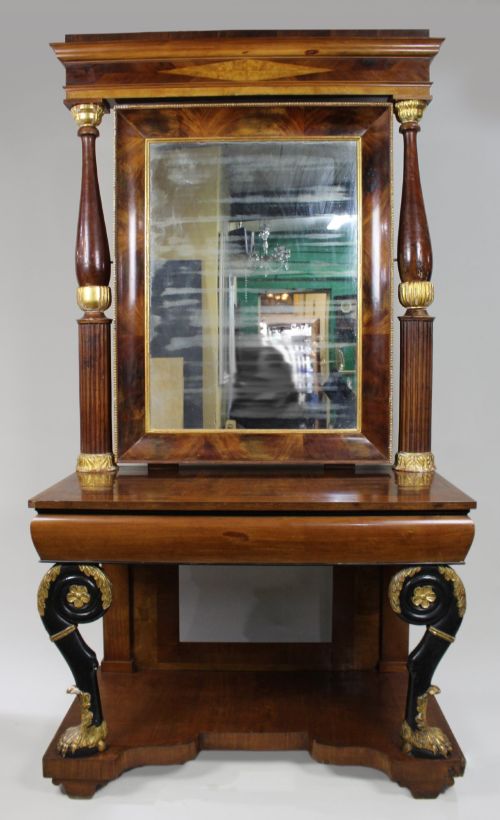
Lowboys and oak side tables feature frequently, often displaying period characteristics such as cabriole legs, drawers, or drop leaves. Console tables often appear paired with matching mirrors or topped with marble.
Materials and technique
Timbers such as oak, mahogany, and walnut form the structural core of these items, shaped using traditional joinery methods appropriate to their respective periods. Master carpenters utilised dovetail joints for drawers and mortise and tenon construction for frames.
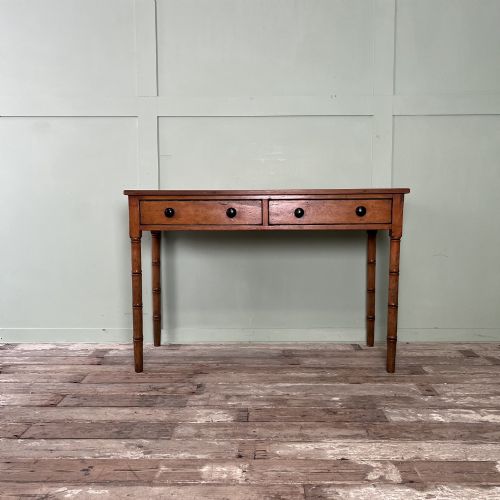
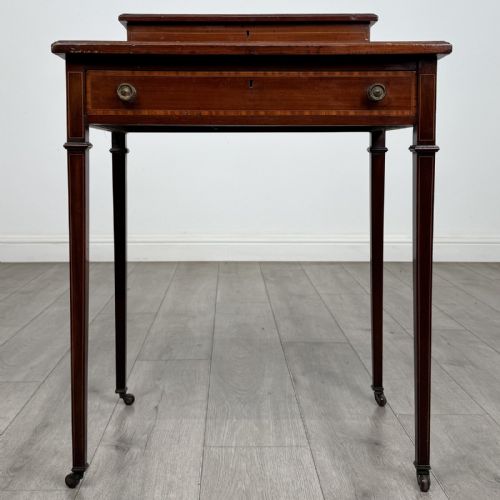
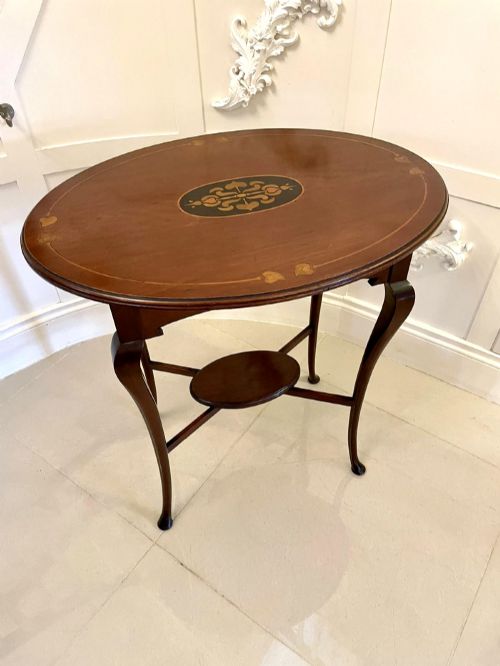
Surface ornamentation ranges from dry, untreated oak finishes to polished mahogany, intricate marquetry, bone inlay, and parcel gilt detailing. Marble tops and bamboo structures also appear among the later 19th and early 20th century items.
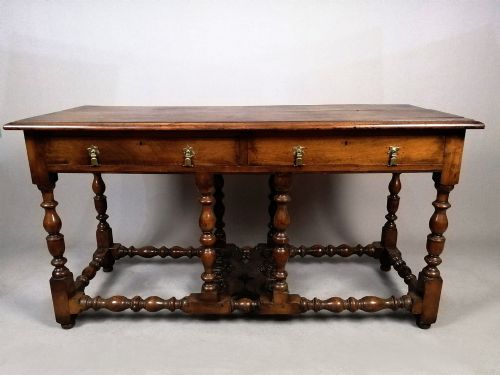
Detailed carving, bobbin-turned legs, and polychrome painted decoration reflect the specific stylistic preferences of makers working in Georgian, Regency, and Victorian workshops.
Several tables manage to look remarkably polite while holding your keys for centuries.
Craftsmanship and condition
Quality in these pieces rests upon the selection of timber figure, the crispness of carved details, and the integrity of the original construction. Superior items display well-figured mahogany or richly grained oak with minimal structural alteration over time.
Subtleties in proportion and the refinement of leg shapes, such as slender cabriole or reeded tapering legs, distinguish finer examples from standard vernacular work. The preservation of surface patination and original hardware also elevates a piece within its period.
The Hall Table Furniture Glossary
- Lowboy
- A small oak or mahogany table with drawers, typically produced during the 18th century and used as a dressing table or side table.
- Console table
- A table fixed to a wall or freestanding with forward legs, often designed with a narrow profile for hallways.
- Marquetry
- Decorative inlay work using various woods, bone, or shell to create pictorial patterns across the surface.
- Parcel gilt
- Portions of a wooden frame or carving highlighted with a thin layer of gold leaf.
- Patina
- The surface sheen and colour developed by wood and metal over centuries of handling and ageing.
Hall Table Furniture: Frequently Asked Questions
What defines hall table furniture?
Hall table furniture consists of narrow tables built to fit corridors, entryways, and reception spaces without blocking passage.
The category mainly includes side tables, lowboys, and console tables sourced from Georgian, Victorian, and Edwardian eras.
How do I choose the right size?
Measure the available wall length and walkway width in your hallway before selecting a piece.
Console tables and lowboys offer shallow depths that prevent congestion while still providing a surface for keys and small items.
Are marble tops original?
Marble tops appear frequently on console tables and washstands, particularly in continental and late 19th-century designs.
They provide a durable, water-resistant surface that suited the practical functions of entrance halls and dressing rooms.
How should I care for timber surfaces?
Maintain antique wood surfaces by keeping them away from direct heat sources and sudden humidity changes.
Apply traditional beeswax occasionally to nourish the grain and preserve the historic finish without building up heavy chemical layers.