





Hall Stand with Hooks
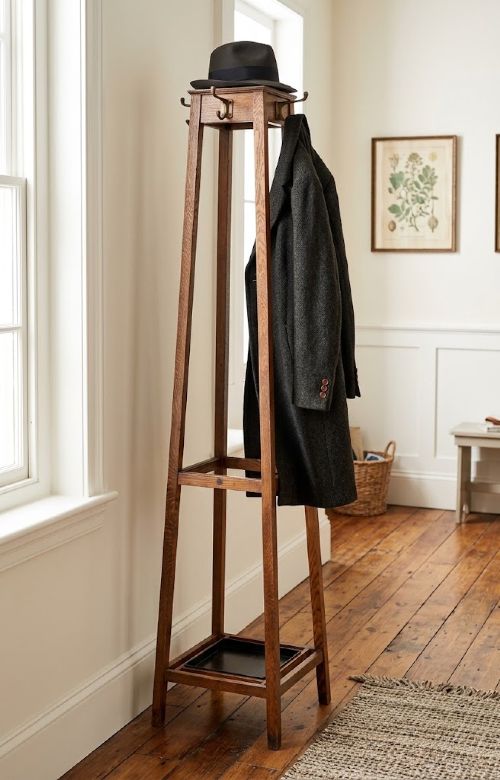
A hall stand with hooks provides an immediate place to deposit hats, coats and sticks upon entering the house.
Hall Stand with Hooks
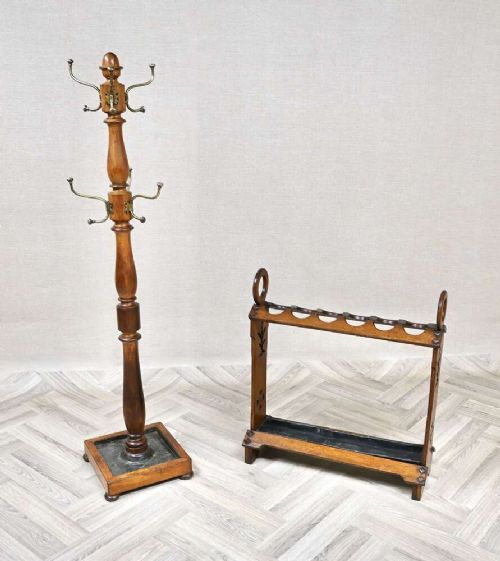
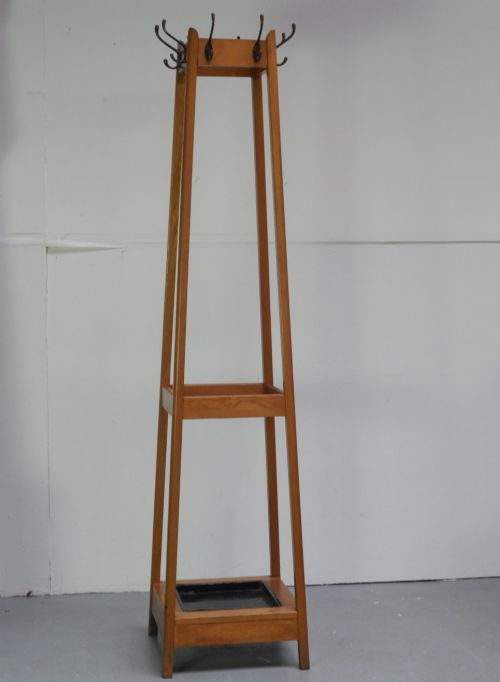
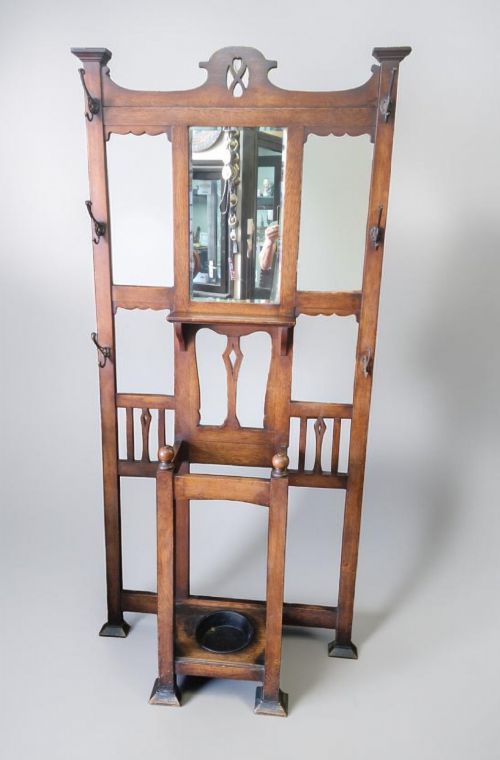
When you search for a hall stand with hooks, you are looking at entrance furniture designed to hold outerwear and accessories in domestic hallways. The pieces seen here span from the late nineteenth century through to the interwar period, encompassing wall-mounted racks alongside freestanding furniture.
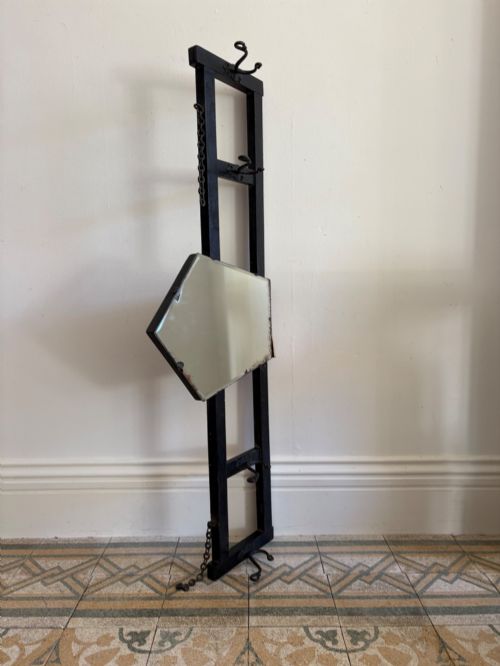
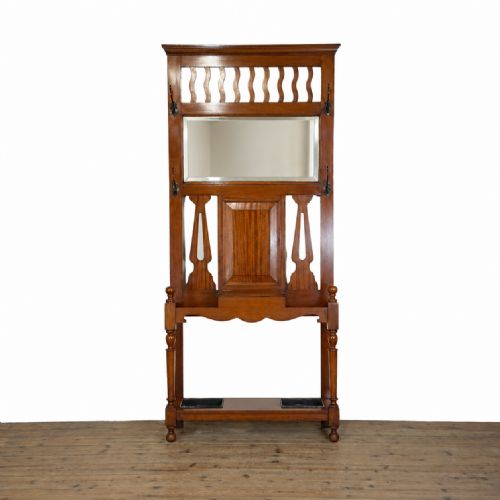
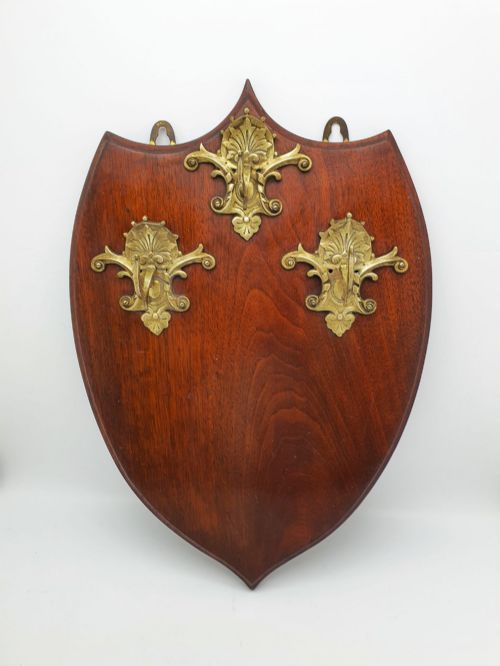
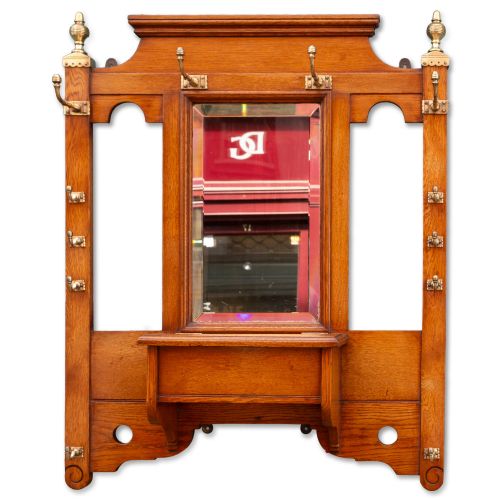
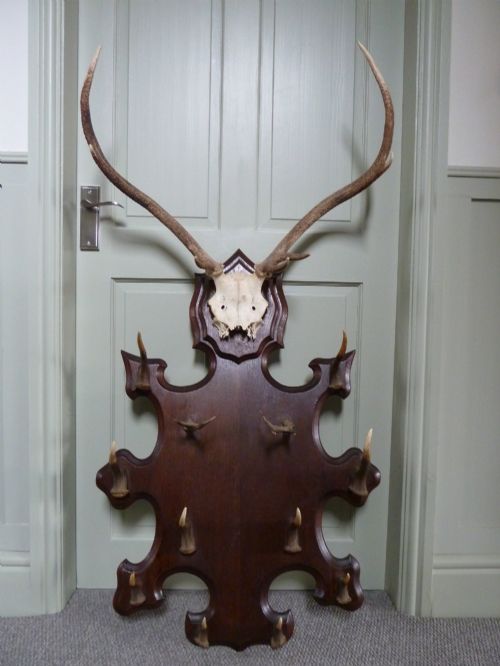
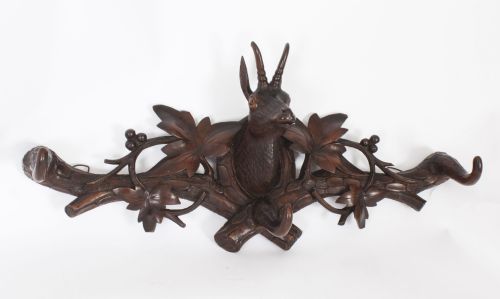
The most common versions on this page are oak or mahogany structures equipped with brass hooks, frequently incorporating mirrors or small shelves for everyday convenience. You will also encounter specialised items such as wall plaques with hooks, French portmanteaus, and pieces featuring ceramic tiles or barometer inserts.
How they were made
These items rely primarily on timbers such as oak, mahogany, and walnut, shaped into structural frames, wall plaques, and cabinet bases. Woods are paired with metalwork, utilising brass for hooks and brackets alongside cast iron for more industrial or robust frames.
Many examples incorporate glass, utilising deep bevelled plates within mirrors or housing barometers within the wooden body. The construction involves traditional cabinetmaking alongside metal casting for the decorative hooks and rails attached to the timber backings.
Hall Stand with Hooks Retail Price Guide 2026
Typical asking prices for hall stand with hooks among the pieces listed under this phrase on Sellingantiques today, from the lower quarter to the upper quarter. They describe what is for sale here now, not the wider market.
Horseshoe-shaped mirrors equipped with brass hooks allowed equestrian enthusiasts to check their riding attire before heading out to the stables.
What varies in quality
The distinction between standard examples and finer pieces lies in the choice of timber and the intricacy of the metalwork. Selected examples display figured grain in the oak or mahogany, while the hooks range from simple brass brackets to ornate, scalloped designs.
Inclusion of original components such as bevelled mirror plates, ceramic tiles, or specialised compartments like barometer inserts elevates the execution. The presence of distinct stylistic movements, such as Art Nouveau curves or Arts and Crafts construction, also sets particular items apart.
Ellen E. Houghton of Minton·Minton
The Hall Stand with Hooks Glossary
- Portmanteau
- A combination piece of entrance furniture typically incorporating a mirror, coat hooks, and storage for hats or umbrellas. These items often originate from France.
- Bevelled plate
- A mirror glass featuring an angled, polished edge around the perimeter. This treatment adds depth and reflects light more intricately than flat glass.
- Wall plaque
- A decorative wooden board designed to be hung flat against a wall. These panels serve as the backing for rows of coat hooks.
- Barometer hatstand
- A combination furnishing that integrates a weather-measuring instrument directly into the frame. It allows homeowners to check conditions before selecting their hat and coat.
Hall Stand with Hooks: Frequently Asked Questions
What is a hall stand with hooks?
A hall stand with hooks is a piece of furniture or wall-mounted fixture created to organise outerwear in an entranceway. These items hold coats, hats, and umbrellas close to the front door.
They combine timber frames with metal hooks and frequently include mirrors or shelves. The forms range from compact wooden wall plaques to large freestanding furniture pieces.
Where were these pieces used?
These items were placed in the hallways, vestibules, or entrance lobbies of homes. They provided an immediate drop-off point for guests and residents arriving from outside.
The inclusion of mirrors allowed people to check their appearance before leaving the house. Hat shelves and umbrella wells kept wet or bulky accessories contained near the door.
How do I live with one?
Living with a hall stand involves utilising its hooks for daily coats and bags while respecting the original structure. Freestanding versions require adequate floor space and occasionally wall anchoring for stability.
Wall-mounted versions need secure fixings into wall studs or masonry to support the weight of heavy winter garments. Regular dusting of the timber and metal hooks preserves the finish.
How do I tell periods apart?
Periods are identified through characteristic materials, decorative motifs, and construction methods. Victorian and late Victorian examples often feature dark, heavy mahogany with elaborate carving and substantial mirrors.
Edwardian and later pieces frequently employ golden oak, simpler lines, or distinct movements like Art Nouveau and Art Deco. French items often showcase portmanteau designs with original bevelled plates and cast iron elements.