




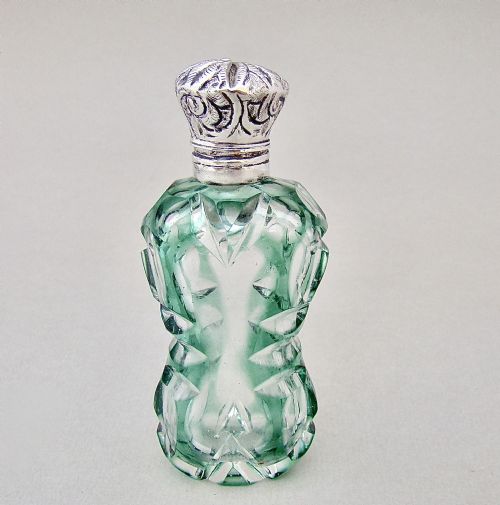
Green Overlaid Glass
Green overlaid glass pieces bring together deep jewel tones and contrasting clear layers, offering striking decorative presence for any cabinet or table.
Green Overlaid Glass
Green overlaid glass encompasses a variety of decorative and functional vessels, including vases, perfume bottles, and hock glasses. When searching for green overlaid glass, buyers encounter diverse forms shaped across the nineteenth and twentieth centuries.
The selection here draws heavily from Victorian and Edwardian periods, alongside Art Nouveau and Art Deco designs. Pieces range from Bohemian trios and claret jugs to French cameo vases and Belgian crystal bowls.
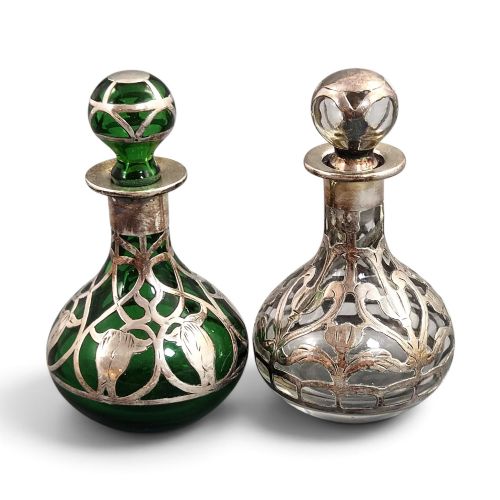
Originating from workshops across Europe and China, these items showcase distinct regional techniques. European examples frequently pair rich green glass with crystal or sterling silver mounts.
How they were made
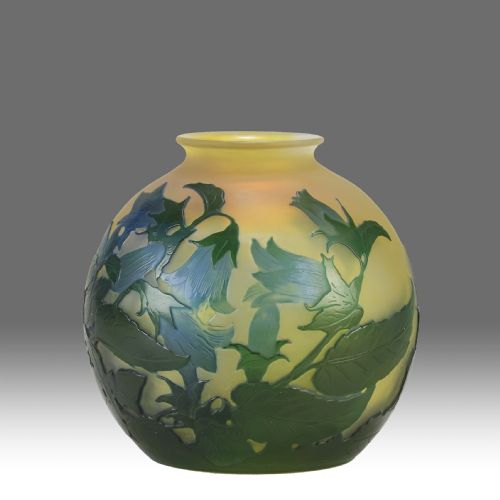
Makers produced these objects by fusing layers of coloured glass over clear or contrasting glass bodies. Artisans then cut away portions of the outer green layer to reveal the underlying material, creating sharp contrasts in colour and depth.
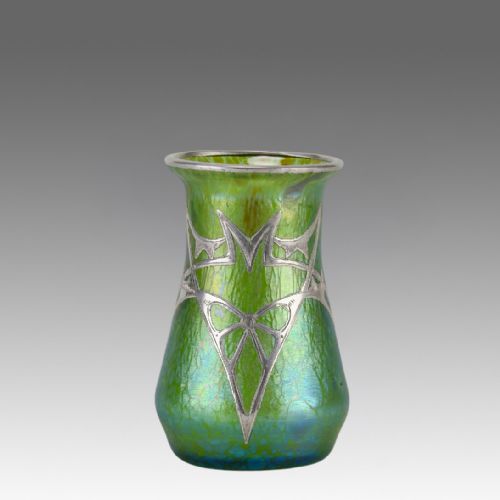
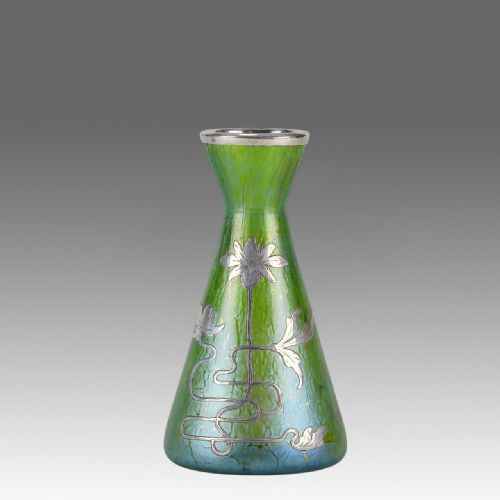
Many examples incorporate metallic elements such as sterling silver overlays, applied directly to the glass surface in intricate floral or geometric patterns. Techniques like cameo carving and iridescence further enhanced the visual texture of the finished vessels.
Green Overlaid Glass Retail Price Guide 2026
Typical asking prices for green overlaid glass among the pieces listed under this phrase on Sellingantiques today, from the lower quarter to the upper quarter. They describe what is for sale here now, not the wider market.
Geographic origins represented include English, French, Belgian, Chinese, and Bohemian workshops.
What varies in quality
The sophistication of the glass cutting and the crispness of the overlaid motifs dictate the distinction between standard and exceptional pieces. Superior examples display precise depth in their carved layers and harmonious proportions across the entire form.
The integration of precious mounts, such as hallmarked sterling silver collars or intricate silvered metalwork, elevates the craftsmanship. Furthermore, attribution to notable makers or specific design periods adds significant distinction to individual items.
Emile Gallé·Gorham·Baccarat·Johann Loetz·Loetz Witwe·Val St Lambert·Daum Frères
The Green Overlaid Glass Glossary
- Cameo Glass
- Glass vessels created by fusing two or more distinct layers of colour and carving away the outer layer to form raised designs. This demanding technique requires immense skill from the glassmaker.
- Overlay Glass
- A method where a layer of coloured glass covers a different base glass before being shaped and cut. The process achieves striking two-tone visual effects.
- Cased Glass
- Glass made from multiple distinct layers fused together in a furnace. It often provides the foundation for subsequent cutting and engraving work.
- Silver Overlay
- A decorative technique where molten or sheet silver is applied to the exterior of a glass object. Artisans then etch or carve designs into the silver skin.
- Iridescent Glass
- Glass treated with metallic vapours while hot to produce a shimmering, rainbow-like surface sheen. This finish became particularly popular during the Art Nouveau period.
Green Overlaid Glass: Frequently Asked Questions
What is green overlaid glass?
Green overlaid glass consists of objects made with a green outer layer fused over a clear or contrasting body. Artisans cut through this outer skin to expose patterns.
These pieces span utilitarian tablewares like wine glasses and decanters to purely decorative vases and perfume bottles.
How do I identify Art Nouveau pieces?
Art Nouveau examples feature fluid, organic lines inspired by natural forms such as flowers, vines, and insects. Makers like Gallé and Loetz utilised these flowing motifs extensively.
Look for stylised plant subjects and sinuous metallic mounts that embrace the curves of the glass body.
Were these items used daily?
Many items, including hock glasses, claret jugs, and decanters, served practical functions at formal dining tables. Other objects, such as scent bottles and trinket boxes, belonged on dressing tables.
While some functioned purely as cabinet ornaments, most combined utility with decorative appeal.
How are Bohemian pieces distinguished?
Bohemian glass frequently displays bold colours, heavy crystal bases, and elaborate cut or engraved decorations. Nineteenth-century examples often incorporate portraits or intricate architectural scenes.
Regional makers focused heavily on technical innovation in coloured and layered glass production.