



Green Garden Seat
These green garden seat pieces are robust outdoor metal benches and chairs that bring enduring charm to any lawn or terrace.
Green Garden Seat
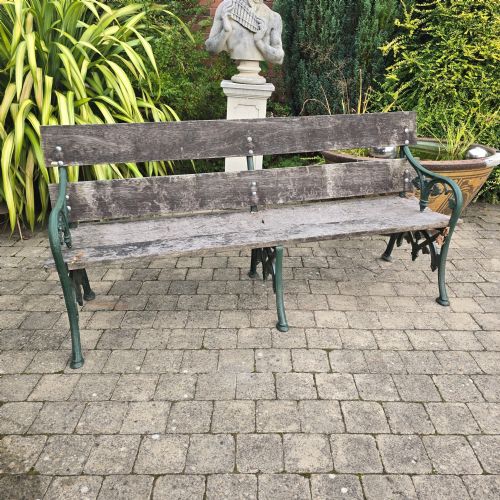
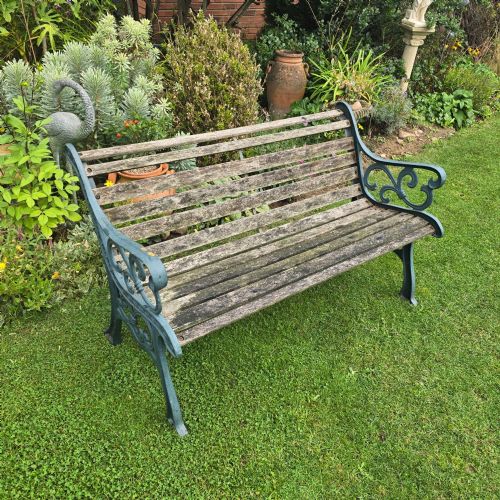
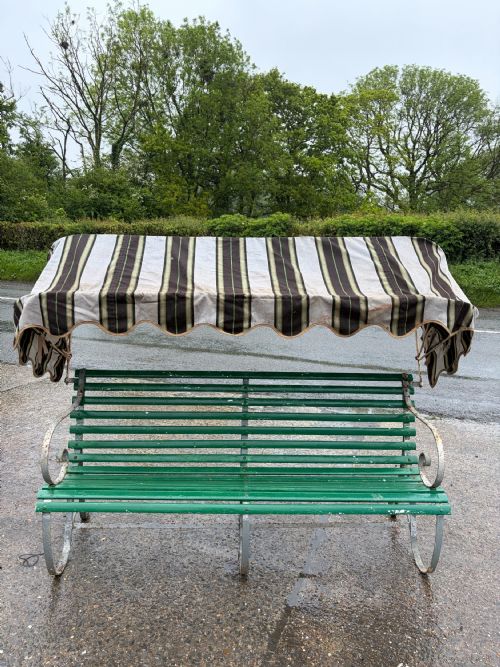
A green garden seat is primarily represented on this page by sturdy Victorian and early twentieth century metal benches and chairs designed for outdoor use. These heavy items include elaborate cast iron models alongside lighter folding iron chairs and strapwork benches, often retaining traces of weathered green paint.
Beyond physical benches, the selection encompasses historical artworks such as watercolours and oil paintings depicting garden seating scenes. Buyers seeking a functional seat will find substantial cast and wrought iron examples, while those drawn to pictorial representations encounter period paintings from French and British creators.
How they were made
Metal garden seating relies heavily on cast iron and wrought iron, utilised to create durable frames capable of withstanding the elements. Individual elements often feature strapwork or scrollwork, shaped by hand and assembled with rivets or threaded fixings.
Many examples retain layers of original paint in green hues, applied to protect the underlying iron from rust and weathering. Wooden components also appear alongside metal frameworks, combining timber seats with sturdy iron supports.
Green Garden Seat Retail Price Guide 2026
Typical asking prices for green garden seat among the pieces listed under this phrase on Sellingantiques today, from the lower quarter to the upper quarter. They describe what is for sale here now, not the wider market.
One listed painting captures a lady deep in thought beside an old garden seat.
What varies in quality
The distinction between ordinary and superior pieces rests upon the crispness of the iron casting and the sophistication of the scrollwork or strapwork design. Heavier cast iron examples with intricate Victorian canopy details or matching sets of four chairs demand greater attention than simple utilitarian benches.
Surface preservation plays a vital role in determining desirability, particularly where original layers of green paint survive intact through decades of outdoor exposure. Pieces retaining their structural integrity without heavy corrosion represent the high point of the range.
The Green Garden Seat Glossary
- Cast iron
- A sturdy material poured into moulds to create rigid garden benches with decorative motifs. It provides immense weight and durability for outdoor use.
- Wrought iron
- Iron beaten and forged into shape, commonly utilised for scrollwork and strapwork benches. This technique allows for flexible, resilient structural designs.
- Strapwork
- Flat strips of iron interlaced to form geometric or decorative patterns on garden seats. This technique adds visual lightness to robust metal frames.
- Victorian
- A nineteenth century period associated with ornate garden furniture and elaborate ironwork casting. Pieces from this era often display heavy ornamentation and canopies.
Green Garden Seat: Frequently Asked Questions
Are these seats suitable for outdoor use?
Cast and wrought iron garden seating is constructed specifically to withstand outdoor conditions throughout the year. Their substantial weight prevents them from being easily displaced by wind.
Protective paint layers further shield the metal from moisture, though regular maintenance helps preserve surviving historical finishes against harsh weather.
How do I identify a Victorian iron bench?
Victorian examples typically feature heavy cast iron frames with elaborate scrollwork, strapwork, or integrated canopies. The manufacturing techniques of the era produced dense, robust seating designed for grand lawns.
Comparing the decorative motifs and weight against early twentieth century versions helps establish the correct period of origin.
What is the difference between cast and wrought iron?
Cast iron is poured into moulds, resulting in rigid, highly ornate components that provide exceptional weight and solidity. Wrought iron is heated and hammered into shape, offering greater flexibility for scrolls and strapwork.
Both materials appear frequently in garden seating from the nineteenth and twentieth centuries.
Why do some benches feature original paint?
Original paint layers provide tangible evidence of a piece's history and age through successive coats of weathering and wear. Collectors often prize surfaces that retain genuine patination rather than modern repainting.
These accumulated layers contribute distinct character and confirm the authentic age of the metalwork.