

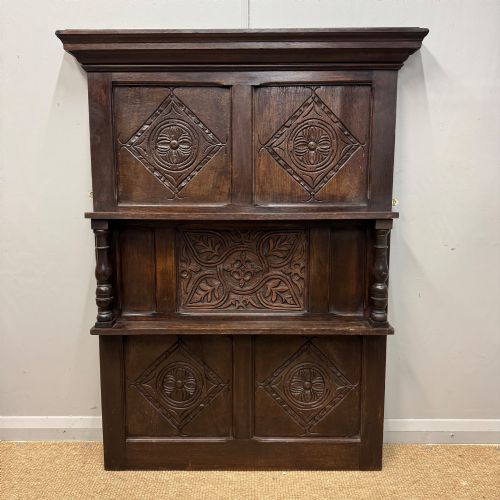
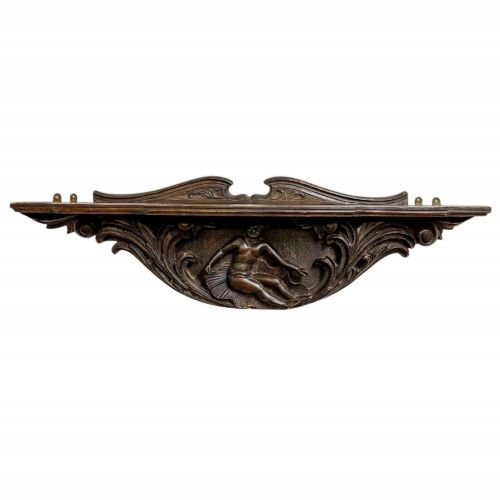


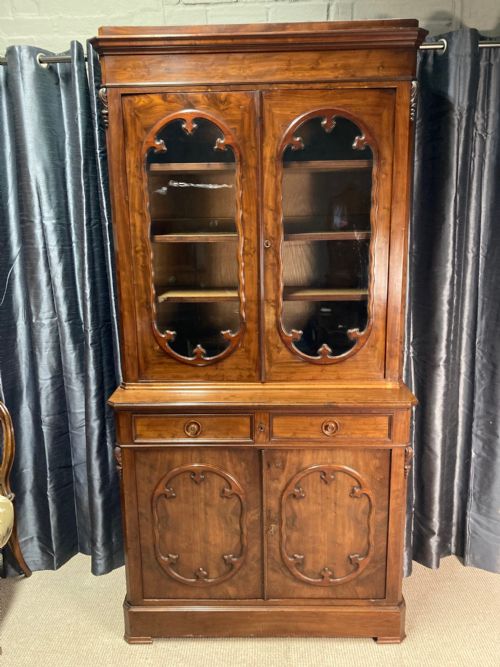


Gothic Wooden Shelf
A gothic wooden shelf brings architectural presence to a room, combining medieval motifs with period utility.
Gothic Wooden Shelf
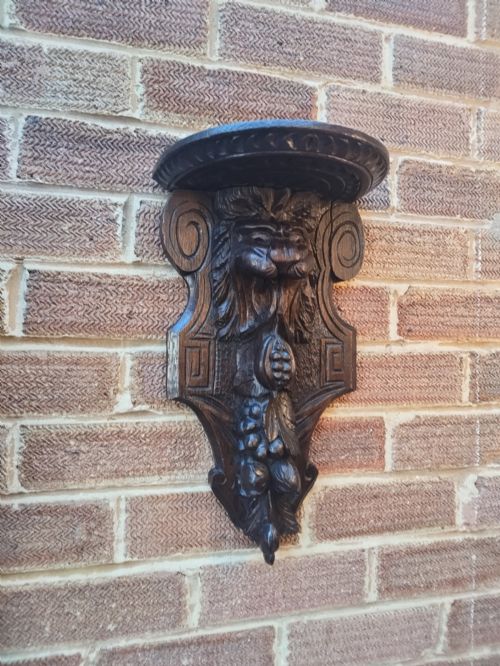
A gothic wooden shelf draws upon architectural revivals to offer sturdy display space for small objects, books, or timepieces. These pieces often incorporate pointed arches, carved tracery, and heavy timber construction typical of the 19th century.
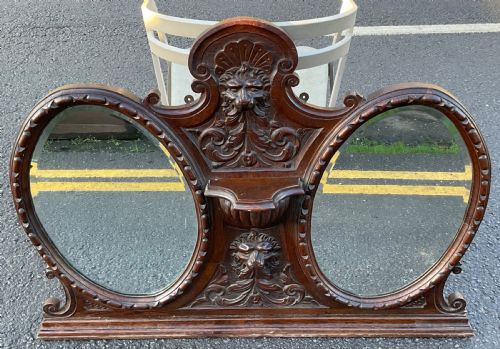
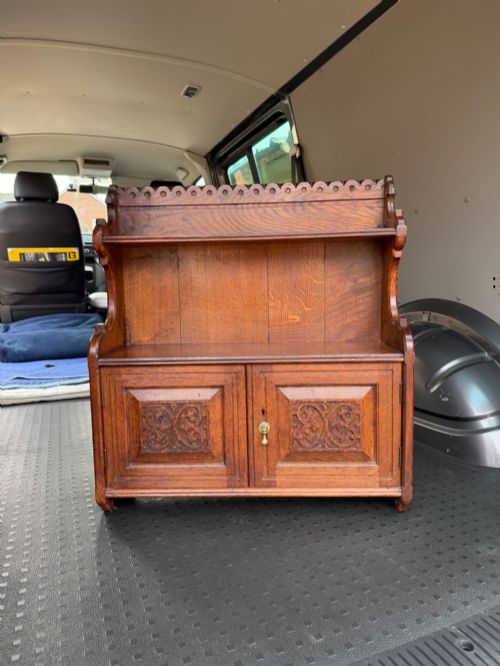
The materials recorded in current listings include oak, mahogany, rosewood, limewood, and ebonised wood, spanning the Victorian and Edwardian eras. Forms range from simple wall brackets to elaborate overmantels and hanging shelves.
Buyers encounter variations in scale, from intimate wall-mounted ledges to substantial architectural pediments. The aesthetic draws strongly from Victorian Gothic Revival and Aesthetic Movement design principles.
Materials and construction methods
Makers utilised dense hardwoods such as oak, mahogany, and rosewood to support carved decoration and structural weight. These timbers were selected for their grain and stability, often finished with polished surfaces or ebonised treatments.
Joinery techniques involved precise mortise and tenon joints alongside applied carved mouldings and turned elements. Metal components like brass fixings and glass inserts appear alongside secondary materials such as enamel.
Gothic Wooden Shelf Retail Price Guide 2026
Typical asking prices for gothic wooden shelf among the pieces listed under this phrase on Sellingantiques today, from the lower quarter to the upper quarter. They describe what is for sale here now, not the wider market.
Current listings feature oak and mahogany pieces spanning the Victorian and Edwardian periods, alongside rosewood and ebonised wood variants.
Factors of quality and execution
The distinction between standard items and superior examples lies in the depth and crispness of the wood carving. Fine pieces display hand-carved tracery and well-defined mouldings rather than shallow machine stamping.
Proportion and timber selection dictate overall merit, with carefully matched wood grains and balanced architectural composition marking out more accomplished workshops.
Luigi Frullini·Cottier and Co
The Gothic Wooden Shelf Glossary
- Gothic Revival
- An architectural and decorative style drawing inspiration from medieval design, featuring pointed arches and heavy ornamentation. This movement heavily influenced 19th-century furniture and wall fixtures.
- Ebonised wood
- Timber treated with a chemical stain or pigment to simulate the appearance of ebony. This finish was particularly popular during the Victorian period for accentuating carved details.
- Overmantel
- A decorative structure placed above a fireplace, frequently incorporating shelves, mirrors, or carved panels. These architectural pieces formed a focal point in period interiors.
- Tracery
- Openwork ornamentation in stone or wood, characterised by intersecting ribwork and geometric patterns. In shelving, it provides distinct medieval vertical emphasis.
Gothic Wooden Shelf: Frequently Asked Questions
Where should I hang a gothic wooden shelf?
These shelves suit principal reception rooms or hallways where architectural timberwork complements existing furniture.
Ensure wall fixings are robust enough to support dense hardwoods like oak or rosewood.
How do I date a gothic wooden shelf?
Examine the timber species, joinery methods, and the specific characteristics of the decorative carving. Victorian pieces often display heavier proportions and distinct revival motifs.
Secondary materials and hardware fixings also offer clues to the manufacturing decade.
What objects display best on these shelves?
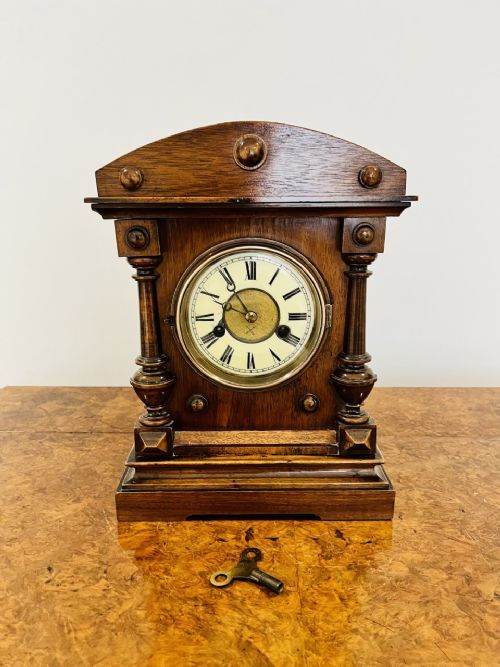
Small bronzes, ceramics, clocks, and bound books complement the architectural lines of period woodwork. The heavy grain of oak or mahogany provides a strong visual anchor for collected items.
Keep arrangements balanced to respect the symmetrical nature of revival design.
Are these shelves structurally sound for daily use?
Period wall fixtures constructed from dense timbers remain highly durable when properly secured to suitable wall studs or masonry. Original joinery generally holds firm if kept away from excessive damp or heat.
Weight distribution should be considered when placing heavy objects upon bracketed ledges.