




Gothic Clock
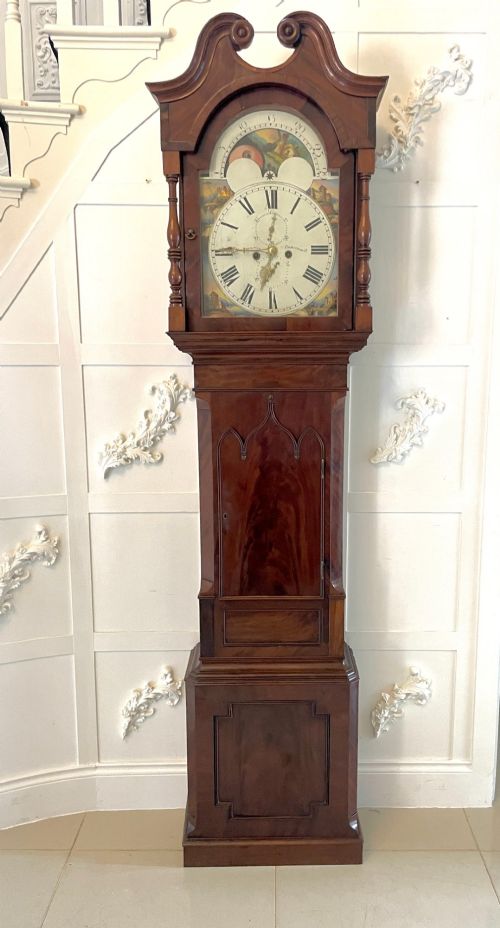
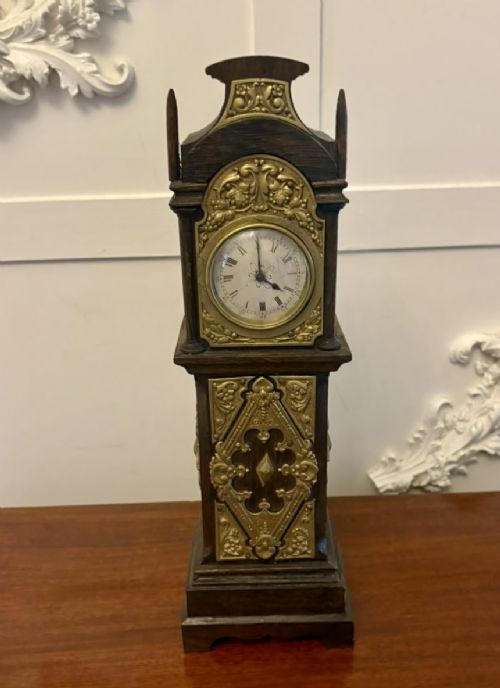
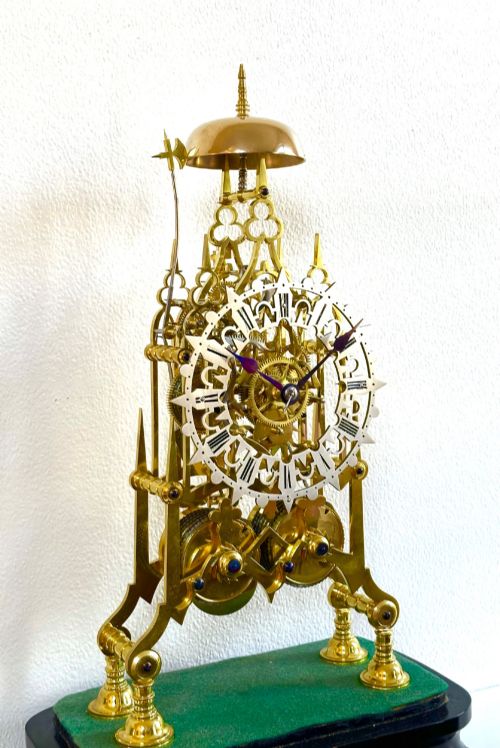
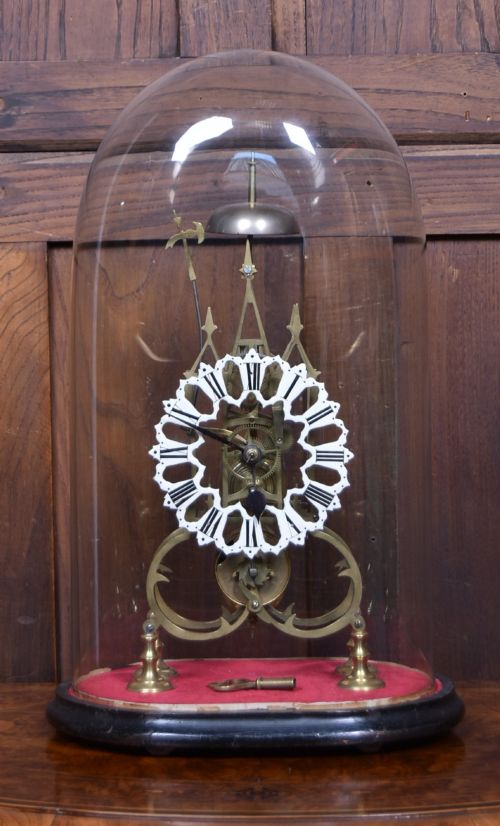
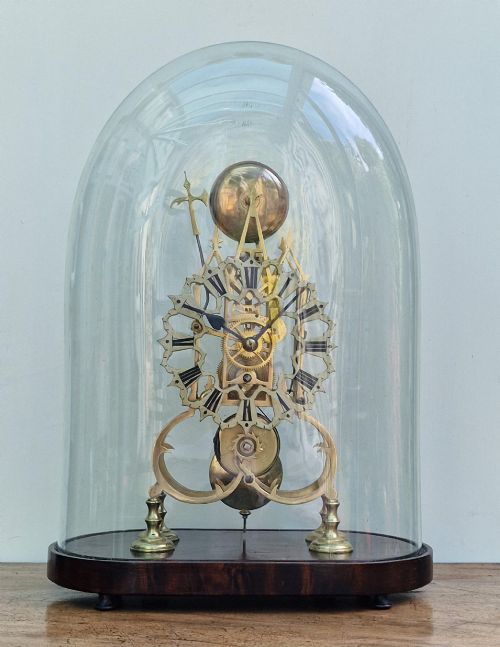
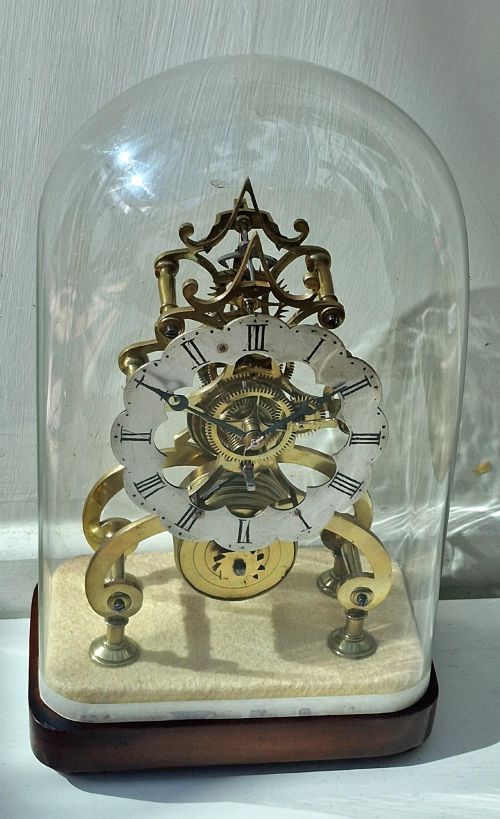
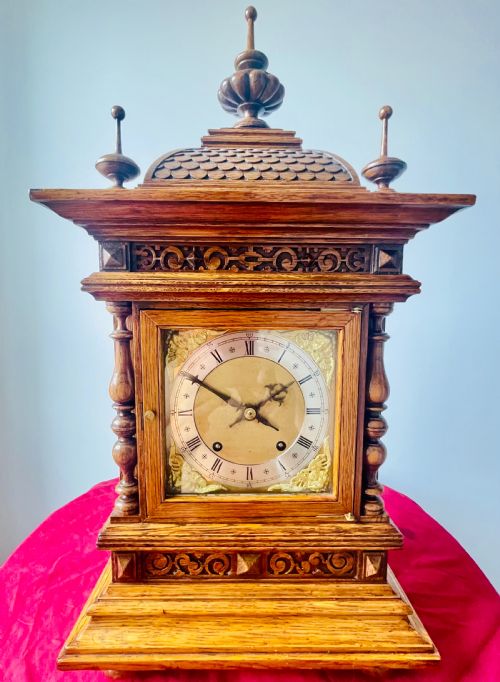
These gothic clocks bring together architectural brass, rich mahogany and striking mechanical forms from the nineteenth century.
Gothic Clock
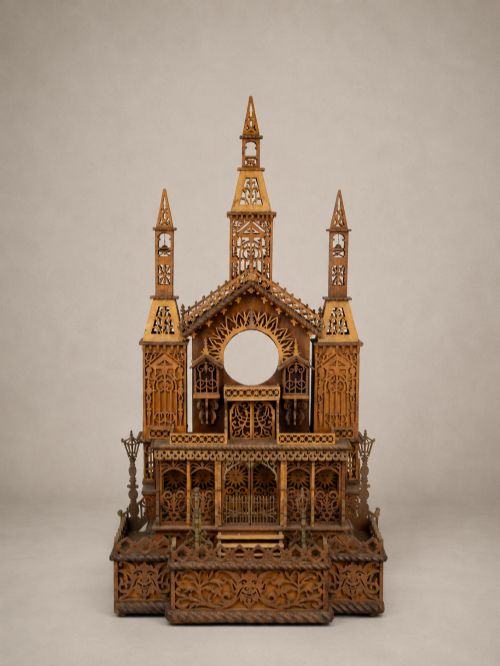
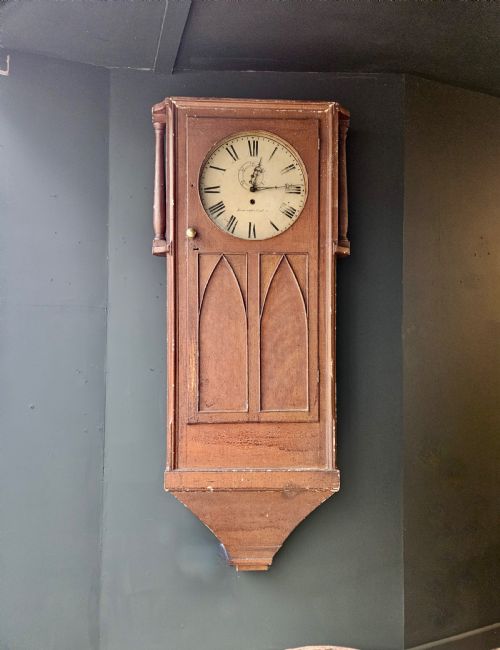
A gothic clock draws on medieval architectural vocabulary, translating pointed arches, lancet tops and fretwork into domestic timepieces.
The pieces on this page appear primarily in Victorian and Regency interpretations, alongside Georgian forms spanning the nineteenth century.
Buyers encounter mantel clocks, bracket clocks and longcase clocks, built in woods such as mahogany, oak and walnut or cast in bronze and brass.
Materials and construction
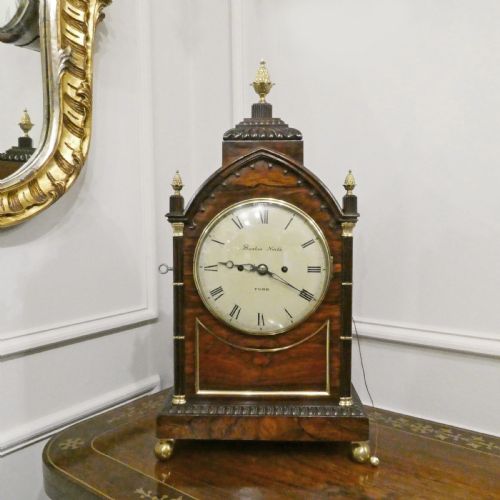
Clock cases rely on solid mahogany, oak, walnut and rosewood, often enhanced with brass inlay or architectural fretwork.
Internal mechanisms utilise fusee and double-fusee movements, paired with enamel dials, glass covers and bronze or ormolu mounts.
Gothic Clock Retail Price Guide 2026
Typical asking prices for gothic clock among the pieces listed under this phrase on Sellingantiques today, from the lower quarter to the upper quarter. They describe what is for sale here now, not the wider market.
Some timepieces even incorporate moving rocking seesaws inside the tall wooden cases.
Assessing quality in a gothic clock
Quality rests in the crispness of the architectural carving and the fidelity of the brass inlay against the timber case.
The refinement of the movement, whether a fusee or quarterly striking train, separates standard production from the work of notable makers.
Winterhalder And Hofmeier·Desbois And Wheeler·Richard Winter Of Chieveley·Barber And North Of York·Thwaites Of London
The Gothic Clock Glossary
- Fusee
- A conical pulley used in mechanical clocks to maintain even tension on the chain as the mainspring unwinds.
- Bracket clock
- A portable table clock designed to sit on a bracket or shelf, originating in the seventeenth century.
- Longcase clock
- A tall pendulum clock housed in a wooden case, commonly known as a grandfather clock.
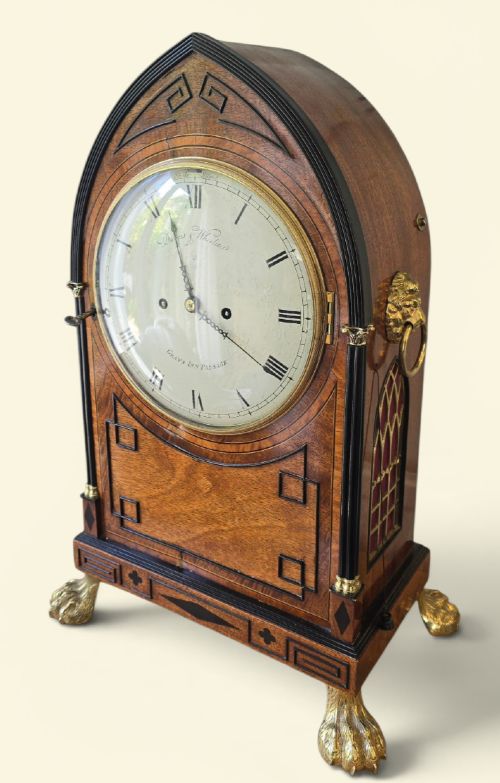
- Lancet top
- A pointed, arch-shaped clock case top reminiscent of Gothic ecclesiastical windows.
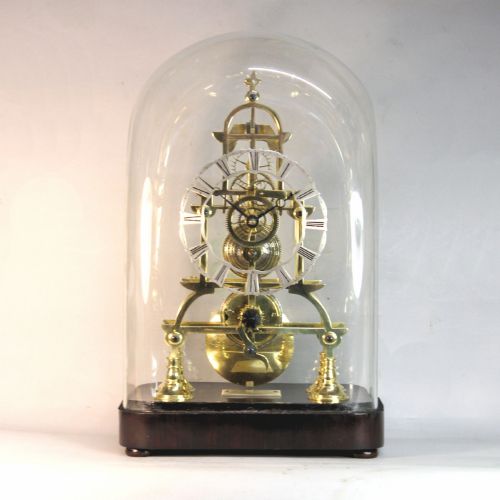
- Skeleton clock
- A timepiece with an exposed movement held within an open metal framework, allowing the gear train to be viewed from the side.
Gothic Clock: Frequently Asked Questions
What defines a gothic clock?
A gothic clock incorporates architectural elements such as pointed arches, lancet shapes and heavy timber or bronze cases inspired by medieval design.
These pieces range from small mantel clocks to large longcase clocks dating primarily from the nineteenth century.
Where should I place a bracket clock?
Bracket clocks suit study desks, mantelpieces or dedicated wall brackets where their architectural details and side glass panels remain visible.
Ensure the surface is stable and level to keep the pendulum beating evenly.
How do I care for a mechanical movement?
Wind the clock carefully using the correct key, following the manufacturer instructions for fusee or spring-driven trains.
Professional servicing every few years keeps the brass gears and pivots clean and running accurately.
How do I distinguish Regency from Victorian models?
Regency clocks typically display restrained neoclassical lines alongside early gothic revival motifs in mahogany and brass inlay.
Victorian pieces often embrace more exuberant architectural fretwork, darker woods and elaborate skeleton movements.