



Gold Sapphire Studs
These gold sapphire studs combine precious metal and vibrant stones, offering a classic ear ornament that brings colour to daily wear.
Gold Sapphire Studs
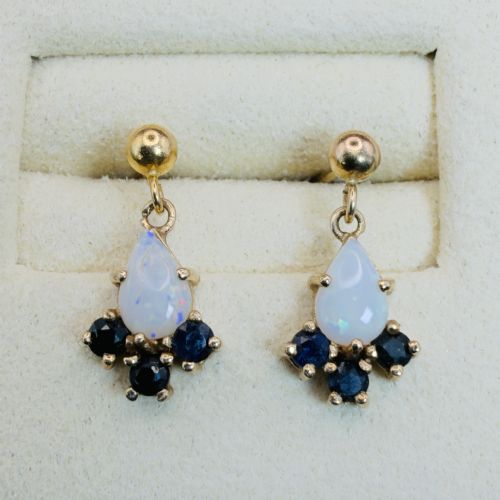
Gold sapphire studs are earrings featuring sapphire stones mounted in gold settings designed to sit close to the earlobe, alongside related drop and cluster variations. Buyers searching for gold sapphire studs will find pieces spanning several decades from the Edwardian era through the mid-twentieth century. The selection includes cluster formations, drop earrings, and specific gemstone pairings involving diamonds or pearls.
Materials and construction
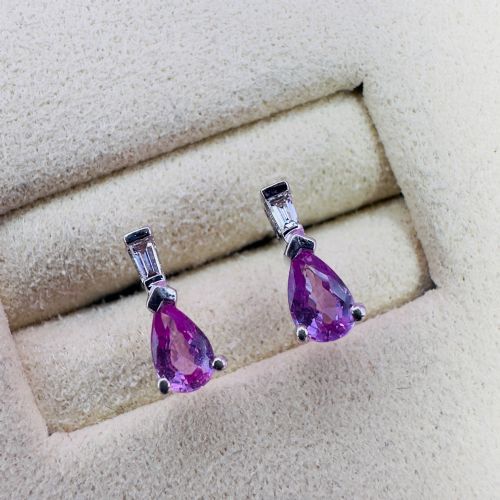
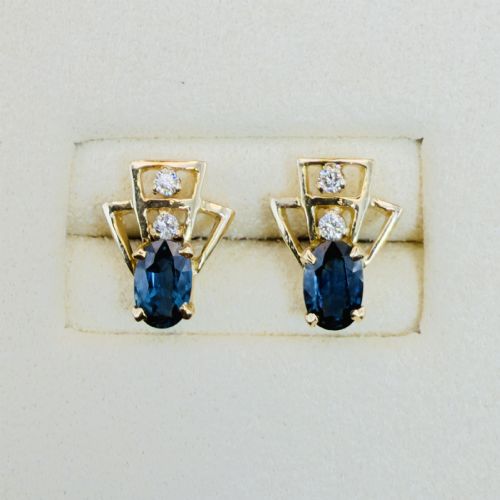
The construction relies on precious metals including nine carat gold, fifteen carat yellow gold, and eighteen carat white or yellow gold. Sapphires are paired with diamonds in cluster configurations, secured in metal settings designed to hold stones firmly against the ear. Gemstone cuts vary across the inventory, incorporating oval, pear, marquis, and trapezoid shapes alongside traditional round facets.
The metalwork involves casting and fabrication techniques appropriate to each stylistic era, from early twentieth-century granulation and wirework to mid-century bezel and prong settings. Gemstones are selected for their colour saturation, with pink, padparadscha, and traditional blue sapphires utilised alongside white diamonds.
Gold Sapphire Studs Retail Price Guide 2026
Typical asking prices for gold sapphire studs among the pieces listed under this phrase on Sellingantiques today, from the lower quarter to the upper quarter. They describe what is for sale here now, not the wider market.
Several pairs incorporate padparadscha sapphires, bringing a delicate sunset blend of pink and orange right to the earlobe.
Quality factors
Quality in these earrings depends on the proportion and match of the gemstones, particularly the clarity and colour saturation of the sapphires and the cut of accompanying diamonds. Better examples display secure stone settings, even colour distribution within the sapphires, and precise metal fabrication without excessive solder or thinning claws. The integration of the main stone with secondary diamonds reveals the skill of the original bench worker.
The choice of gold purity also marks the grade of the piece, with eighteen carat settings generally housing more substantial diamond and sapphire combinations than nine carat counterparts. The preservation of original hallmarks and the integrity of the post and butterfly or screw-back mechanisms influence the overall standard of the surviving jewellery.
The Gold Sapphire Studs Glossary
- Cluster earring
- A style of earring featuring a central gemstone surrounded by a border of smaller stones, typically diamonds framing a sapphire.
- Basaltic sapphire
- A sapphire originating from alkali basaltic deposits, known for deep colour saturation.
- Trapezoid cut
- A four-sided step-cut diamond or gemstone shape with slanted sides, frequently utilised in Art Deco jewellery.
Gold Sapphire Studs: Frequently Asked Questions
How do I care for antique gold sapphire studs?
Clean these earrings gently using warm soapy water and a soft brush, avoiding harsh chemical dips that might damage softer stones or antique settings.
Store them individually in lined boxes to prevent the harder diamond accents from scratching the gold or sapphires.
Are these earrings suitable for everyday wear?
Sapphire is a durable gemstone ranking high on the hardness scale, making these studs suitable for regular daily use when settings are secure.
Ears with sensitive skin should check the gold carat, as higher purity or white gold alloys offer different metal compositions.
How can I tell an Edwardian stud from a mid-century piece?
Edwardian pieces often utilise yellow gold with delicate floral or scroll motifs, reflecting early twentieth-century craftsmanship and romantic design themes.
Mid-century items from the nineteen fifties tend to feature bolder cluster arrangements and cleaner, more streamlined metal profiles.
What is the difference between yellow and white gold in these earrings?
Yellow gold contains an alloy mixture dominated by copper and silver alongside the pure gold, providing a warm traditional tone seen across Victorian revival and Edwardian styles.
White gold is alloyed with metals like palladium or silver, creating a silvery appearance that became particularly popular during the Art Deco period.