

Gold Leaf Crest
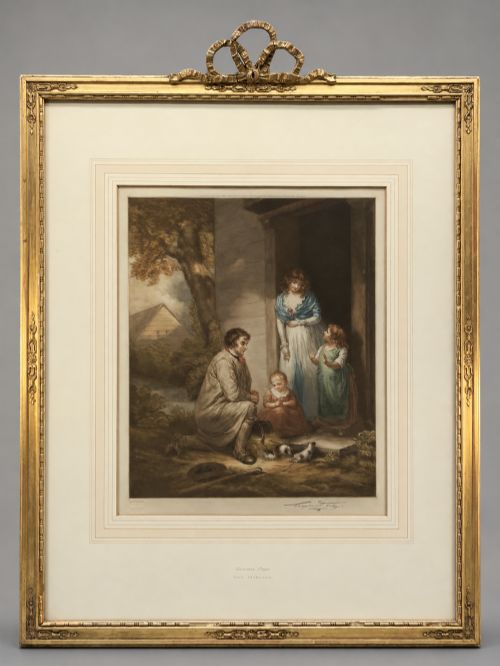
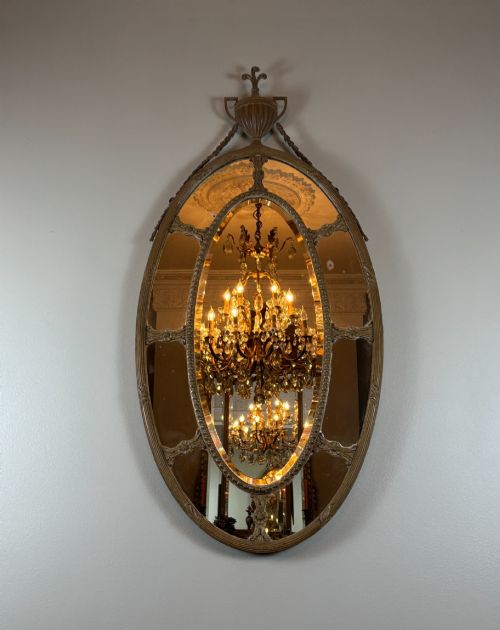
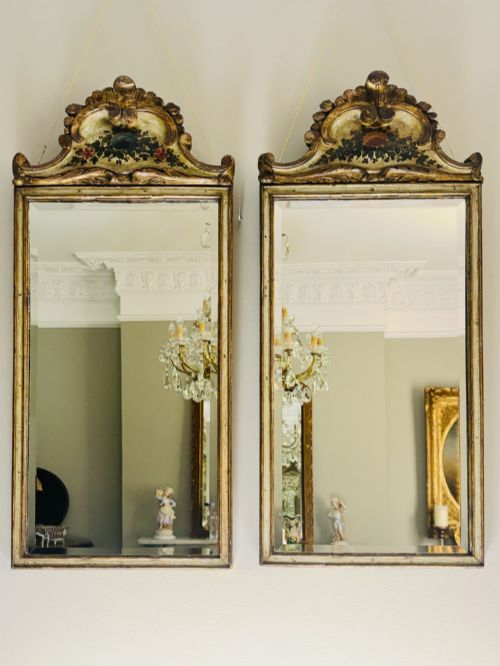
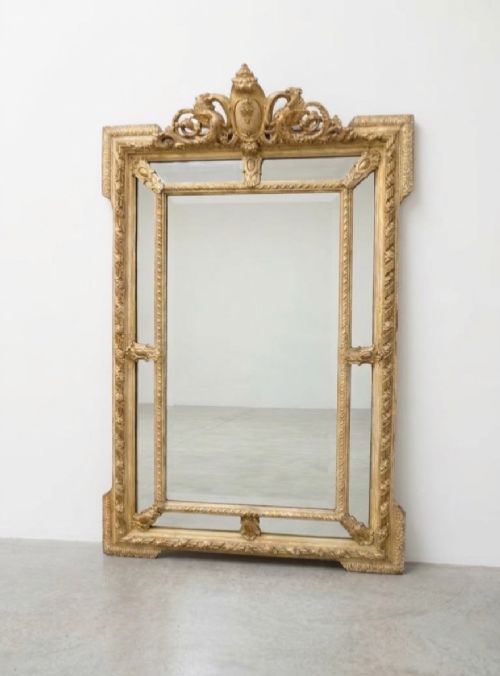
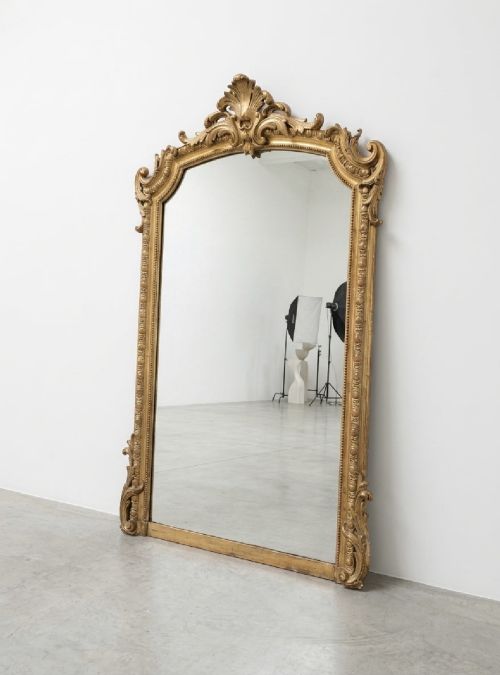
These gold leaf crest pieces comprise ornate mirrors and carved architectural elements bringing nineteenth-century splendour and gilt craftsmanship directly into modern interiors.
Gold Leaf Crest
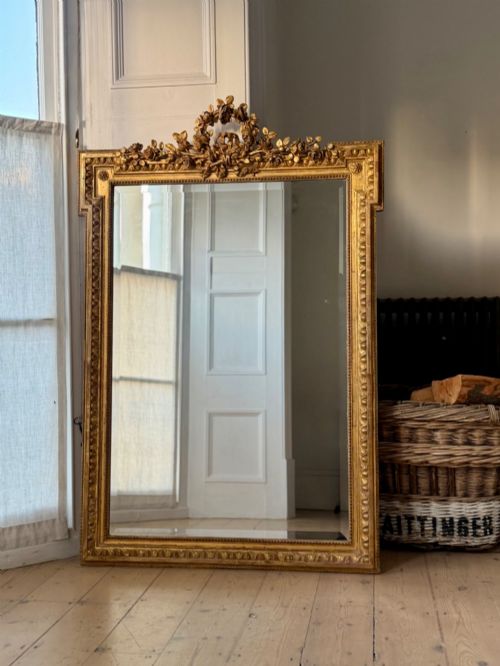
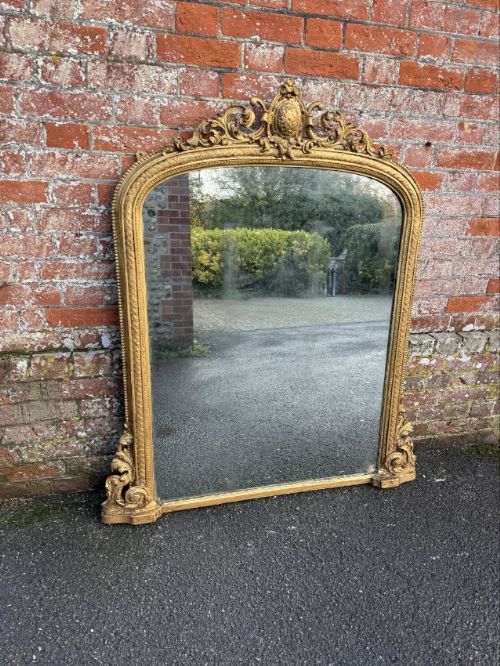
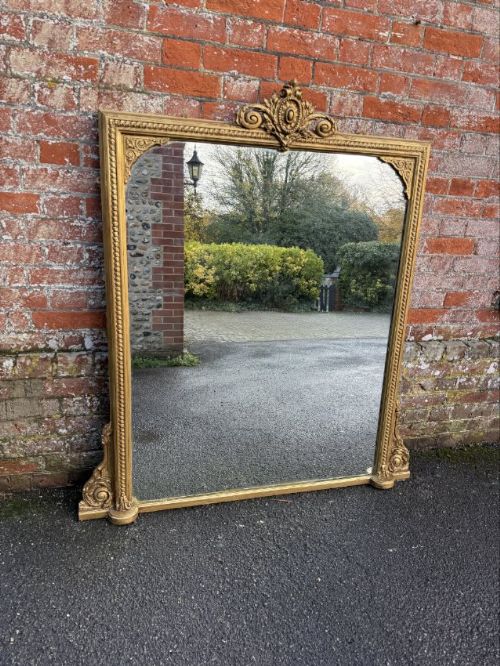
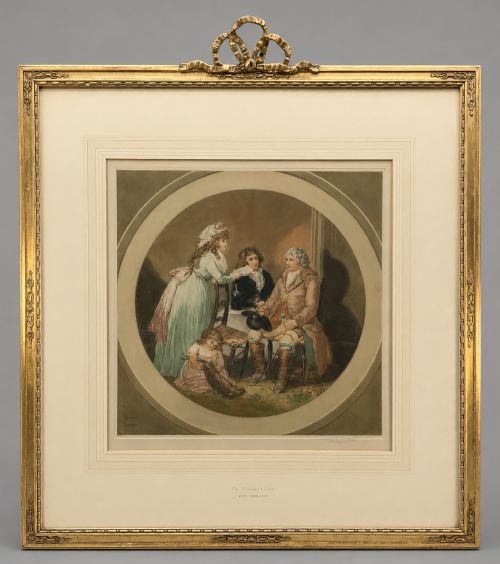
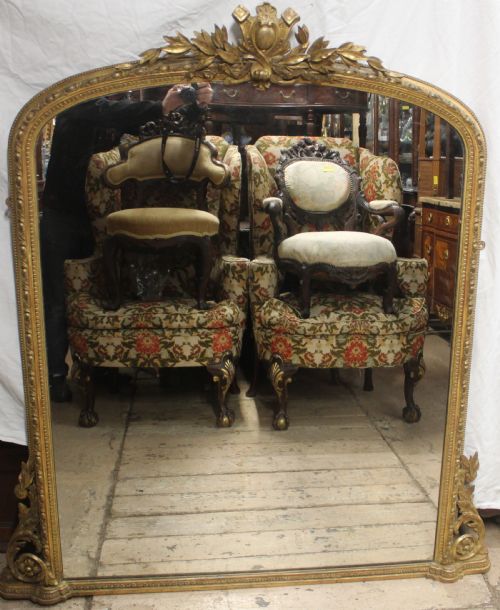
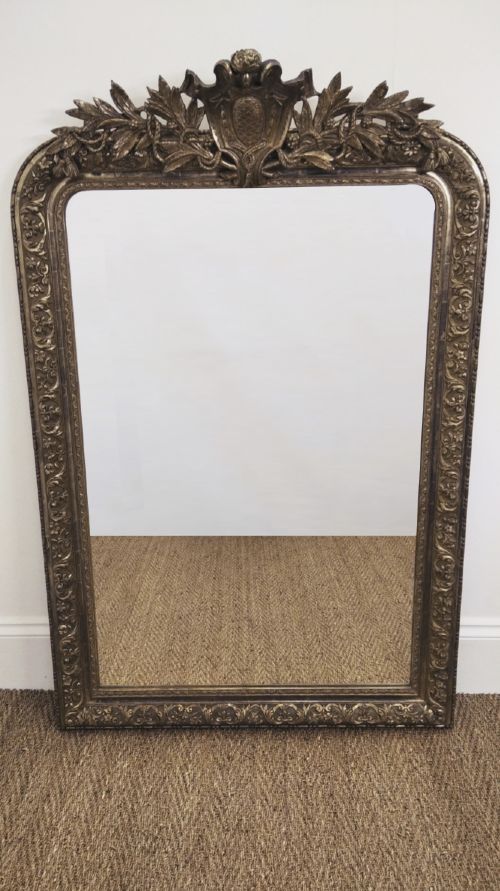
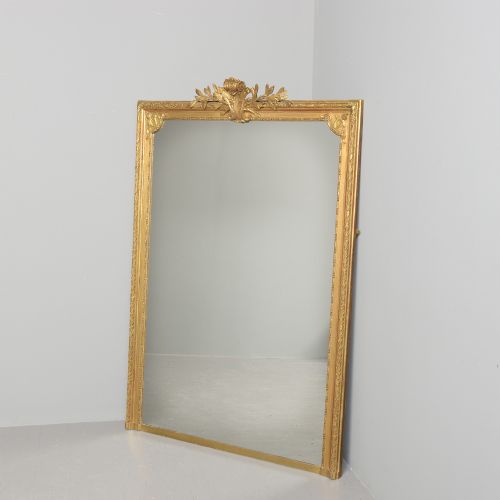
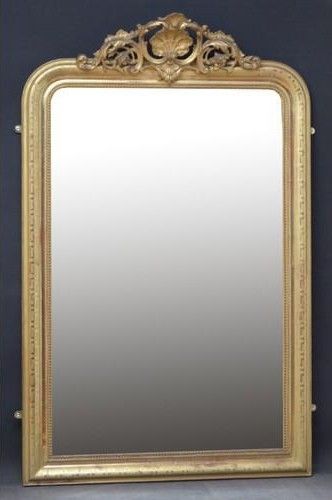
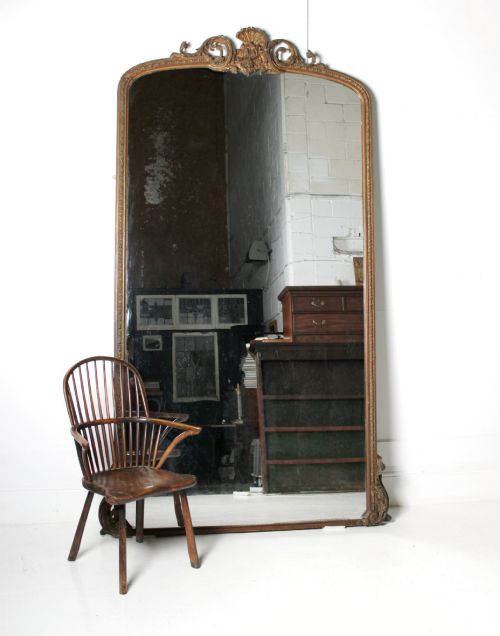
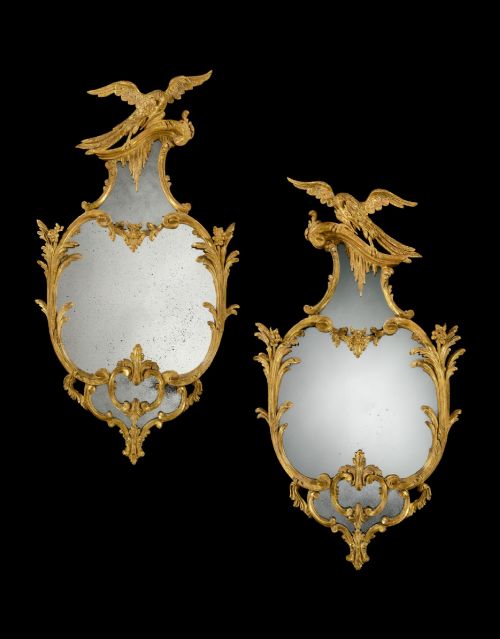
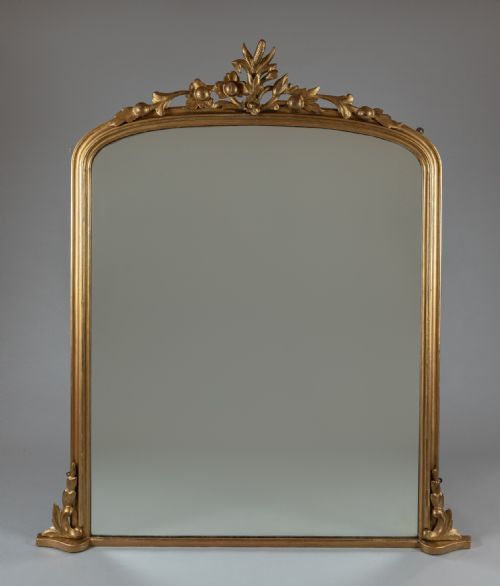
A gold leaf crest search uncovers a striking array of mirrors and architectural fragments dominated by nineteenth-century French and English pieces. Buyers encounter grand overmantel mirrors, tall wall mirrors, and pier mirrors adorned with pierced foliage, ribbon details, or sculptural wooden crests.
The prevailing forms span Regency convex glasses, Victorian arch-top designs, and French Louis Philippe or Napoleon III styles. Giltwood and gesso frames take centre stage, offering substantial visual weight and historical character suited to principal reception rooms.
Materials and construction
Carved wood and gesso provide the sculptural foundation for these gilded objects, allowing intricate relief work on frames and upper crests. Artisans applied thin layers of gold leaf over preparation layers, sometimes water gilding to achieve contrasting matte and burnished surfaces.
Mirrors utilise either early mercury glass plates showing characteristic foxing or later bevelled glass. Frames incorporate solid wood components alongside moulded composition ornament to build complex architectural and floral profiles.
Gold Leaf Crest Retail Price Guide 2026
Typical asking prices for gold leaf crest among the pieces listed under this phrase on Sellingantiques today, from the lower quarter to the upper quarter. They describe what is for sale here now, not the wider market.
Some nineteenth-century mirrors proudly wear Masonic symbols within their gilded crests, watching over nineteenth-century boardrooms.
Assessing the craftsmanship
Quality reveals itself in the depth and sharpness of the hand-carved wooden relief work compared to repetitive moulded composition. Crisp detailing along the crest and well-executed joinery distinguish superior workshops from standard commercial production.
The integrity of the original gilding and the preservation of authentic mirror plates dictate the standing of a piece. Depth in the gold leaf finish and untouched historical surfaces elevate an item above heavily restored alternatives.
Arsène Rochette
The Gold Leaf Crest Glossary
- Gesso
- A plaster-like mixture applied to wood frames to create a smooth surface for gilding. Artisans carved intricate details directly into this ground layer before applying gold leaf.
- Overmantel mirror
- A large horizontal mirror designed specifically to hang above a fireplace mantelpiece. These pieces frequently incorporate elaborate crests to fill vertical space on the wall.
- Mercury glass
- An early type of mirror glass created by pouring a liquid mercury amalgam between two sheets of glass or coating the back. It produces a distinctive mottled reflection with dark spots.
- Pier glass
- A tall narrow mirror made to hang on the wall space between two windows. They often match console tables and feature decorative crests.
- Water gilding
- A traditional technique using water-based size to apply gold leaf, allowing portions of the metal to be highly polished with an agate stone. This method creates a brilliant contrast against matte areas.
Gold Leaf Crest: Frequently Asked Questions
How do I hang a heavy gold leaf crest mirror?
Substantial giltwood mirrors require professional installation using heavy-duty wall anchors secured directly into masonry or structural studs. Weight distribution across multiple fixing points protects both the frame and the wall.
Because antique frames and crests can be exceptionally heavy, avoid relying solely on decorative picture wire. Using a French cleat system provides stable support for large overmantel mirrors.
Where should I place an overmantel mirror?
Traditionally positioned above a fireplace, an overmantel mirror anchors the room and reflects light across the space. Placing one opposite a window maximises natural brightness.
Ensure the width of the mirror aligns harmoniously with the mantelpiece or surrounding furniture below it. Proper proportion prevents the ornate crest from overwhelming the architectural scale of the room.
How do I clean antique giltwood and glass?
Dust giltwood frames gently with a dry, soft brush, avoiding any moisture or chemical cleaners that can strip delicate gold leaf. Preserving the original surface requires minimal physical intervention.
Clean mirror glass carefully using a soft cloth and non-ammonia cleaner sprayed onto the cloth rather than directly onto the glass. This prevents liquid from seeping behind the plate and damaging old mercury backing or silvering.
What defines the French Napoleon III style?
The Napoleon III period embraces eclectic revivals of past French royal aesthetics, particularly Louis XIV, XV, and XVI designs. Expect theatrical ornamentation, rich gilding, and prominent floral or ribbon crests.
Pieces from this era often combine traditional craftsmanship with confident proportions suited to grand nineteenth-century interiors. They bring a sense of opulent French chateau styling to contemporary settings.