





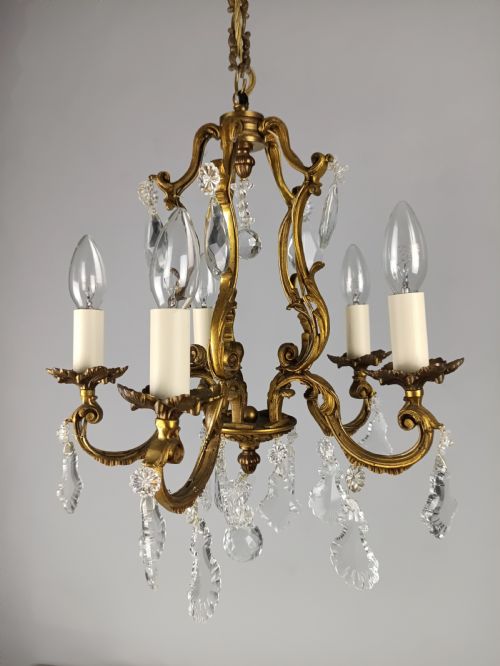
Gold Crystal Pendant Lamp
A gold crystal pendant lamp brings dramatic illumination and historic presence to a room, combining glittering glass drops with gilded metal frames.
Gold Crystal Pendant Lamp
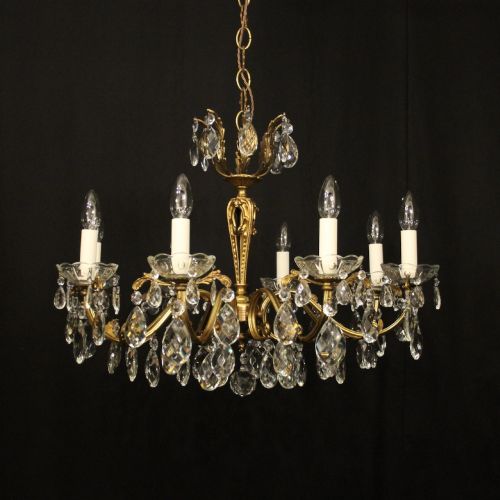
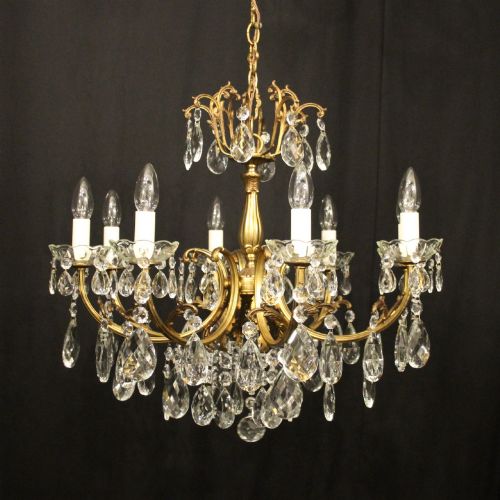
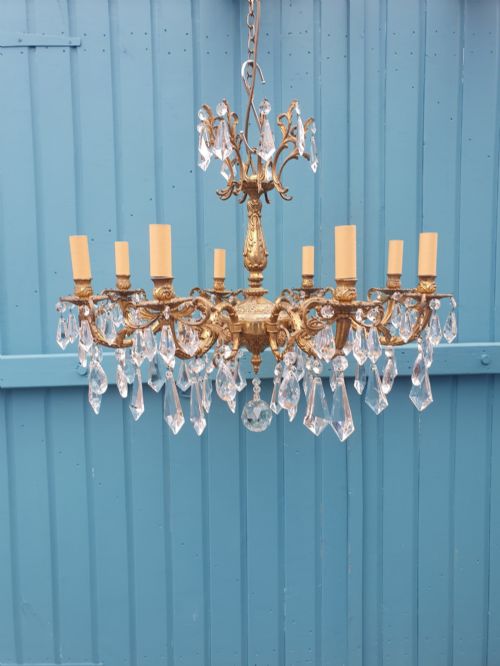
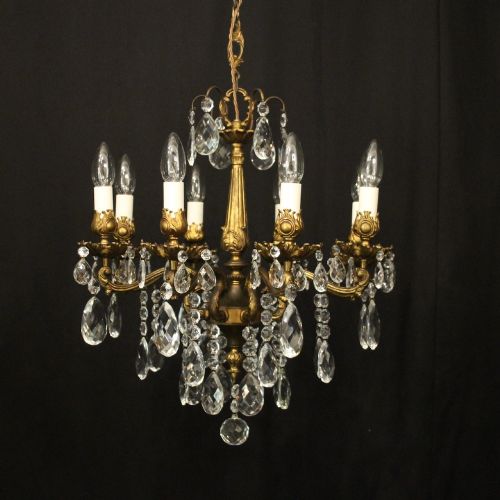
A gold crystal pendant lamp typically manifests in this selection as an ornate antique chandelier or ceiling light, drawing heavily on French and Italian stylistic traditions. These overhead fixtures span from the eighteenth century through the Edwardian era and the early twentieth century, capturing distinct historical periods of interior decoration.
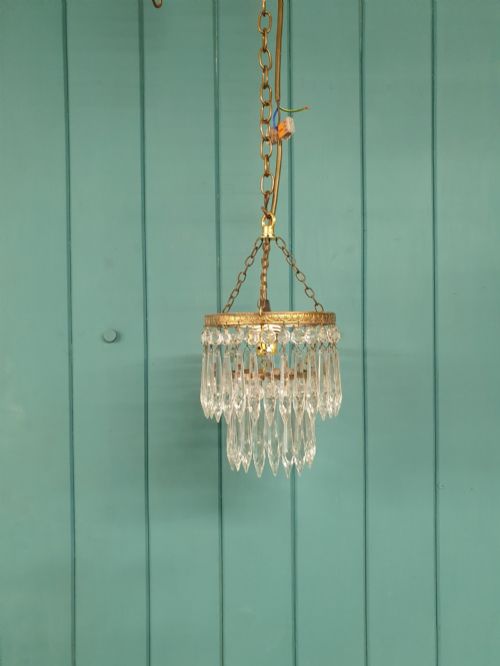
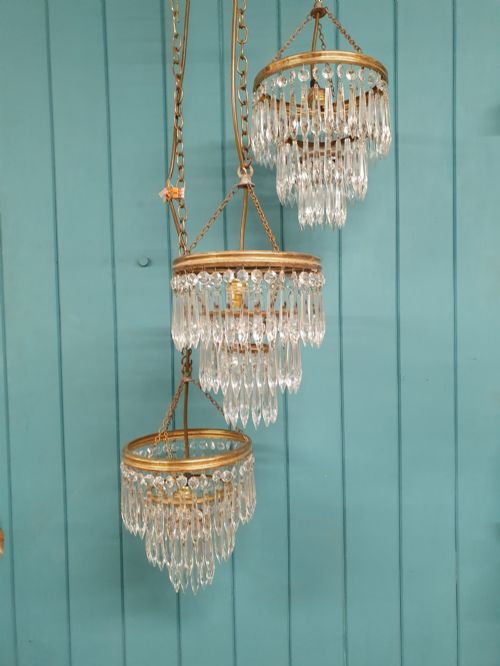
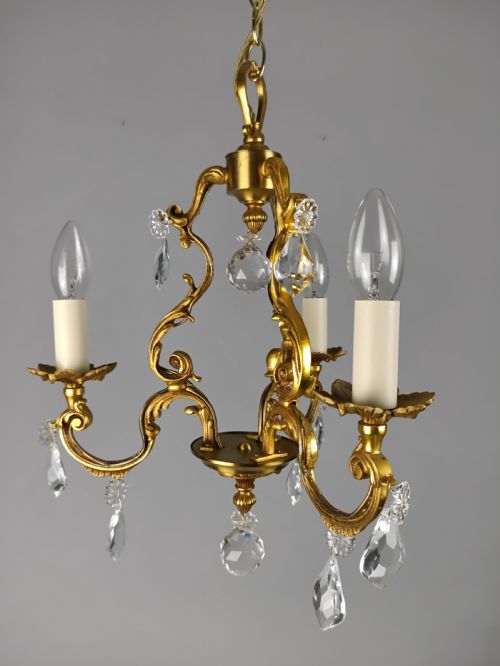
The physical forms vary from multi-light tent and waterfall configurations to smaller single-arm drop chandeliers and ceiling-mounted plafonniers. Pieces frequently incorporate decorative figures, such as flying cherubs, alongside substantial arrays of cut glass and crystal elements.
Originating largely from continental workshops, these luminaires reflect regional preferences like French Empire symmetry or Florentine floral ornamentation. Buyers encounter everything from modest six-inch fixtures to massive eighteenth-century electroliers designed for high-ceilinged formal spaces.
Materials and construction methods
The structural framework of these lamps relies on cast and chased metals including brass, bronze, ormolu, and gilt metal, which provide a robust metallic armature. Artisans applied thin layers of gold leaf or gilding to these surfaces to create a warm, reflective sheen.
Illumination is filtered and multiplied through extensive applications of cut glass, cut crystal, and individual glass drops suspended from the metal body. These transparent pendants and spikes were meticulously wired or pinned to the frame to catch and refract light from multiple internal bulbs.
Gold Crystal Pendant Lamp Retail Price Guide 2026
Typical asking prices for gold crystal pendant lamp among the pieces listed under this phrase on Sellingantiques today, from the lower quarter to the upper quarter. They describe what is for sale here now, not the wider market.
Flying cherubs occasionally share the brass framing with cut glass spikes, guarding the illumination from above.
Quality factors in antique lighting
The calibre of a fixture is determined by the crispness of the metal casting and the complexity of the gilt work. Finely chased bronze and substantial ormolu retain sharp relief and deep coloration compared to simpler stamped or plated brass frames.
The brilliance and cutting style of the glass components heavily influence the overall execution. Deeply hand-cut crystal drops and complex faceted prisms refract light with greater clarity and weight than pressed or moulded glass alternatives.
Baccarat
The Gold Crystal Pendant Lamp Glossary
- Chandelier
- A branched decorative ceiling fixture designed to hold multiple light sources and suspend them above a space.
- Ormolu
- Finely ground high-carat gold applied to a bronze base, creating a rich metallic finish characteristic of high-end French decorative arts.
- Plaffonier
- A ceiling-mounted light fixture designed to sit close to the plasterwork rather than hanging on a long suspension chain.
- Tent and waterfall
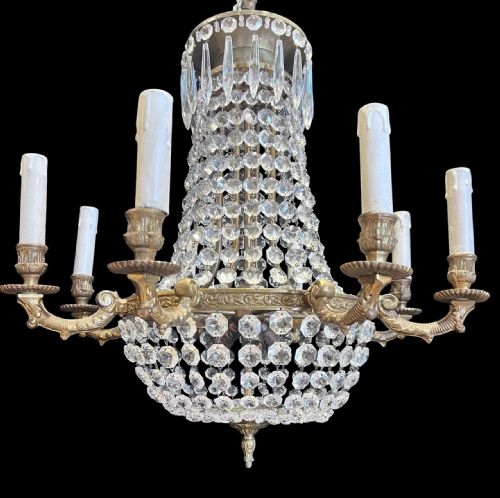
- A specific configuration where upper strings of beads form a conical tent shape that flows down into a tiered waterfall of crystal drops.
- Spike chandelier
- A compact fixture characterised by sharp, protruding crystal elements or glass spikes arranged around the central body.
Gold Crystal Pendant Lamp: Frequently Asked Questions
How are these chandeliers powered today?
Most antique fixtures found on the market have been adapted for modern electrical standards while retaining their historic metalwork and glass components.
Rewiring is typically performed to ensure safety, allowing these heritage pieces to function as reliable primary light sources in contemporary homes.
Where should a chandelier be hung?
These pieces suit high-ceilinged reception rooms, dining areas, or grand hallways where their scale and reflective glass drops can command the space.
Proper clearance is essential, ensuring the lower drops sit safely above head height while remaining a striking visual centrepiece.
How do I identify an Empire style piece?
Empire style fixtures often feature architectural symmetry, classical ornamentation, and characteristic tent and waterfall drop arrangements.
Originating during the early nineteenth-century French periods, they prioritise formal geometry and restrained classical proportions over elaborate rococo curves.
What distinguishes French rococo revival lighting?
Rococo revival pieces display asymmetrical ornamentation, flowing botanical motifs, and exuberant scrolling gilt bronze framing.
These designs embrace theatrical movement, frequently incorporating playful sculptural elements like cherubs alongside cascades of cut crystal drops.