

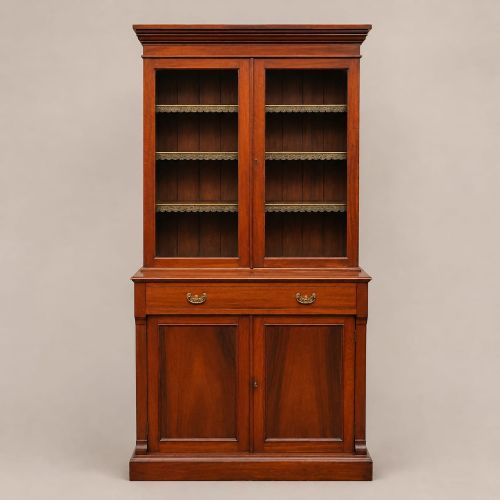
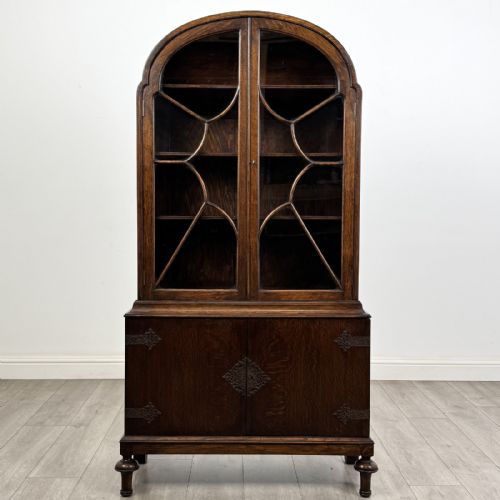
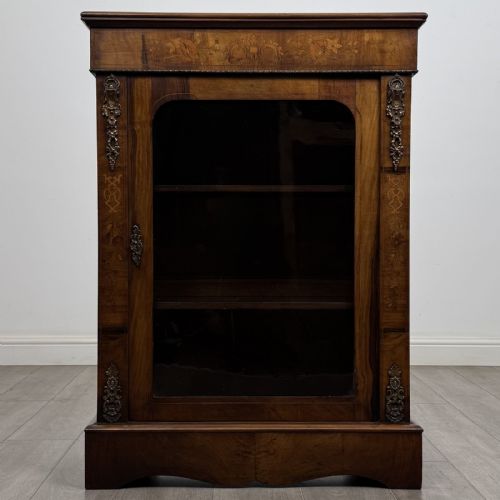
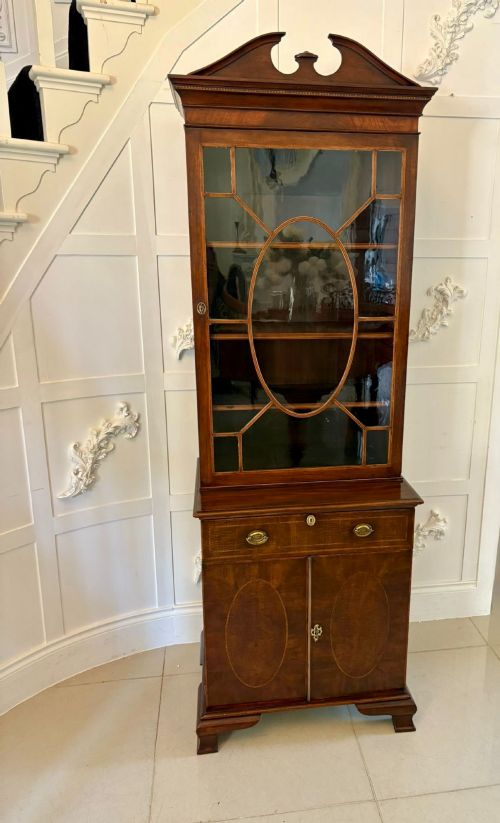
Glazed Door Display Cupboard
A glazed door display cupboard brings timber and glass together to shelter books and china while keeping them in plain sight.
Glazed Door Display Cupboard
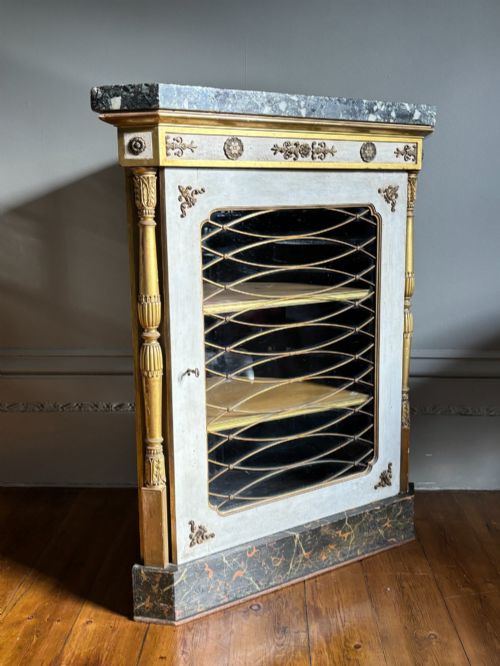
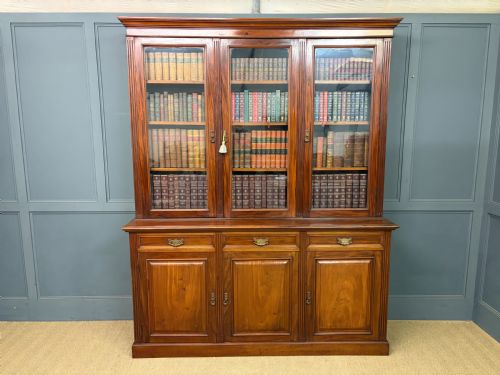
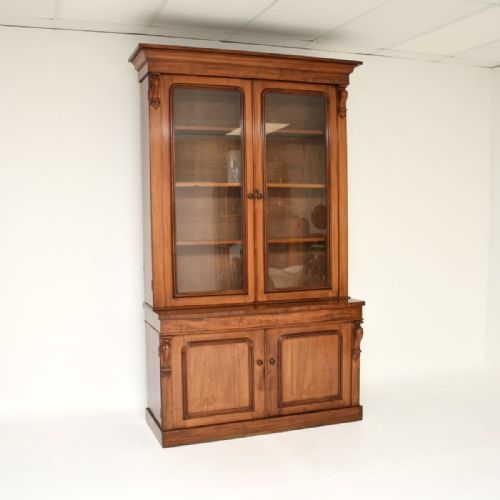
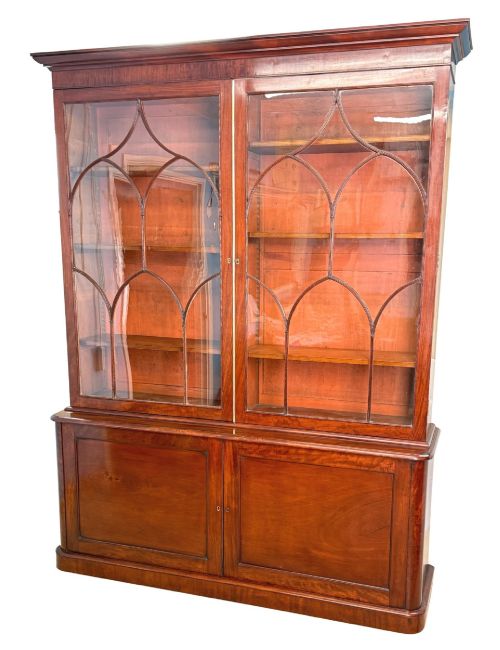
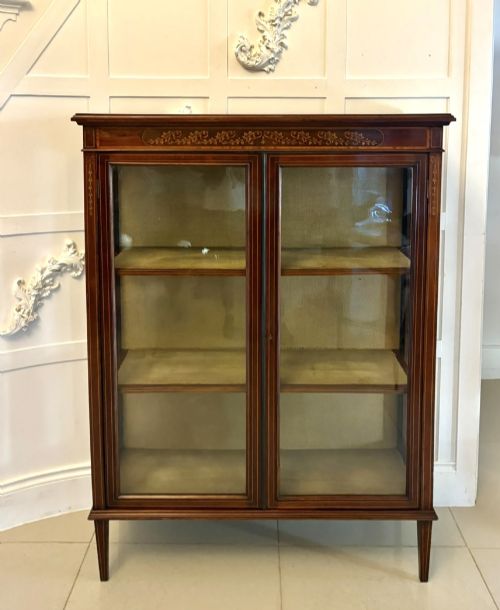
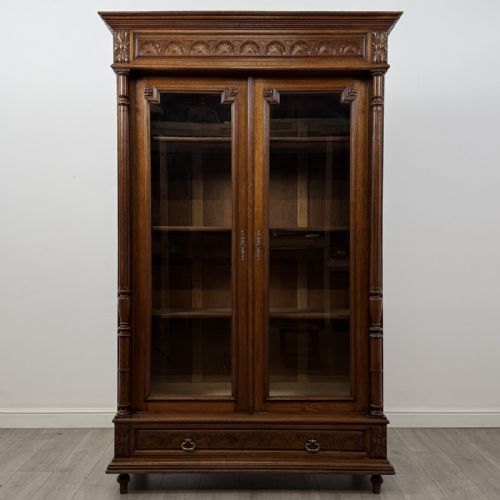
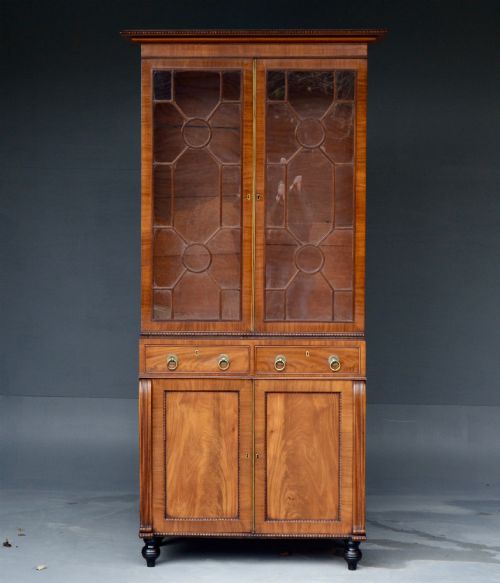
A glazed door display cupboard functions primarily to showcase and protect prized objects, moving from intimate wall-mounted units to substantial two-part bookcases. These pieces span several distinct eras, appearing frequently in Victorian, Edwardian, and Regency iterations.
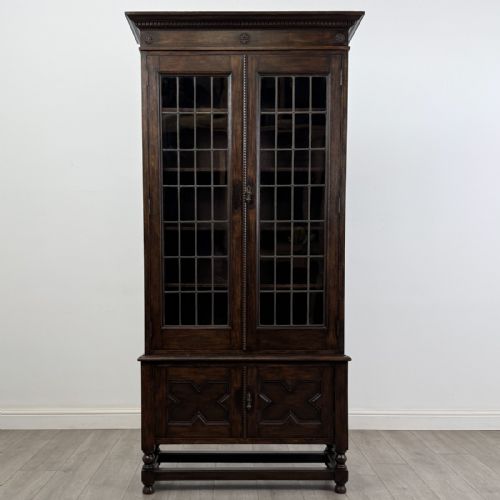
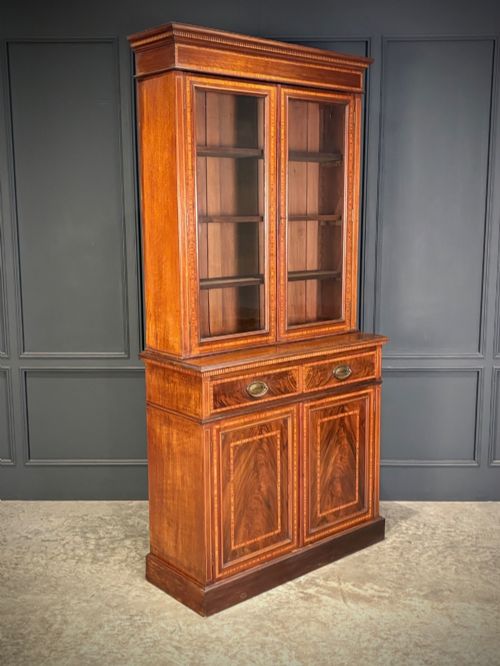
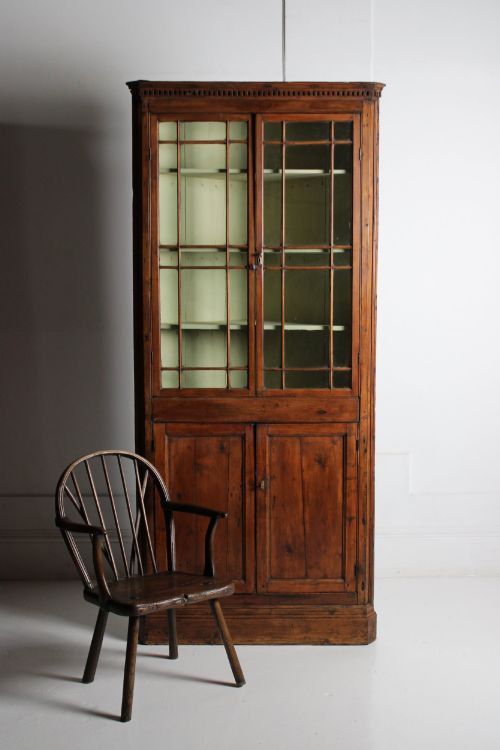
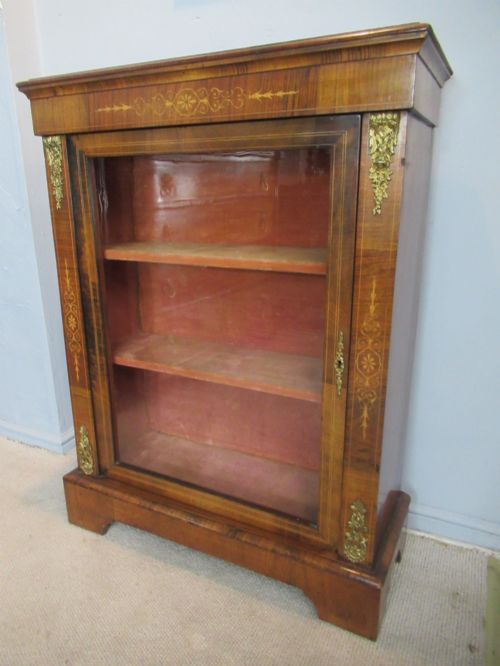
The objects take various structural forms within the listings, including freestanding pier cabinets, library bookcases, and wall-mounted cabinets. Mahogany, oak, and walnut dominate the construction, often enhanced with glass panels and brass hardware.
Buyers encounter numerous stylistic revivals, from Georgian and Chippendale styles to Arts and Crafts and Jacobean Revival interpretations. The common thread remains the transparent door, which reveals the shelving or interior fabric lining behind.
How they were made
Cabinet makers relied heavily on dense hardwoods such as mahogany, oak, and walnut, occasionally incorporating burr veneers or rosewood for decorative impact on primary surfaces. Pine and fabric appear supplementary, used for interior construction or backing panels.
Joinery techniques united solid timbers and framed glass doors, integrating brass fittings, inlaid stringing, and carved details into the architectural facades of bookcases and display cabinets.
Glazed Door Display Cupboard Retail Price Guide 2026
Typical asking prices for glazed door display cupboard among the pieces listed under this phrase on Sellingantiques today, from the lower quarter to the upper quarter. They describe what is for sale here now, not the wider market.
One unexpected survival is an opticians cabinet, proving that glazed doors were trusted just as much with spectacles as with fine china.
What varies in quality
The refinement of timber selection dictates much of the visual hierarchy, distinguishing plain utility items from pieces utilising burr walnut, figured mahogany, or intricate marquetry inlay. Subtle details such as dentil cornices, carved panels, and astral glazing bars elevate the standard of manufacture.
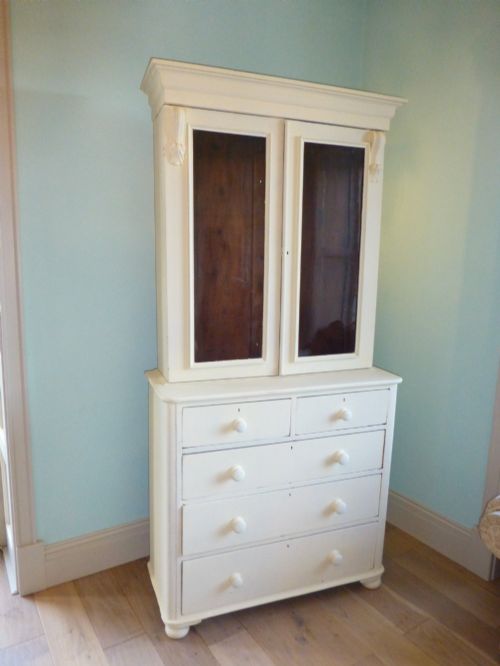
Proportion and stylistic cohesion separate standard production furniture from ambitious revival pieces, particularly when comparing simpler Edwardian oak cabinets to substantial Regency library bookcases or satinwood-painted creations.
The Glazed Door Display Cupboard Glossary
- Pier cabinet
- A low freestanding cabinet designed to fit the narrow wall space between windows, frequently featuring a glazed door and walnut or mahogany veneers.
- Astral glazing
- A method of dividing a glass door into smaller panes using slender wooden bars, common in bookcase and display cabinet design.
- Dentil cornice
- A decorative horizontal moulding punctuated by a series of small square blocks resembling teeth, often seen along the upper edge of tall cabinets.
- Secretaire bookcase
- A tall cabinet incorporating a pull-down writing drawer concealed behind the main facade, positioned above shelving or cupboard doors.
- Inlay
- The technique of embedding contrasting strips of wood or metal into the primary timber surface to form decorative geometric or floral patterns.
Glazed Door Display Cupboard: Frequently Asked Questions
Where should I place a display cabinet?
These cabinets suit dining rooms, living spaces, or studies where glass doors protect contents from dust while allowing full visibility.
Position them away from direct sunlight to preserve timber tones and any interior fabric linings.
How do I clean the wood and glass?
Dust timber surfaces regularly with a soft, dry cloth and apply occasional appropriate wax to maintain the finish.
Clean glass panels with a mild solution, taking care to keep moisture away from wooden frames and brass fittings.
Are shelves adjustable in older cabinets?
Many period pieces feature fixed wooden shelving systems built directly into the structural interior.
Later Edwardian and twentieth-century examples occasionally introduce simpler adjustable brackets, though original configurations should be verified.
How do I tell Victorian from Edwardian styles?
Victorian pieces tend to employ heavier timbers like dark mahogany and burr walnut with dense carving and formal proportions.
Edwardian cabinets frequently show lighter oak or satinwood finishes, sometimes incorporating painted motifs and simpler Arts and Crafts influences.