
Glazed Cabinet with Cupboard
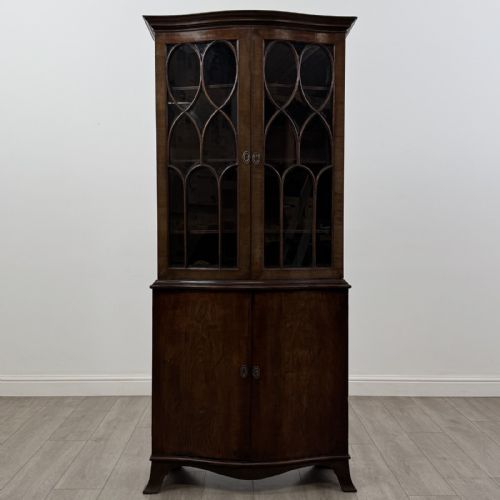
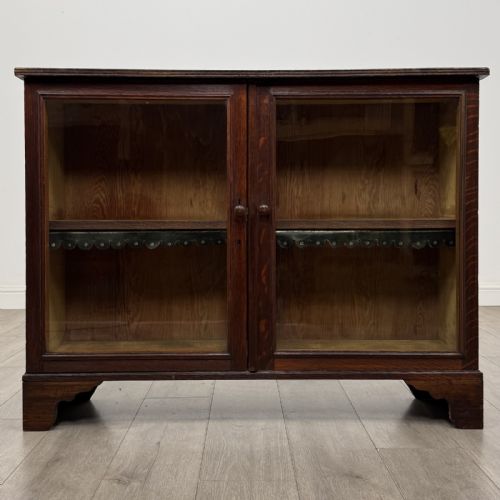
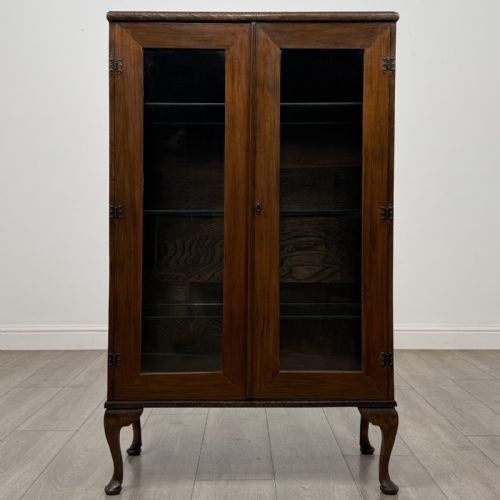
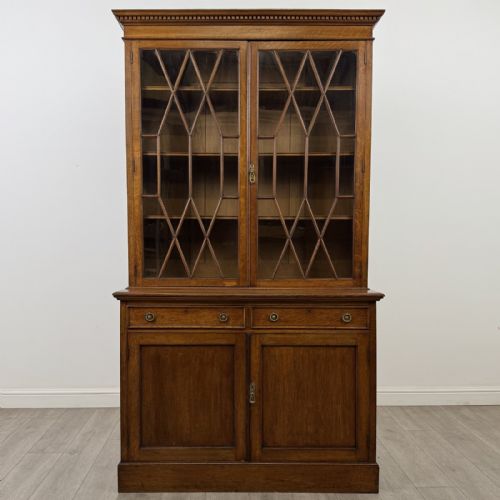
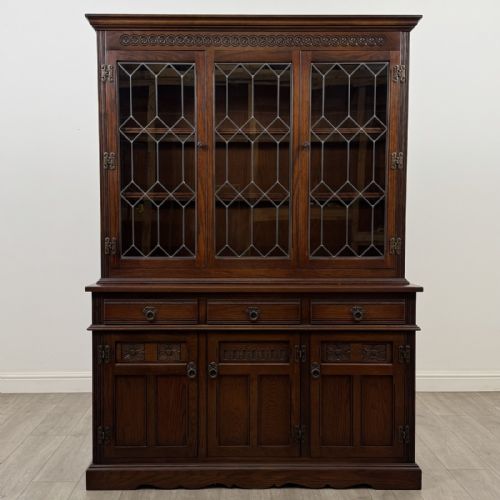
A glazed cabinet with cupboard combines upper display glass with lower concealed storage, offering a practical display surface alongside enclosed shelf space.
Glazed Cabinet with Cupboard
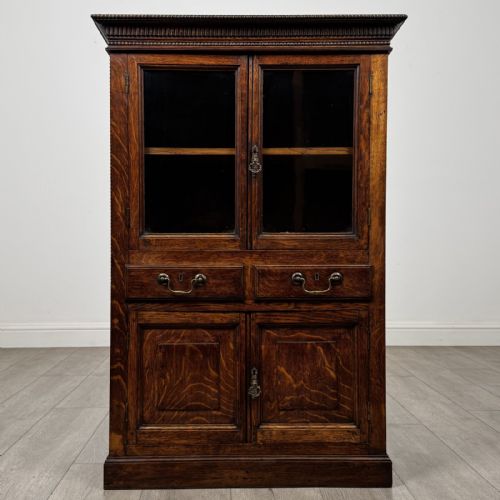
A glazed cabinet with cupboard serves as a dual-purpose storage piece, typically uniting an upper glass-fronted section for books or display with solid lower doors concealing a cupboard. These items span Victorian, Edwardian, and Georgian eras, alongside various nineteenth-century regional interpretations.
Most examples encountered on this page date from the Victorian and Edwardian periods, utilising timbers such as mahogany, oak, and pine. Common forms range from tall bookcases and breakfront libraries to corner cabinets and upright kitchen or dresser configurations.
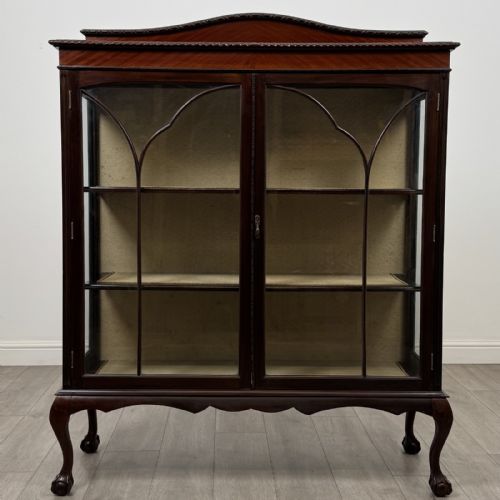
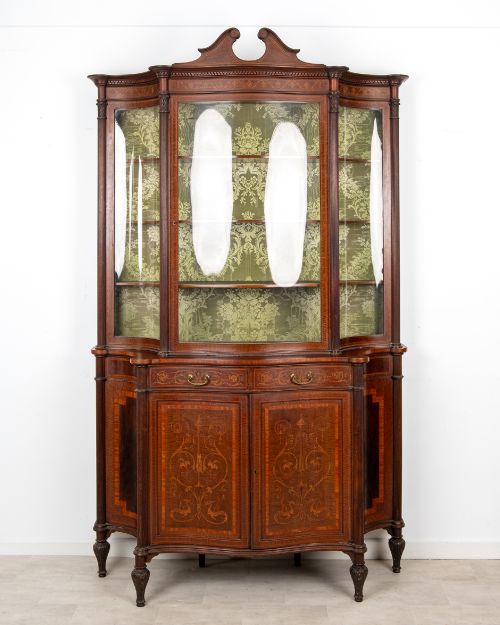
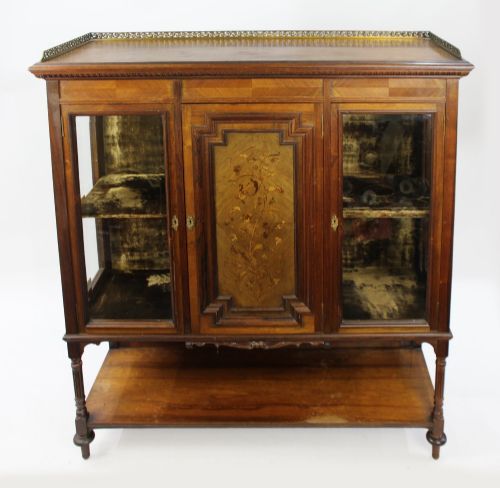
Makers and craftsmen applied distinct regional styles, from Scottish and Welsh country pieces to refined satinwood-inlaid Edwardian display cabinets. The lower cupboard component frequently anchors the piece visually while providing sturdy concealment for household items.
Materials and construction
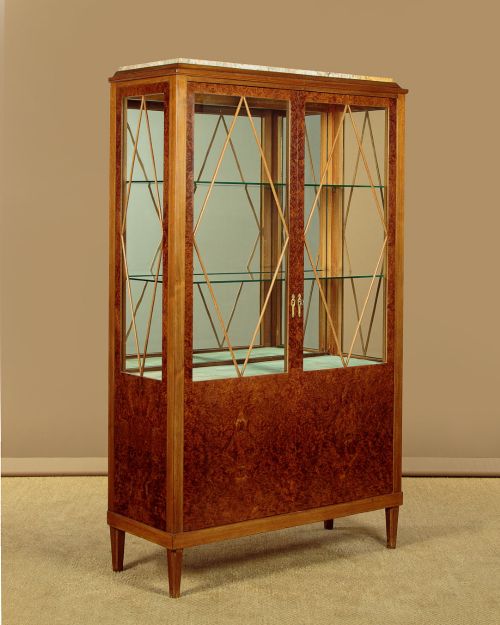
Construction relies heavily on traditional hardwoods and softwoods, with mahogany, oak, and pine appearing frequently across the inventory. Artisans also utilised walnut, satinwood, and kingwood veneers to face larger surfaces on formal display pieces.
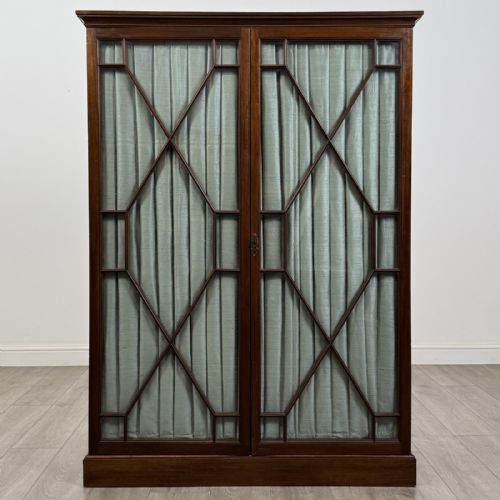
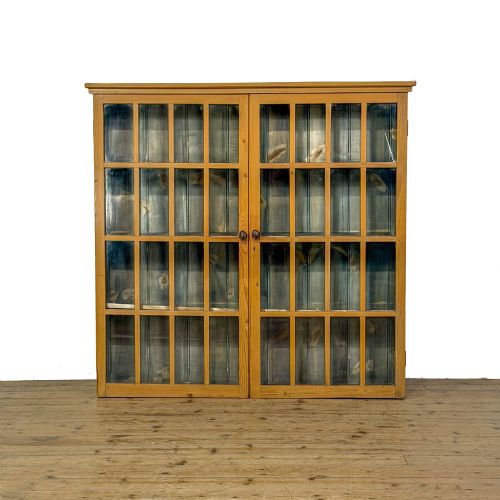
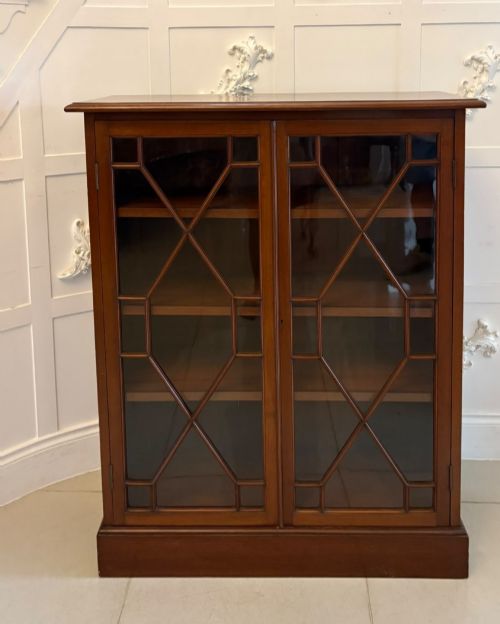
Glass panels are fitted into wooden doors using wooden glazing bars, sometimes arranged in geometric or astragal patterns. Brass hardware, ormolu mounts, and mirrored backs supplement the primary timber structures on select nineteenth-century and Edwardian models.
Periods represented span from the Georgian era through Victorian times and into the Edwardian and Art Deco twentieth century.
Assessing craftsmanship
Quality reveals itself in the selection of figured timbers, such as burr walnut or figured mahogany, and the precision of inlaid decorative details like satinwood stringing. Superior examples display refined proportions and balanced grain alignment across doors and panels.
The integration of secondary materials like ormolu mounts, gilt brass, and marble tops distinguishes high-end French and English revival pieces from utilitarian pine or oak storage furniture. Interior fittings, including adjustable shelving and painted finishes, further indicate the original tier of production.
Maple & Co.
The Glazed Cabinet with Cupboard Glossary
- Astragal glazing
- Wooden framework bars that hold individual panes of glass within a cabinet door. These strips often form intricate geometric patterns across Edwardian and Georgian display fronts.
- Breakfront
- A cabinet design where the central section projects forward from the flanking wings. This architectural arrangement adds depth and visual weight to large libraries.
- Ormolu
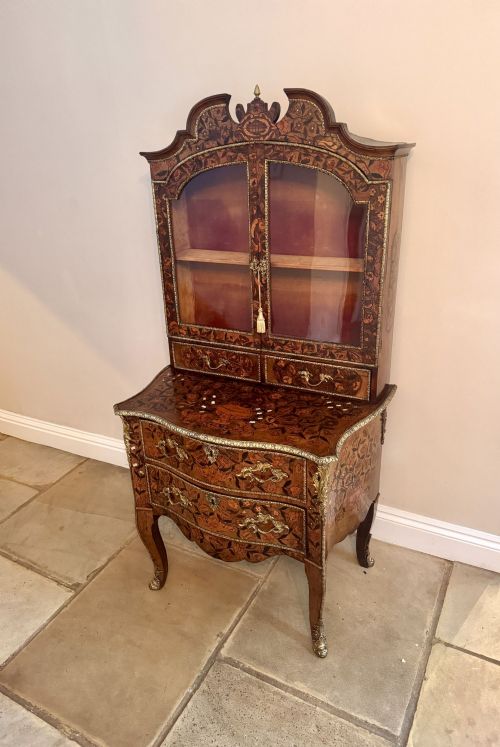
- Gilt-bronze decorative mounts applied to nineteenth-century French and English furniture. The technique involves fusing gold to a bronze base.
- Marquetry
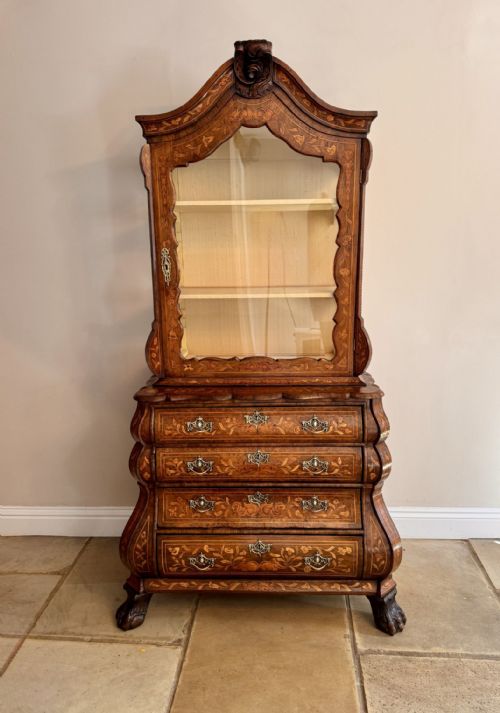
- Decorative veneer patterns formed by fitting together thin pieces of wood or other materials. Birds-eye maple and various contrasting timbers create pictorial or geometric designs.
- Serpentine
- A furniture front curving inward centrally and outward at the ends in a gentle wave shape. This undulating profile requires advanced woodworking skill.
Glazed Cabinet with Cupboard: Frequently Asked Questions
What is a glazed cabinet with cupboard?
A glazed cabinet with cupboard is a storage furniture piece featuring transparent glass doors on the upper section and solid wooden doors below.
This combination allows for the display of books or porcelain while keeping utilitarian items hidden in the lower cupboard compartment.
How do I date an antique cabinet?
Dating relies on identifying the prevailing timber choices, hardware types, and stylistic motifs associated with specific historical periods.
Georgian and Victorian pieces often show denser hardwoods like mahogany, while Edwardian examples frequently incorporate satinwood inlay and lighter oak.
Where should I place a corner cabinet?
Corner cabinets are specifically constructed with angled backs to fit snugly into room junctions, making them efficient space-savers.
They work effectively in dining rooms or studies to utilise neglected architectural angles while providing accessible shelving.
Are shelves in these cabinets adjustable?
Many nineteenth and twentieth-century bookcases and display cabinets include movable shelving supported by wooden racks or metal pins.
This adjustability allows owners to modify the interior height spacing to accommodate varying book sizes or display items.