

Glass Bead Pendant Light
These glass bead pendant light selections bring together period illumination and hanging crystal craftsmanship.
Glass Bead Pendant Light
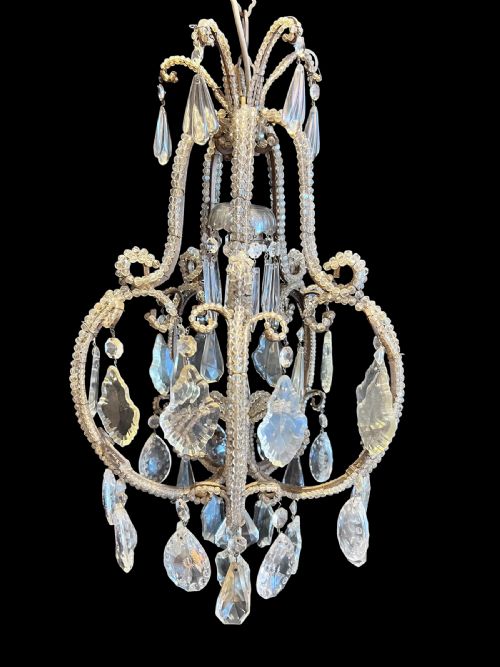
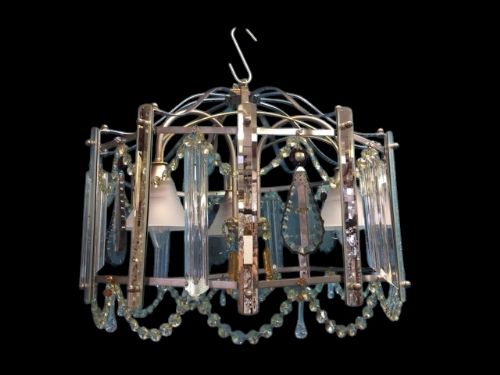
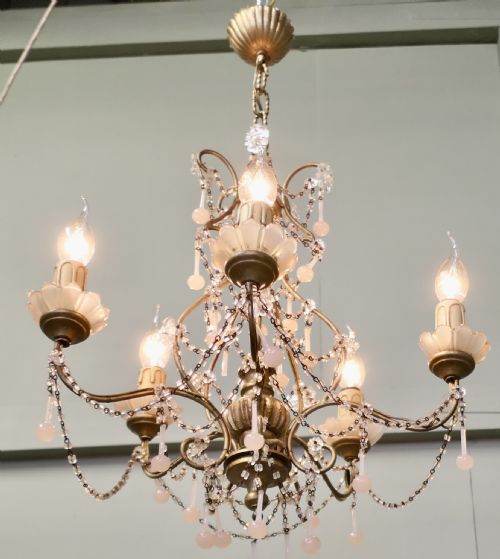
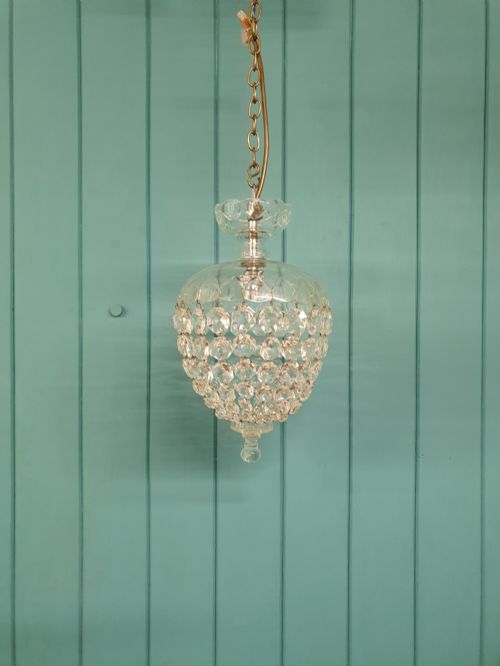
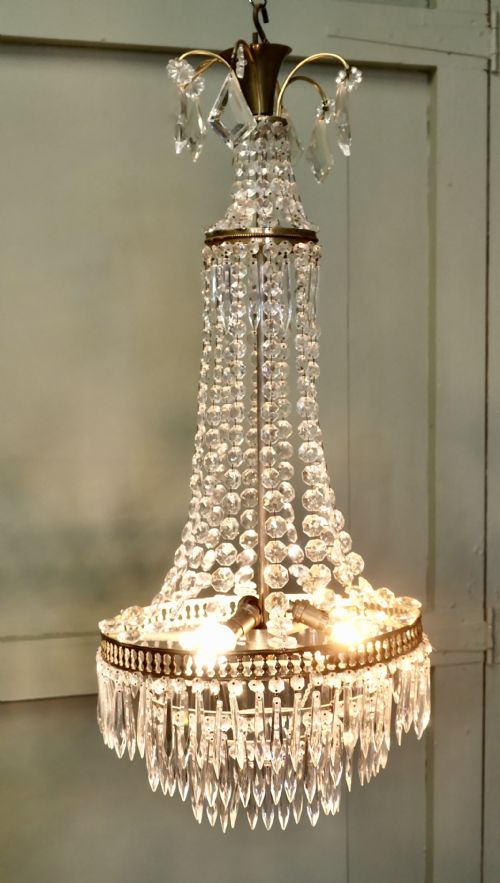
A glass bead pendant light typically manifests as a hanging fixture draped with crystal or cut glass elements, suspended from ceilings to cast refractive illumination. Buyers searching for a glass bead pendant light encounter variations ranging from compact bag chandeliers to extensive multitiered French Empire arrangements.
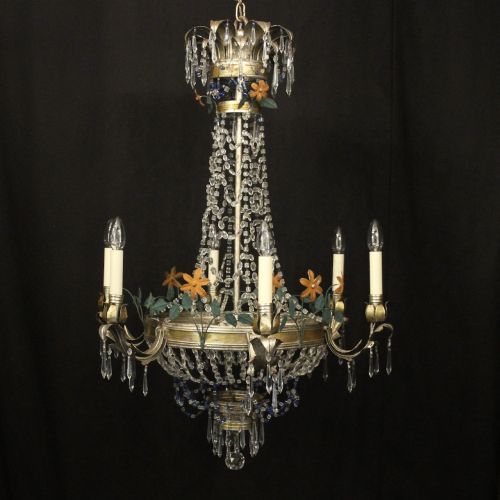
The objects appearing under this category span the Edwardian era through to the 1930s, encompassing styles such as French Chateau, Art Deco, and Italian Venetian. Most pieces rely on brass, gilt metal, or iron frames to support dense configurations of glass beads, prisms, and drops.
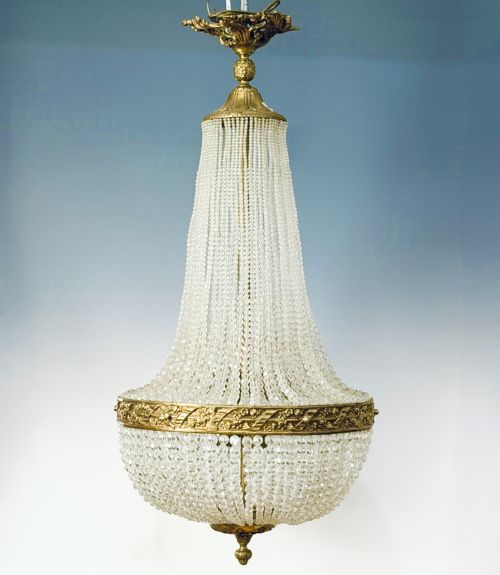
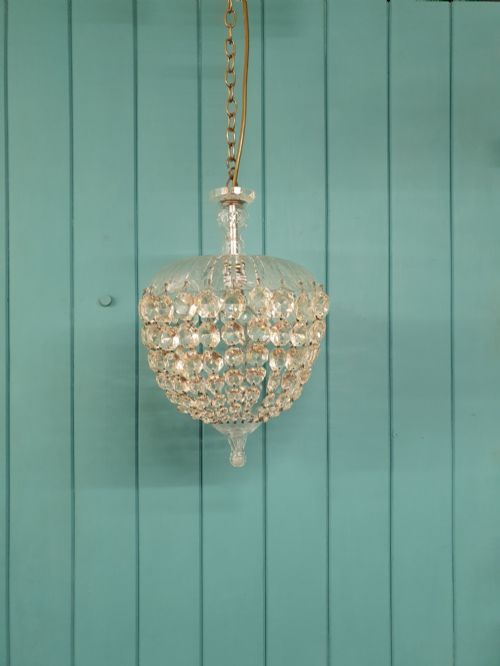
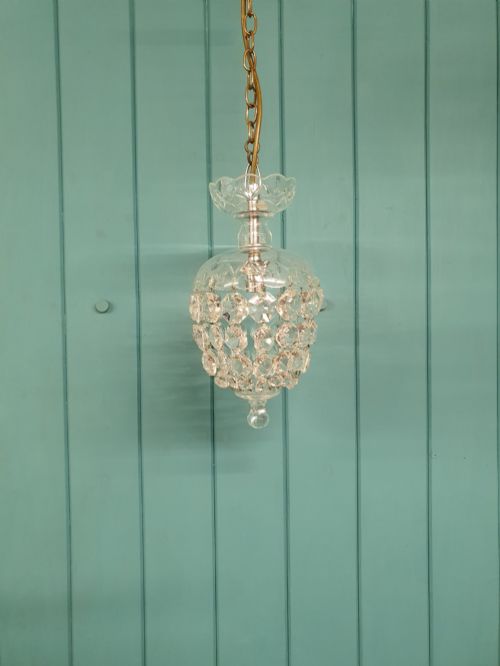
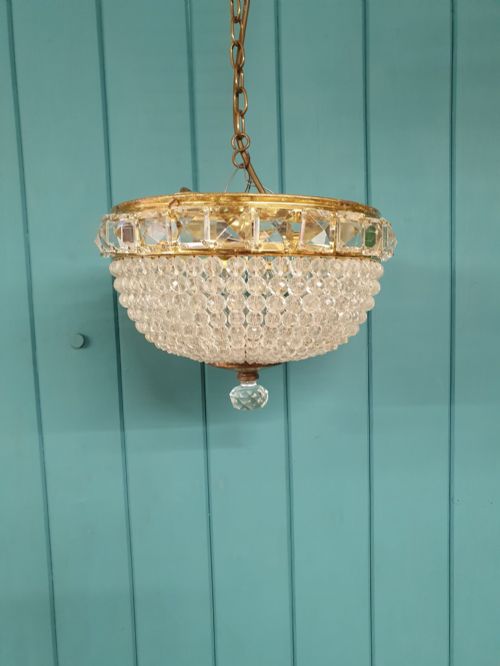
Formations include dome tops, tapered bag designs, and specialised configurations like galleon chandeliers or lanterns. These lighting instruments serve functional and decorative roles within domestic spaces, utilising suspended beads to scatter light across a room.
Materials and construction methods
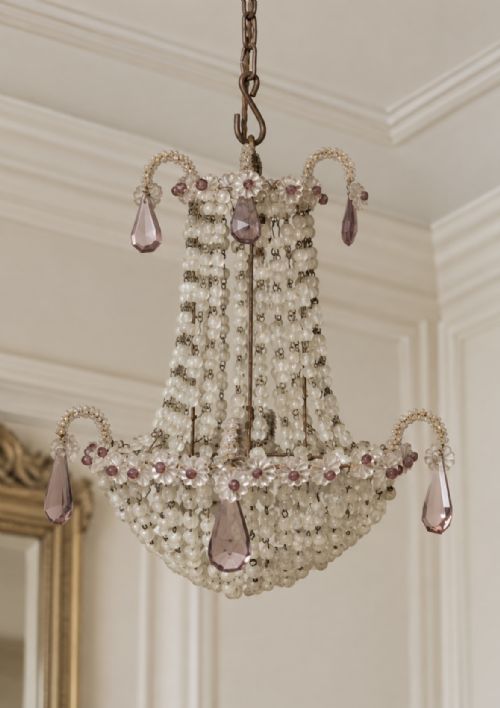
Metal frameworks formed from brass, gilt bronze, chrome, or wrought iron provide the structural skeleton for these fixtures. Artisans wired or pinned individual glass and crystal beads onto these metal armatures in intricate patterns such as tents, waterfalls, and swags.
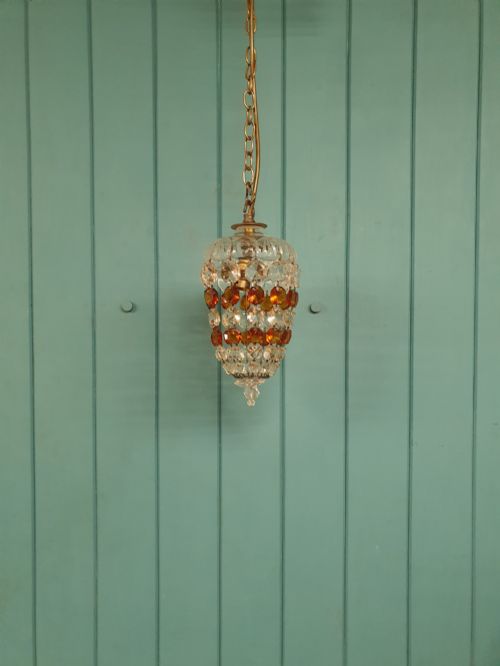
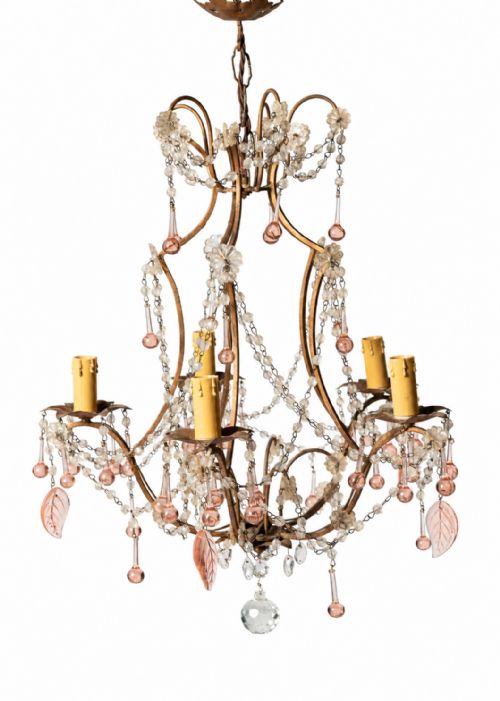
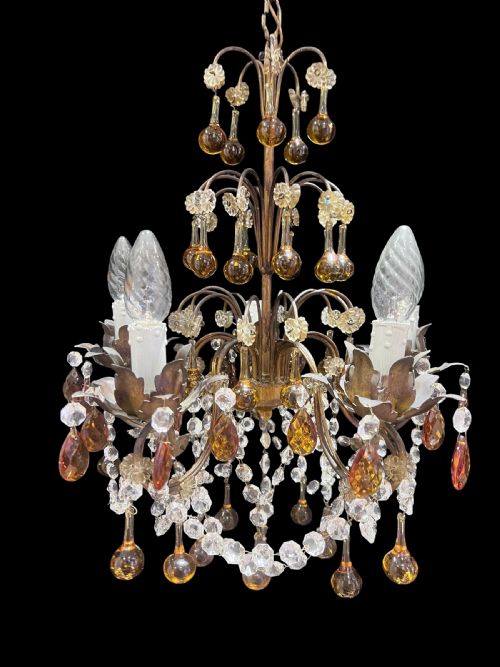
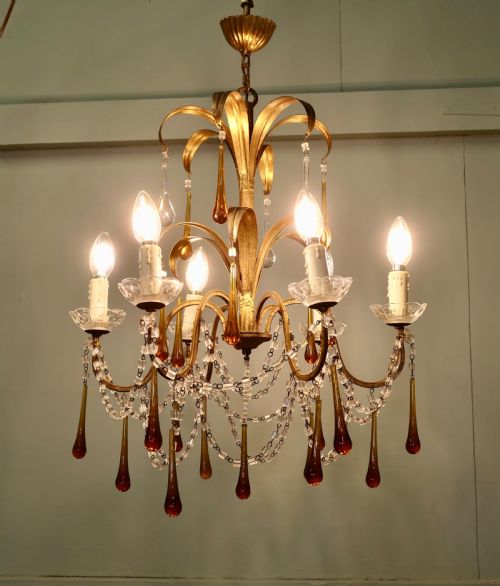
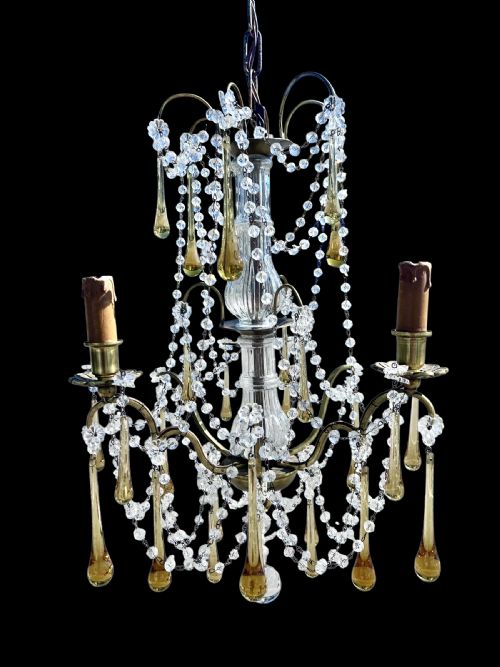
Cut glass and crystal components are shaped and faceted to maximise light refraction, frequently accompanied by coloured glass elements like amber drops, pink Venetian branches, or moulded crystal fruits.
Glass Bead Pendant Light Retail Price Guide 2026
Typical asking prices for glass bead pendant light among the pieces listed under this phrase on Sellingantiques today, from the lower quarter to the upper quarter. They describe what is for sale here now, not the wider market.
Listings incorporate materials spanning glass, crystal, brass, gilt metal, iron, and chrome across multiple European styles.
Quality factors in period hanging lights
The sophistication of the metalwork and the clarity of the glass dictate the standing of a piece. Substantial cast brass or gilt frames and heavy, hand-cut crystal drops separate finer examples from simpler wire and pressed-glass alternatives.
Cohesion of design also marks distinction, where uniform bead colour, complete prismatic drops, and balanced proportions demonstrate superior workshop execution.
Wedgwood
The Glass Bead Pendant Light Glossary
- Bag chandelier
- A lighting fixture featuring a flattened or tapered base where glass beads string downward in the shape of a purse or bag.
- Tent and waterfall
- A mounting style where strings of beads form an upper conical tent above a cascading flow of crystal drops.
- Prism
- A cut glass pendant designed to refract light into spectral colours, suspended from the arms or frame of a chandelier.
- Gilt bronze
- An alloy treated with a gold coating, frequently utilised for ornamental metal mounts on period lighting.
- Toleware
- Enamelled sheet metal painted in various hues, occasionally incorporated into the decorative structure of early lighting.
Glass Bead Pendant Light: Frequently Asked Questions
What periods do these pendant lights cover?
The available lighting primarily spans the Edwardian era, the 1910s, the 1920s, and the 1930s, alongside nineteenth-century examples.
These dates derive from the stylistic traits and documented origins of the metal frames and glass components.
How are coloured crystals used in these fixtures?
Coloured glass elements include amber teardrops, pink Venetian branches, and moulded glass fruits such as grapes, apples, and pears.
These additions introduce chromatic variety to the primary clear crystal and brass compositions.
What structural forms do the frames take?
Frames appear as dome tops, tapered bag shapes, multi-branched candelabras, lanterns, and specialised configurations like galleon frames.
Wire and metal armature support the dense arrangements of beads and swag decorations.
Where were these glass bead fixtures typically placed?
These hanging lights function as primary ceiling illumination in domestic interiors, utilising suspended drops to diffuse light evenly.
Their decorative qualities suit reception rooms, halls, and dining spaces requiring ambient illumination.