




Gilt Glass Jar
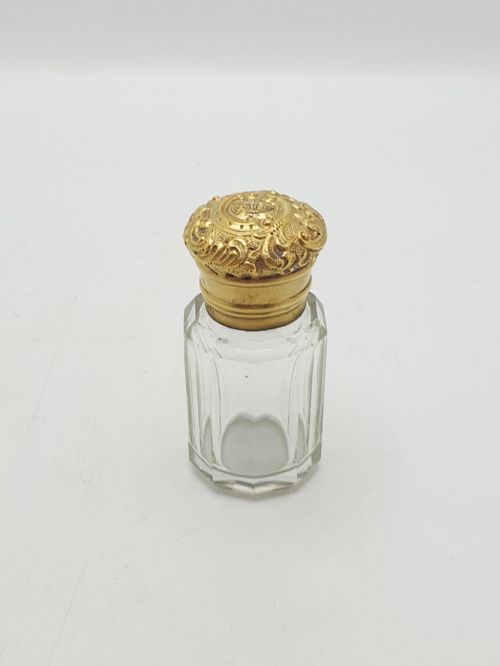
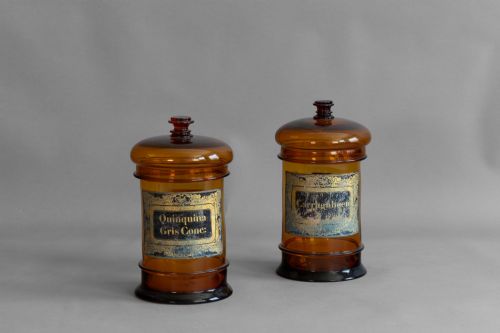
These gilt glass jar examples range from Georgian apothecary vessels to Victorian scent bottles, offering distinct touches of period craftsmanship.
Gilt Glass Jar
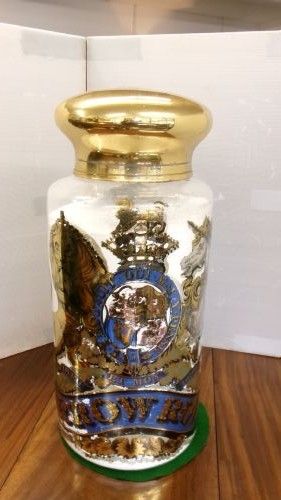
A gilt glass jar brings together decorative gilding and transparent or coloured glass containers, appearing across periods from the Georgian era through to the early twentieth century. When searching for a gilt glass jar, buyers frequently encounter apothecary bottles, scent bottles, and display containers originating from English and French workshops.
The selections recorded on this page span diverse forms, including apothecary jars, scent bottles, trinket boxes, and vanity items. 19th century pieces dominate the current records, accompanied by Georgian examples and early twentieth century productions.
Materials and construction
Makers utilised glass bodies combined with gold leaf, gilding, or silver gilt mounts to achieve the finished effect. Cut glass and crystal form the structural vessel base on mounted pieces, while amber and white glass appear alongside standard clear formulations.
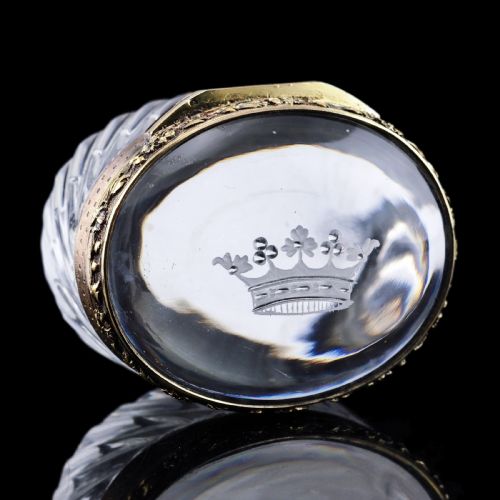
Metal mounts in sterling silver, brass, and silver gilt secure the glass elements, frequently incorporating hinged lids, locks, or coronet details. Paper labels and celluloid additions supplement the primary materials on specific apothecary and travelling items.
Gilt Glass Jar Retail Price Guide 2026
Typical asking prices for gilt glass jar among the pieces listed under this phrase on Sellingantiques today, from the lower quarter to the upper quarter. They describe what is for sale here now, not the wider market.
Current listings feature glass, gold leaf, cut glass, silver gilt, and brass across Victorian and Georgian periods.
Assessing quality
Quality rests upon the precision of the glass cutting and the refinement applied to the gilding or metal mounts. Superior examples display crisp chasing on silver gilt mounts and securely adhered gold leaf that integrates harmoniously with the underlying glass form.
The balance between the glass vessel and its applied metalwork distinguishes finer productions from standard utilitarian containers. Integrity of the original mounts and clarity of the glass surface elevate the standing of any given piece.
The Gilt Glass Jar Glossary
- Silver gilt
- Silver that has been coated with a thin layer of gold. This technique combines the structural strength of silver with the rich appearance of gold.
- Cut glass
- Glass decorated by cutting facets or patterns into its surface using a wheel. It creates reflective properties that catch the light.
- Apothecary jar
- A vessel originally utilised by chemists and pharmacists to store drugs, herbs, or preparations. These pieces often feature glass covers and identifying labels.
- Gilding
- The decorative application of gold leaf or gold powder to a surface. It enhances ornamental objects across various periods.
Gilt Glass Jar: Frequently Asked Questions
What were apothecary jars used for?
Apothecary jars held medical ingredients, herbs, chemicals, and preparations in chemist shops and dispensaries. Their tight-fitting covers protected contents from moisture and air.
Over time, many of these utilitarian vessels transitioned into decorative domestic objects due to their striking proportions and hand-applied labelling.
How do you clean gilt glass?
Gilt glass requires gentle maintenance using a soft, dry cloth to remove dust without disturbing delicate surface gilding. Moisture and chemical cleaners can erode gold leaf or damage historic finishes.
Careful handling ensures the preservation of both the glass body and any metallic ornamentation present on the piece.
What is silver gilt mount?
A silver gilt mount consists of a silver framework or collar plated with gold, fitted securely to the neck or body of a glass vessel. These mounts provided structural reinforcement and enhanced visual appeal.
They frequently incorporate hallmarks that assist in dating the piece to a specific assay office and year.