


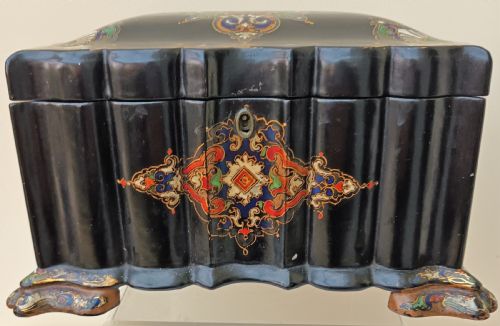


Gilded Tea Caddy
A gilded tea caddy brings quiet opulence to a room, holding centuries of trade and design within its compact form.
Gilded Tea Caddy
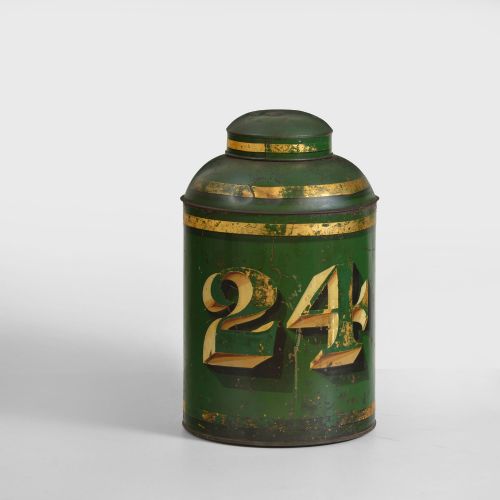
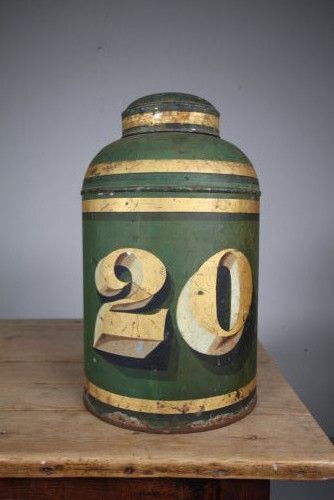
A gilded tea caddy is a small container designed to store and preserve precious tea leaves when the beverage was an expensive commodity. The selections on this page span the eighteenth and nineteenth centuries, including Georgian, Regency, and Victorian periods alongside Japanese Meiji examples and Chinese export pieces.
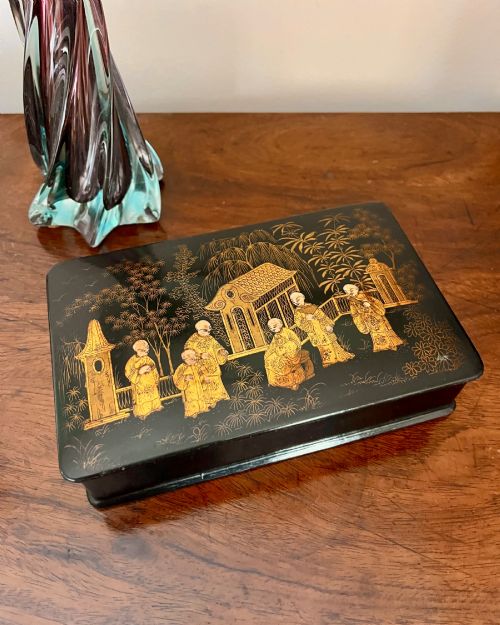
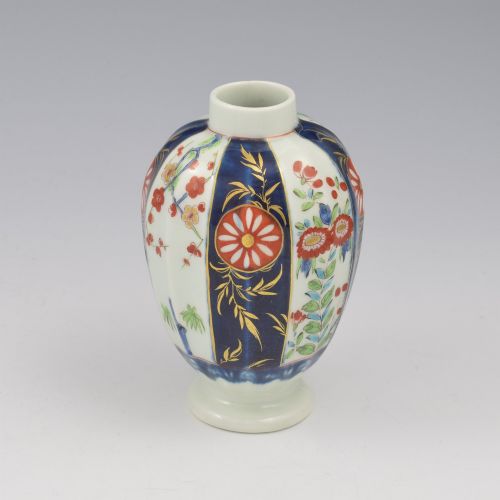
The forms range from lacquered papier-mâché boxes and painted toleware tins to porcelain canisters and earthenware jars. Stylistic influences cross continents, moving between English country interpretations and intricate Chinoiserie or Japanese Satsuma decoration.
Buyers will encounter utilitarian grocer shop tins alongside refined porcelain canisters bearing gold leaf. Each object reflects the social rituals of tea drinking and the decorative tastes of its originating period.
How they were made
Materials include wood, papier-mâché, tinplate, earthenware, and porcelain, often finished with paint, lacquer, and applied gold leaf. Craftsmen built wooden and papier-mâché carcasses to receive smooth layers of black or coloured lacquer, which provided a stable base for metallic detailing.
Painters and gilders utilised fine brushes to execute Chinoiserie scenes, floral motifs, and figural Rakan compositions in gold. Porcelain and earthenware canisters required precise kiln firing before receiving overglaze enamel painting and delicate gilding highlights.
Gilded Tea Caddy Retail Price Guide 2026
Typical asking prices for gilded tea caddy among the pieces listed under this phrase on Sellingantiques today, from the lower quarter to the upper quarter. They describe what is for sale here now, not the wider market.
Listings feature pieces spanning the eighteenth, nineteenth, and early twentieth centuries, incorporating materials from gold leaf and papier-mâché to earthenware and tinplate.
What varies in quality
Quality rests in the precision of the surface decoration and the integrity of the base material. Finer pieces demonstrate skilful brushwork in the gold leaf and lacquer, where details remain crisp and well-defined rather than flat or hastily applied.
The sophistication of the form and the harmony of the decorative scheme distinguish standard utilitarian tins from exceptional collector pieces. Original surfaces with well-preserved gilding carry greater aesthetic weight than heavily restored examples.
Tokyo Taizan
The Gilded Tea Caddy Glossary
- Toleware
- Painted or lacquered tinplate objects produced in Europe. These utility items often received decorative varnish and gilt highlights to mimic more expensive materials.
- Papier-mâché
- Composite material made from paper pulp or layers of paper mixed with glue and resin. Pressed into moulds and dried, it formed a smooth, durable body suitable for heavy lacquer and gilding.
Gilded Tea Caddy: Frequently Asked Questions
What were tea caddies used for?
Tea was a luxury commodity in past centuries, kept locked away by the head of the household to prevent theft by servants. A tea caddy served as a secure storage container, often featuring internal compartments and a fitted lock.
Servants would bring the caddy to the drawing room where the mistress of the house measured out the leaves for brewing. The containers preserved the aroma and dryness of the expensive leaves.
How do I date a tea caddy?
Dating relies upon the materials, construction methods, and stylistic decoration of the piece. Georgian and Regency examples often feature fine cabinetwork or classical Chinoiserie motifs, whereas Victorian pieces frequently utilise papier-mâché.
Examining internal elements, such as hinges, foil linings, or ceramic marks, provides further clues to the exact manufacturing decade. Comparing the decorative palette against known period styles helps establish a reliable timeline.
How do I live with a tea caddy?
These small decorative boxes sit comfortably on side tables, desks, or mantelpieces as sculptural objects. Their compact footprints allow them to integrate easily into various room settings without dominating the space.
Keep them away from direct sunlight and excessive moisture to protect delicate gold leaf and lacquer surfaces. Gentle dusting with a dry, soft cloth maintains the finish over time.
What is the difference between tin and porcelain caddies?
Tin and toleware caddies originated as robust containers for grocers or domestic utility, constructed from sturdy metal plates. Porcelain canisters, such as those from Worcester, represented finer tablewares intended for display in wealthy dining rooms and parlours.
Porcelain required careful kiln firing and delicate overglaze painting, while metal tins relied on painted finishes and japanning to achieve their decorative appearance.