
Gilded Mirror
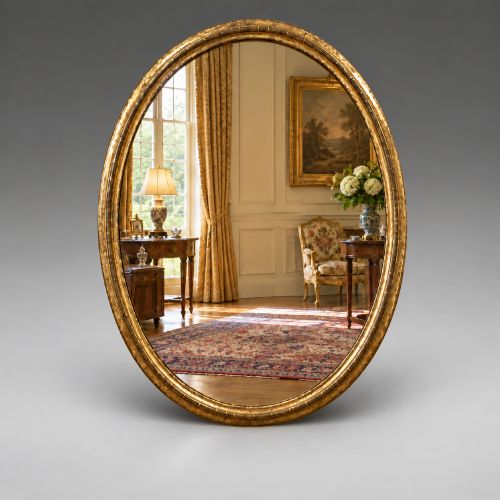
A gilded mirror brings warmth and reflected light to a room, drawing the eye with carved detail and gold leaf.
Gilded Mirror
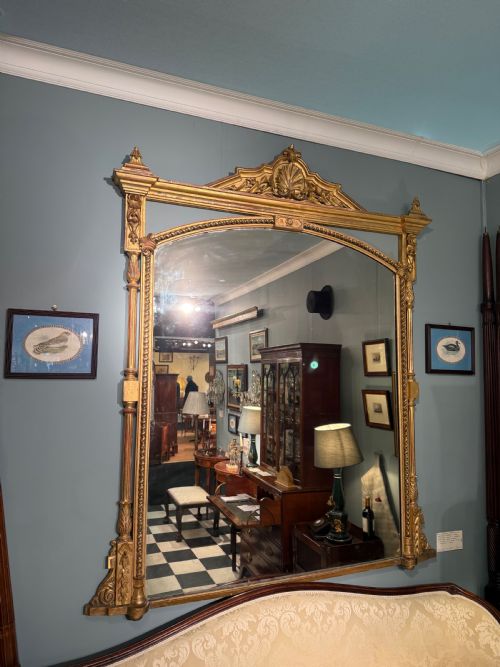
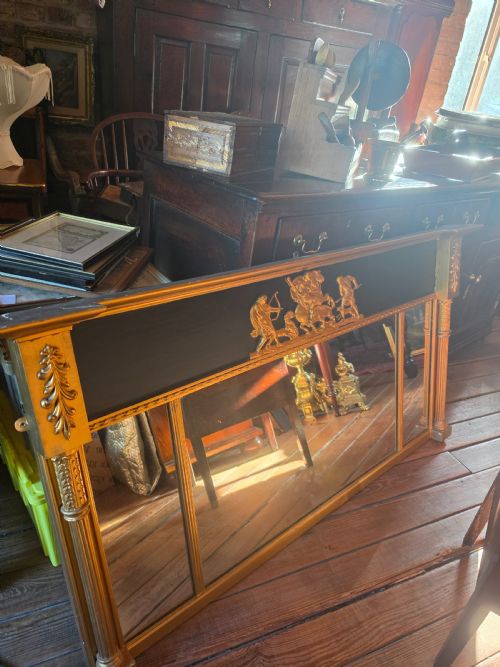
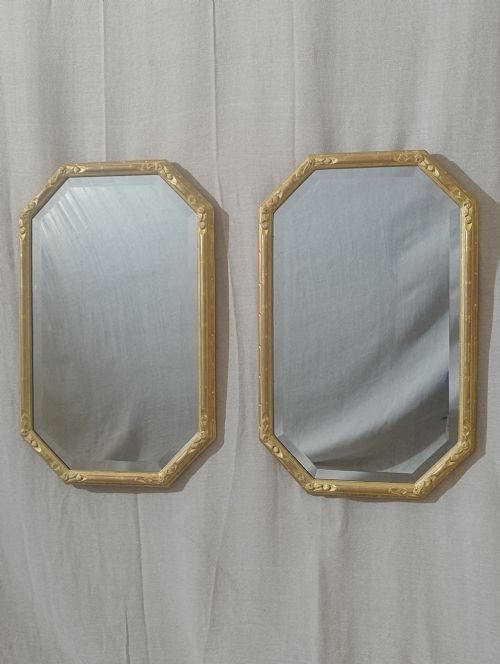
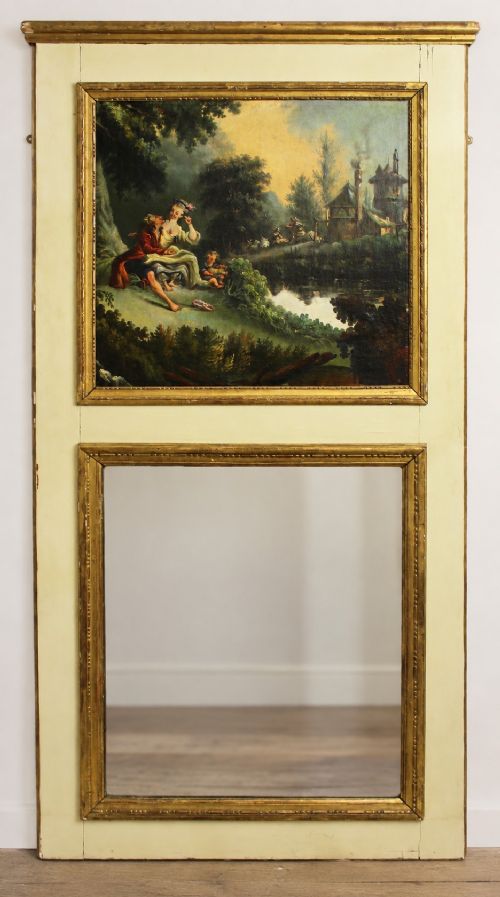
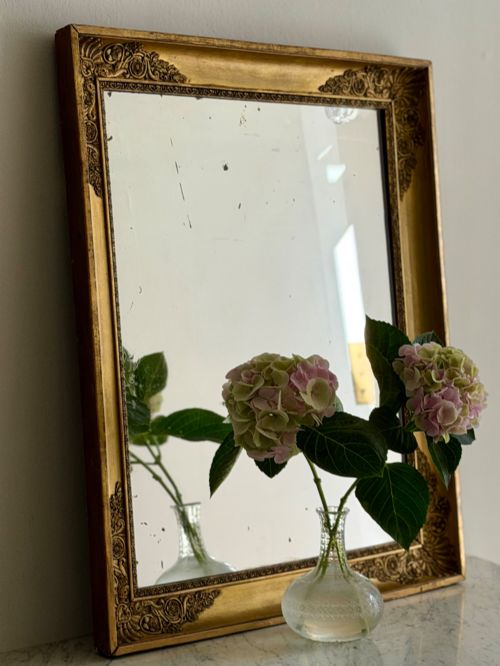
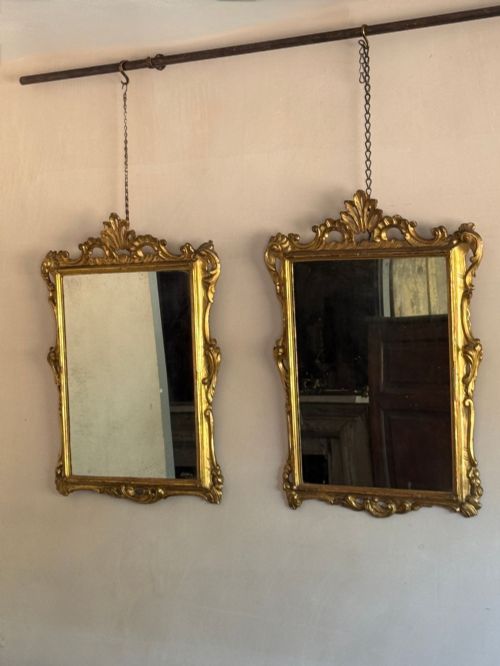
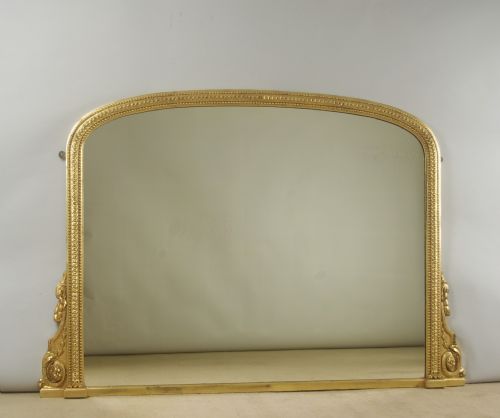
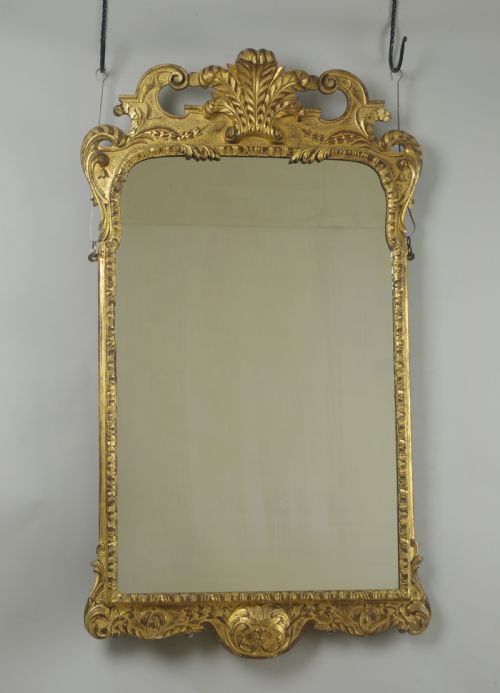
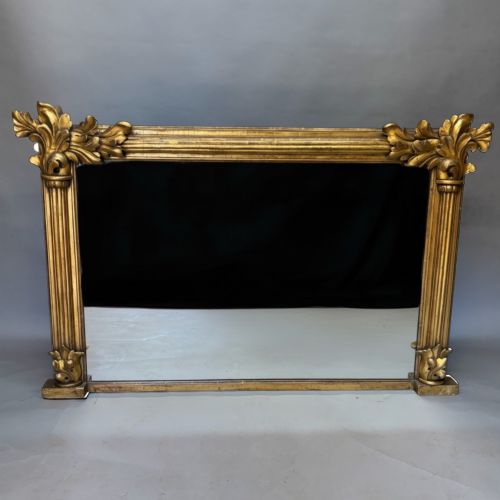
When you search for a gilded mirror, you encounter a range of wall-hanging and overmantel pieces designed to dominate a room. These objects span the eighteenth, nineteenth, and early twentieth centuries, drawing on Georgian, Regency, Victorian, and French design traditions.
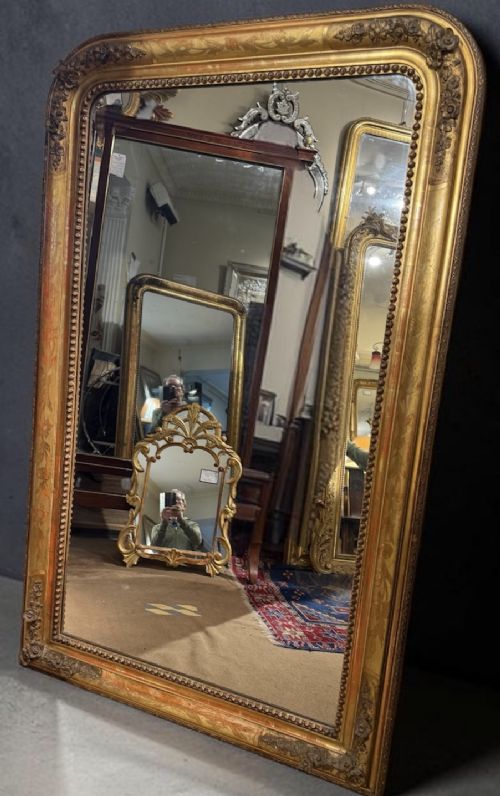
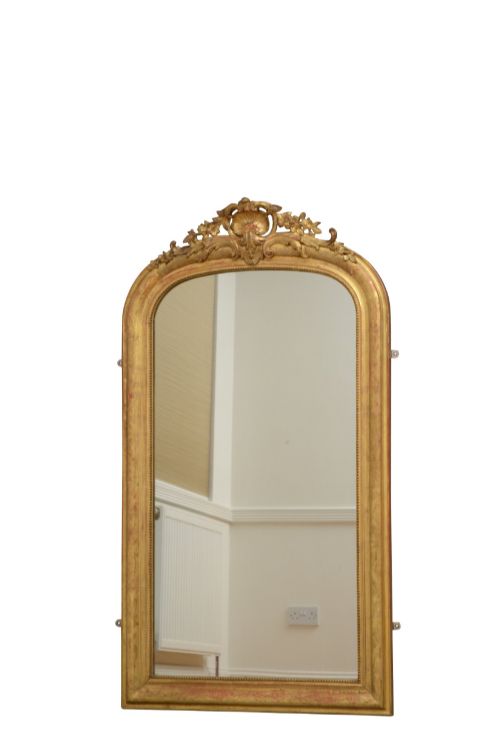
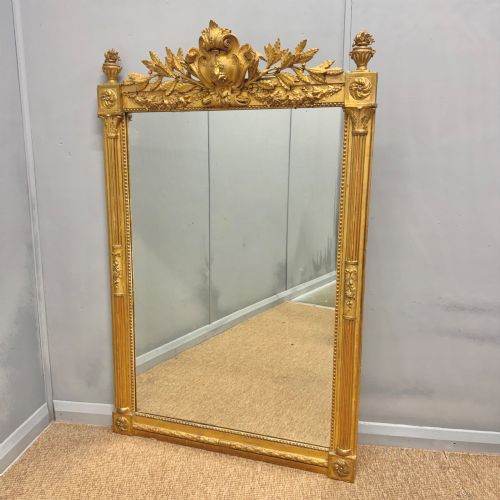
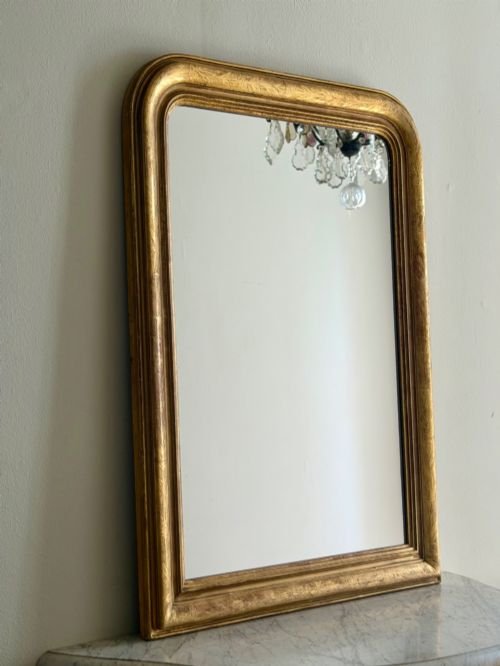
The version you are most likely to meet on this page is the nineteenth-century French Louis Philippe mirror, often featuring mercury glass and simple rectangular proportions with subtle crest detailing. Alongside these, English overmantel mirrors and Italian Florentine wall pieces appear frequently across the listings.
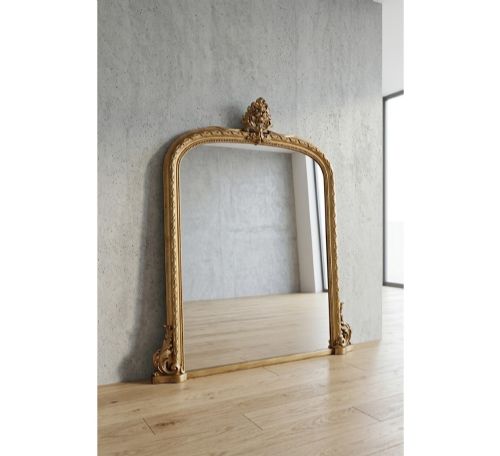
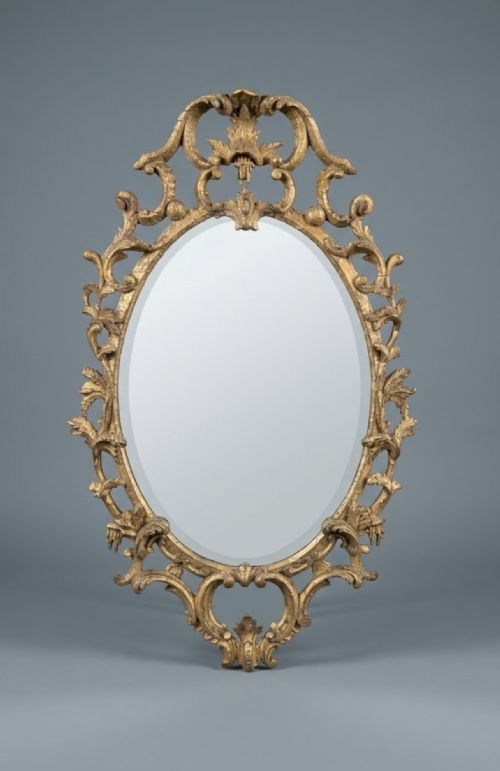
Makers and workshops across Britain, France, and Italy produced these items for domestic interiors, ranging from grand country house overmantels to neat girandole mirrors. Surviving examples demonstrate the enduring appeal of giltwood and gesso surfaces within period and contemporary settings.
How they were made
Craftsmen shaped these frames from timber, frequently utilising carved wood or built-up layers of gesso to create high-relief ornamentation. Water gilding or gold leaf application followed, producing a brilliant metallic finish that caught candle and daylight.
Early examples relied on heavy carved wood substrates, while later nineteenth-century pieces often utilised moulded gesso applied over a wooden base. Mercury glass, distinguishable by its mottled depth, frequently fills the older French and English frames before standard silvered mirror glass took over.
Listings feature pieces spanning the eighteenth, nineteenth, and early twentieth centuries, incorporating materials such as mercury glass, giltwood, and gesso.
What varies in quality
Depth and crispness of the carving distinguish finer pieces from mass-produced or heavily restored items. Original gilding retaining its subtle tonal variation sits at the top of the range, whereas heavy over-painting masks the detail of the underlying gesso.
The integrity of the glass plate matters greatly, with undisturbed mercury backing or authentic foxing adding character to period examples. Frames that retain their original structural timber without extensive reconstruction command greater interest.
Arsène Rochette of Versailles
The Gilded Mirror Glossary
- Giltwood
- Timber coated in gold leaf or metallic powder over a prepared gesso ground. This technique provides the rich reflective surface characteristic of antique frames.
- Gesso
- A plaster-like mixture applied to wood frames to create a smooth base for carving and gilding. It allows for intricate relief ornamentation.
- Mercury glass
- A double-walled blown glass filled with a silvering mixture through a small hole. It creates a distinctive deep reflection with dark mottling.
- Overmantel mirror
- A large horizontal mirror designed to hang specifically above a fireplace mantelpiece. These pieces often feature architectural framing.
- Girandole
- A wall mirror fitted with attached candle sconces. The candle light reflects off the glass and gilding to illuminate the room.
Gilded Mirror: Frequently Asked Questions
How do I date a gilded mirror?
Dating relies on examining the construction of the wooden frame, the style of the gesso ornamentation, and the type of glass plate used. Eighteenth-century pieces typically show hand-carved detail in solid wood, while nineteenth-century versions often employ moulded gesso over timber.
Backboards, fixings, and the presence of original mercury glass further assist in narrowing down the decade of production. Stylistic markers such as Louis Philippe crests or Regency neoclassical motifs provide additional chronological clues.
What is mercury glass?
Mercury glass is a type of double-walled blown glass popular in the nineteenth century, created by pouring a silvering solution between the glass layers. Despite the name, mercury was rarely the primary active agent in later production.
This glass develops a characteristic foxed appearance over time, with dark spots and a deep, cloudy reflection. Its presence often indicates a nineteenth-century French origin.
Where should I hang an overmantel mirror?
Overmantel mirrors are traditionally hung directly above a fireplace mantelpiece to anchor the room and reflect natural light. Their large scale allows them to serve as the visual centrepiece of a principal reception room.
When positioning these pieces, ensure the wall fixings can support the substantial weight of the timber and glass. They also function effectively on main walls in hallways or dining rooms.
How do I clean an antique gilt mirror?
Cleaning requires a soft, dry brush to gently remove dust from the carved gesso and gold leaf without causing abrasion. Moisture must be kept away from fragile gilt surfaces to prevent lifting or flaking.
Glass panels can be wiped carefully with a microfibre cloth and a minimal amount of glass cleaner applied to the cloth rather than directly to the mirror. This prevents liquid from seeping behind the plate and damaging the backing.