

Gilded Metal Fixture
A gilded metal fixture brings immediate warmth to a room through its polished surfaces and historic illumination.
Gilded Metal Fixture
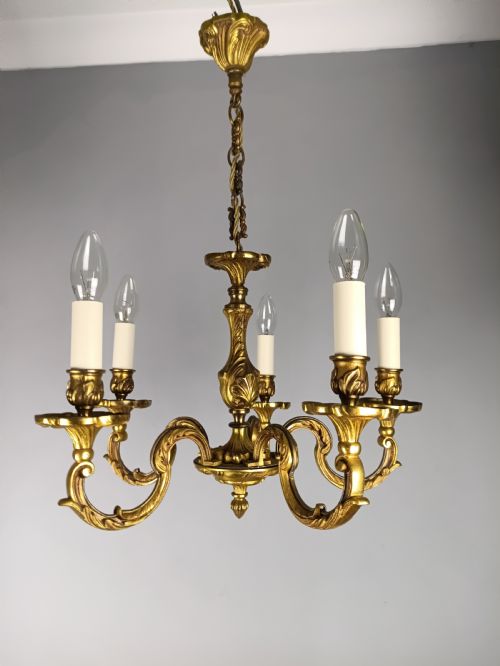
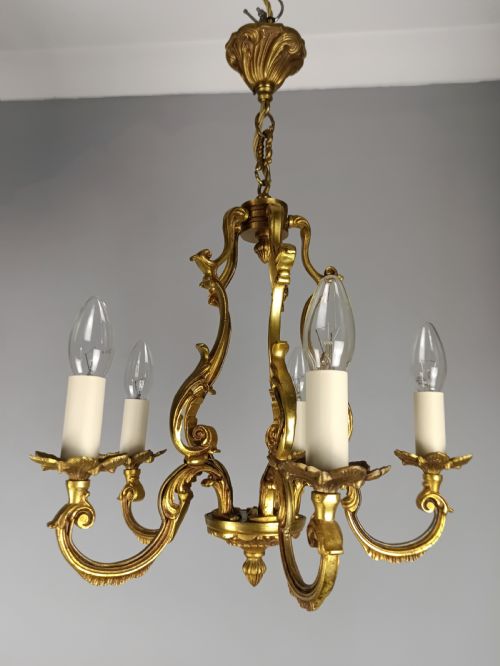
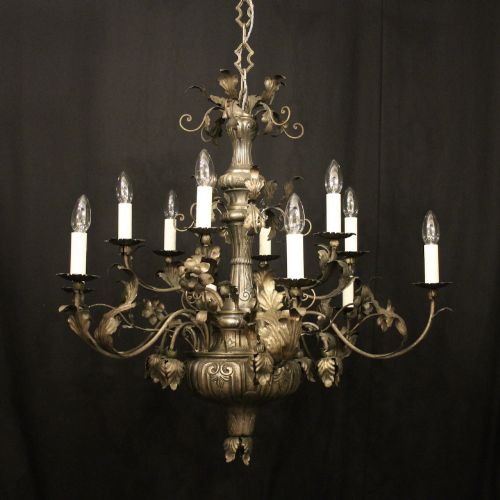
When searching for a gilded metal fixture, buyers encounter a diverse selection of lighting and decorative objects spanning the nineteenth and twentieth centuries. These pieces encompass grand multi-light chandeliers, wall sconces, ceiling lights, and hall lanterns originating primarily from French and Italian workshops.
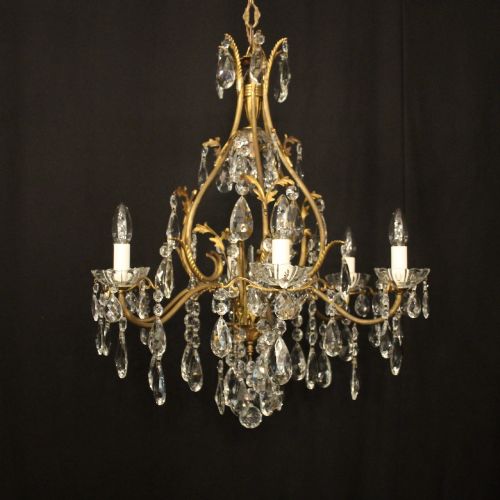
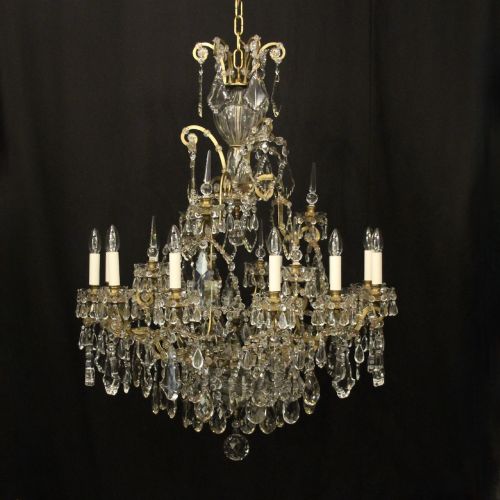
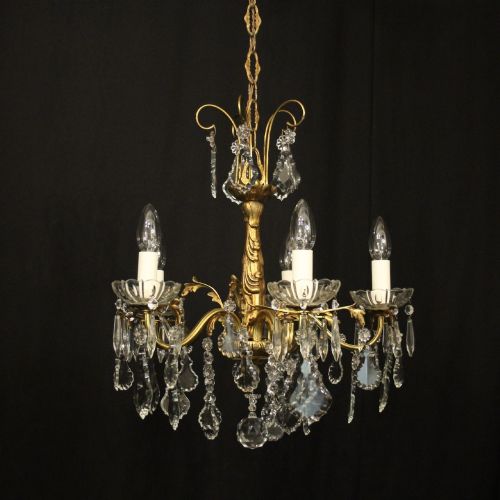
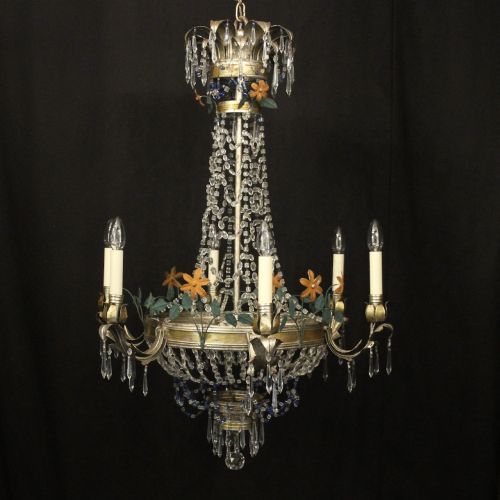
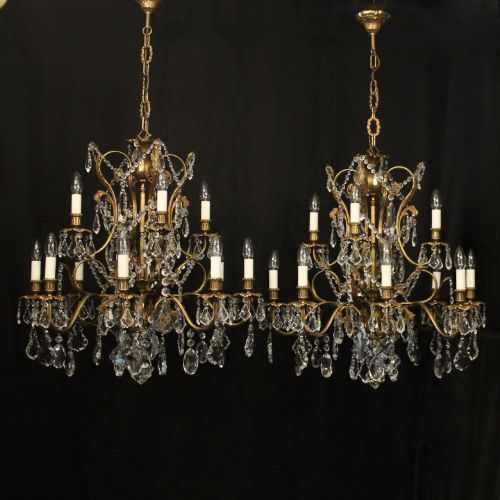
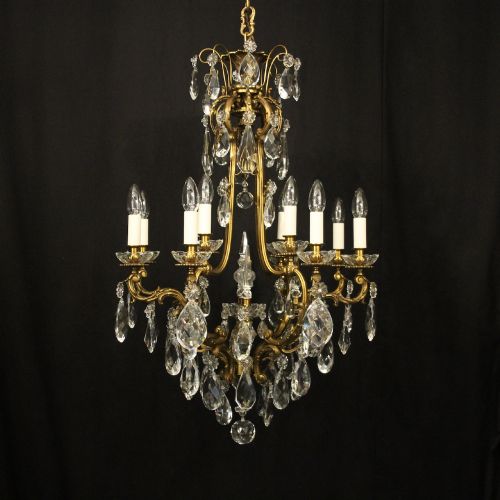
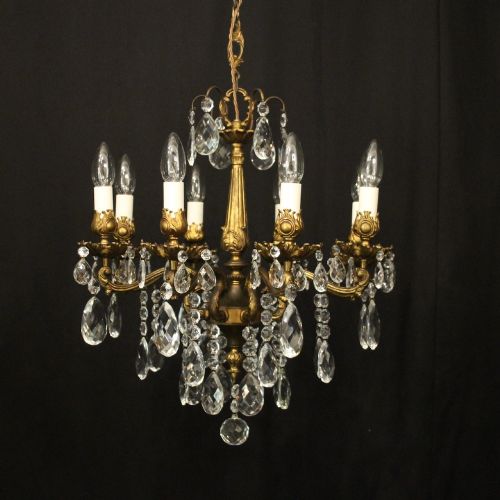
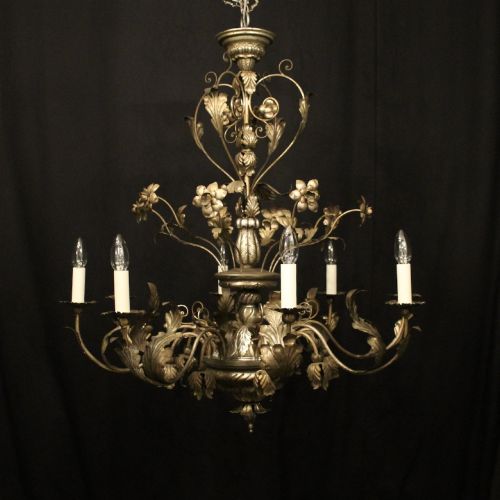
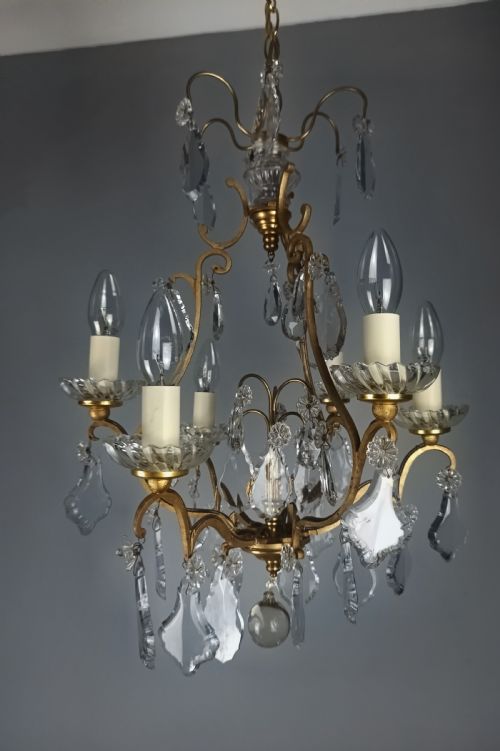
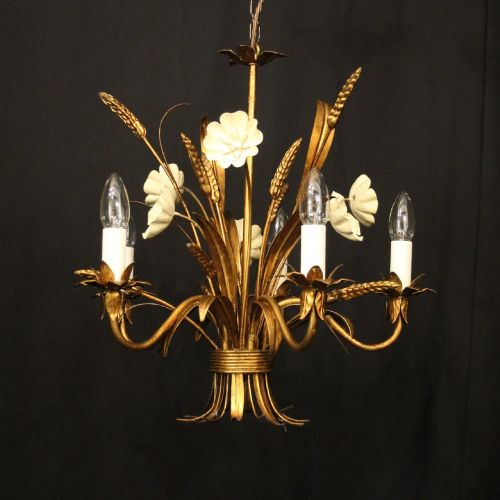
The most common examples on this page are French and Italian chandeliers from the early decades of the twentieth century. These items range from elaborate birdcage designs hung with crystal drops to botanical forms incorporating porcelain and tolewear flowers.
Materials and construction
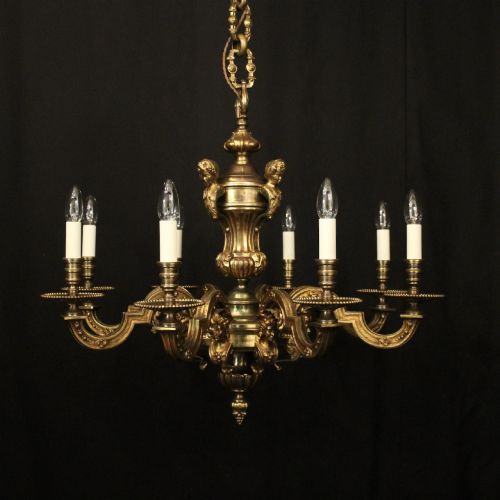
Makers utilised cast and forged metals such as bronze, brass, iron, and gilt metal as the structural foundation for these pieces. Gilding was then applied to the metal surfaces to create a luminous golden or silvered finish.
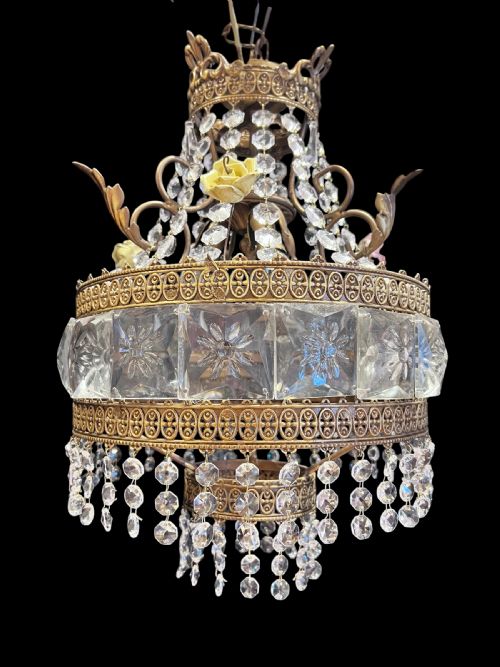
Glass and crystal elements frequently accompany the metal frames, taking the form of teardrops, beads, and cut panes. Additional decorative details include painted tolewear, ceramic flowers, and coloured crystal accents.
Gilded Metal Fixture Retail Price Guide 2026
Typical asking prices for gilded metal fixture among the pieces listed under this phrase on Sellingantiques today, from the lower quarter to the upper quarter. They describe what is for sale here now, not the wider market.
Several chandeliers come equipped with coloured crystal teardrops, proving that historical interiors enjoyed a playful splash of amber and turquoise.
Distinguishing quality in production
Quality in a gilded metal fixture rests upon the crispness of the metal casting and the depth of the applied finish. Finer examples display hand-chased detail on bronze or brass components rather than plain cast surfaces.
The integration of decorative elements also separates categories of work, seen in how tightly crystal drops are wired and how naturalistically porcelain or tolewear foliage is modelled.
Charles Schneider
The Gilded Metal Fixture Glossary
- Gilt bronze
- Metal alloy coated with a layer of gold, often providing a durable and rich golden surface on French fixtures.
- Toleware
- Painted sheet metal shaped into leaves and flowers, frequently found on mid-period decorative chandeliers.
- Birdcage chandelier
- A lighting form constructed with a curved metal framework that resembles an aviary, densely hung with crystal drops.
- Plafonnier
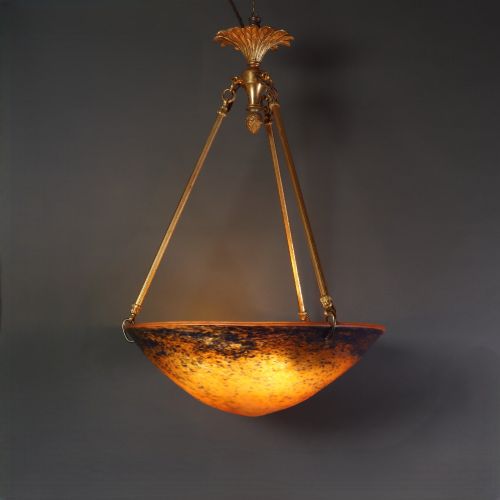
- A shallow bowl-shaped ceiling light mounted close to the fixture base, popular during the Art Deco period.
- Sconce
- A wall-mounted lighting fixture designed to hold multiple candles or electric bulbs.
Gilded Metal Fixture: Frequently Asked Questions
How do I choose the right size fixture?
Consider the proportions of the room and the height of the ceiling when selecting a chandelier or wall light. Larger multi-tier designs require substantial vertical space to hang properly.
Matching the number of light points to the scale of the interior ensures the illumination suits the intended space without overwhelming it.
Are these fixtures wired for electricity?
Many surviving examples have been adapted for electricity during their lifespan, transitioning from early candle or gas configurations. Rewiring is common to meet modern electrical standards.
Buyers should examine the internal wiring and consult a qualified electrician regarding safe installation in domestic settings.
How do I clean a gilded metal fixture?
Dust the metal and crystal components gently using a soft, dry cloth to prevent the accumulation of grime. Avoid harsh chemical cleaners that can strip or damage the delicate gilt surface.
Crystal drops can often be wiped individually with a mild solution while remaining attached to the frame, depending on the mounting.
What periods do these pieces represent?
The inventory spans the nineteenth century through the mid-twentieth century, including Victorian, Edwardian, and Art Deco eras. French and Italian regional styles dominate the selection.
Distinctive regional traits appear in the florid details of Italian Florentine pieces compared to the structured forms of French neoclassical work.