



German Silver Cup
These german silver cup selections bring centuries of continental metalwork into your home, offering practical drinking vessels and decorative display pieces.
German Silver Cup
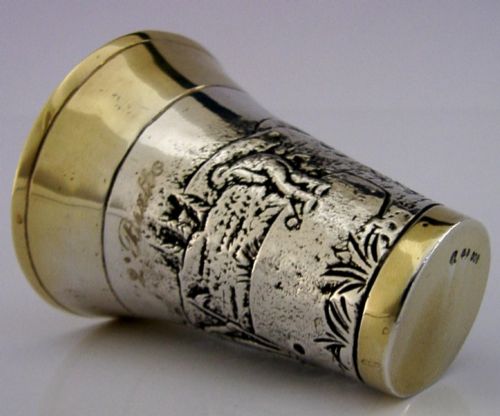
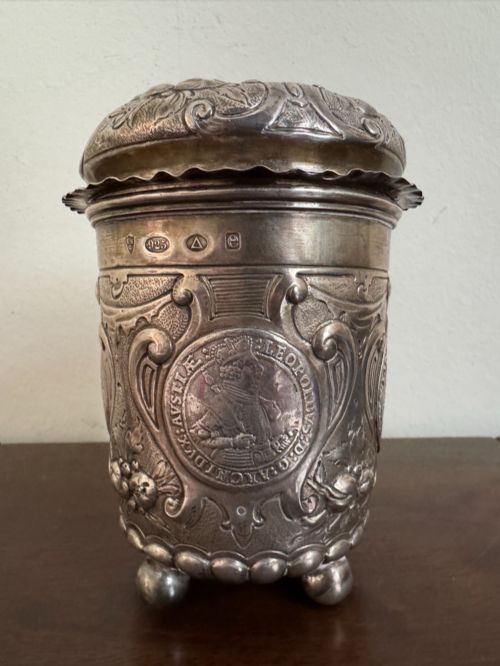
A german silver cup encompasses varied drinking vessels and decorative objects originating from continental traditions, appearing here alongside related items like necklaces and miniature vases. You encounter forms spanning distinct eras, from seventeenth-century Nuremberg beakers to turn-of-the-century Jugendstil miniatures.
The objects listed range from sturdy barware beakers and coin-set lidded vessels to novelty wager cups and wine tasters. Each piece reflects specific historical stylistic revivals, including Baroque and Renaissance forms alongside mid-century modernist designs.
Materials and construction
Items in this group utilise sterling silver, standard silver variants including 800 silver, and silvered pewter, occasionally enhanced with parcel-gilt detailing. Makers applied traditional metalworking techniques to shape solid silver into functional beakers, lidded vessels, and intricate decorative cups.
Surface decoration relies on embossed coinage, chasing, and characteristic styling from periods like the Renaissance Revival, Art Nouveau, and Jugendstil. The fabrication methods bridge utilitarian barware production and delicate decorative arts.
German Silver Cup Retail Price Guide 2026
Typical asking prices for german silver cup among the pieces listed under this phrase on Sellingantiques today, from the lower quarter to the upper quarter. They describe what is for sale here now, not the wider market.
Early wedding guests risked drenched waistcoats while proving their sobriety with a swinging wager cup.
Assessing the craftsmanship
Quality rests upon the crispness of the chasing, the structural integrity of the metalwork, and the clarity of any maker marks or provenance details. Pieces displaying deliberate stylistic adherence to periods such as the Baroque Revival or Jugendstil demonstrate superior design execution.
The distinction between standard commercial barware and exceptional items lies in the weight of the silver, the precision of inset coinage, and the overall harmony of the form.
Bernard Muller·D and J Wellby
The German Silver Cup Glossary
- German silver
- A copper-nickel-zinc alloy, also known as nickel silver, which contains no actual silver despite its name. It provides a durable base for plating or stands alone for metallic objects.
- Wager cup
- A traditional bridal or ceremonial vessel featuring a small swinging cup pivoted beneath a larger main cup. Guests historically attempted to drink from both simultaneously without spilling.
- Wine taster
- A small, shallow silver vessel used by merchants and connoisseurs to inspect the colour and clarity of wine. They often feature dimpled or ribbed interiors to catch the light.
- Jugendstil
- The German variant of Art Nouveau that flourished around nineteen hundred, characterised by organic floral motifs and flowing lines. It heavily influenced decorative metalwork of the era.
- Parcel-gilt
- Silver objects that are partially gilded with gold, leaving areas of plain silver to create a contrasting two-tone effect. This technique highlights specific chased or embossed details.
German Silver Cup: Frequently Asked Questions
How were wager cups used?
Wager cups were traditionally utilised at wedding banquets and festive gatherings as a test of skill and sobriety. A guest would attempt to drink a full measure from the main cup and the smaller swinging cup at once without spilling a drop.
They represent a playful tradition in historical European silver and remain conversation pieces for a collection.
How do I identify a 17th century piece?
Seventeenth-century beakers typically display heavy embossing, hand-chased details, and specific town or maker marks characteristic of guilds in cities like Nuremberg. The weight and construction methods reflect the manual techniques of the period.
Comparing hallmarking conventions and stylistic motifs against documented examples helps confirm an early date of origin.
How should I clean silver barware?
Maintenance requires gentle cleaning with a soft cloth and a reputable silver polish formulated to preserve patination and fine details. Avoid harsh abrasives that can wear away thin silver layers or parcel-gilt highlights.
Regular dusting and careful handling keep the metal stable and maintain the visual appeal of the piece.