






Georgian Wood Bucket
A georgian wood bucket brings centuries of refined practicality to a fireside or dining room.
Georgian Wood Bucket
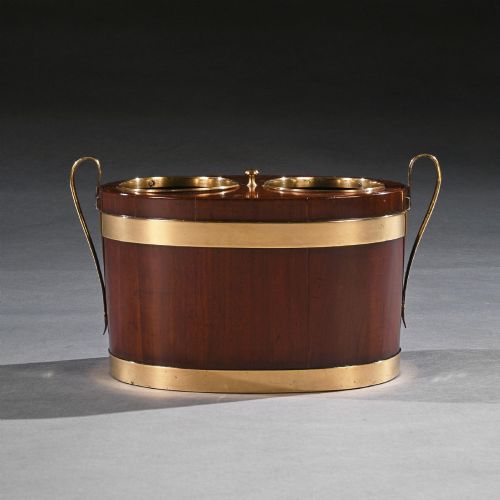
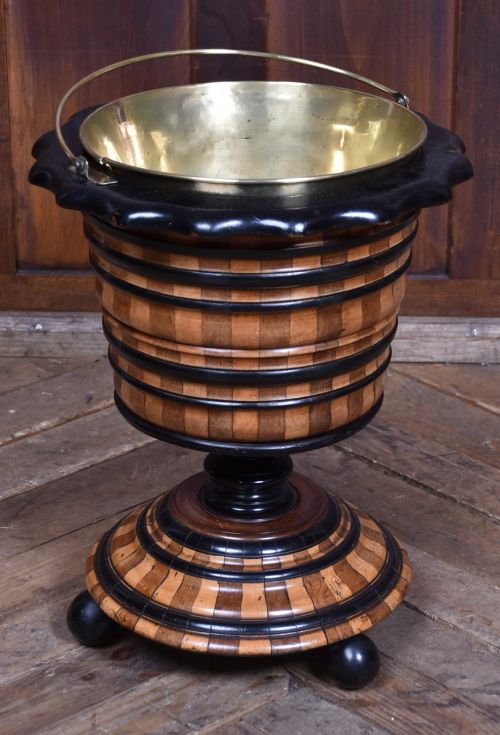
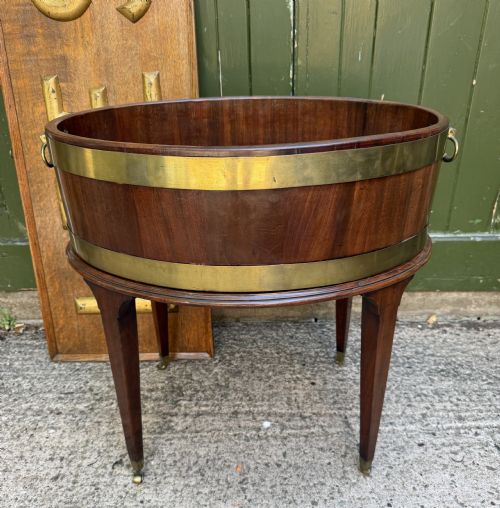
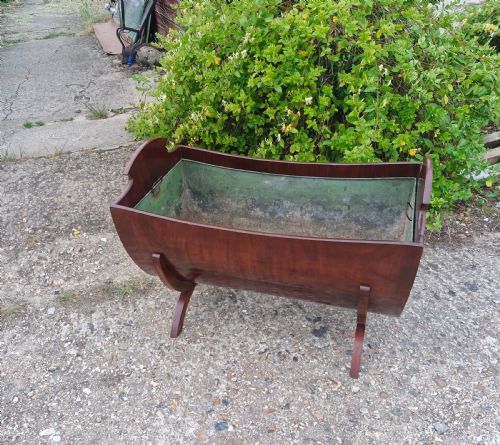
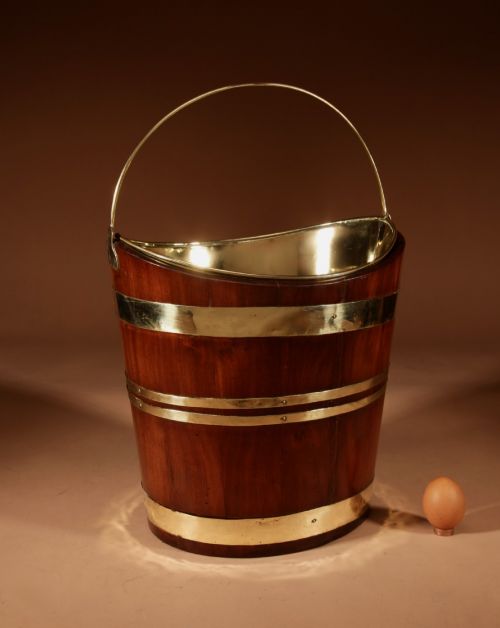
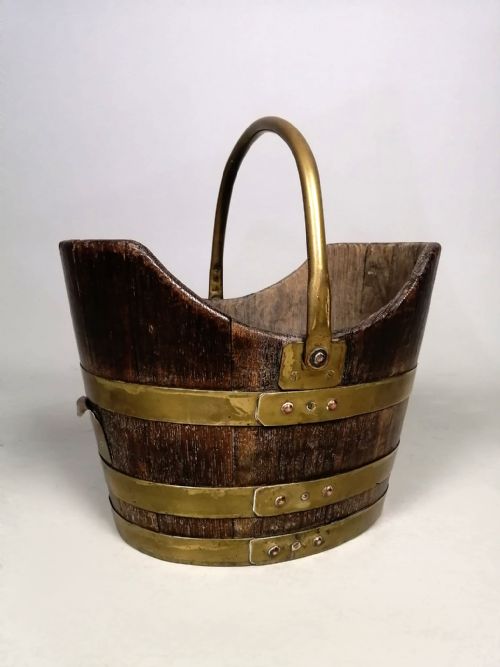
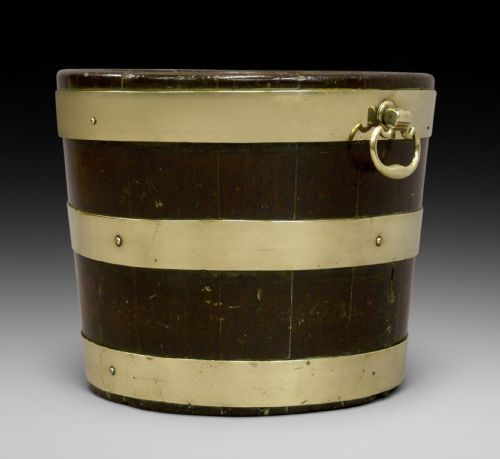
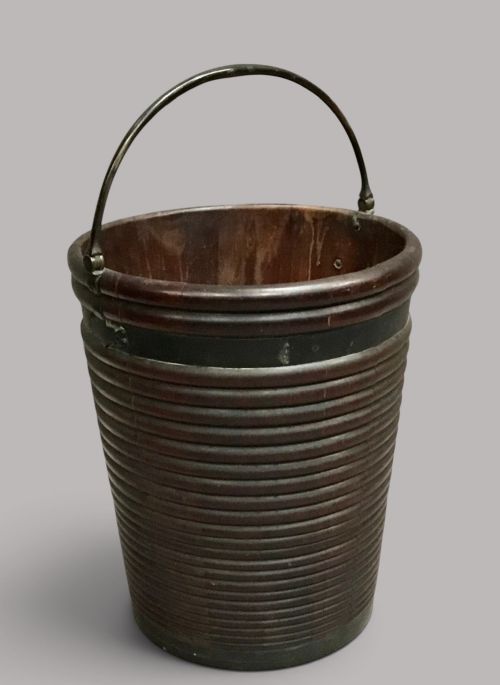
When you examine a georgian wood bucket, you encounter versatile vessels originally constructed to hold wine, peat, coal or washing water. The forms span oval wine coolers, boat-shaped peat buckets, cylindrical log bins and traditional well buckets.
Most examples found here date from the eighteenth and nineteenth centuries, reflecting both Georgian and Victorian periods. Makers employed dense timbers such as mahogany, oak, walnut and fruitwood, frequently pairing them with contrasting metal bands.
These items transition easily from utilitarian hearth accessories to decorative interior planters and jardinières. Their enduring appeal lies in this dual capacity for functional storage and stately display.
Materials and construction methods
Traditional coopers constructed these vessels using solid timber staves fitted tightly together to withstand moisture and heavy loads. Skilled artisans selected durable woods like mahogany, oak and walnut for their stability and rich grain.
Stout brass, iron or metal bands encircle the wooden bodies, often secured with neat rivets to reinforce the staves. Many variants incorporate drop handles, internal metal liners or dedicated stands to complete the assembly.
Georgian Wood Bucket Retail Price Guide 2026
Typical asking prices for georgian wood bucket among the pieces listed under this phrase on Sellingantiques today, from the lower quarter to the upper quarter. They describe what is for sale here now, not the wider market.
Current listings feature mahogany, oak, walnut and fruitwood, frequently accented with brass or iron bands across Georgian and nineteenth-century periods.
Distinguishing quality across examples
The distinction between standard utility items and superior pieces rests in the selection of timber and the precision of the cooperage. Mahogany examples with subtle figuring, crisp brass bindings and original liners command greater attention.
Proportion and decorative restraint set finer pieces apart from later revivals. Well-preserved surfaces showing honest age and original patination demonstrate integrity that heavy restoration often diminishes.
The Georgian Wood Bucket Glossary
- Coopered
- Built from vertical wooden staves curved and bound together with metal hoops, much like a traditional barrel. This technique ensures the vessel remains stable and liquid-tight.
- Teestoof
- A Dutch heating vessel or foot stove incorporating an internal metal liner, frequently encountered in mahogany or walnut. These pieces often doubled as small peat buckets.
- Jardinière
- An ornamental pot or stand designed to hold growing plants or flowers. In this context, antique wooden buckets are frequently repurposed for botanical displays.
- Cellarette
- A lockable container or fitted box designed to hold bottles of wine near the dining table. Many Georgian iterations take oval or bucket forms.
- Plate bucket
- A cylindrical wooden vessel specifically engineered with vertical divisions to transport and store dinner plates safely. They mirror the construction of standard log and coal bins.
Georgian Wood Bucket: Frequently Asked Questions
What were georgian wood buckets used for?
These vessels served numerous practical domestic functions around the grand country house. They transported coal and peat to the hearth, chilled wine bottles at the dining table, or held household water.
Over time, many of these sturdy containers transitioned from utility to decoration. Today, owners frequently repurpose them as fireside log bins or indoor plant jardinières.
How can I tell a Georgian piece from a later revival?
Examine the timber closely for hand-tool marks, honest patination and the mellow colour that comes from decades of natural light and handling. Georgian construction typically employs solid mahogany or oak with hand-hammered brass pins securing the metal bands.
Later Victorian and revival pieces often display machine-cut elements or a uniform, glossy finish applied during manufacture. Weight, timber density and the patination around the mounts offer reliable clues to true period age.
Did these buckets originally have metal liners?
Many wine coolers, peat buckets and teestoofs originally featured fitted metal liners to contain damp fuel, melting ice or water. These inserts protected the surrounding wooden staves from rot and staining during daily use.
Original liners are often preserved, though some pieces survive without them. The presence of a liner generally adds historical completeness to the object.