
Georgian Silver
Georgian silver brings together the heavy weight of sterling flatware and the careful punch of early makers.
Georgian Silver
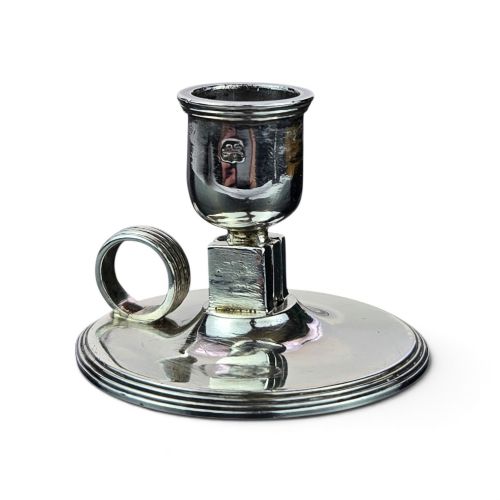
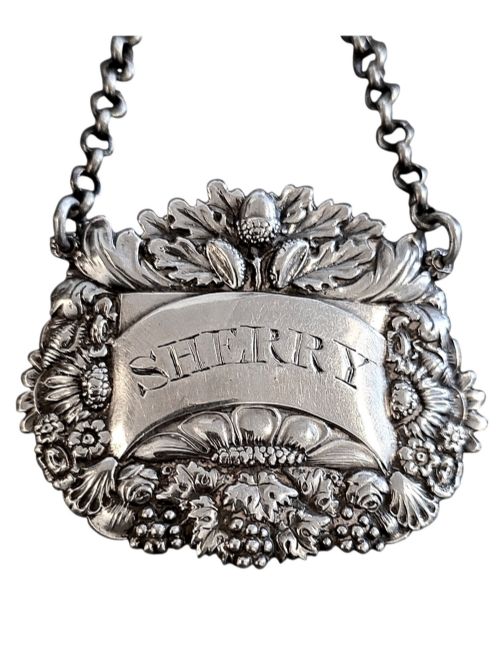
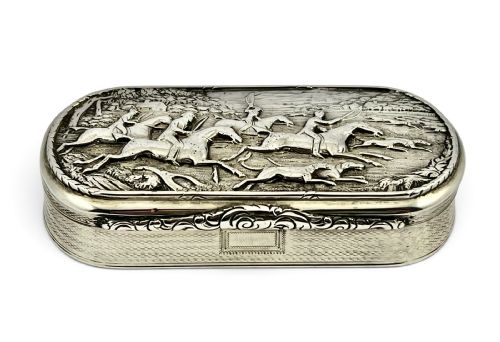
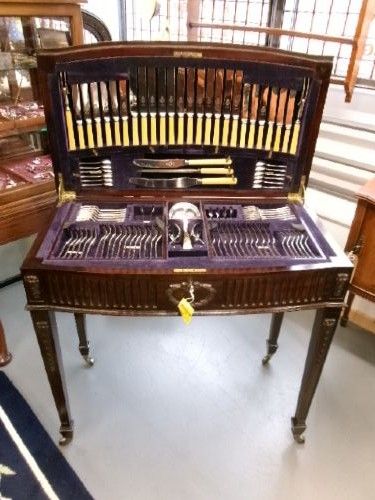
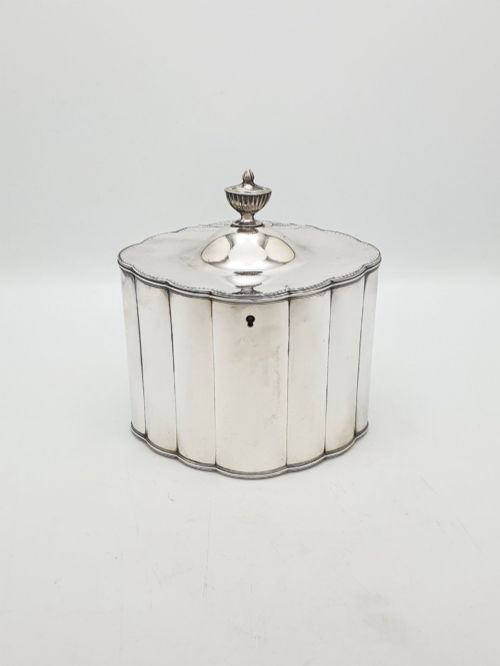
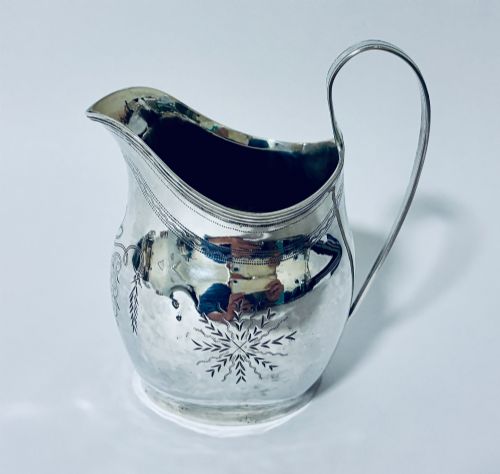
When people search for georgian silver, they find hollowware, flatware, and small desk accessories made during the eighteenth and early nineteenth centuries. The objects range from heavy serving spoons and snuff boxes to cream jugs and decanter labels, reflecting the domestic habits of the period.
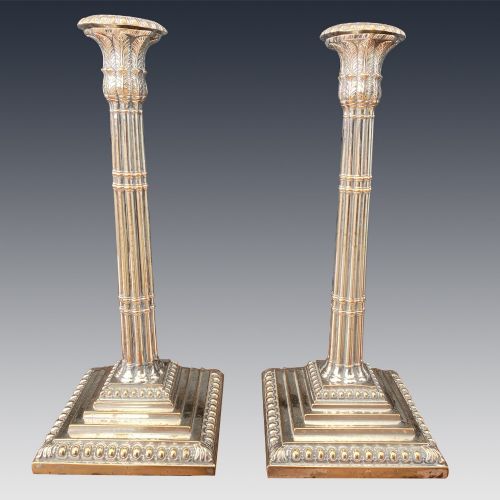
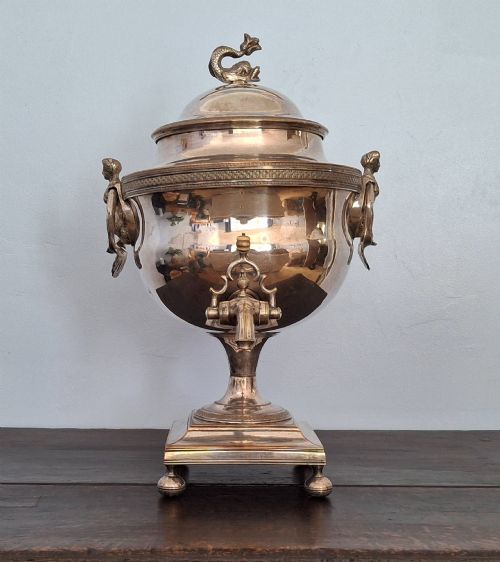
The version most commonly met on this page is sterling silver flatware or small tableware bearing London hallmarks from the reigns of George III and George IV. Alongside solid pieces, items fashioned from Old Sheffield Plate appear regularly, showing copper fused with a thin sheet of silver.
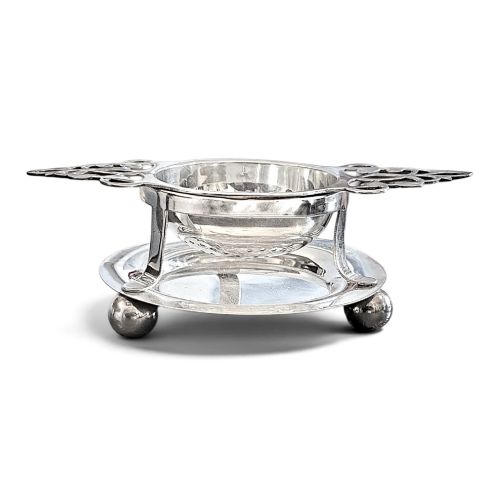
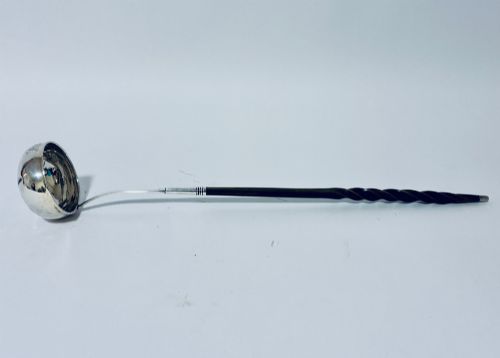
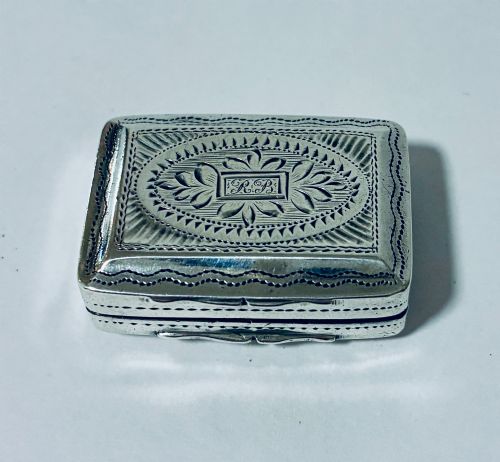
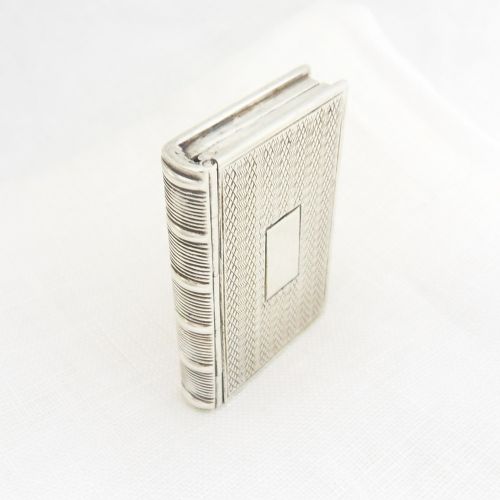
Makers from provincial assay offices like Exeter and Glasgow also leave their mark, alongside prominent London silversmiths. Forms vary from simple utilitarian ladles to ornate cast muffineers and vinaigrettes designed for pocket use.
How They Were Made
Silversmiths of the period formed hollowware by hammering sheets of sterling silver over wooden stakes or casting components separately before soldering them together. Handles, feet, and rims were often cast as distinct elements and attached to body sections.
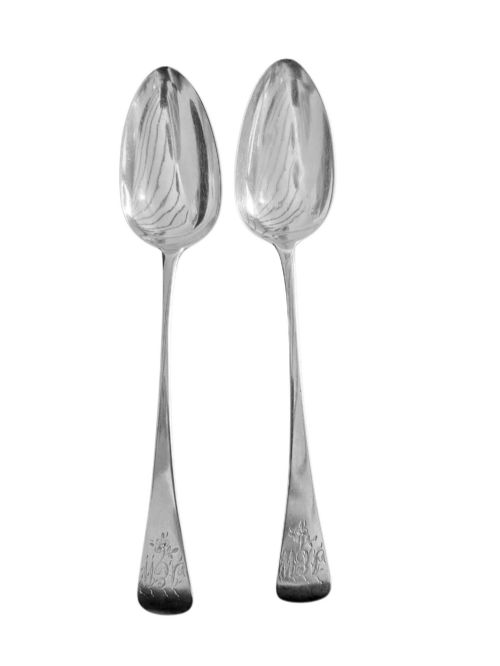
Flatware was typically hammered from thick ingots of silver into blanks, then shaped and struck with punch marks to show the maker, standard, and duty. Old Sheffield Plate used a different method, fusing silver to a copper base before rolling the composite metal into sheets.
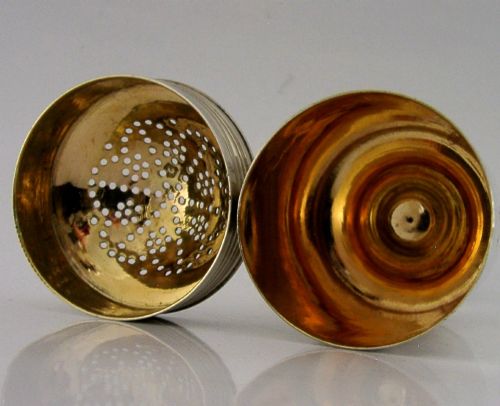
Engraving and chasing completed many pieces, using sharp gravers to cut crests, ciphers, and floral borders into the metal surface. Gilding was also applied to the interior of items like caddies and spoons using a mercury amalgam technique.
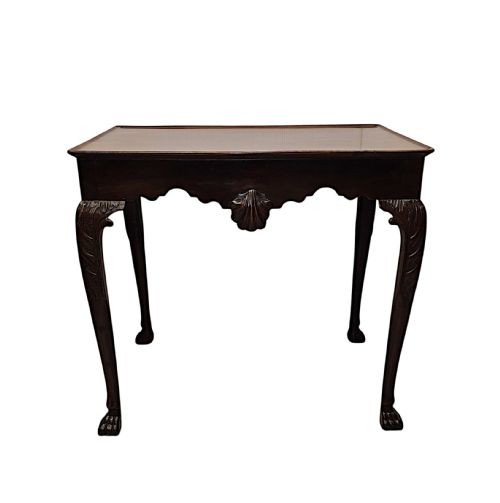
Listings feature items spanning the eighteenth, nineteenth, and twentieth centuries, incorporating materials such as sterling silver, copper, mahogany, and tortoiseshell.
What Varies in Quality
The standard of an item rests heavily on the crispness of the chasing and the integrity of the original hallmarks. Crisp detail on crests and borders separates superior work from worn or over-polished examples.
Weight and gauge dictate the structural strength of hollowware and flatware alike. Pieces with thick walls retain their shape through centuries of use, whereas lighter items show distortion or thinning around stress points.
In Old Sheffield Plate, the visibility of the underlying copper core along edges and high points marks the extent of wear. Complete silver surfaces and intact copper seams distinguish better preserved plated wares.
William Barrett II·Hammond Turner And Sons·John Lambe·Taylor And Perry·John Schofield·Deakin And Francis·Joseph Wilmore·Peter And William Bateman·Milne And Campbell·Peter And Jonathan Bateman
The Georgian Silver Glossary
- Hallmark
- A series of official marks stamped on precious metals to guarantee the purity, origin, and year of manufacture. These stamps provide the foundation for dating each object accurately.
- Old Sheffield Plate
- An early form of plated metal created by fusing a sheet of silver to a copper base. This technique preceded modern electroplating and leaves a characteristic edge where the copper shows.
- Vinaigrette
- A small pocket container fitted with a pierced internal grille, used to hold a sponge soaked in aromatic vinegar. These boxes were carried by individuals to counter unpleasant odours in public spaces.
- Muffineer
- A small caster used for sprinkling sugar or salt onto food items at the table. They share a bulbous or baluster form with pierced lids.
- Quaich
- A traditional shallow two-handled drinking vessel originating in Scotland. They appear in silver and horn variants for communal toasts.
Georgian Silver: Frequently Asked Questions
How do I clean antique silver?
Clean silver using a soft cloth and a gentle, non-abrasive polish designed specifically for antique metals. Avoid harsh chemical dips that strip the natural dark patination from recessed areas.
Wash pieces in warm soapy water afterwards and dry them thoroughly with a lint-free cloth to prevent spotting.
What is the difference between sterling and plate?
Sterling silver is a solid alloy containing a fixed proportion of pure silver and other metals throughout its entire mass. Old Sheffield Plate consists of a thin layer of silver fused over a thicker copper core.
Over time, plated items may reveal the underlying copper along edges where handling has worn the silver away.
How can I date a piece?
Dating relies primarily on the stamped hallmarks, which include a specific letter code for the year of assay and maker's initials. Comparing the style of decoration and form with known manufacturing periods also helps confirm the age.
Duty marks introduced in the late eighteenth century provide an additional narrow window for verification.
Were these items meant for daily use?
Many pieces served practical functions in wealthy households, from serving tea and wine to carrying spices or personal fragrances. Flatware and hollowware were built to withstand regular handling at the dining table.
Over generations, use patterns left distinct surface wear that collectors view as part of the object's history.