
Georgian Sideboard Base
A georgian sideboard base is a sturdy low timber console designed for serving and storage, combining practical drawers and cupboards with lasting domestic utility.
Georgian Sideboard Base
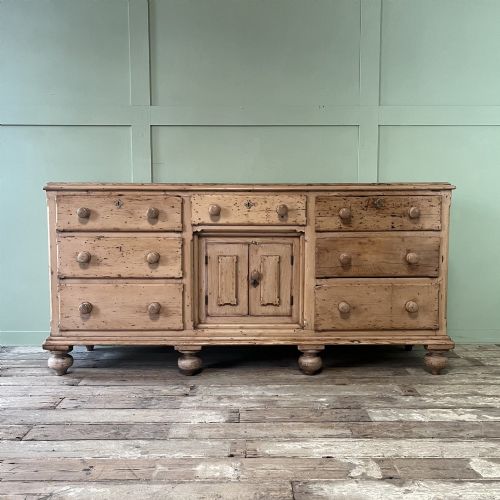
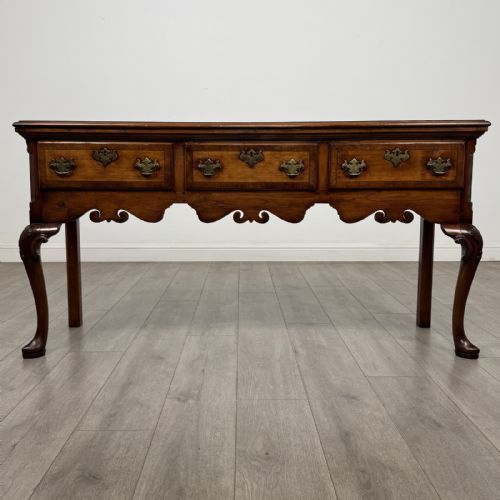
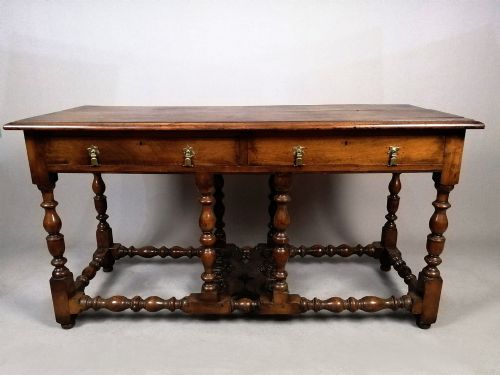
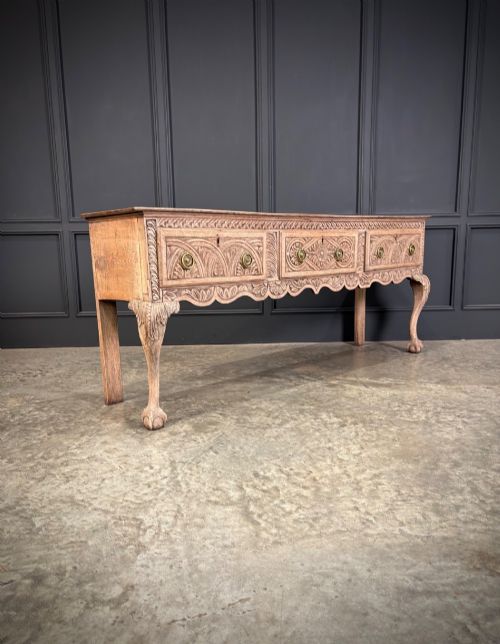
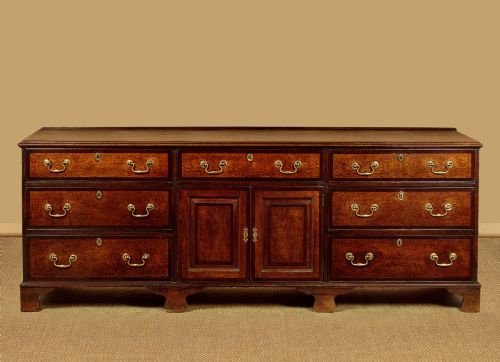
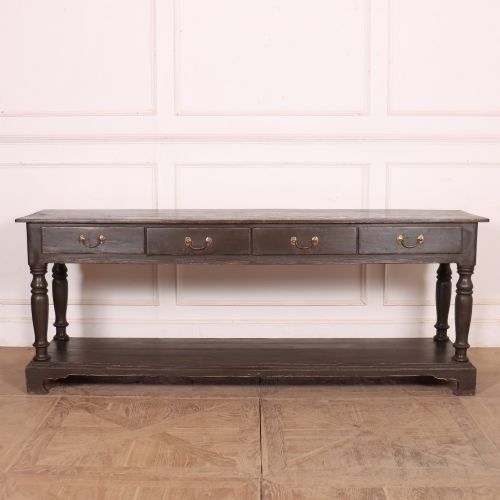
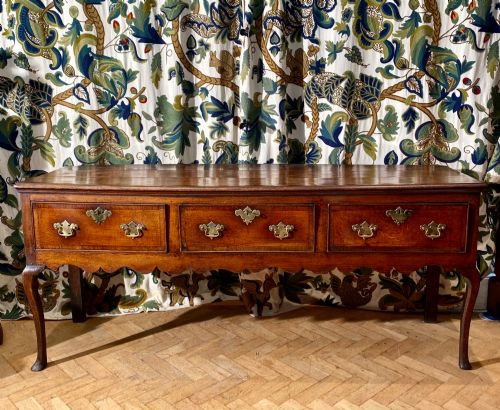
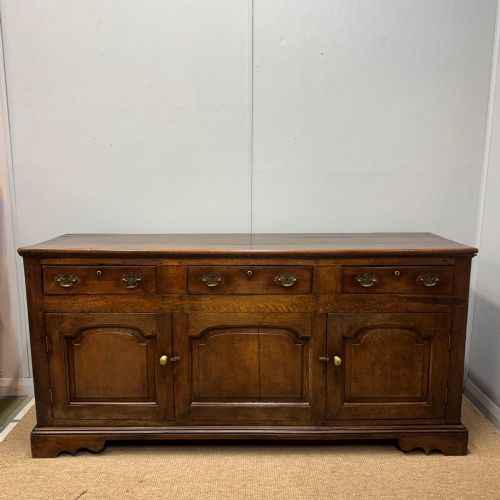
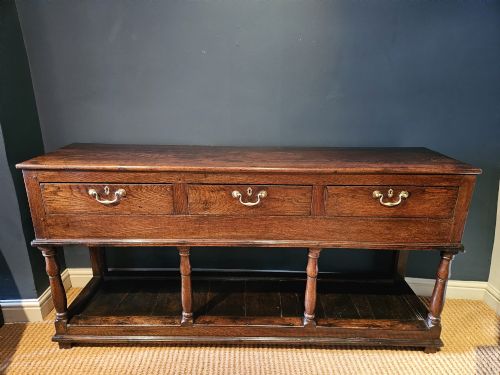
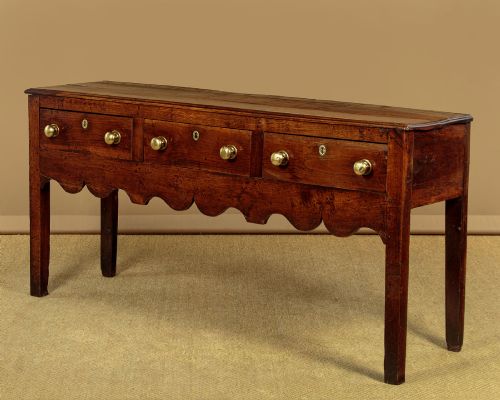
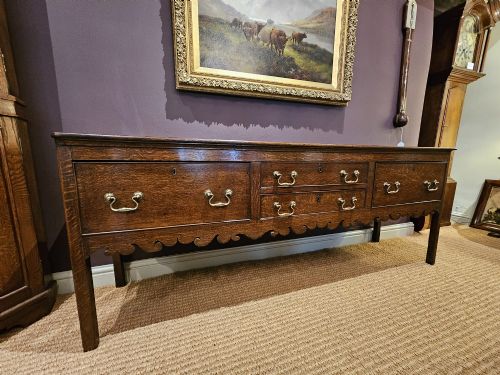
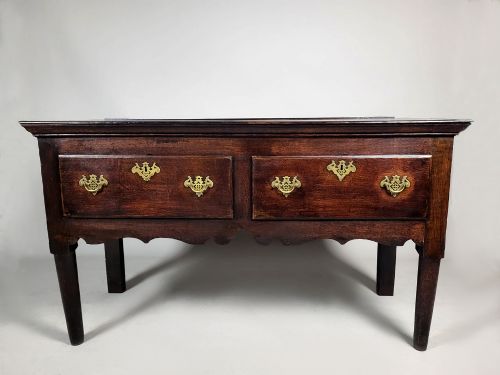
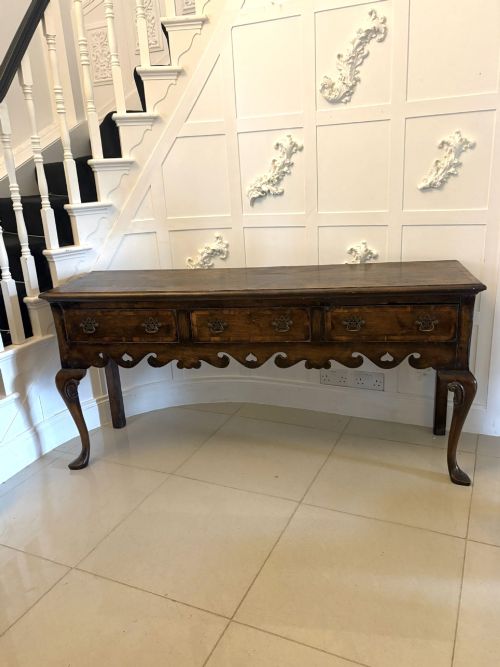
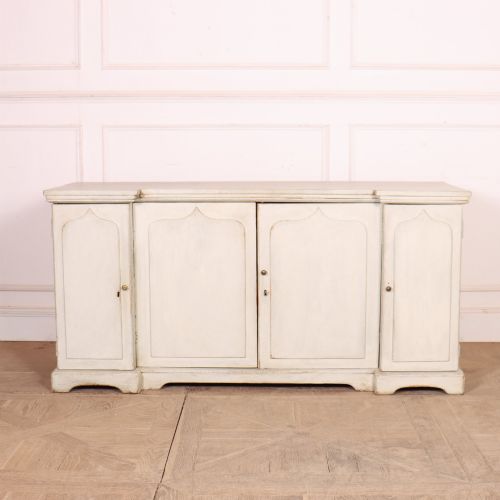
When you search for a georgian sideboard base, you are looking at substantial low furniture designed for practical service and storage in the dining room or kitchen. Most pieces you meet on this page date from the eighteenth century or the Georgian period, often constructed as heavy timber drawer bases without their original upper plate racks. These foundational items range from simple country house workhorses to formal serpentine mahogany and breakfront formats.
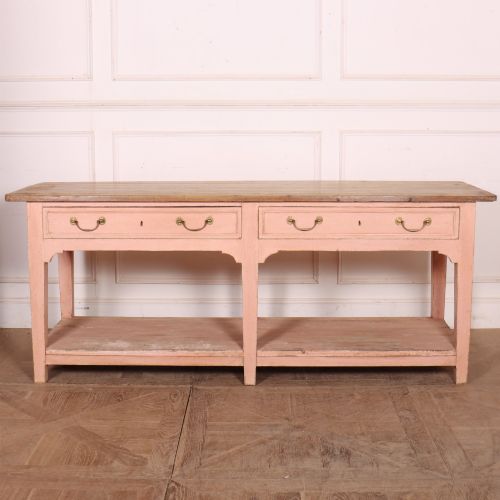
The regional variety is wide, spanning English, Welsh, and Scottish workshops using native timbers like oak, elm, fruitwood, and pine. You will encounter formats featuring open potboards beneath the main drawers, multi-drawer arrangements, and occasional cabriole leg supports referencing earlier Queen Anne tastes. Understanding these regional and stylistic shifts helps you place a particular base within its proper domestic context.
Materials and Construction
Cabinet makers relied predominantly on solid oak, mahogany, pine, and elm, selecting each timber for its specific structural strength and grain character. Oak and elm provided robust framing for heavy country pieces, while mahogany suited refined urban serpentine and bow front designs.
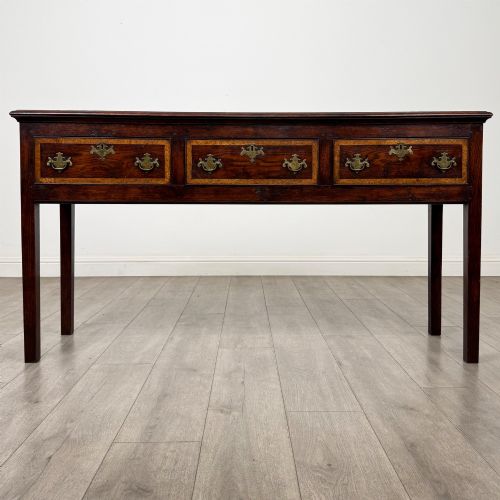
Joinery methods involved traditional hand-cut dovetails for drawer construction and pegged mortise and tenon joints for the main carcase. Original brass drop handles, backplates, and geometric mouldings completed the construction, marking the transition from utilitarian kitchen furniture to polished dining room presentation.
Listings feature oak, pine, elm, and mahogany timbers across eighteenth and nineteenth-century periods.
Distinguishing Quality in Construction and Form
The distinction between standard utility pieces and finer examples rests on timber selection, moulding detail, and the retention of original hardware. Superior bases display carefully matched timber grains across drawer fronts, crisp geometric mouldings, and minimal timber replacement over centuries of use.
Proportion and regional carpentry flair also dictate standing, where clean lines, well-executed cabriole or bracket feet, and uncompromised structural depth elevate an everyday serving table into a significant piece of vernacular design.
The Georgian Sideboard Base Glossary
- Potboard
- An open lower shelf beneath the main drawers used originally for storing heavy serving platters and pots. It defines many country house and regional formats.
- Dresser Base
- The lower section of a kitchen or dining room dresser, functioning independently as a sideboard or serving table without its superstructure.
- Serpentine
- A front contour that curves inward centrally and swells outward toward the ends, requiring advanced cabinet making skill to execute in solid mahogany or oak.
- Cabriole Leg
- A furniture leg that curves outward at the knee and tapers inward toward the foot, often ending in a pad or hoof.
- Breakfront
- A piece of furniture where the central section projects forward from the flanking outer sections, creating architectural depth.
Georgian Sideboard Base: Frequently Asked Questions
What is a georgian sideboard base?
A georgian sideboard base is a low timber serving and storage unit featuring drawers and sometimes cupboards or an open potboard. These items represent the foundational lower half of traditional kitchen and dining room dressers or standalone serving tables.
They originate primarily from the eighteenth and early nineteenth centuries, constructed by regional and urban cabinet makers using solid hardwoods and softwoods.
How were these bases used historically?
These pieces served as practical work surfaces and storage hubs in domestic kitchens and dining rooms for preparing food and holding tableware. The drawers stored cutlery and linens, while potboards and cupboards held heavy serving dishes.
Over time, many lost their upper plate racks as interior fashions changed, leaving the sturdy base to function independently as a sideboard.
How do I style a sideboard base at home?
Integrate a georgian sideboard base into a modern dining room, hallway, or kitchen as a functional console or serving station. Its low profile and deep surface accommodate lamps, ceramics, and daily items while providing generous concealed drawer storage.
Pair the warm tones of aged oak, fruitwood, or mahogany with simple contemporary surroundings to highlight the traditional timber grain and joinery.
How do I distinguish regional styles?
Regional variations appear in the choice of timber, leg shape, and overall proportions used by local cabinet makers. Welsh and Cheshire pieces often feature distinct drawer layouts and open potboards in sturdy oak.
Urban workshops favoured imported mahogany with serpentine fronts or bracket feet, reflecting changing stylistic influences from London centres.