

Georgian Seat
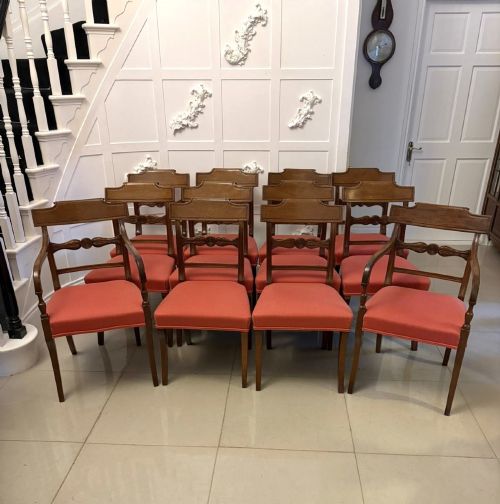
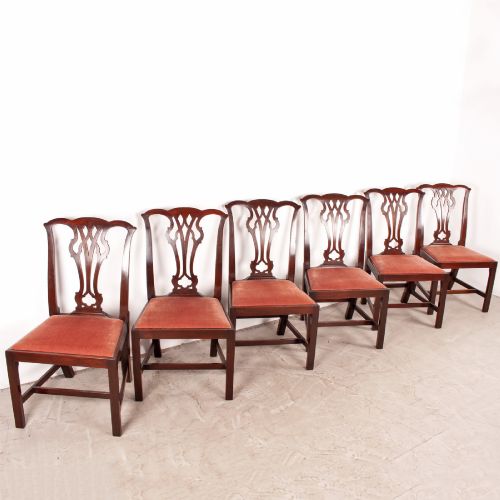
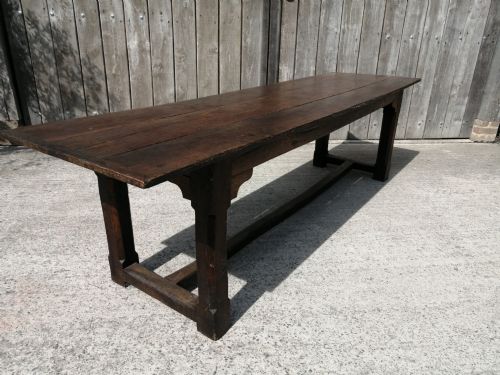
A georgian seat brings centuries of domestic history into a room, offering sturdy oak settles and carved mahogany dining chairs built for daily life.
Georgian Seat
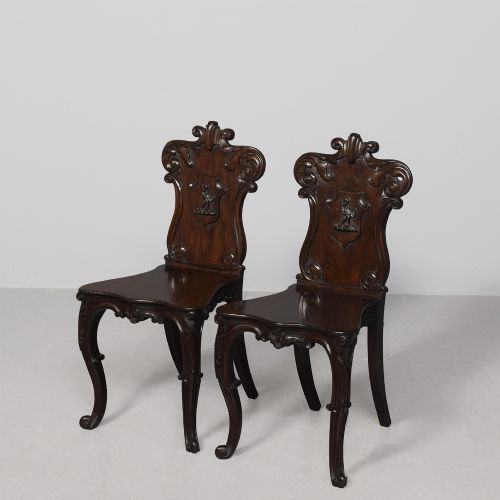
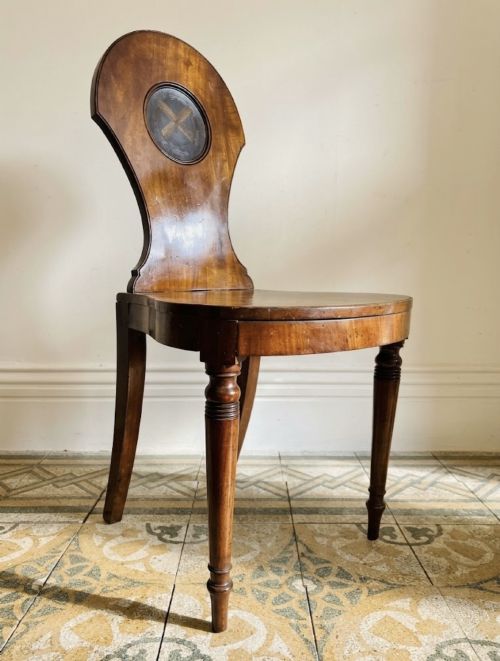
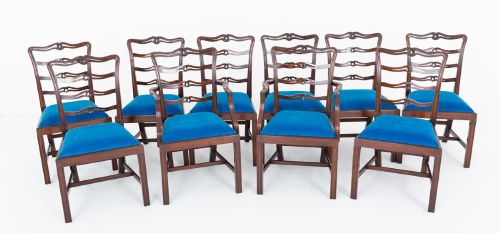
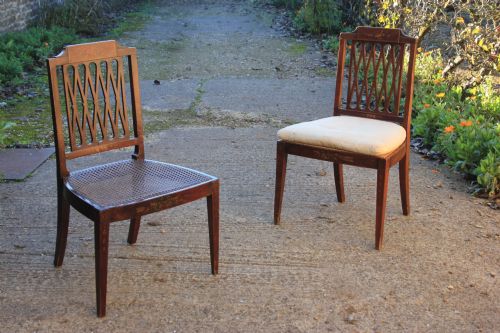
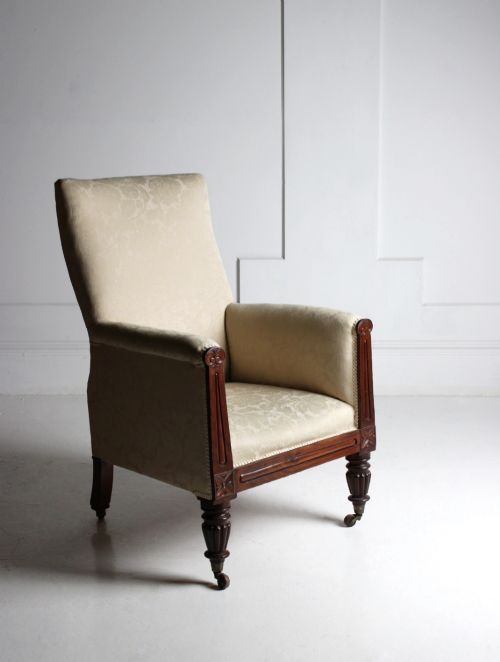
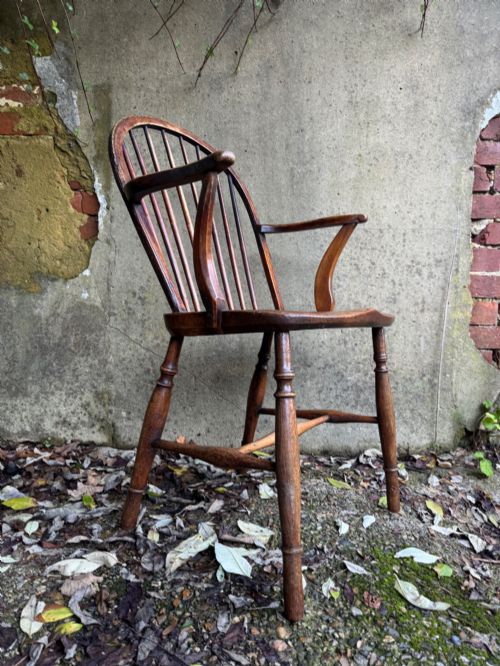
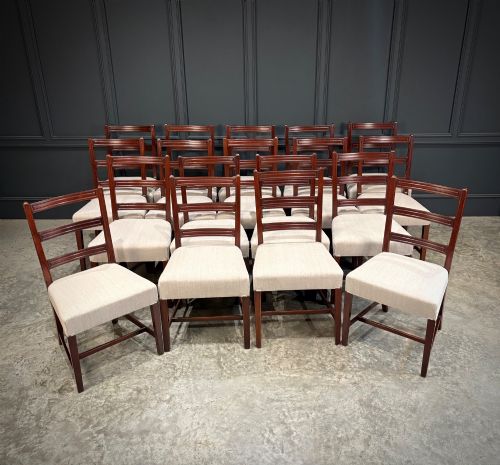
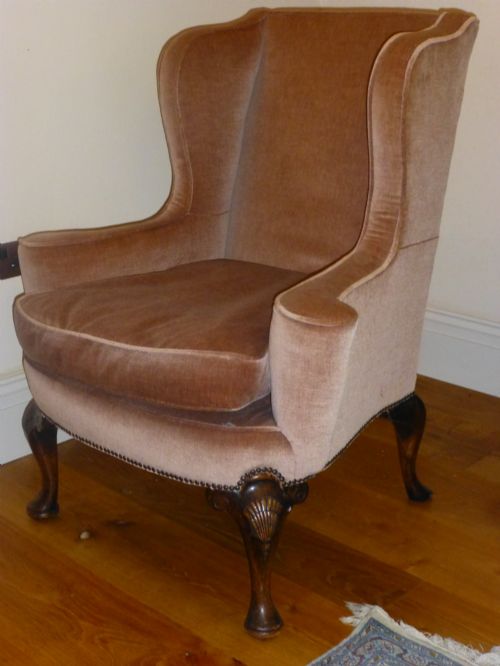
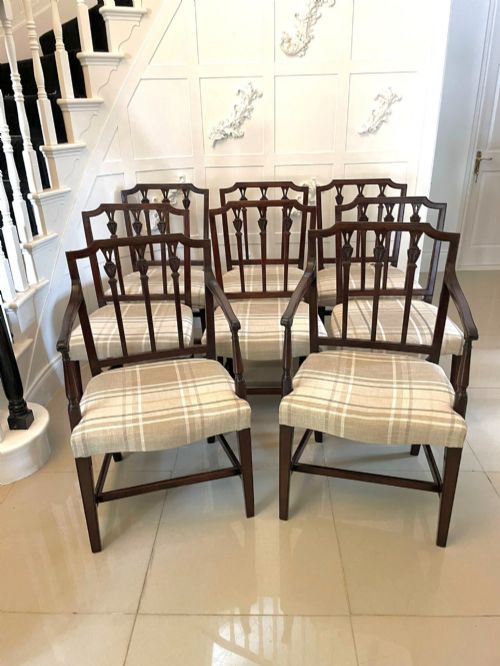
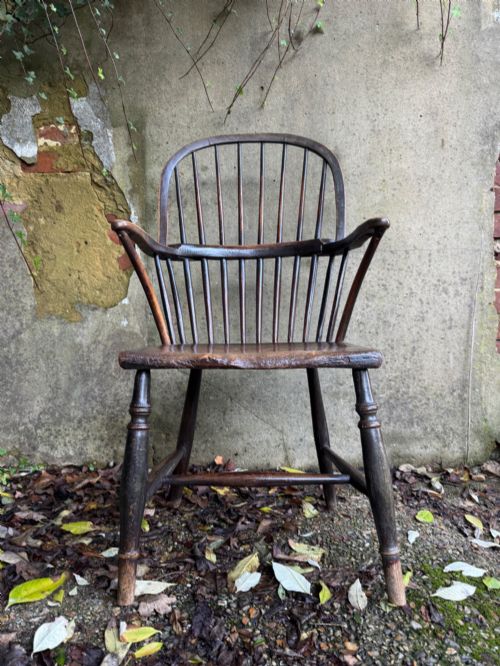
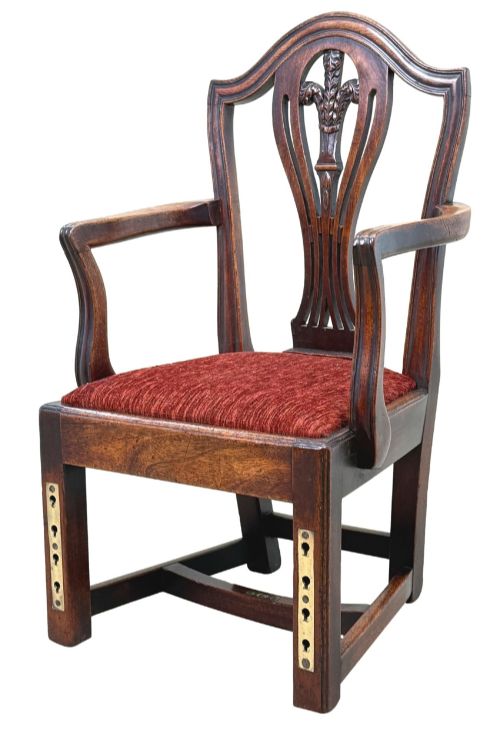
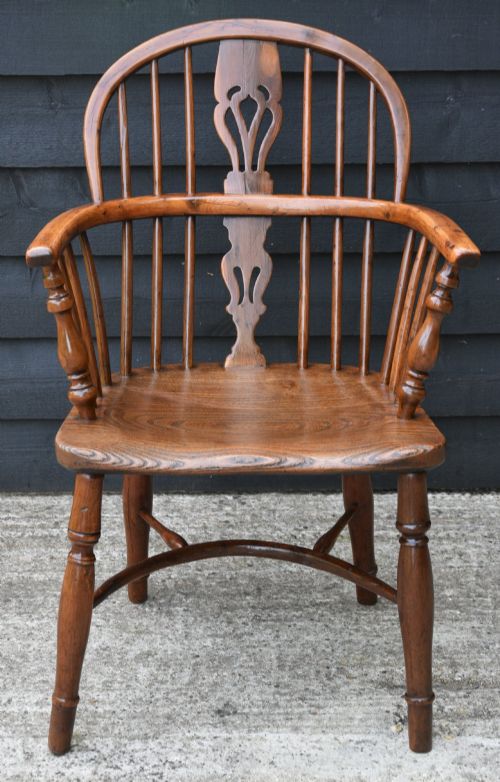
A georgian seat encompasses everything from robust country settles in oak and elm to elegant mahogany dining chairs, armchairs, and stools shaped by changing tastes across the eighteenth and nineteenth centuries. You will frequently encounter dining chairs, armchairs, and hall chairs spanning periods from the eighteenth century through to later revival interpretations.
Makers utilised native timbers like ash and elm for vernacular country pieces while favouring rich mahogany for formal town furniture intended to impress guests. The selection ranges from high-style Chippendale and Hepplewhite designs to simpler rustic forms designed for provincial halls and kitchens.
Materials and Construction
Makers built these frames using dense hardwoods such as mahogany, oak, elm, and ash, often combining turned structural supports with joined mortise and tenon framing. Brass accents and upholstered inserts in fabric, leather, or floral needlework complete the construction of finer seating.
Traditional joinery techniques ensured structural longevity, relying on pegged joints and hand-carved details rather than modern adhesives. Timber selection dictated whether a piece took a dark polish for formal dining or maintained a simpler waxed surface for domestic utility.
Georgian Seat Retail Price Guide 2026
Typical asking prices for georgian seat among the pieces listed under this phrase on Sellingantiques today, from the lower quarter to the upper quarter. They describe what is for sale here now, not the wider market.
Judging Quality
Quality rests upon the crispness of carved detail, the integrity of the timber framing, and the preservation of original surfaces rather than later restorations. Superior examples display balanced proportions and hand-carved motifs that remain sharp and well-defined across arms, splats, and crest rails.
The choice of primary timber and the complexity of the design distinguish standard domestic furniture from high-status commissions. Consistency in timber grain and minimal timber replacement preserve the historical integrity that defines a better specimen.
Miles and Edwards
The Georgian Seat Glossary
- Settle
- A wooden bench with a high back, solid arms, and often a storage box beneath the seat. It provided shelter from draughts in domestic halls.
- Carver
- An armchair designed to match a set of dining chairs, usually placed at the head of a table. These larger chairs feature supportive armrests.
- Splat
- The vertical central strip of wood in the back of a chair. It connects the crest rail to the seat and often receives elaborate carving.
- Cabriole leg
- A furniture leg that curves out at the knee and tapers inward to an ankle, finishing in a pad or claw foot. This form derives from animal limbs.
- Stool
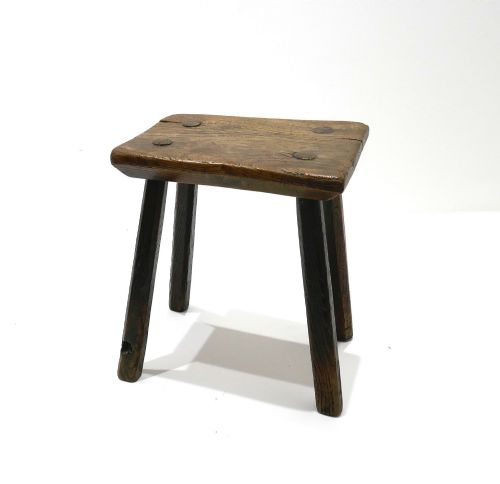
- A seat without back or arms, ranging from simple rustic designs to upholstered dressing and piano seats supported on turned legs.
Georgian Seat: Frequently Asked Questions
How do I date a wooden settle?
Dating relies upon examining construction marks, tool traces, and timber wear visible on the underside and interior panels. Earlier examples often feature pegged tenons and simpler board construction.
Changes in moulding profiles and fastener types help narrow down the decade of production. Secondary timbers used in unseen areas also offer clues to geographic origin and age.
Are dining chairs sturdy enough for daily use?
Most antique chairs remain structurally capable of daily use provided the joints are tight and stable. Solid mahogany and oak frames absorb regular seating pressure well.
Periodic checks by a professional restorer keep the glue blocks and joints secure. Avoiding excessive moisture protects the original wood and prevents movement in the frame.
What is the difference between a side chair and an armchair?
Side chairs are built without armrests, allowing them to tuck neatly around a dining table or line a hallway wall. Their compact frames made them versatile for various rooms.
Armchairs include supportive side rests and usually occupied positions of greater importance in a room. They required more intricate woodworking and timber selection during construction.
How should I care for antique upholstery?
Preserving delicate fabrics and needlework requires gentle vacuuming with a low suction attachment through a protective mesh screen. Keep upholstered pieces away from direct sunlight to prevent fading.
Professional textile conservators should handle any deep cleaning or structural repairs needed for fragile needlepoint panels. Leather sections benefit from occasional appropriate conditioning to maintain flexibility.