

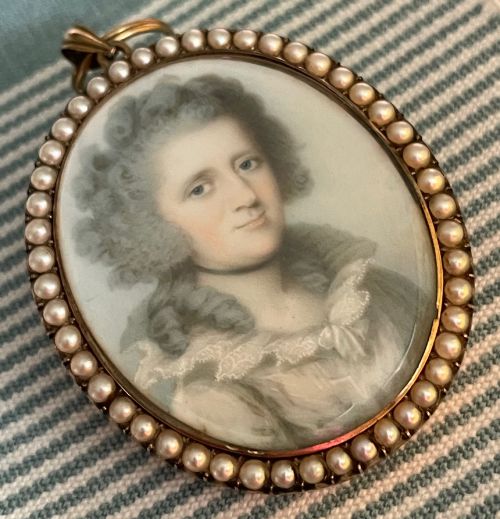
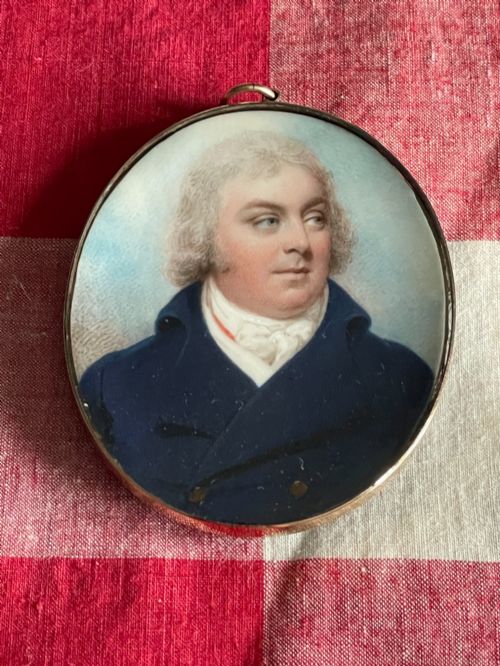
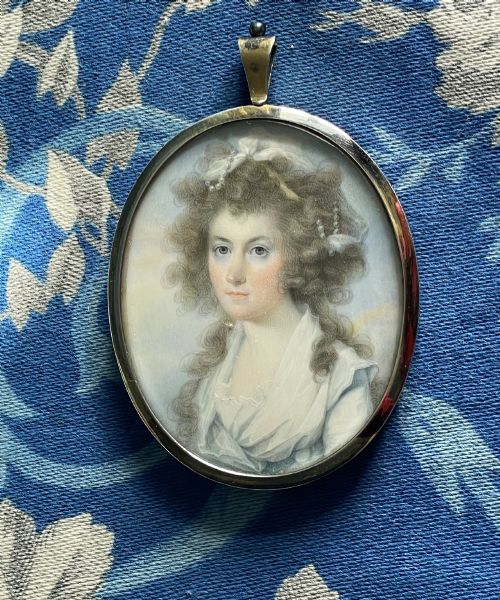
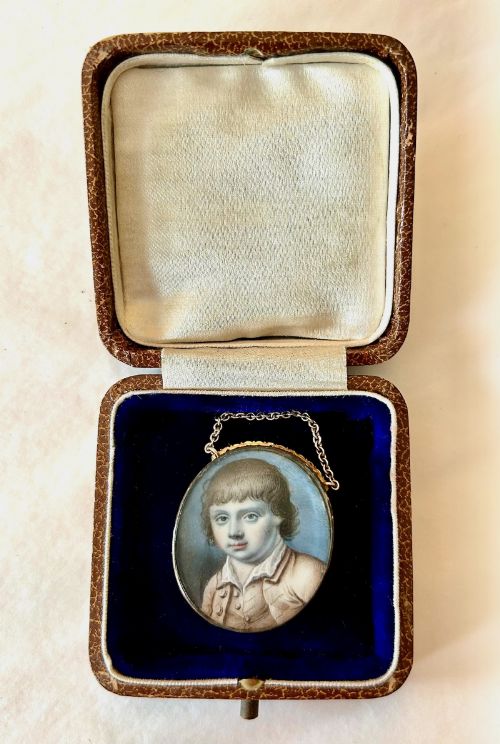



Georgian Oval Pendant
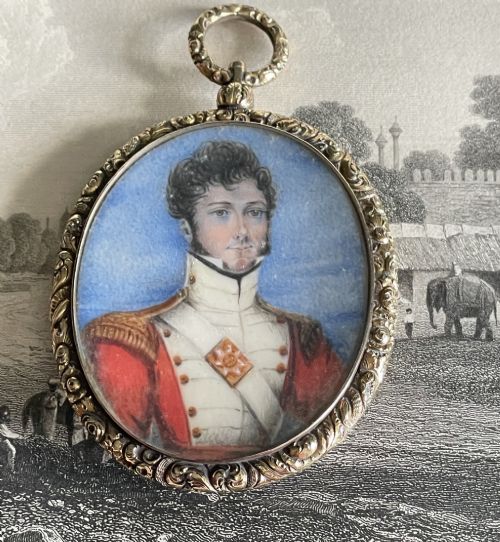
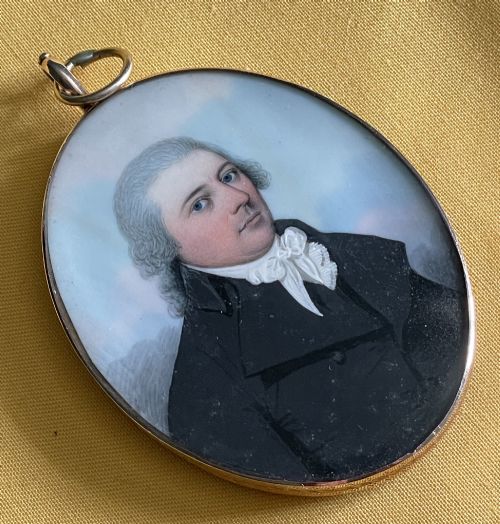
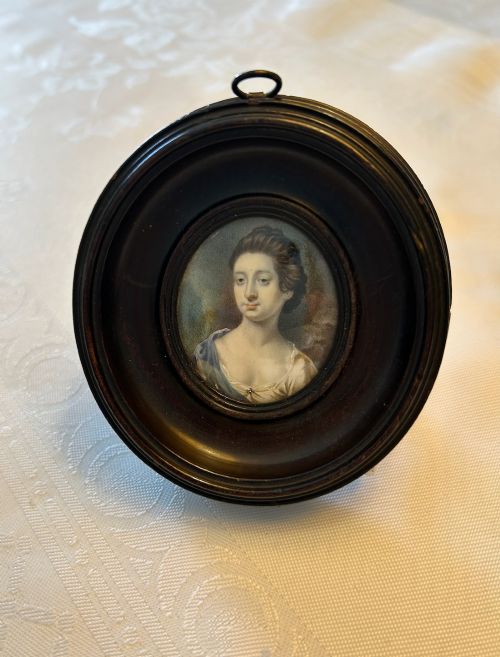
A georgian oval pendant offers a glimpse into eighteenth-century life through hand-painted portrait miniatures set in gold, gilt metal, or ebonised frames.
Georgian Oval Pendant
When you search for a georgian oval pendant, you encounter portrait miniatures painted on ivory, vellum, glass, and agate panel, housed within oval frames designed to be worn. These pieces capture sitters from the eighteenth century, the Regency era, and the Victorian period, depicting naval officers, country gentlemen, and ladies in lace.
The most common examples on this page are eighteenth-century portrait miniatures rendered in watercolour or pigment, often mounted in gold or gilt metal pendants and lockets. British school works and pieces by named artists form the core of what is available.
Beyond painted portraits, the selection includes silhouette miniatures on glass and related items such as paste silver and gold locket pendants. Each piece reflects the portable portraiture format favoured before the widespread adoption of photography.
How they were made
Artists painted delicate portraits using watercolour on ivory or vellum, and occasionally pigment on agate panels or enamel. These fragile surfaces required precise brushwork to capture facial expressions and costume details on a miniature scale.
Mounts and frames utilised gold, gilt metal, and ebonised wood, often incorporating glass to protect the painted surface. Pendant hardware and lockets were constructed to allow the miniature to be worn close to the body.
Georgian Oval Pendant Retail Price Guide 2026
Typical asking prices for georgian oval pendant among the pieces listed under this phrase on Sellingantiques today, from the lower quarter to the upper quarter. They describe what is for sale here now, not the wider market.
Naval officers peer out from several eighteenth-century frames, keeping watch over centuries of portable sentiment.
What varies in quality
The sophistication of the brushwork and the psychological depth of the sitter's portrayal separate standard works from the finest examples. Master miniaturists achieved remarkable lifelike qualities in the eyes and skin tones, whereas lesser works appear flat and stiff.
The quality of the housing also matters, as heavy gold frames and original ebonised settings command more attention than later or plain gilt metal replacements. The integrity of the delicate painted surface, free from heavy fading or cracking, dictates the overall standing of the piece.
John C D Engleheart·Frederick Buck·William Wood·Charles Hayter·William Naish·Henry Bone·George Engleheart·James Ferguson·William Grimaldi·John Inigo Wright·AE Chalon·John Barry
The Georgian Oval Pendant Glossary
- Portrait miniature
- A small, highly detailed painting, typically executed on ivory, vellum, or card during the eighteenth and nineteenth centuries. These portable artworks often commemorated family members or public figures.
- Ebonised
- Wood, such as pear or fruitwood, treated to resemble ebony through a staining and polishing process. It appears frequently on the dark, contrasting frames surrounding eighteenth-century miniatures.
- Agate panel
- A thin slice of semi-precious chalcedony used as a rigid base for miniature painting. The natural banding of the stone sometimes provides a decorative background to the portrait.
- Enamel miniature
- A portrait fused to a metal backing by firing powdered glass in a kiln at high temperatures. This technique produced durable, glossy images that resisted fading over time.
- Paste
- Faceted lead glass cut and polished to imitate gemstones in antique jewellery and locket frames. It was widely used in Georgian and Victorian metalwork.
Georgian Oval Pendant: Frequently Asked Questions
What is a georgian oval pendant?
A georgian oval pendant is a small, wearable artwork from the eighteenth century or Regency period, typically housing a hand-painted portrait miniature. These pieces served as personal mementoes and portable tokens of affection.
They combine miniature painting techniques with precious metal frames made of gold or gilt metal, designed to be worn around the neck or attached to clothing.
How were portrait miniatures worn?
Portraits were suspended from ribbons or chains as pendants, or incorporated into brooches and lockets. They allowed wearers to keep likenesses of family members or spouses close.
Many examples include loops or hinged bails at the top specifically for suspension, while others double as brooches with pin fixings on the reverse.
What materials are used in these pendants?
The painted surfaces utilise watercolour on ivory, vellum, glass, enamel, or agate panels. Pigments were applied with microscopic precision to render skin tones and fabrics.
Frames and mounts consist of gold, gilt metal, ebonised wood, and occasionally silver set with paste stones. Glass covers the front of most pieces to protect the delicate paint underneath.
How do I date a miniature pendant?
Dating relies on the costume, hair styling, and framing conventions of the sitter. Gentlemen in naval uniform or ladies in specific lace collars point to distinct decades within the eighteenth and nineteenth centuries.
Attributions to known artists or accompanying signature styles also help place a piece within periods such as the Georgian era or the Regency.