




Georgian Oval Locket
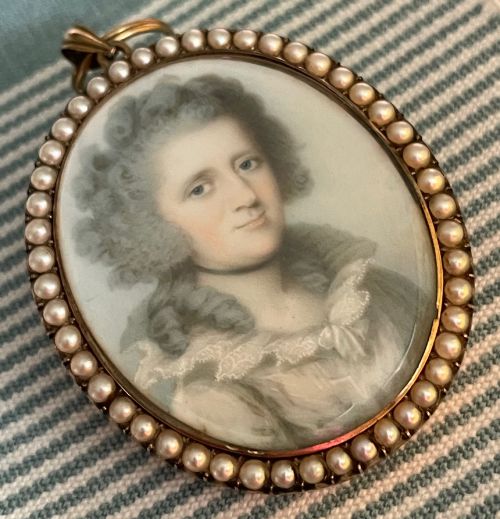
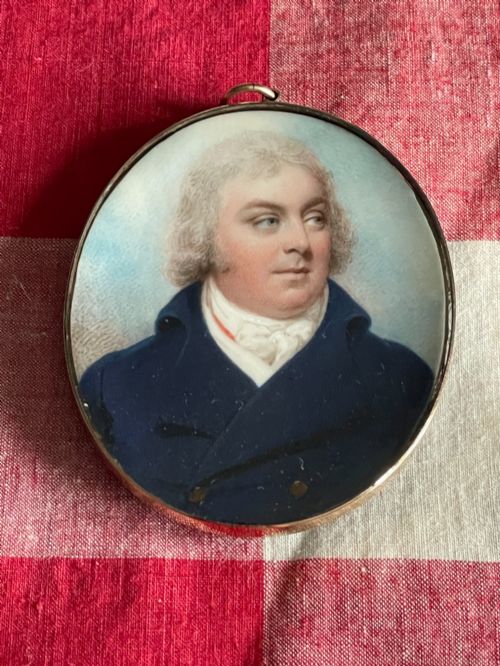
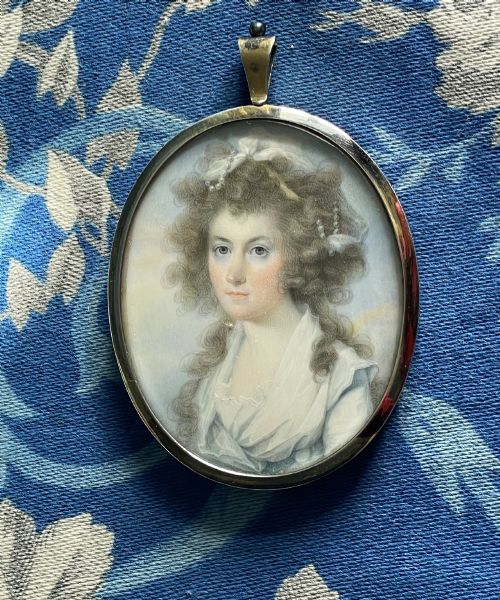
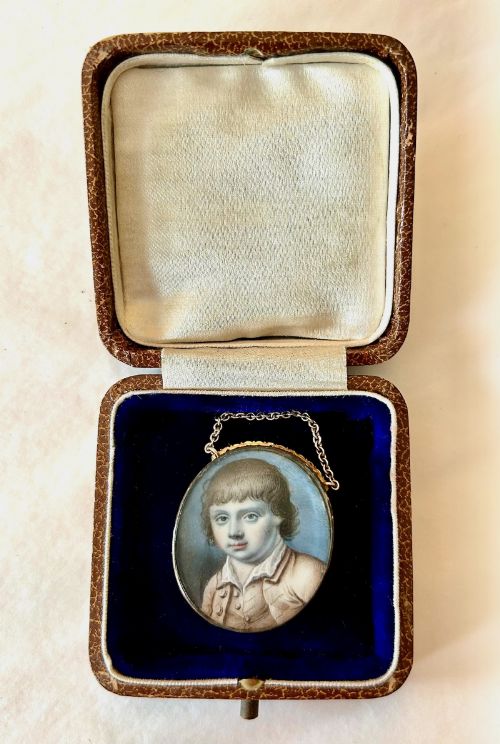
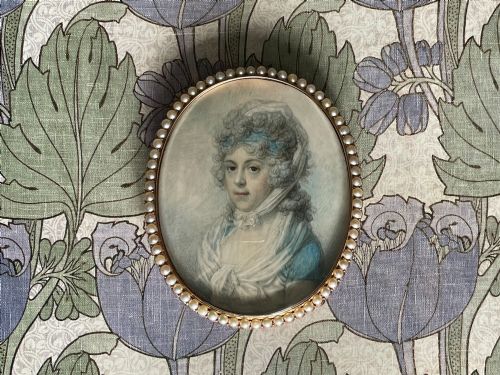
A georgian oval locket holds miniature painted portraits under glass, offering an intimate glimpse into eighteenth and nineteenth-century likenesses.
Georgian Oval Locket
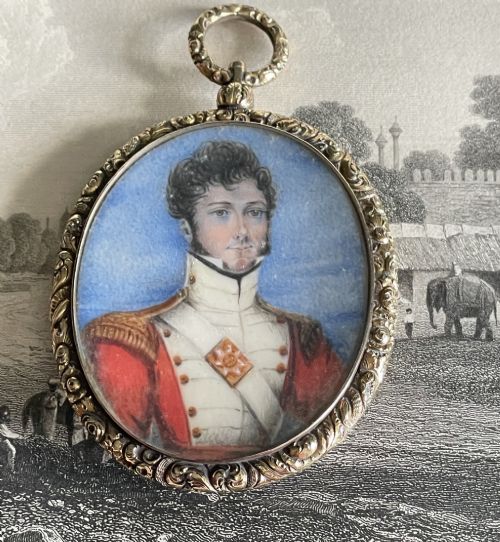
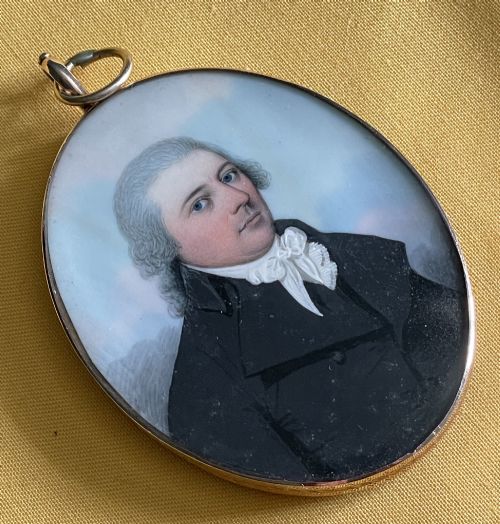
A georgian oval locket combines portrait painting with precious metal framing, often created during the eighteenth and nineteenth centuries. These pieces function as wearable tokens, housing delicate likenesses of ladies, gentlemen, and officers.
The selections on this page span the georgian and regency periods, alongside occasional nineteenth-century and victorian examples. Portrait miniatures dominate the forms, rendered on ivory, vellum, glass, and agate panel.
Makers and artists range from recorded miniaturists to anonymous hands working within British and Anglo-Indian traditions. Frames appear in gold, 18k gold, and gilt metal, occasionally housing hair or silhouette work alongside the primary pigment.
Materials and construction
Painters applied pigment and watercolour onto thin slices of ivory, vellum, or agate panels, securing the delicate surface beneath protective glass. Metalworkers shaped gold, 18k gold, and gilt frames into precise oval profiles to encase the artwork.
Specialised mountings incorporated hinged compartments or glazed reverse panels designed to hold woven hair or commemorative inscriptions. Silhouettes utilised glass supports, while structural elements relied on silver and gold settings for durability.
Georgian Oval Locket Retail Price Guide 2026
Typical asking prices for georgian oval locket among the pieces listed under this phrase on Sellingantiques today, from the lower quarter to the upper quarter. They describe what is for sale here now, not the wider market.
Many a stern military officer was quietly immortalised wearing powder and rouge.
Factors determining quality
Skill in facial rendering and fine brushwork separates accomplished portraiture from standard workshop production. The precision of the gold or gilt frame and the clarity of the protective glass also dictate the overall standard.
Provenance and attribution to documented artists elevate specific pieces, as does the survival of original backing materials and uncompromised mountings.
Richard Cosway·John C D Engleheart·Frederick Buck·William Wood·Charles Hayter·Jacob Amyand·Nicolas Freese·George Engleheart·James Ferguson·William Grimaldi·Henry Jacob Burch·John Inigo Wright·Edward Pugh·Isaac Wane Slater·AE Chalon·John Barry
The Georgian Oval Locket Glossary
- Portrait miniature
- A small-scale painting executed with fine detail, typically on ivory, vellum, or card. These works captured individual likenesses for personal keepsake or pendant display.
- Vellum
- A fine parchment prepared from calfskin, used as a smooth painting surface for detailed miniature work before ivory became dominant. It offers a stable ground for watercolour and pigment.
- Paste
- Faceted lead glass cut and polished to imitate gemstones, frequently utilised in eighteenth-century and nineteenth-century jewellery frames. It provides sparkle alongside precious metals.
- Silhouette
- A solid black profile portrait, often cut from paper or painted on glass. This technique gained popularity during the georgian and regency eras for swift likenesses.
- Agate
- A fine-grained quartz variety used as a durable backing panel for miniature paintings. Its natural banding patterns added decorative texture behind the subject.
Georgian Oval Locket: Frequently Asked Questions
What is inside a georgian oval locket?
These pieces typically enclose a hand-painted portrait miniature on ivory, vellum, or glass, depicting a specific individual from the eighteenth or nineteenth century. Some examples also preserve woven hair or memorial inscriptions behind a glazed reverse panel.
Artists used rich pigments and watercolours to capture detailed clothing, lace collars, and facial expressions within a compact oval format.
How were these lockets worn?
Owners wore them suspended from ribbons or chains as neck pendants, keeping the likeness of a relative, spouse, or military officer close to the chest. Others kept them stored in specialised boxes or displayed them on surfaces.
The metal loops and rings attached to the frames facilitated secure fastening to various types of historical dress.
How do you date a portrait miniature?
Clothing styles, hairstyles, and bonnet shapes provide the most reliable clues for dating, as sitters wore the fashion of their exact decade. Documentation or signatures inscribed on the backing card or frame also help establish a timeframe.
Changes in framing techniques, from early cast gold mounts to later regency designs, assist in narrowing down the period of manufacture.
How do I care for antique ivory miniatures?
Keep these items away from direct sunlight and high humidity, as moisture and heat warp delicate ivory and degrade watercolours. Display or store them in stable environmental conditions.
Avoid using liquid cleaners or polishing agents on the painted surfaces or historic metal frames to preserve the original materials.