

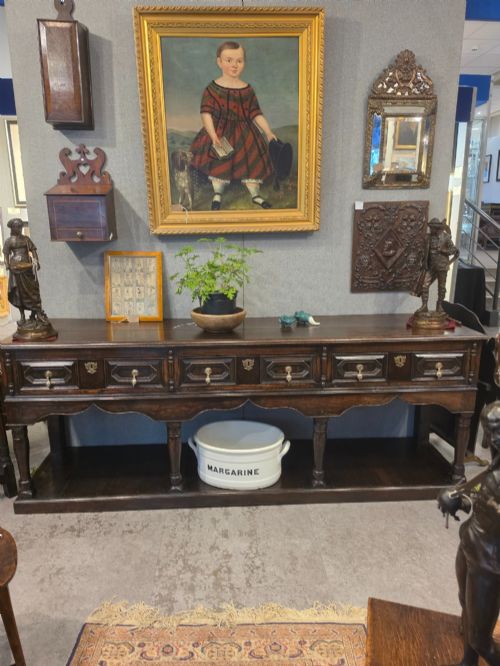
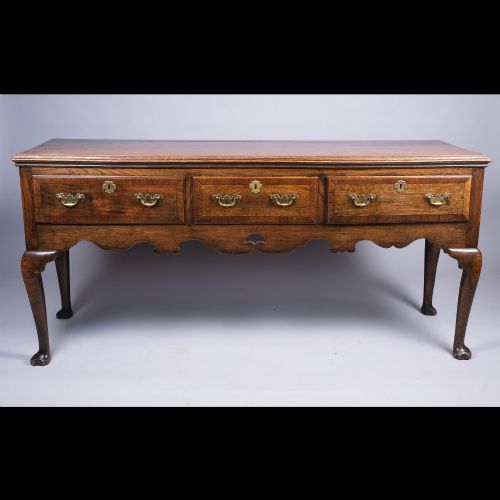
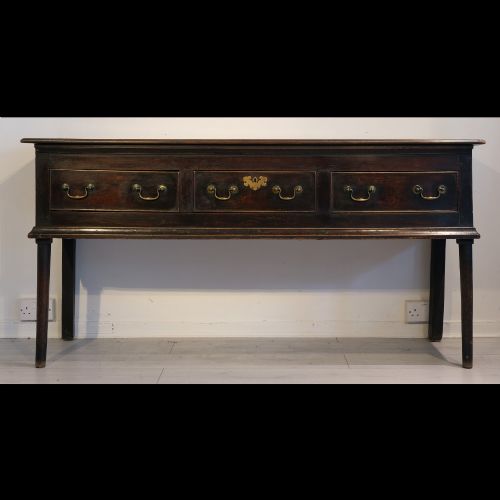
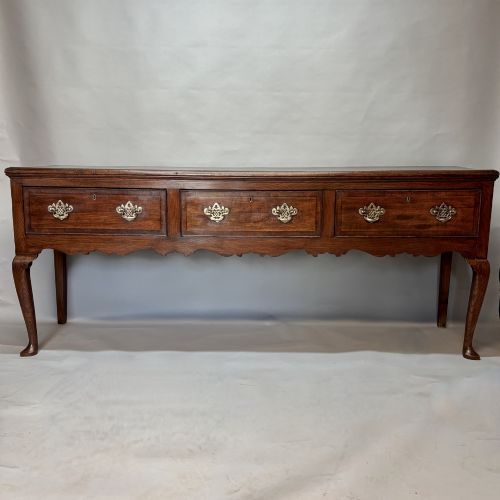

Georgian Oak Base
A georgian oak base brings honest country craftsmanship and deep patinated timber into a room, serving as a practical and enduring surface.
Georgian Oak Base
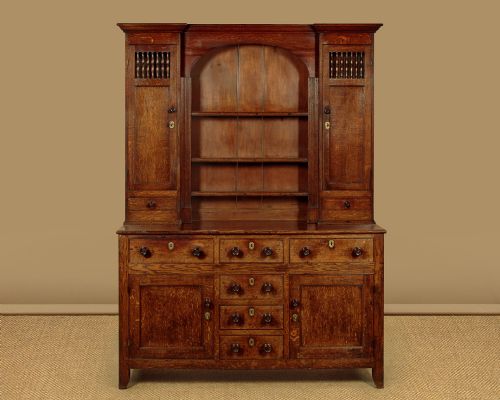
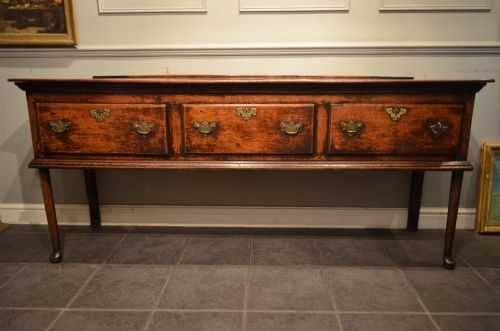
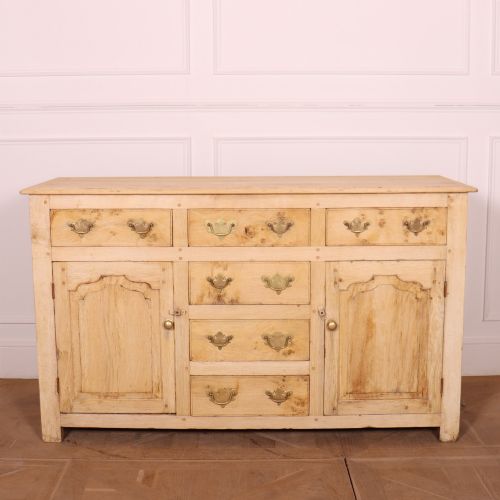
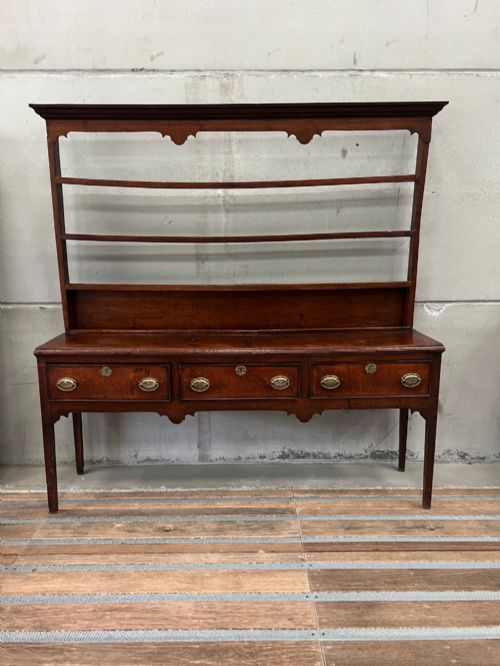
A georgian oak base represents the heavy, functional furniture built across English and Welsh regions during the eighteenth century and subsequent decades. Buyers seeking this phrase look for sturdy sideboards, potboard surfaces, and drawer units that originally served rural households.
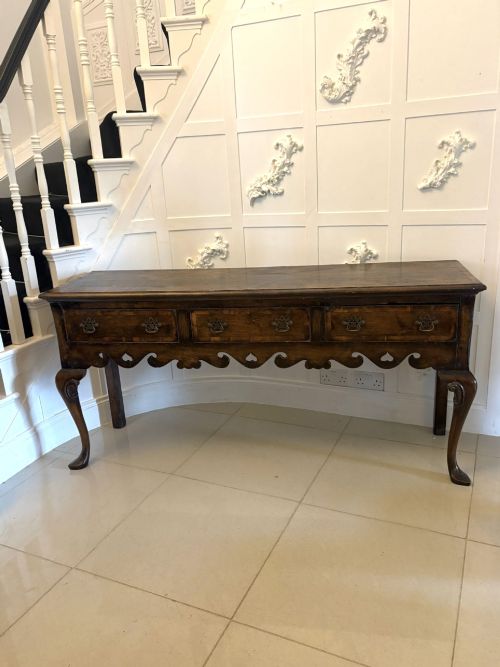
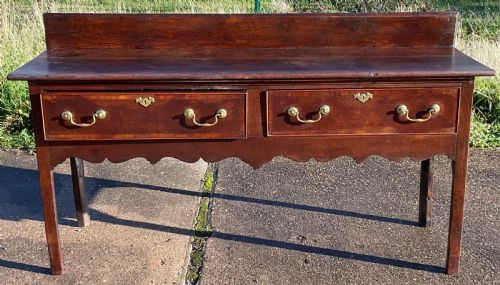
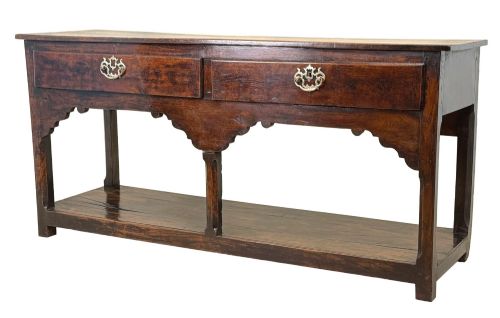
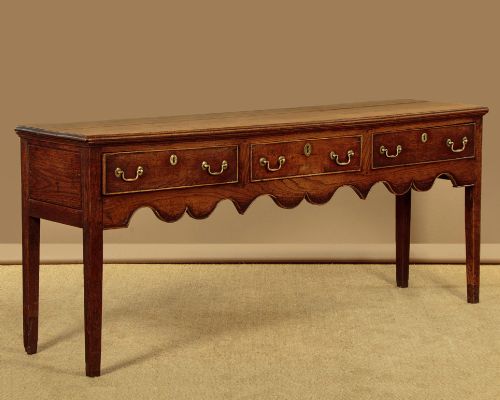
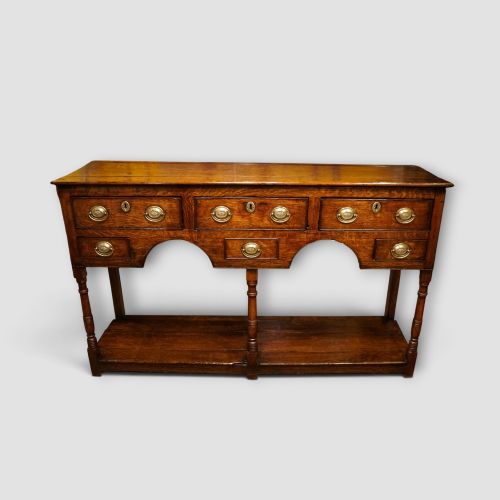
The most common form met on this page is the low dresser base, frequently fitted with multiple drawers above an open potboard or shelf structure. Regional variations from places like Wales, Cheshire, and Lancashire appear frequently alongside simpler country house designs.
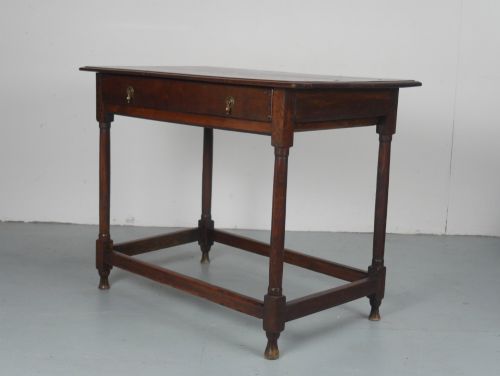
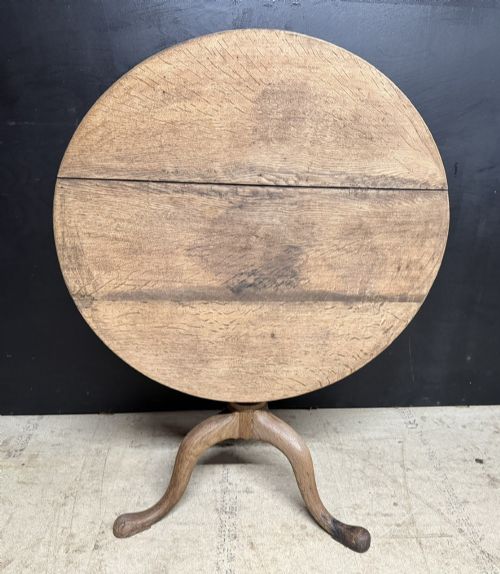
Alongside traditional dressers, the selections include housekeeper cupboards, refectory tables, and occasional side tables sharing the same solid timber construction. These pieces bridge the gap between utilitarian storage and foundational interior design.
Assessing quality and character
The degree of surface patination and originality dictates the standing of a piece, separating untouched examples from heavily restored ones. Timber that has aged naturally under decades of wax and friction displays a warmth that mechanical cleaning cannot replicate.
Proportion and regional individuality play major roles, as pieces retaining original hardware, unaltered potboards, and unblemished top planks command greater interest. Subtle details like geometric mouldings or carved friezes elevate the work of rural joiners.
Georgian Oak Base Retail Price Guide 2026
Typical asking prices for georgian oak base among the pieces listed under this phrase on Sellingantiques today, from the lower quarter to the upper quarter. They describe what is for sale here now, not the wider market.
Some industrious Georgian housekeepers polished their oak boards so frequently that the timber developed miniature ripples resembling wind-swept sand.
The Georgian Oak Base Glossary
- Potboard
- An open lower shelf built into a dresser base, traditionally used for storing earthenware and heavy kitchen pots. This platform is raised off the floor on short feet or stiles.
- Dresser base
- The lower section of a kitchen or dining room dresser, featuring surface workspace and drawer or cupboard storage below. These units often stand independently without their original upper plate racks.
- Geometric moulding
- Raised decorative framing applied to drawer fronts in repeating symmetrical patterns. This technique reflects seventeenth and early eighteenth-century joinery traditions.
- Refectory table
- A long, narrow dining table supported by sturdy legs connected via low stretchers. These tables were built to accommodate communal meals in large halls and country houses.
- Cabriole leg
- A furniture leg that curves outward in a convex arc before tapering inward to a pad or club foot. The design derives from classical forms and appears on select refined country pieces.
Georgian Oak Base: Frequently Asked Questions
How are dresser bases cleaned?
Maintain the surface by applying natural beeswax sparingly with a soft cloth to nourish the dry timber. Avoid modern chemical polishes that strip the historic wax layers and dull the patina.
Keep the wood away from direct heat sources and drastic humidity changes to prevent timber movement and splitting.
Where did these pieces originate?
Most items originate from rural workshops across English counties and Welsh valleys where local joiners worked with native timber. Regional traits often point to specific areas like Lancashire or Cheshire.
Craftsmen built these items to endure generations of domestic labour, resulting in robust forms that suited farmhouse kitchens and large pantries.
Can these fit modern rooms?
The modest depth and practical height of these tables and cupboards make them adaptable for hallways, dining spaces, and living rooms. They offer substantial storage capacity without dominating the floor plan.
Pairing the weathered wood with contemporary interiors creates a functional contrast that highlights the natural grain and age of the timber.
What defines regional variations?
Makers incorporated local building traditions, choosing specific secondary woods like fruitwood or elm alongside the primary oak framework. These regional preferences led to distinct drawer configurations and leg styles.
Geographic origins often surface through specific moulding profiles and structural proportions favoured by particular valley or county workshops.