



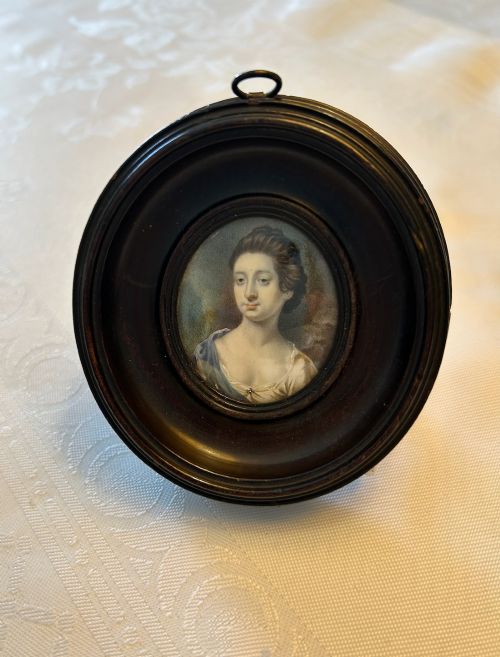


Georgian Miniature Painting Pendant
A georgian miniature painting pendant is a portable portrait of immense intimacy, prized for capturing the distinct likeness and attire of an individual in delicate detail.
Georgian Miniature Painting Pendant
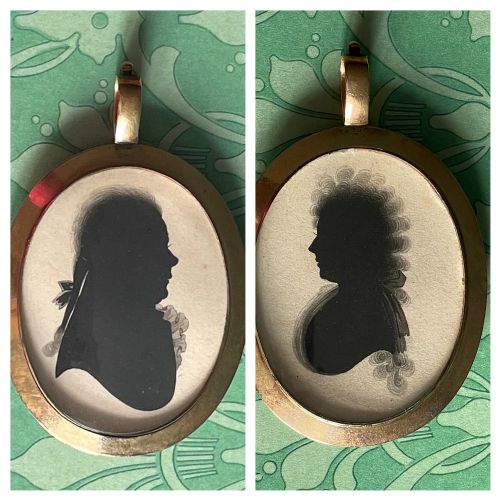
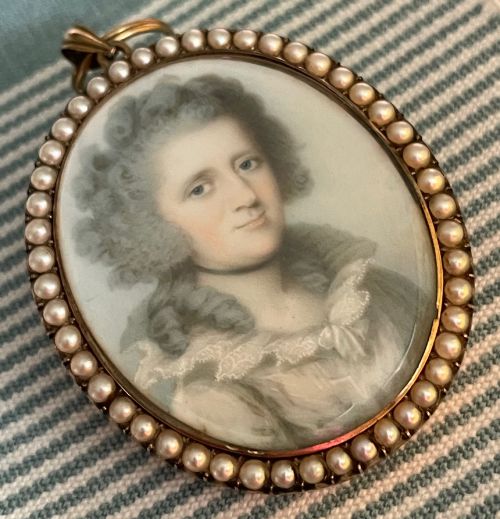
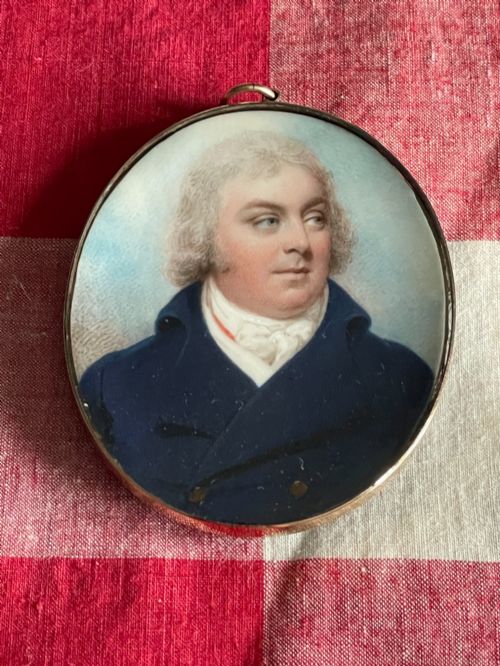
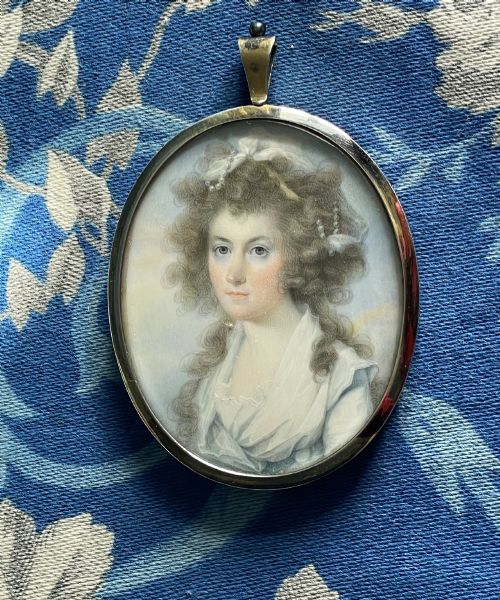
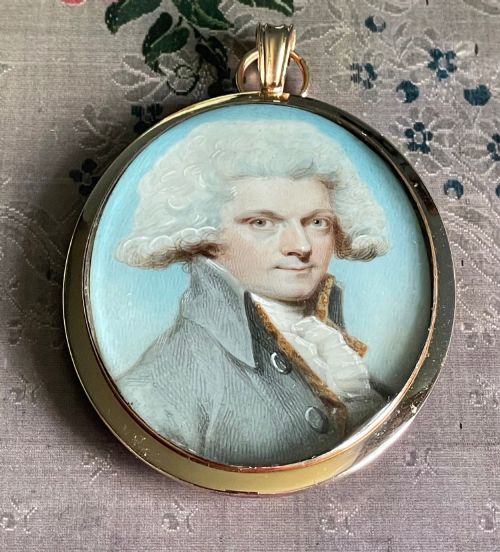
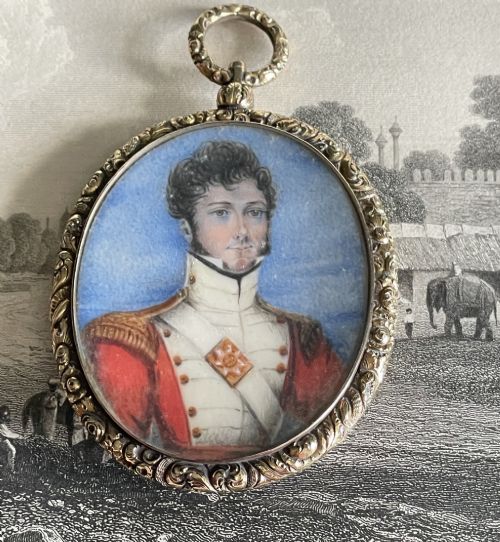
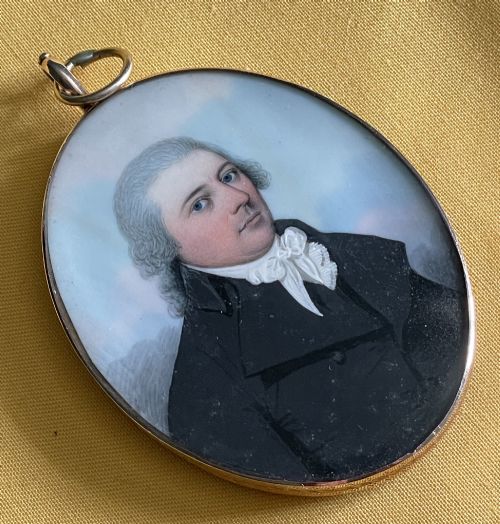
When searching for a georgian miniature painting pendant, you encounter small portraits designed to be worn close to the body or kept as private tokens of remembrance. These pieces capture sitters ranging from naval officers and military figures to ladies in lace and country gentlemen.
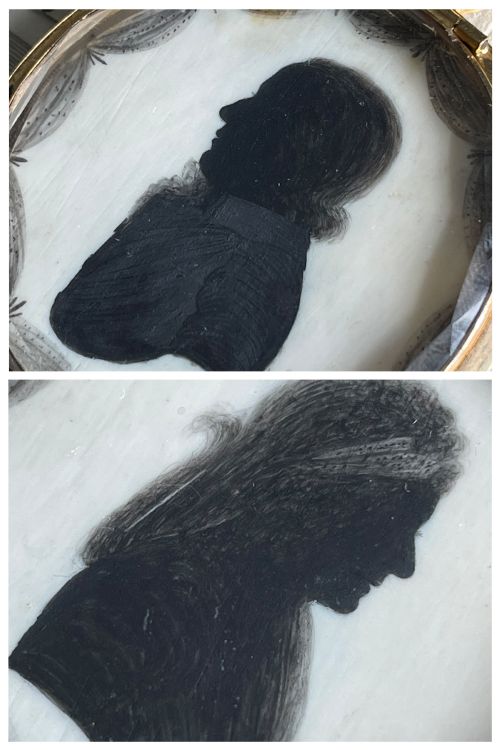
The selections span the eighteenth century and the Regency era, extending occasionally into the nineteenth century with works on ivory, vellum, glass, and agate panel. You find them housed in gold frames, gilt metal settings, and ebonised surrounds, sometimes incorporating pearls or silhouettes.
Portrait miniatures and jewellery merge in these objects, reflecting the personal sentiments and artistic conventions of the Georgian period. Each piece presents a specific human face rendered through fine pigment and watercolour techniques.
How They Were Made
Artists applied watercolour and pigment onto grounds such as ivory, vellum, glass, and agate panel to achieve remarkable precision on a small scale. Enamel painting on copper also featured prominently, requiring skilled firing in kilns to fix the vibrant colours permanently.
Frames and mounts utilised gold, gilt metal, and occasionally pearls, providing structural protection and ornamental elegance suitable for pendants and brooches. The integration of glass protected the delicate painted surfaces from atmospheric moisture and handling.
Georgian Miniature Painting Pendant Retail Price Guide 2026
Typical asking prices for georgian miniature painting pendant among the pieces listed under this phrase on Sellingantiques today, from the lower quarter to the upper quarter. They describe what is for sale here now, not the wider market.
Listings feature works from the eighteenth century, Georgian period, Regency era, and nineteenth century, executed in watercolour, enamel, and pigment.
What Varies in Quality
The refinement of brushwork and the psychological depth of the sitter's expression distinguish superior examples from standard works. Master painters captured light in lace, the texture of hair, and the distinct anatomy of the face with extraordinary precision.
The material composition of the mount contributes significantly to the character of the piece, with high-carat gold and pearl settings representing superior craftsmanship compared to simpler gilt metal frames. The preservation of the underlying support, whether ivory, vellum, or enamel, dictates the structural integrity of the miniature.
Henry Bone ARA·Charles Shirreff·John Miers·John C D Engleheart·Frederick Buck·Charles Hayter·Christian Friedrich Zincke·William Naish·George Engleheart·James Ferguson·William Grimaldi·John Inigo Wright·Samuel Cotes·John Barry·AE Chalon
The Georgian Miniature Painting Pendant Glossary
- Miniature portrait
- A small painting executed with fine detail, typically depicting a specific person from life or memory. These works required specialised magnifying lenses and microscopic brushes.
- Enamel
- A glassy substance fused to a copper or metal backing through high-temperature firing. This technique offered lasting brilliance and protection against fading.
- Vellum
- Prepared calfskin utilised as a smooth drawing surface for watercolour paintings. It provided a pale, reflective ground that enhanced the luminosity of the pigments.
- Silhouette
- A portrait profile cut from black paper or painted in solid black pigment, often on glass or plaster. Silhouette jewellery offered a stark, elegant alternative to full colour painting.
- Agate panel
- A polished slice of semi-precious chalcedony used as a stable support for miniature paintings. The natural banding of the stone often framed the subject.
Georgian Miniature Painting Pendant: Frequently Asked Questions
How were miniature painting pendants worn?
These pieces were typically suspended from ribbons or chains around the neck, allowing the wearer to keep the portrait of a loved one near the heart. They also functioned as brooches pinned directly to garments.
The intimate scale ensured that the portrait remained a private token rather than a public display, often concealed inside clothing or viewed only within the domestic sphere.
What materials support the painted surface?
Artists most frequently painted on thin slices of ivory, which imparted a natural luminosity to the skin tones of the sitters. Other supports included vellum, glass, copper for enamel works, and polished agate panels.
The choice of material often dictated the technique employed, with watercolour suiting ivory and vellum, while enamels required metal backings and kiln firing.
How do you distinguish Georgian from Regency pieces?
Georgian miniatures often feature elaborate eighteenth-century hairstyles, powdered wigs, and rich lace collars reflecting the fashion of the mid to late 1700s. The framing frequently incorporates heavy gold or detailed enamel work.
Regency era pieces shift toward simpler classical styling, reflecting Neoclassical influences with looser hair, muslin dresses, and restrained, elegant mountings that emphasise the purity of the portrait.
Who are the notable artists working in this medium?
Prominent miniaturists represented include George Engleheart, John Miers, Henry Bone, and Christian Friedrich Zincke. These painters achieved renown for their exceptional skill in portraiture on a microscopic scale.
Signed works or pieces attributed to established practitioners carry distinct stylistic traits that help identify the hand of the artist through brushwork and composition.