




Georgian Mechanical Clock
A georgian mechanical clock brings centuries of precise horological craft into a room through ticking movements, brass dials and heavy timber cases.
Georgian Mechanical Clock
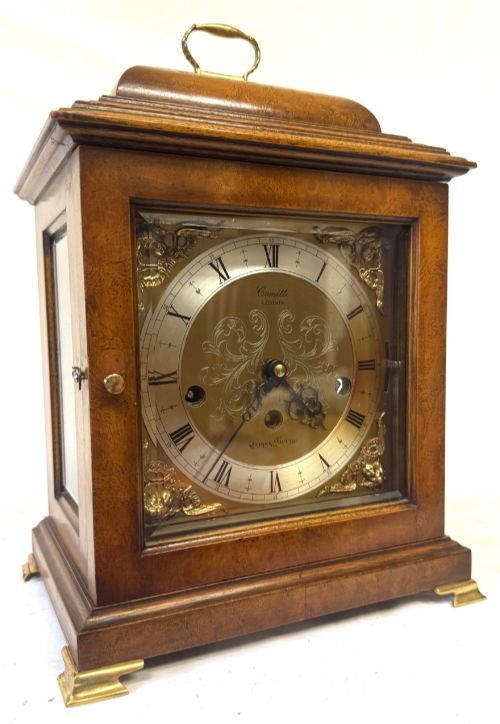
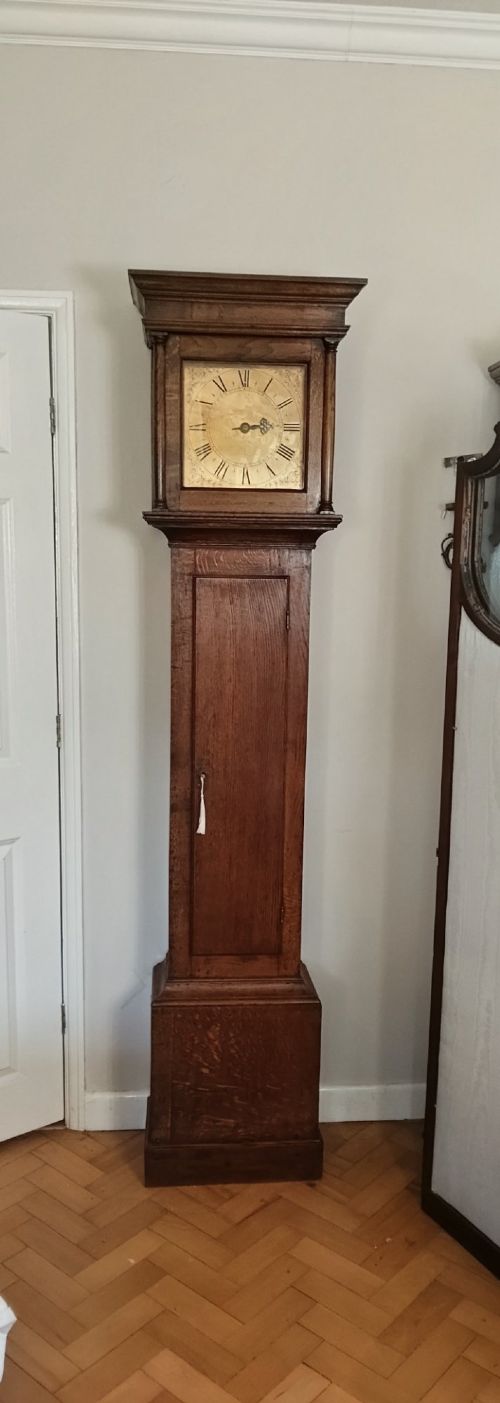
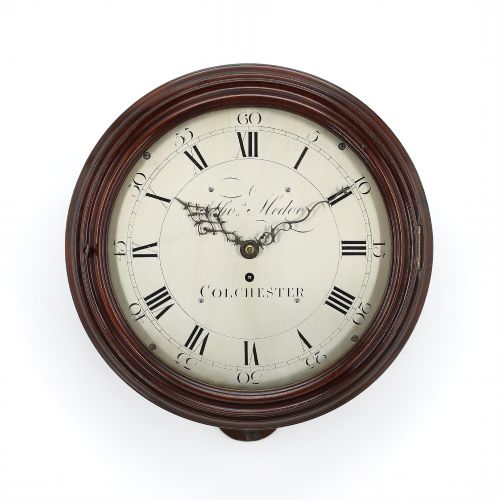
When searching for a georgian mechanical clock, buyers encounter towering longcase pieces, wall-hanging dial clocks, and portable bracket clocks designed for mantel placement. These objects combine interior gear trains, escapements, and pendulum or fusee mechanisms to keep time and sound hours.
Originating predominantly from British workshops across the eighteenth and nineteenth centuries, these horological instruments reflect periods spanning George III reigns through Regency and Victorian eras. Each piece showcases mechanical ingenuity housed within traditional cabinetmaker woodwork.
Materials and Construction
Cabinetmakers built the exterior housings using dense hardwoods such as mahogany, oak, and burr walnut, frequently embellishing surfaces with brass inlay, ebony veneers, or glass viewing panels. These timbers provided structural stability for heavy internal gear trains while offering polished decorative finishes.
Horologists constructed the internal mechanisms from brass, steel, and enamel, employing fusee drives, verge escapements, and weighted or spring-powered movements to regulate the rotation of hands across silvered or painted dials.
Georgian Mechanical Clock Retail Price Guide 2026
Typical asking prices for georgian mechanical clock among the pieces listed under this phrase on Sellingantiques today, from the lower quarter to the upper quarter. They describe what is for sale here now, not the wider market.
Object forms span large grandfather longcase models down to miniature library timepieces and wall-hanging dial clocks.
Distinctions in Quality
Quality reveals itself in the crispness of movement engraving, the structural integrity of the timber case joints, and the precision with which the gear trains maintain consistent timekeeping. Finer examples display meticulous hand-cut brass work and harmonious proportions between dial and case.
Signatures inscribed upon the dial or backplate by established makers elevate a clock's standing, alongside original untouched components within the mechanical train rather than modern replacement parts.
Thomas Hedge of Colchester·Des Granges of London·Grey of Edinburgh·Louis Recordon·John Thompson London·Perigal and Duterrau·James Evans
The Georgian Mechanical Clock Glossary
- Fusee
- A conical pulley used in mechanical clocks to maintain an even pull on the gear train as the mainspring unwinds. This mechanism ensures consistent torque and better timekeeping accuracy.
- Verge escapement
- An early type of escapement mechanism utilising a crown wheel and a rod with pallets. It controls the release of power in pendulum or balance-wheel clocks.
- Bracket clock
- A portable household clock originally designed to sit upon a wall bracket or table surface. These often feature carrying handles and glazed side panels.
- Grandfather clock
- A tall freestanding weight-driven timepiece housed inside a long timber case. They are also known as longcase clocks.
- Automaton
- A mechanical figure or moving scene integrated into the clock face. These elements animate in synchronization with the timekeeping or chiming mechanism.
Georgian Mechanical Clock: Frequently Asked Questions
How do fusee clocks work?
A fusee clock uses a conical pulley connected to the mainspring via a cord or chain. As the spring loses tension, the chain moves to a wider part of the cone to maintain steady power.
This clever mechanical adjustment counteracts the weakening spring force to keep the gear train running at a uniform speed.
Where were these clocks placed?
Longcase clocks stood directly on hallway or parlour floors where high ceilings accommodated their tall timber bodies. Wall clocks hung securely in functional spaces like kitchens or offices for easy viewing.
Smaller bracket and library clocks sat upon tables, mantelpieces, or dedicated wall brackets within formal rooms.
How do I wind my clock?
Winding requires inserting a key into the dial arbours and turning gently until you feel resistance from the spring or until the weights reach the top. Care must be taken not to overwind the mechanism.
Consulting the specific movement type ensures you wind the time and strike trains correctly without damaging internal components.