

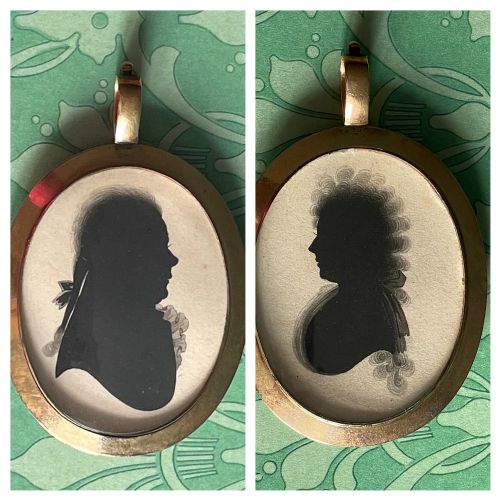
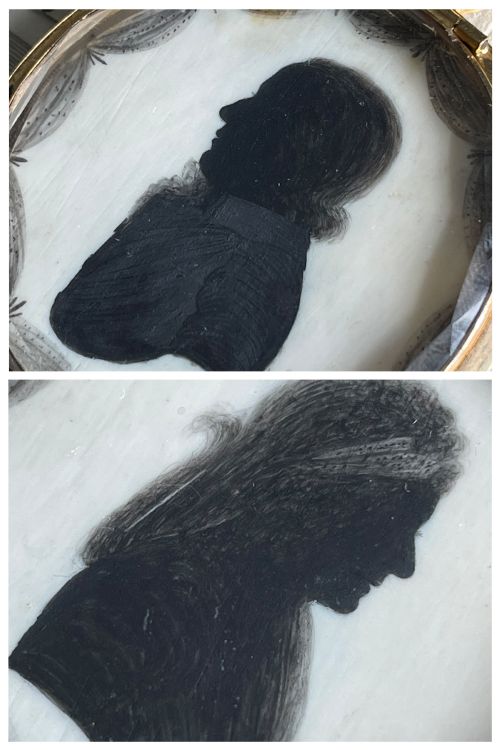
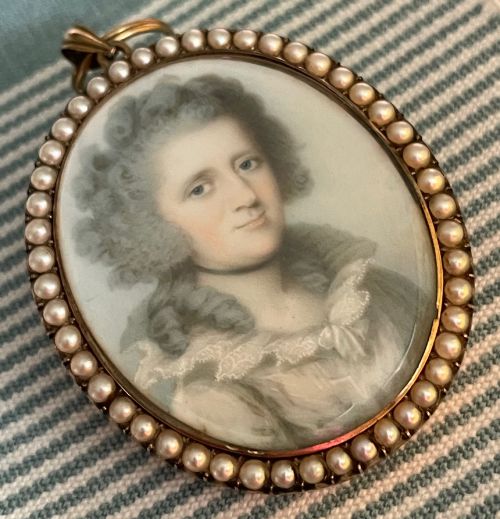
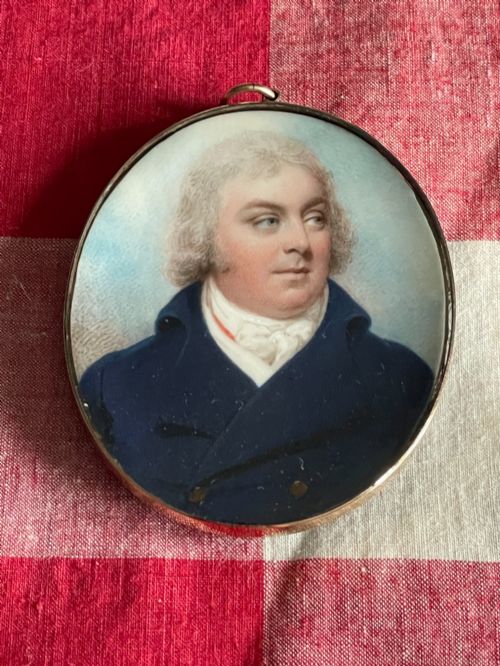



Georgian Gold Miniature Locket
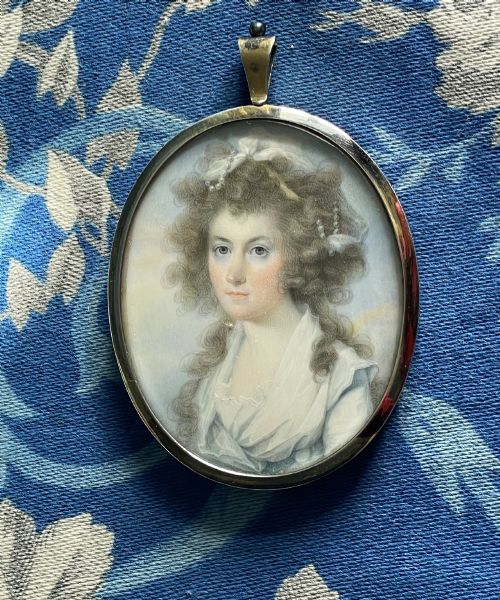
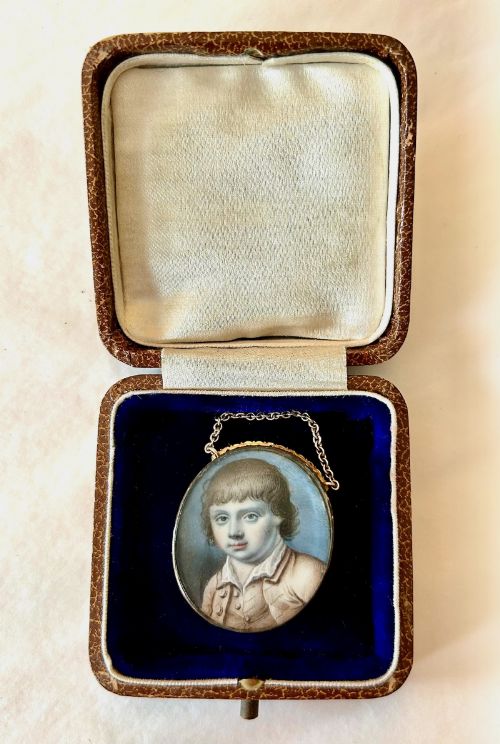
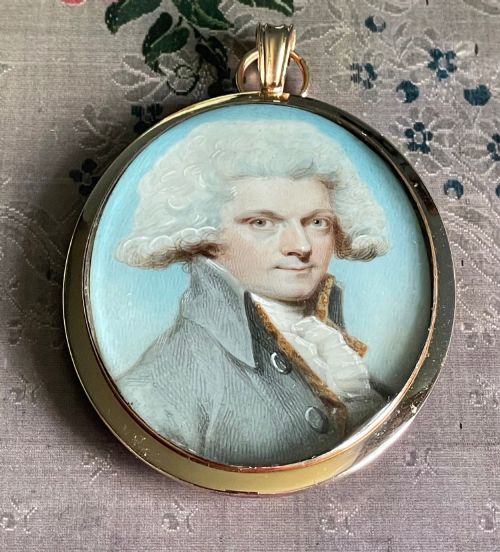
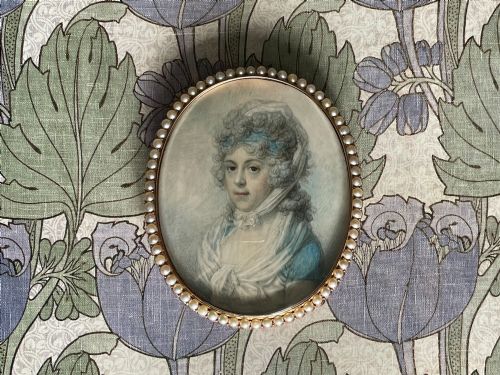
A georgian gold miniature locket holds a hand-painted portrait close, combining intimate portraiture with wearable gold craftsmanship.
Georgian Gold Miniature Locket
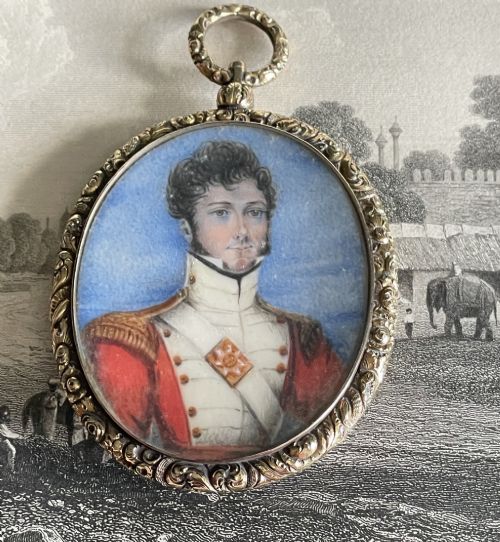
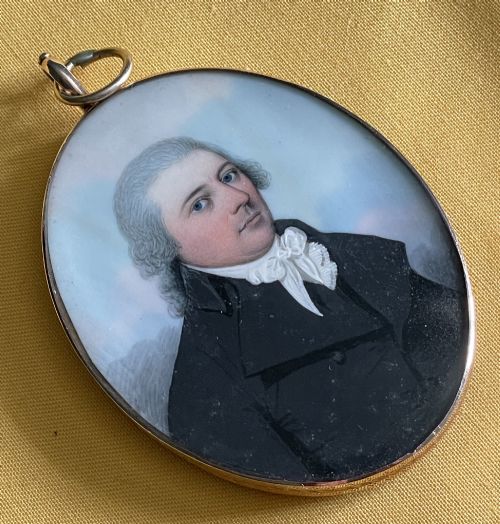
The objects take the form of lockets, pendant frames, and silhouette jewellery pieces designed to be worn close to the heart. Subjects range from naval officers and country gentlemen to unnamed ladies and children, rendered by notable artists of the era. The surviving pieces demonstrate the high status and personal sentiment attached to portrait miniatures during the Georgian age.
Materials and construction
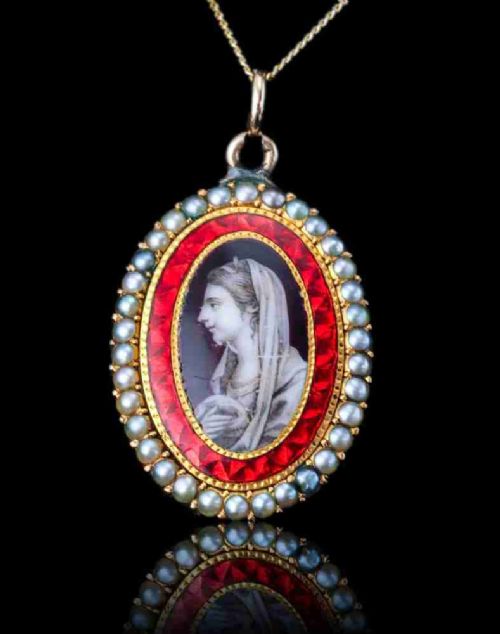
Makers constructed the frames using gold, often in fourteen-carat or nine-carat purity, alongside gilt metal and pearl settings. These precious housings protected delicate interior mediums such as watercolour on ivory, vellum, enamel, pigment, and agate panels. Glass protected the painted surfaces from atmospheric damage while maintaining clear visibility of the artwork.
Artists applied fine pigments with meticulous brushwork, sometimes creating monochromatic sepia tones or vibrant enamels. Silhouettes added a crisp, graphic alternative to detailed portraits. The integration of glass, metal, and painted surfaces required specialised skill to secure the miniature within its gold pendant structure.
Georgian Gold Miniature Locket Retail Price Guide 2026
Typical asking prices for georgian gold miniature locket among the pieces listed under this phrase on Sellingantiques today, from the lower quarter to the upper quarter. They describe what is for sale here now, not the wider market.
Some officers carried their likenesses into battle inside these gold frames, hoping someone back home would recognise them.
Quality variations in miniature lockets
The metalwork of the pendant also distinguishes pieces, with substantial gold frames and original pearl settings indicating superior patronage. The integrity of the union between the painting and its housing determines the overall stability and desirability of the object.
Henry Bone ARA·Charles Shirreff·Richard Cosway·John Miers·John C D Engleheart·Charles Hayter·Christian Friedrich Zincke·George Engleheart·James Ferguson·William Grimaldi·Henry Jacob Burch·John Inigo Wright·Edward Pugh·Samuel Cotes·Isaac Wane Slater·AE Chalon
The Georgian Gold Miniature Locket Glossary
- Portrait Miniature
- A small, highly detailed painting on ivory, vellum, or card, designed for private viewing or personal wear.
- Silhouette
- A solid black profile portrait, often cut from paper or painted on card, popular for pocket-sized keepsakes.
- Enamel
- A durable substance made by fusing powdered glass to a metal substrate under high heat, used for lasting colour fidelity.
- Gilt Metal
- Base metal treated with a thin layer of gold to simulate solid precious metal housings.
Georgian Gold Miniature Locket: Frequently Asked Questions
What is inside a miniature locket?
These lockets typically enclose a hand-painted portrait on ivory, vellum, or enamel, protected behind glass.
Subjects include named individuals, military officers, and family members rendered in watercolour or pigment.
How were these lockets worn?
They functioned primarily as pendant necklaces or personal keepsakes worn close to the body.
The gold loops and frames allowed owners to secure them to chains or ribbons.
Are all lockets made of solid gold?
The evidence shows frames constructed from various materials including fourteen-carat gold, nine-carat gold, and gilt metal.
Precious metal content varied depending on the original owner's budget and the piece's intended status.
How do you date a portrait miniature?
Dating relies on costume styles, hairstyles, painting techniques, and the stylistic conventions of the period.
Costume details like powdered wigs, bonnets, and military uniforms provide specific chronological markers.