



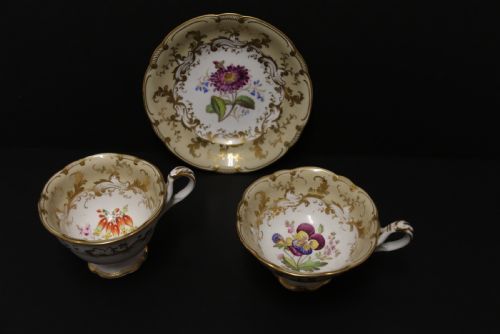


Georgian China Tea Set
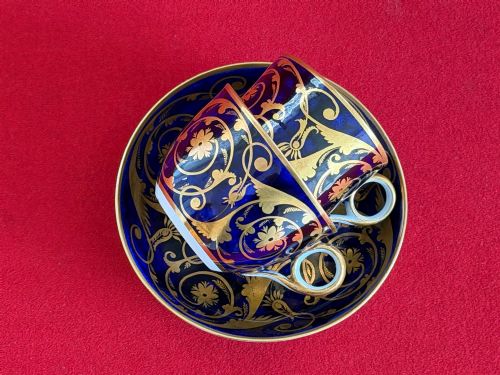
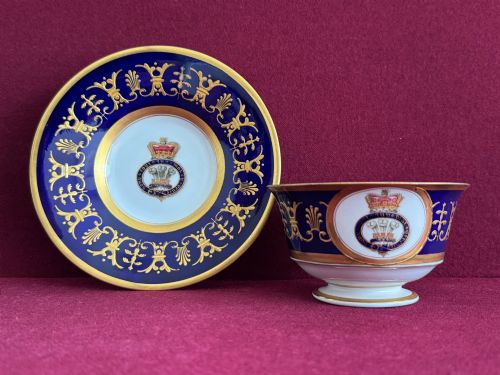
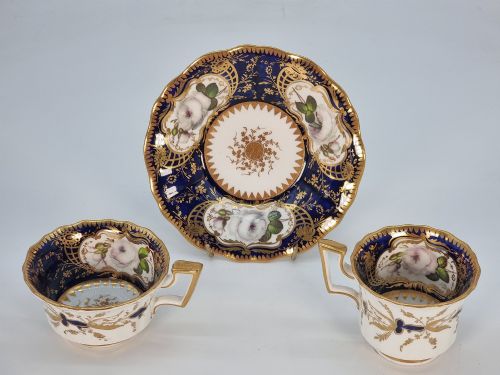
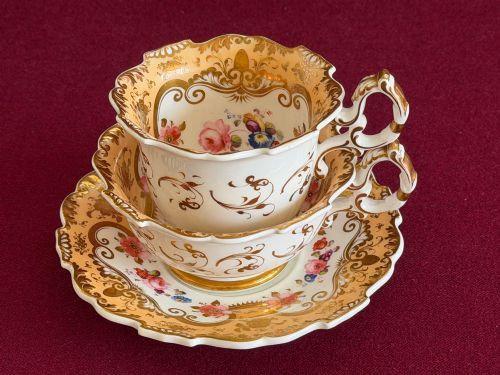
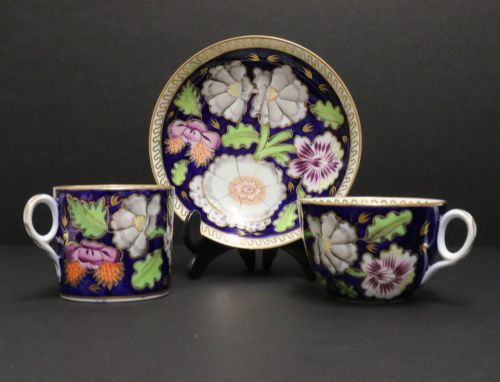
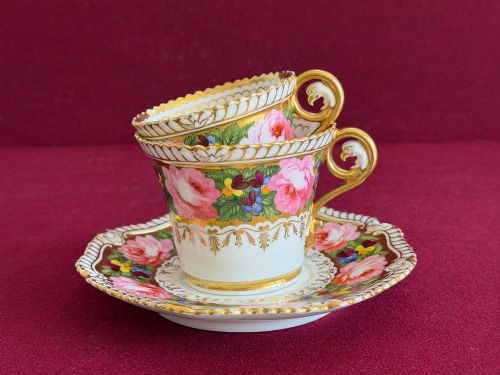
A georgian china tea set brings the elegance of the eighteenth and nineteenth centuries straight to the table with handpainted porcelain and intricate gilding.
Georgian China Tea Set
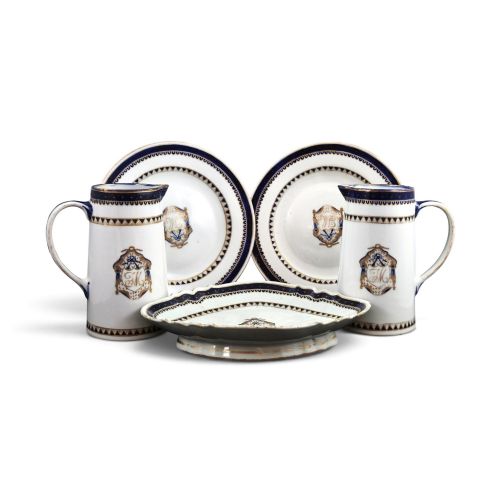
A georgian china tea set typically comprises teacups, saucers, trios, and sugar bowls originating from the eighteenth and nineteenth centuries. Buyers frequently encounter individual trios, cabinet cups, and matched services dating from the Georgian and Regency periods.
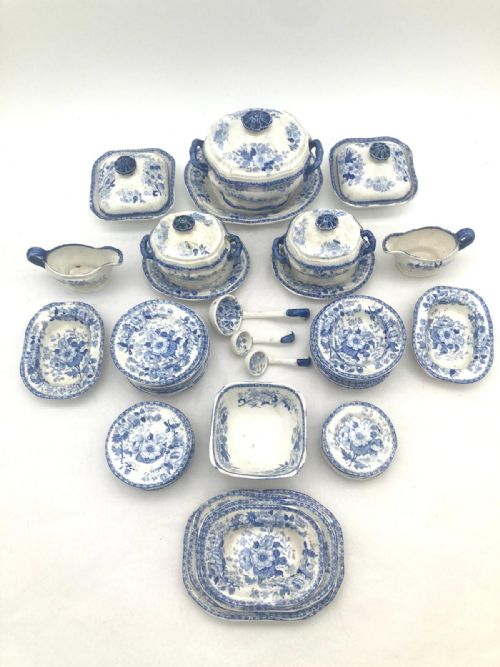
The selection ranges from early eighteenth-century blue and white Worcester tea bowls to elaborate Regency period porcelain services decorated with handpainted motifs and gold leaf. Formats span from standard table porcelain to miniature child services and specialised sugar boxes.
Materials and methods
Potters utilised porcelain, bone china, soft-paste porcelain, and earthenware to shape these vessels, often employing transfer printing or direct handpainting for the decoration. Artisans applied gold leaf, gilding, and enamel to enhance the surfaces of cups, saucers, and sucriers.
Factories formed pieces through moulding and throwing before firing them in kilns, followed by meticulous application of underglaze blue or polychrome enamel schemes. Many items incorporated Chinese export traditions alongside domestic Regency and Georgian neoclassicism.
Georgian China Tea Set Retail Price Guide 2026
Typical asking prices for georgian china tea set among the pieces listed under this phrase on Sellingantiques today, from the lower quarter to the upper quarter. They describe what is for sale here now, not the wider market.
Look closely to spot whimsical pattern names like "Crazy Cow," "Bengal Tiger," and dragon compartments hiding inside eighteenth-century cups.
Evaluating the craftsmanship
Quality rests upon the precision of the handpainted details, the crispness of moulded patterns like blue scale or chrysanthemums, and the preservation of the original gilding. Finer pieces demonstrate superior translucency in the porcelain body and careful alignment in transfer-printed designs.
The sophistication of the enamel palette and the artistic execution of complex patterns, such as dragon motifs or fancy birds, distinguish standard tablewares from exceptional cabinet pieces.
H and R Daniel·Chamberlain Worcester·Newhall Porcelain·Coalport John Rose·Minton·Derby·Flight Barr and Barr·Hicks Meigh and Johnson·Ridgway·Spode·Davenport
The Georgian China Tea Set Glossary
- Trio
- A matched set consisting of a teacup, a coffee cup, and a saucer. These groupings became popular during the Regency period for serving both beverages.
- Sucrier
- A covered container designed specifically for holding sugar. They frequently match the decorative pattern of the accompanying tea service.
- Soft-Paste Porcelain
- An artificial ceramic body composed of clay and glass frit, fired at lower temperatures than hard-paste porcelain. It is common in eighteenth-century English wares.
- Blue Scale
- A distinctive underglaze blue ground pattern resembling fish scales, developed at Worcester in the eighteenth century. Panels of flowers or birds are typically reserved within the pattern.
- Cabinet Trio
- A decorative porcelain grouping intended for display in a cabinet rather than daily use. These pieces often exhibit superior painting and extensive gilding.
Georgian China Tea Set: Frequently Asked Questions
What is included in a georgian china tea set?
These sets and component trios generally include teacups, coffee cups, saucers, and occasionally sugar bowls known as sucriers. Individual cups and saucers also appear frequently.
Buyers often assemble collections piece by piece, selecting individual trios or cabinet cups that share similar period characteristics and decorative styles.
How do I date a georgian china tea set?
Dating relies on identifying factory marks, stylistic influences such as Regency neoclassicism or Rococo, and the specific type of porcelain body used. Soft-paste porcelain typically points to the eighteenth century, while bone china becomes prevalent later.
Comparing pattern numbers and stylistic motifs with documented factory histories helps narrow down the decade of production.
Are these tea sets suitable for daily use?
Most pieces from this era function primarily as decorative cabinet items or display porcelain due to their age and delicate enamel decoration. Handpainted details and gold leaf require gentle care.
Collectors generally reserve them for special occasions or display them within cabinets to preserve the historic surfaces.
What is the difference between porcelain and bone china here?
Porcelain encompasses both hard-paste and soft-paste ceramic bodies fired from natural clay mixtures, whereas bone china incorporates bone ash into the mixture for added strength and whiteness. Both materials were utilised by major English factories.
Soft-paste pieces often display a warmer tone and distinctive translucency when held to the light.