



Geometric Accent Lamps
Geometric accent lamps bring structured form and directional light into a room, spanning periods from Victorian brass to Art Deco chrome.
Geometric Accent Lamps
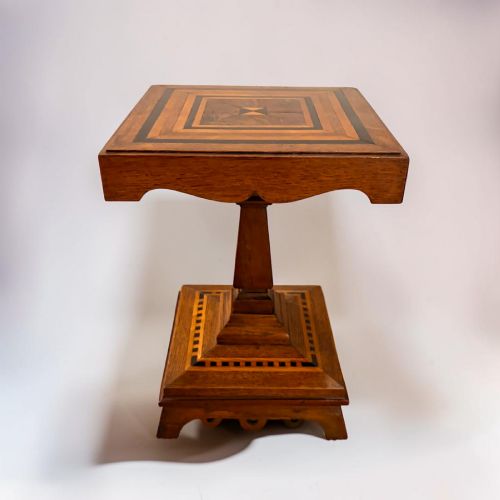
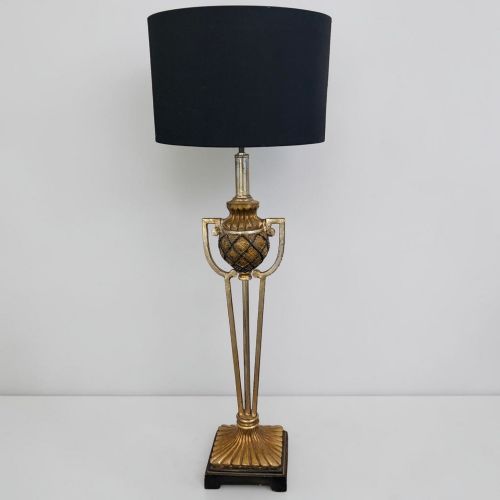
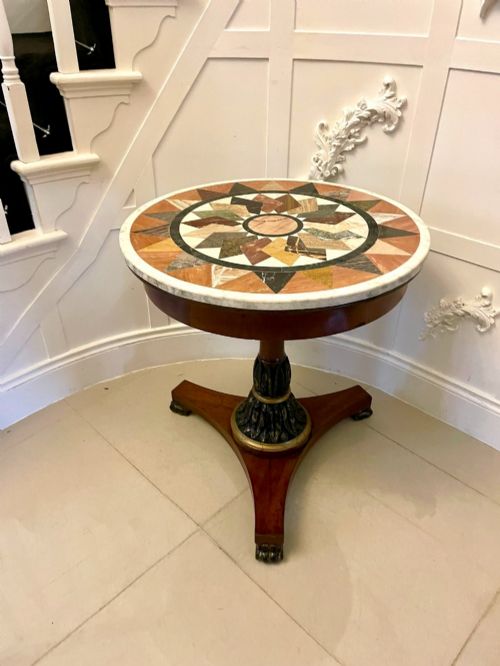
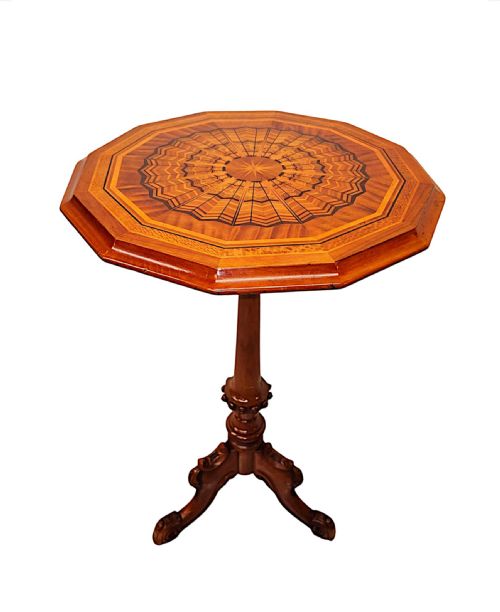
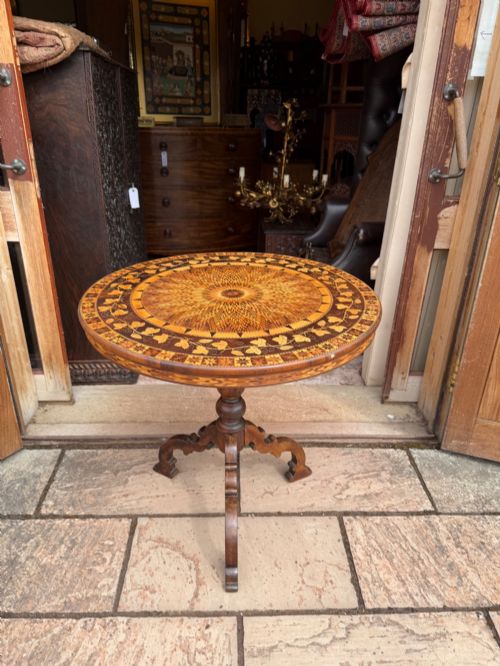
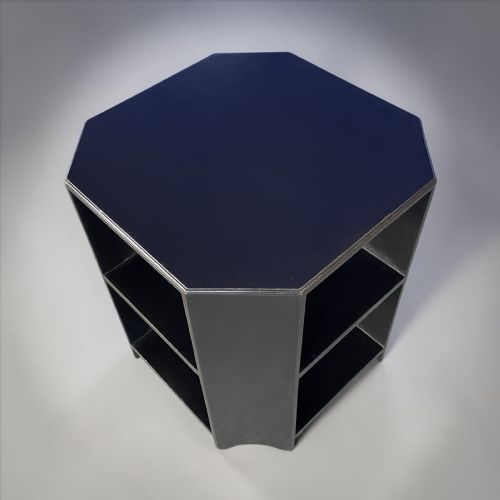
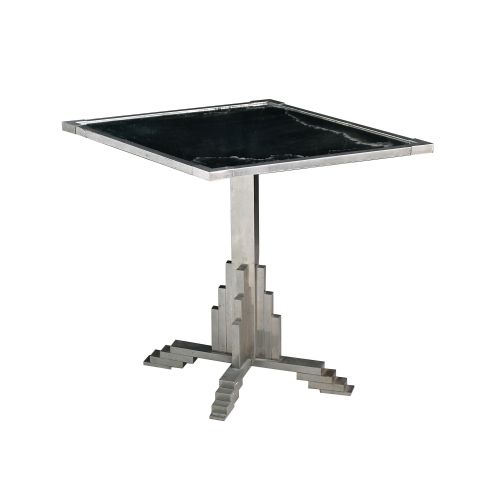
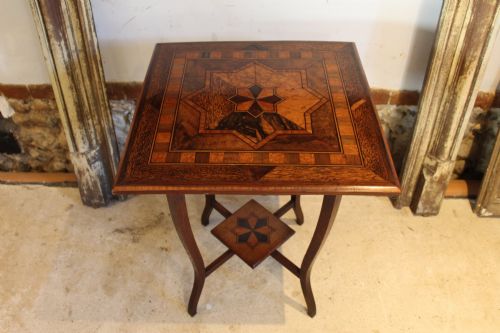
Geometric accent lamps encompass light fittings and occasional tables designed with clear structural lines, rectilinear shapes, and patterned surfaces. When searching for geometric accent lamps, buyers encounter diverse forms ranging from 19th-century specimen wood tables to 1930s chrome light fittings.
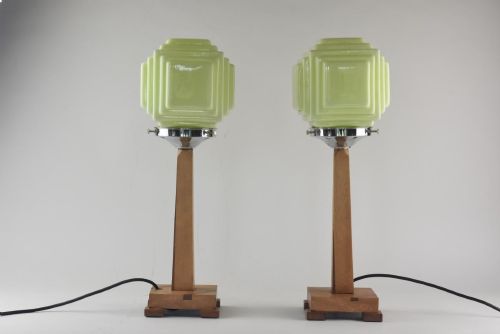
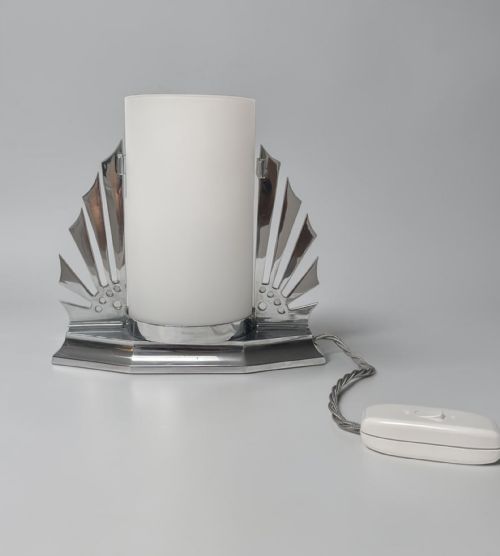
The pieces on this page lean heavily towards the 1920s and 1930s, where Art Deco aesthetics introduced strict symmetry, faceted glass, and figural or architectural silhouettes. Alongside direct lighting, many listings pair illumination with matching occasional, side, or centre tables featuring inlaid geometric motifs.
Origins stretch from American and French workshops to British and Italian makers, utilising materials that underline the architectural geometry of each piece. Buyers find that these items function simultaneously as sculptural objects and practical furniture or illumination.
Materials and construction methods
Makers utilised a combination of metals such as brass, chrome, and nickel alongside hardwoods including walnut, mahogany, oak, rosewood, and ebony. Metal components were cast, patinated, or plated to achieve reflective surfaces, while timber sections often incorporated complex marquetry and specimen wood parquetry.
Glass played a central role, appearing in moulded lamp shades, mirrored tabletops, and heavy cubic structures. Artisans combined these transparent or opalescent elements with dense woods and polished metals to create sharp contrasts in texture and light capture.
Geometric Accent Lamps Retail Price Guide 2026
Typical asking prices for geometric accent lamps among the pieces listed under this phrase on Sellingantiques today, from the lower quarter to the upper quarter. They describe what is for sale here now, not the wider market.
Materials recur across glass, chrome, walnut, mahogany, brass, oak, ebony, and rosewood.
Assessing quality in construction and design
Superior examples demonstrate precision in the alignment of geometric inlays, the weight and finish of cast metal components, and the integration of glass elements. Finer pieces maintain original patination and feature specialised materials like celluloid, mirrored glass, or multi-wood marquetry.
Design integrity separates standard production from exceptional work, particularly in pieces bearing attribution to known makers or utilising specific modernist silhouettes such as zig-zag patterns or figural mounts. The cohesion between structural form and surface decoration determines the standing of each piece.
Gillows·Anton Seuffer·Muller Bros·Karl Palda
The Geometric Accent Lamps Glossary
- Art Deco
- A design style prevalent in the 1920s and 1930s characterised by sleek lines, geometric shapes, and modern industrial materials. It replaced organic floral curves with strict symmetry and streamlined forms.
- Marquetry
- The art of applying pieces of veneer to a structure to form decorative patterns and pictorial designs. Craftsmen utilised various coloured timbers to build geometric motifs on tabletops.
- Specimen wood
- Furniture constructed using numerous different types of timber, often arranged to display natural colour variations. These woods were frequently gathered from domestic and exotic sources.
- Parquetry
- A geometric mosaic of wood pieces used for decorative floors and tabletops. It relies on repeating angular shapes like squares, triangles, and octagons.
- Patina
- The surface appearance altered by age, wear, and polishing over decades. It indicates the gradual oxidation of metals and the mellowing of timber finishes.
Geometric Accent Lamps: Frequently Asked Questions
What defines a geometric accent lamp?
These pieces combine structured, angular forms with functional illumination or supporting surfaces. They rely on straight lines, symmetry, and architectural silhouettes rather than organic curves.
Designs draw heavily from early twentieth-century modernism, incorporating materials that reflect light and emphasise geometric profiles.
Where should I place an occasional table lamp?
These pieces suit side positions in living rooms, hallways, or libraries where they provide both a functional light source and a decorative surface. Their compact proportions allow them to sit easily beside seating or on pedestals.
Matching occasional tables with geometric marquetry can also serve as independent accent surfaces without overhead lighting.
How do I care for inlaid wood furniture?
Inlaid surfaces require consistent indoor humidity levels to prevent timber movement and lifting of delicate veneers. Regular dusting with a soft cloth maintains the finish without moisture damage.
Avoid placing wooden tables in direct sunlight or near heat sources to preserve the natural colours of specimen woods and marquetry.