
French Wood Cabinet
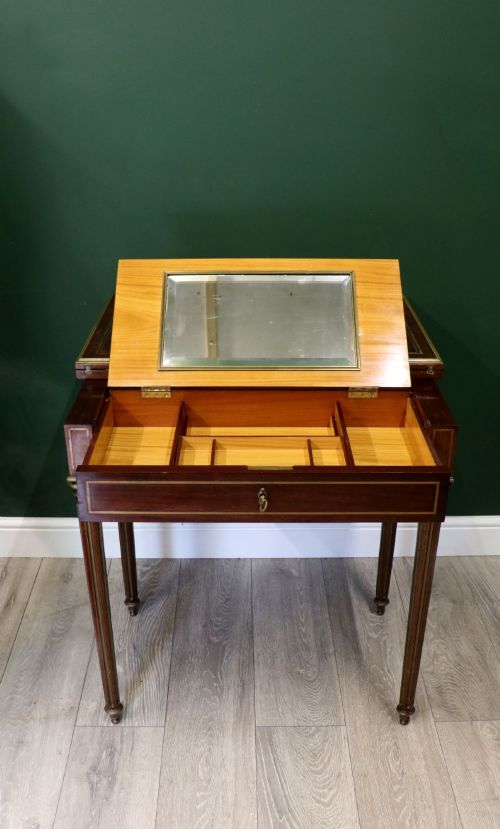
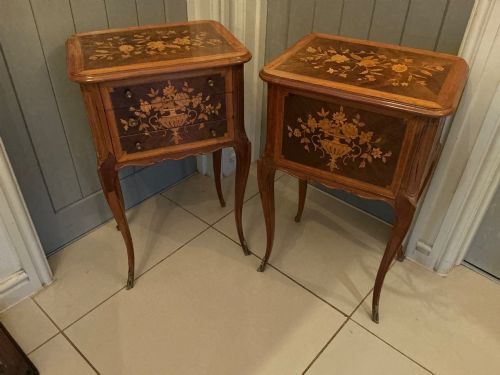
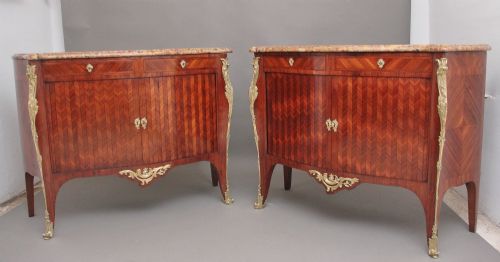
A french wood cabinet brings continental elegance to an interior through rich marquetry, marble tops and fine timber grains.
French Wood Cabinet
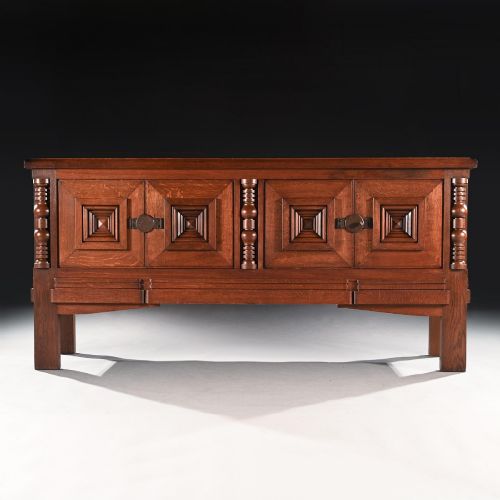
A french wood cabinet encompasses a diverse range of functional storage forms, from intimate bedside tables and commodes to larger display cabinets, sideboards and bookcases. Buyers searching this phrase meet numerous smaller bedside chests alongside grand vitrines and robust storage cupboards.
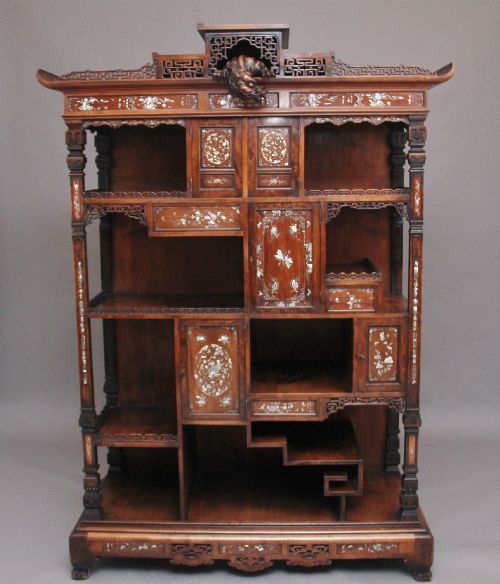
The selections span several centuries and aesthetic movements, including 18th century provincial chestnut pieces, ornate Louis XV revival designs, and streamlined Art Deco creations. Regional diversity appears through French Provincial styles, Japanese influenced shodonas, and folk art buffets.
These items served various domestic functions throughout history, operating as nightstands, drinks cabinets, music storage units and kitchen larders. Walnut, kingwood, mahogany and cherry form the primary structural timbers supporting these diverse household roles.
How they were made
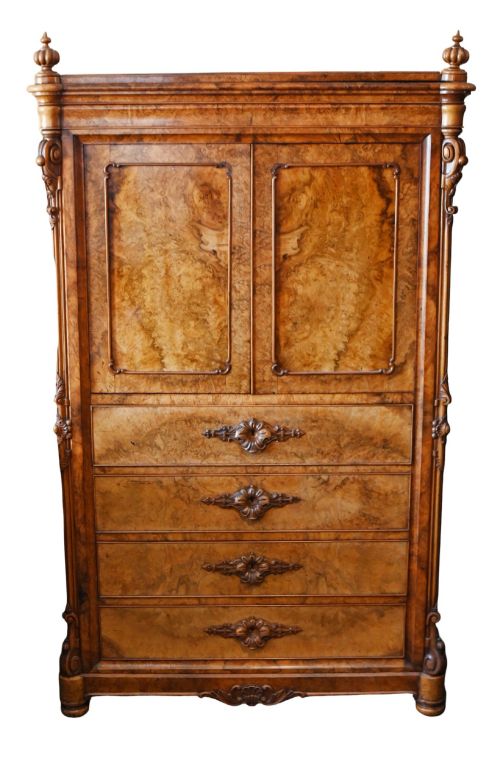
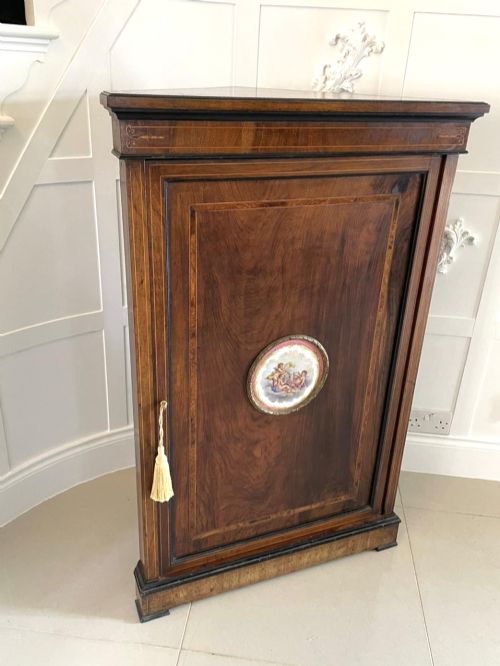
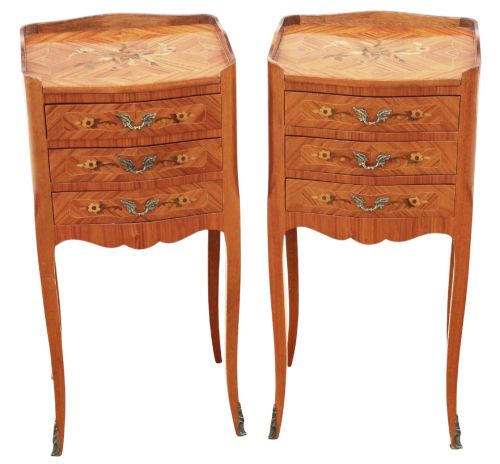
Cabinet makers utilised dense hardwoods such as walnut, mahogany, oak and kingwood as the structural foundation, frequently applying decorative veneers like amboyna, satinwood and bird's-eye maple. Marquetry patterns combine contrasting wood varieties to create intricate geometric or floral surface designs.
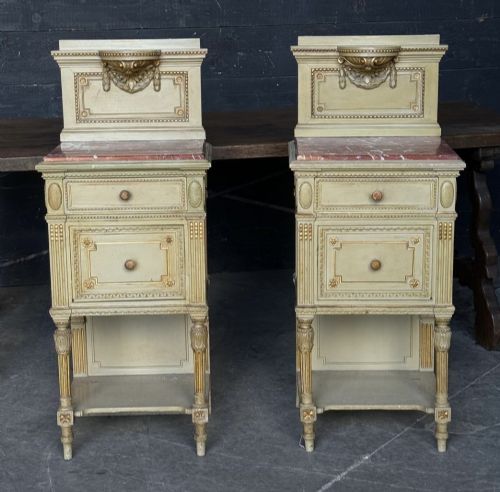
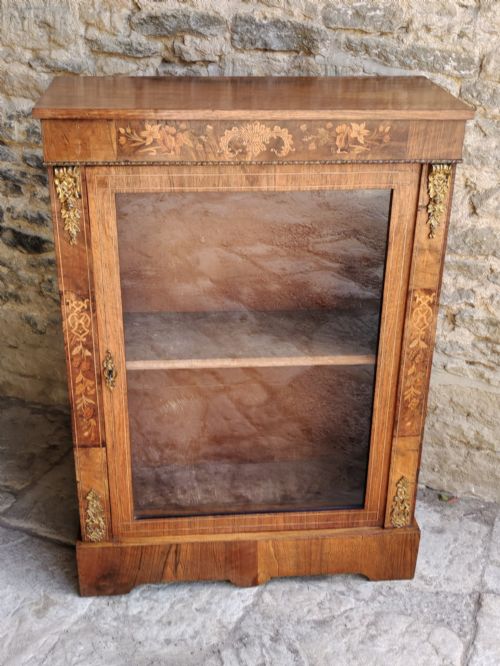
Metal mounts in brass and ormolu complement the timber surfaces, accentuating corners, key escutcheons and door frames. Marble slabs provide durable, polished tops for commodes and bedside chests, while glass panels enclose display vitrines and bookcases.
Listings feature woods such as walnut, kingwood, mahogany, oak, satinwood, amboyna and cherry.
What varies in quality
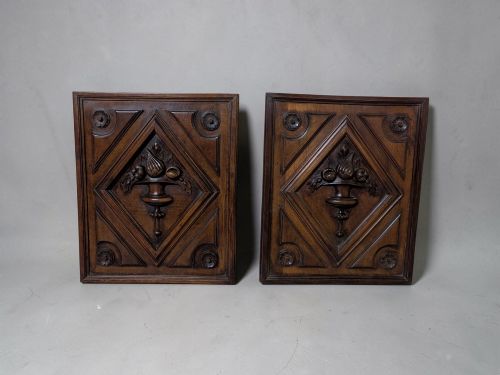
The refinement of the surface decoration largely determines the standing of a piece, separating simple functional furniture from masterworks of marquetry and carved relief. Elaborate brass or ormolu mounts and finely veined marble tops indicate higher execution standards.
Structural integrity depends on the selection of solid timbers and the precision of veneer application across curved serpentine fronts and delicate framing. Pieces retaining original hardware, fitted interiors and authentic glass display panels command greater consideration.
Charles Dudouyt·Gabriel Viardot
The French Wood Cabinet Glossary
- Marquetry
- Decorative veneer patterns applied to furniture surfaces using thin pieces of wood, shell or ivory to form pictures or geometric designs. This technique defines the visual character of many revival commodes and bedside tables.
- Ormolu
- Gilded bronze mounts applied to furniture edges, feet and keyholes for decorative effect. It gained widespread popularity in French cabinet making during the eighteenth and nineteenth centuries.
- Vitrine
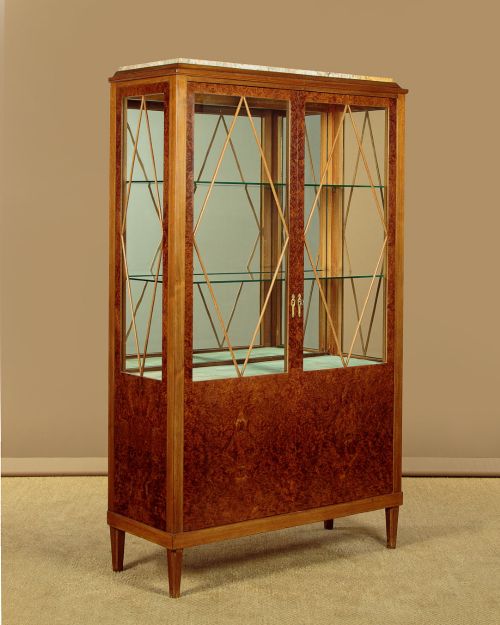
- A glass fronted display cabinet designed for exhibiting porcelain, curiosities and fine objects. These pieces often feature glazed side panels to maximise interior illumination.
- Commode
- A low chest of drawers or cabinet originating in France, usually featuring decorative veneer work and a stone or marble top. They frequently served functional roles in bedrooms and reception rooms.
- Biedermeier
- A Central European style spanning the nineteenth century characterised by utilitarian comfort and clean lines utilising native wood veneers. Pieces from this tradition favour polished timber grains over heavy ornamentation.
- Vernis Martin
- A simulated Japanese lacquer technique developed in France, providing glossy decorative finishes on furniture panels. It allowed eighteenth century makers to replicate Asian lacquer work locally.
French Wood Cabinet: Frequently Asked Questions
What is a French bedside chevet?
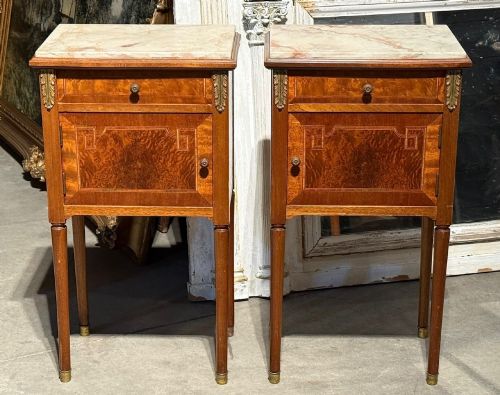
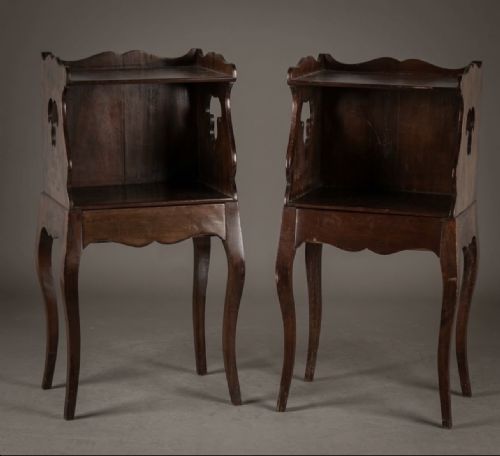
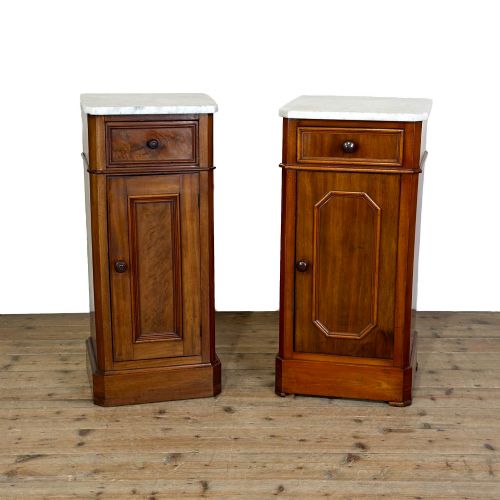
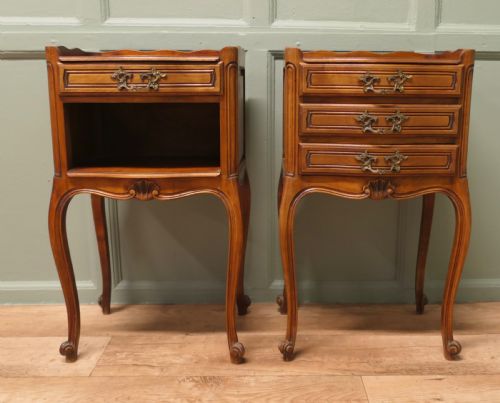
A chevet is a traditional French bedside cabinet or small nightstand designed to hold personal items next to a bed. These compact units often feature a small cupboard door, a single drawer, and occasionally a marble top.
They appear frequently in matched pairs and single examples across various nineteenth and early twentieth century styles, constructed in woods like cherry, walnut and kingwood.
How do I identify Louis XV style?
Louis XV style furniture is characterised by flowing serpentine lines, asymmetric cartouches, and subtle floral carvings known as rocaille. These pieces avoid straight edges in favour of graceful curves and cabriole legs.
Twentieth century revivals often recreated these organic silhouettes using marquetry veneers and ormolu mounts to emulate eighteenth century court aesthetics.
Where should I place a vitrine cabinet?
A vitrine display cabinet suits a drawing room, dining room or hallway where it can safely showcase glassware, ceramics or small collections. Because these pieces incorporate glass doors and side panels, positioning them away from direct sunlight protects sensitive interior contents.
Allowing sufficient surrounding floor space ensures the carved wood frames and ormolu mounts remain visible from multiple angles.
What is faux bamboo furniture?
Faux bamboo refers to wooden furniture carved or turned to imitate the segmented stalks of natural bamboo. This decorative technique became popular during the nineteenth century under the influence of Japonisme.
Makers applied this playful aesthetic to armoires, bedside cabinets and mirrors, often combining the carved wooden stems with painted surfaces or exotic wood veneers.