



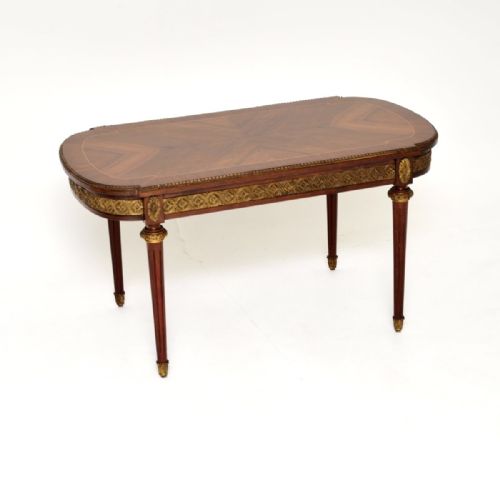
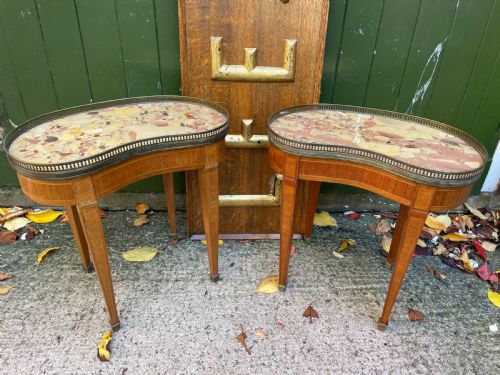


French Walnut Low Table
A French walnut low table brings warmth and low-slung utility to a room, offering rich timber grain and classic continental proportion.
French Walnut Low Table
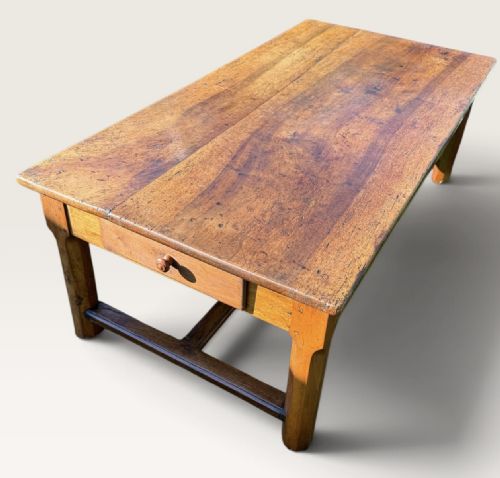
A French walnut low table encompasses low-slung coffee tables, occasional tables, and converted centre pieces designed for lower seating arrangements. When searching for a french walnut low table, buyers encounter pieces spanning from the eighteenth century through the art deco era, though twentieth-century interpretations predominate.
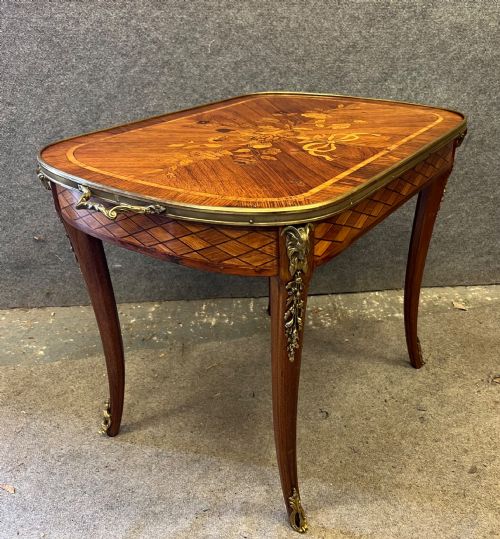
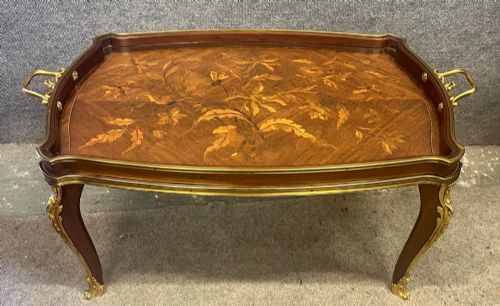
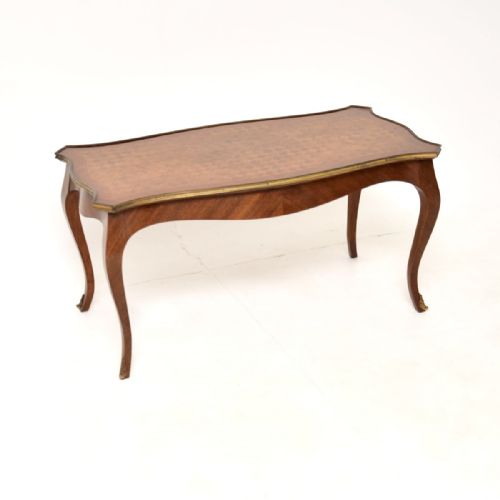
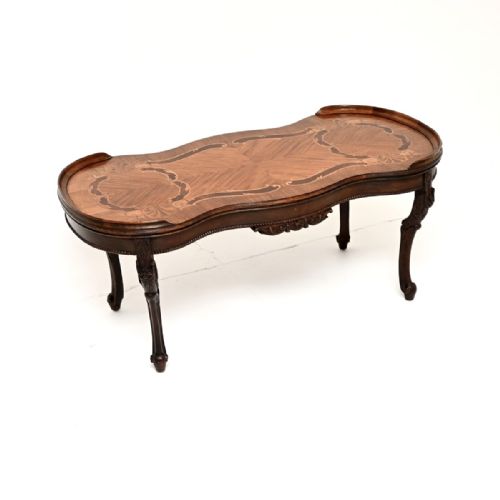
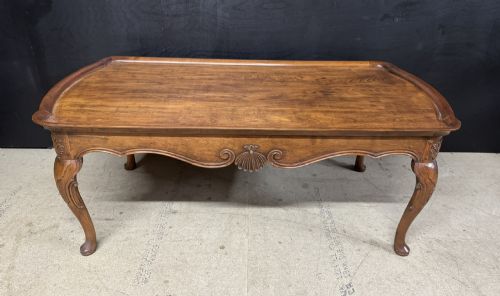
The selections on this page range from rustic farmhouse and provincial forms to ornate Louis XV revival styles and clean art deco lines. Makers employed various formats, including round marble-topped designs, parquetry tops, and tray top tables intended for versatile placement in a modern reception room.
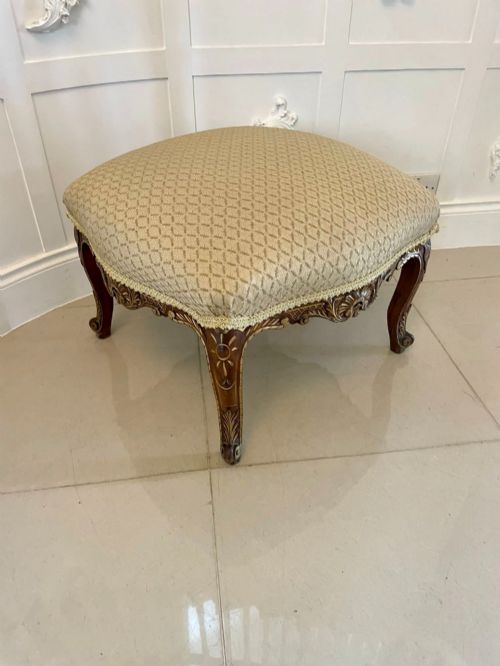
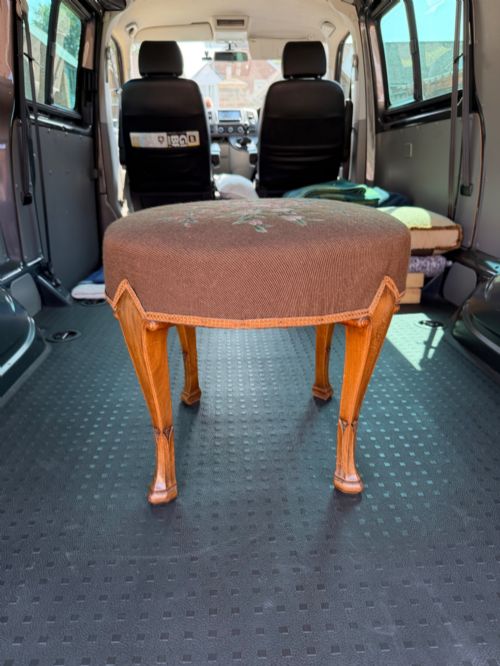
Beyond standard coffee tables, related low forms include stools, footstools, and occasional tables that share the characteristic walnut timber. These pieces offer a distinct continental low profile that anchors a seating area without dominating the floor space.
Distinctions in quality
Quality rests in the selection of the wood veneer and the precision of the inlay work. Finely figured burr walnut and intricate parquetry or marquetry patterns distinguish more ambitious workshop output from plain timber surfaces.
The integration of cast ormolu mounts and the crispness of hand-carved details elevate certain tables above simpler provincial interpretations. Superior examples maintain balanced proportions and honest patination across the walnut timber without obscuring the natural grain under heavy finishes.
French Walnut Low Table Retail Price Guide 2026
Typical asking prices for french walnut low table among the pieces listed under this phrase on Sellingantiques today, from the lower quarter to the upper quarter. They describe what is for sale here now, not the wider market.
Materials appearing across the inventory include burr walnut, marble, ormolu, kingwood, and rosewood.
The French Walnut Low Table Glossary
- Burr walnut
- A wood veneer taken from a tree growth or burl, yielding swirling, highly decorative patterns across the table top. This prized material adds intense visual movement to the piece.
- Ormolu
- Gilded bronze mounts applied to furniture for decorative enrichment and edge protection. It appears frequently on revival pieces from the nineteenth and twentieth centuries.
- Marquetry
- The art of applying pieces of veneer to a structure to form decorative patterns and pictures. Craftsmen utilise various coloured woods to achieve tonal depth.
- Parquetry
- Geometric mosaic woodwork used for repeating patterns on table tops. It provides a structured, architectural contrast to organic wood grain.
- Louis XV style
- A decorative style characterised by asymmetry, curved lines, and natural scroll motifs. This aesthetic heavily influences many continental low tables.
French Walnut Low Table: Frequently Asked Questions
What is a french walnut low table used for today?
These pieces function primarily as coffee tables or central low surfaces in a sitting room, providing a stable place for books, drinks, and decorative objects. Their low height suits relaxed seating arrangements.
They also serve as occasional tables where smaller surface areas are required beside armchairs or sofas, bringing historical timber texture into contemporary interiors.
How do I care for a walnut surface?
Walnut benefits from regular dusting with a soft, dry cloth and occasional feeding with quality beeswax to maintain the moisture and depth of the grain. Avoid placing the timber in direct sunlight or near heat sources to prevent warping.
Using coasters and mats protects the polished or waxed surface from moisture rings and heat marks, preserving the historical finish.
Are these tables solid walnut or veneer?
Makers utilised both solid walnut and walnut veneer, particularly burr walnut veneer, which displays the most decorative swirling grain patterns. Veneering allowed craftsmen to cover stable core woods with expensive, highly figured timber.
Both solid and veneered constructions are entirely traditional for these periods and do not inherently indicate a difference in structural integrity.
How do I identify a revival piece from an older one?
Identifying the age involves examining the construction methods, secondary timbers used underneath, and the style of the carving or inlay. Nineteenth and twentieth-century revivals often reinterpreted eighteenth-century Louis XV forms with distinct machine-assisted precision.
Wear patterns, the type of hardware screws, and the formulation of the polish also offer clues to whether a table dates to the eighteenth, nineteenth, or twentieth century.