



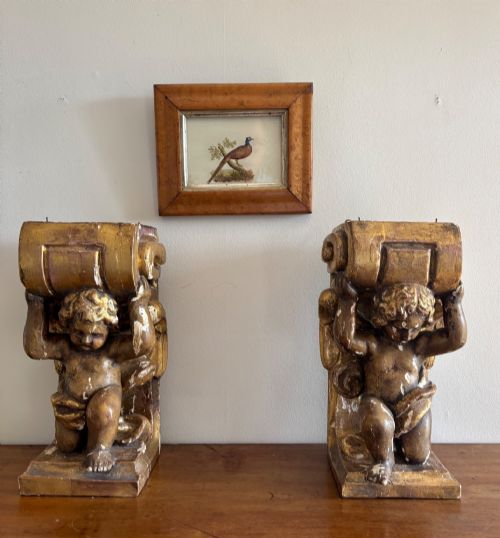


French Wall Shelving
These french wall shelving pieces combine decorative display with practical storage, offering a traditional way to showcase ornaments and books.
French Wall Shelving
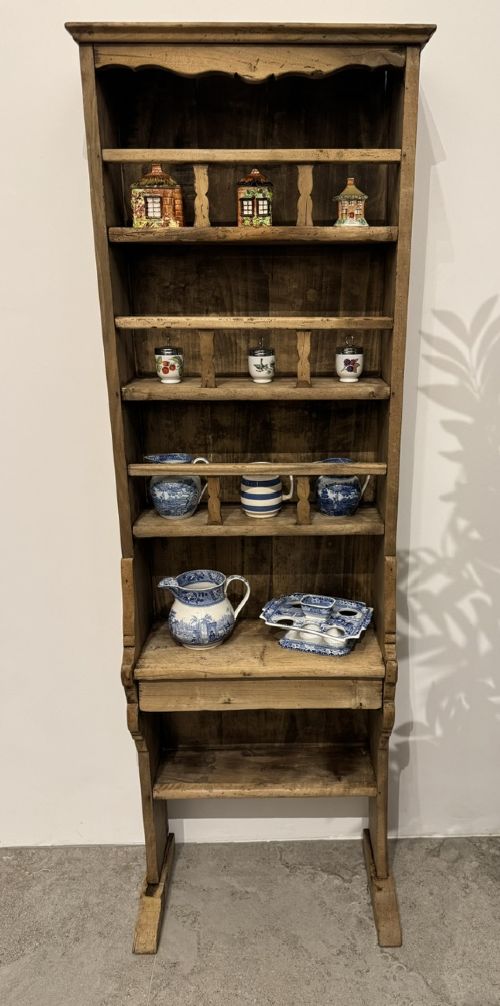
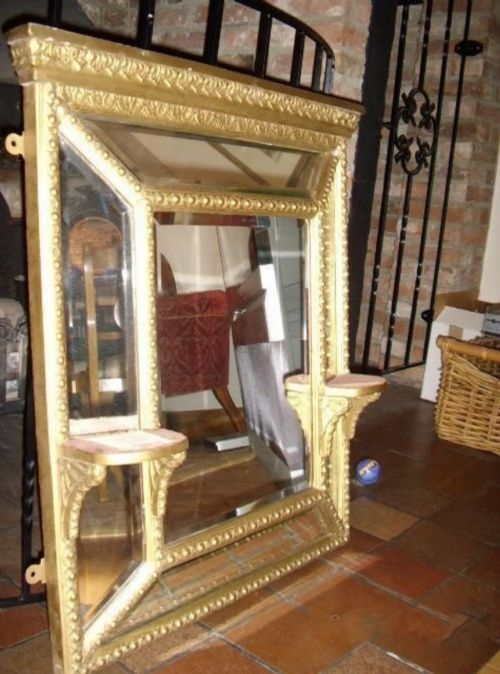
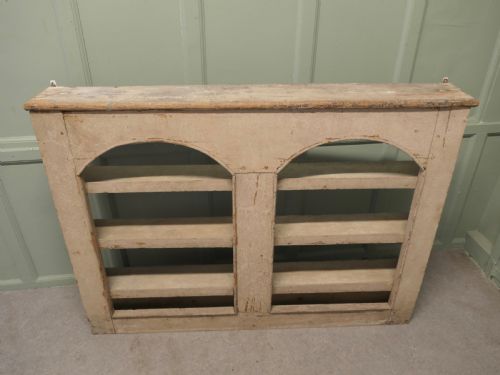
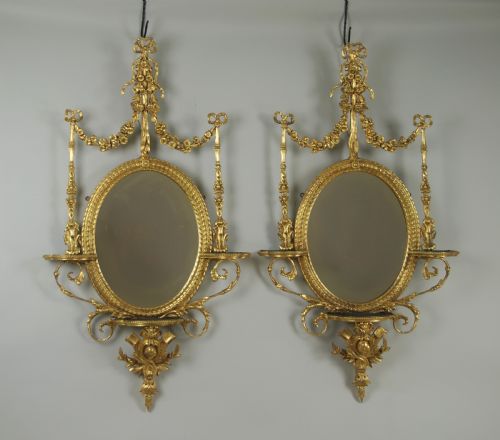
French wall shelving encompasses various hanging and mounted display formats, ranging from simple brackets to multi-tiered bookcases and mirrored cabinets. You will frequently encounter carved wooden brackets, giltwood display shelves, and hanging wooden tiers designed to maximise vertical space.
The pieces emerge from several distinct periods, including provincial eighteenth-century oak designs, nineteenth-century giltwood creations, and twentieth-century console tables. Many examples incorporate glass, brass, or painted finishes, serving both utilitarian storage needs and ornamental display functions in domestic interiors.
Materials and construction methods
Carpenters and cabinetmakers utilised a variety of timbers such as oak, walnut, cherry, mahogany, and pine, often applying hand-carved details or painted surfaces. Giltwood and gesso pieces received delicate layers of gold leaf applied over carved wooden bases, creating reflective surfaces that caught the candlelight.
Metal elements such as brass fixtures were integrated alongside bevel-cut glass mirror plates to add structural support and visual complexity. Joinery techniques varied from robust provincial corner cupboards to finer decorative etagere and wall console construction.
French Wall Shelving Retail Price Guide 2026
Typical asking prices for french wall shelving among the pieces listed under this phrase on Sellingantiques today, from the lower quarter to the upper quarter. They describe what is for sale here now, not the wider market.
Listings feature woods including oak, walnut, cherry, mahogany, pine, and amboyna, alongside decorative finishes like gesso and gold leaf.
Factors that distinguish quality
The distinction between standard utility items and superior examples lies in the crispness of the hand-carving and the integrity of the original surface finish. Pieces featuring deeply moulded gesso, well-preserved gilding, or finely figured timbers demonstrate greater artisanal skill during manufacture.
Structural proportion and the retention of original fittings, such as early mirror glass or brass hanging mounts, also separate ordinary pieces from more accomplished works. Subtle details in the shaping of shelves and the harmony of paired brackets indicate higher workshop execution.
Town and Emanuel
The French Wall Shelving Glossary
- Giltwood
- Wood that has been coated with a thin layer of gold leaf. This finish gives the carved structure a bright, reflective metallic sheen.
- Gesso
- A plaster-like mixture applied to wood surfaces as a base for gilding or painting. It allows craftsmen to model sharp, intricate ornamental details before applying gold leaf.
- Etagere
- A set of open shelves used for displaying small objects or ornaments. These pieces typically feature multiple vertical tiers supported by slender uprights.
- Bracket
- A projecting support fixed to a wall to carry a shelf or heavy weight. Wall brackets in this category often double as decorative display consoles.
- Alcove shelving
- Fitted shelving designed to sit within a structural wall recess. These units make efficient use of awkward architectural spaces in period rooms.
French Wall Shelving: Frequently Asked Questions
How do I hang heavy wall shelves safely?
Ensure you locate the wall studs or use appropriate heavy-duty fixings suited to the wall material before mounting timber shelves. Distributing weight evenly across the tiers prevents undue strain on the hanging brackets.
For pieces with mirrors or giltwood frames, check the structural integrity of the original hanging loops on the back. Professional installation is advisable for larger antique cabinets and multi-tiered wooden shelving units.
What is the difference between a wall bracket and a shelf?
Wall brackets generally refer to smaller, highly decorative architectural supports designed to hold single ornaments or small display items. They often feature elaborate wood carving or gilt gesso decoration.
Shelves usually denote longer horizontal boards or multi-tiered units intended for holding books, plates, or collections. Many antique listings combine these terms when brackets incorporate integrated display surfaces.
Where were these shelves typically placed in a home?
Historically, wall shelving and brackets were positioned in principal reception rooms to display porcelain, small sculptures, and decorative books. Corner cupboards and alcove shelving utilised neglected room angles for practical storage.
Smaller hanging shelves and mirrors often hung above mantelpieces or console tables to create layered display arrangements. Their compact footprints made them versatile additions to hallways and boudoirs alike.