

French Style Fixtures
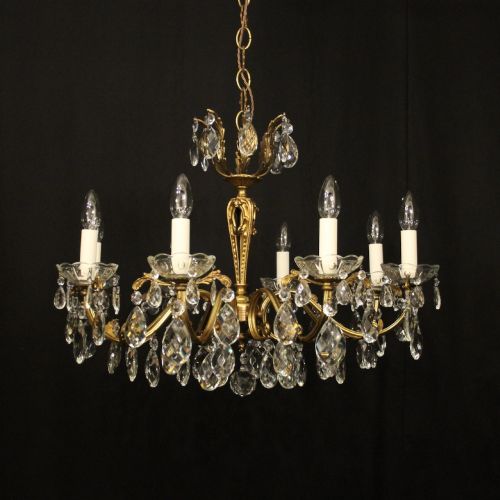
French style fixtures bring ornate illumination and decorative elegance into a room through elaborate metalwork and hanging crystal.
French Style Fixtures
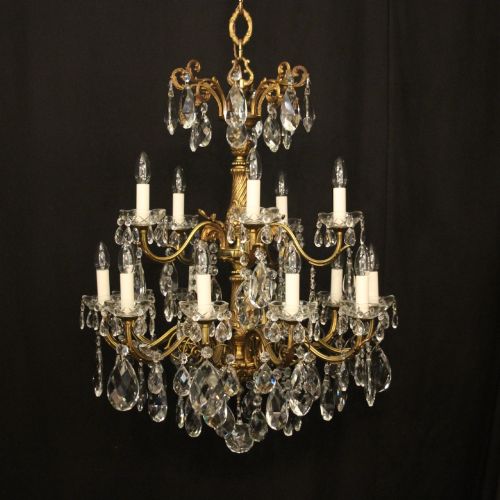
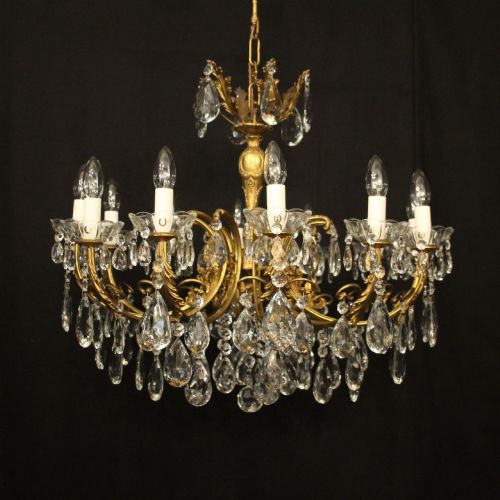
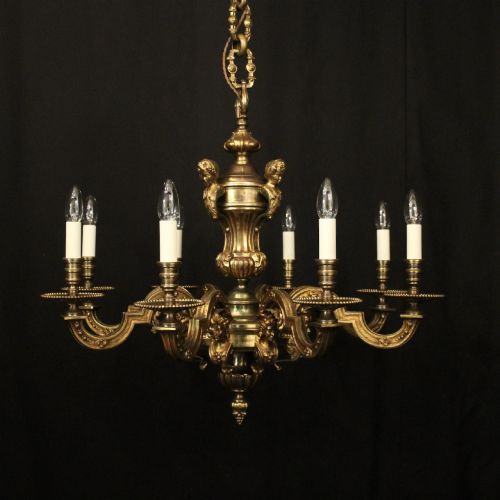
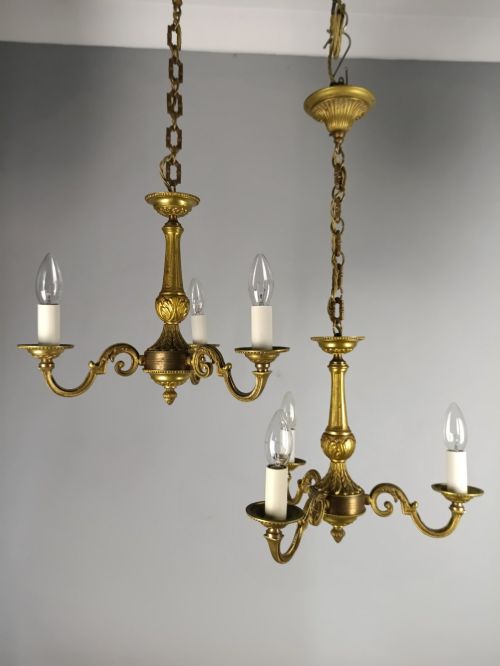
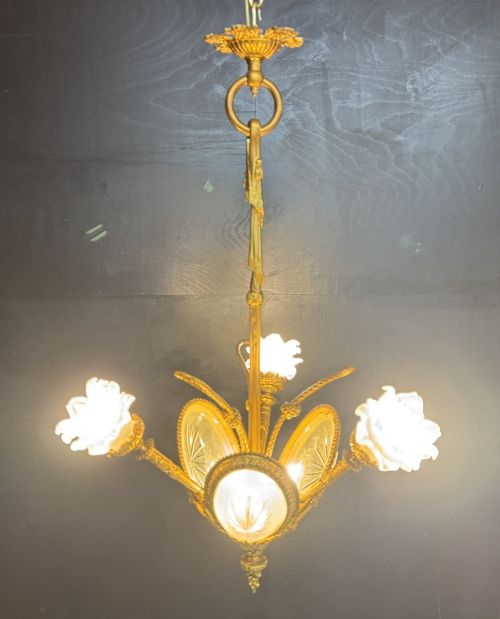
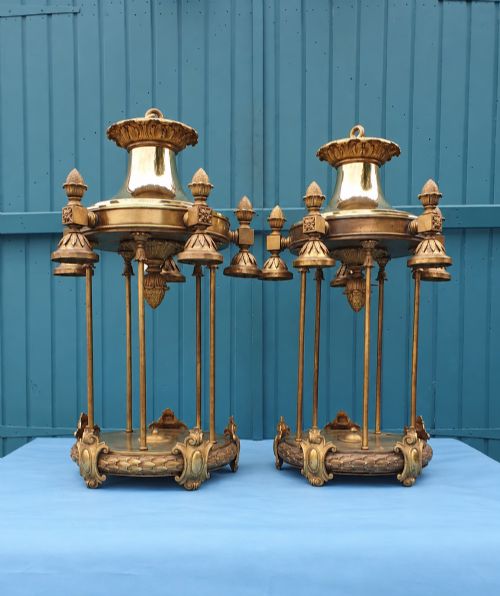
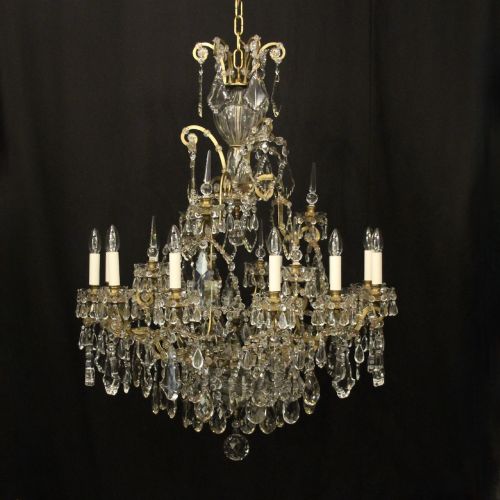
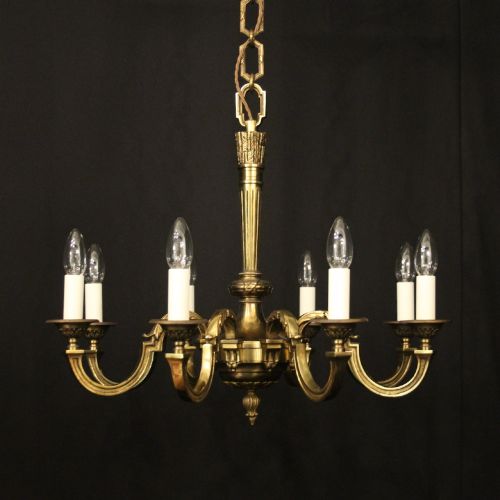
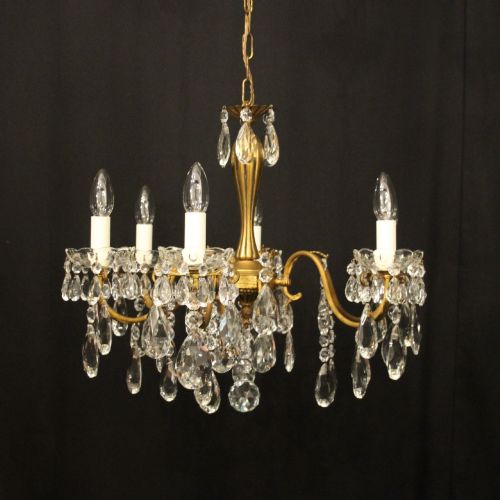
When searching for french style fixtures, buyers encounter lighting designed to evoke the grandeur of chateaus and historic salons. The selections span chandeliers, wall lights, wall sconces, and ceiling lanterns originating across the nineteenth and early twentieth centuries.
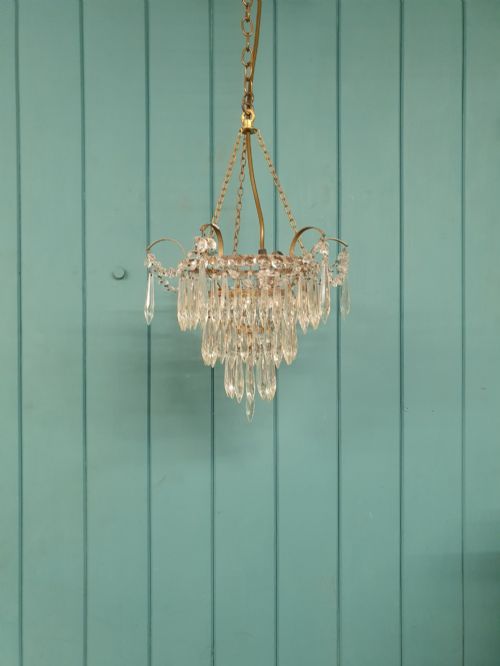
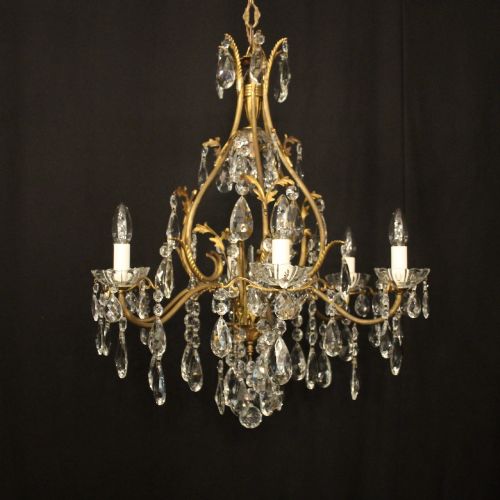
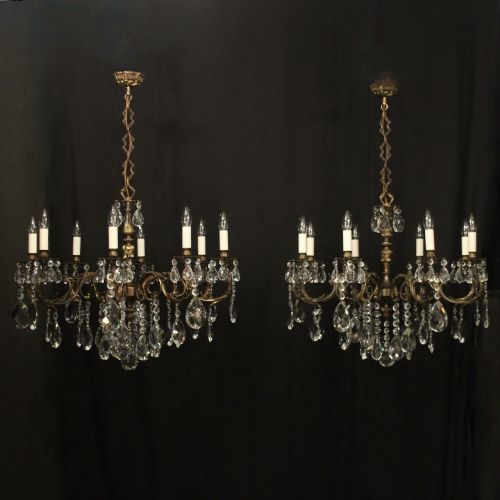
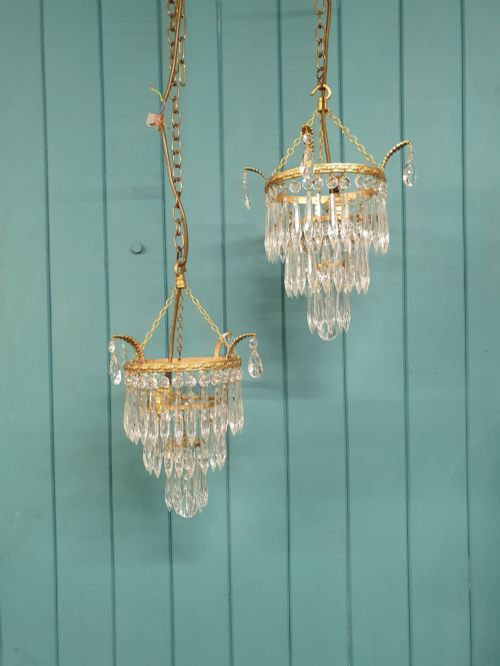
The most common pieces on this page date from the decades around nineteen twenty and nineteen thirty, alongside examples reaching back through the Victorian era and Edwardian period. These items typically manifest in decorative forms such as multi-branch chandeliers, birdcage frames, and tent and waterfall configurations.
Stylistic influences draw heavily upon historic design vocabulary, including French Rococo, French Empire, and French Louis XVI revivals. Buyers find fixtures equipped to serve as focal points in reception rooms, halls, and dining spaces.
Materials and construction
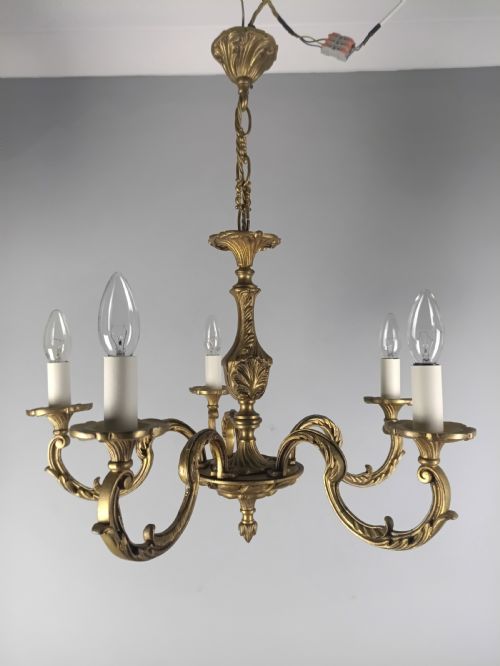
Makers utilised cast and chased metals including brass, bronze, and ormolu to form the structural arms, frames, and wall plates of these light fittings. Gilding was frequently applied to metal surfaces to provide a rich, reflective finish.
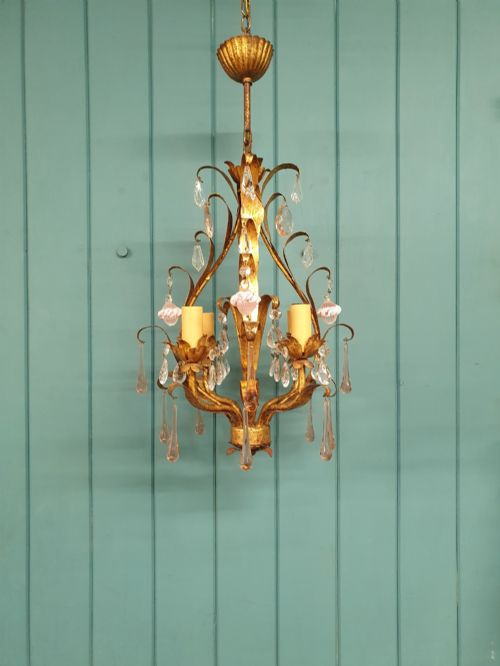
Crystal and cut glass elements, such as drops, lustres, beads, and spikes, are wired or pinned to the metal frameworks to refract light. Complex forms incorporate multiple tiers and glass waterfalls suspended from central crowns.
French Style Fixtures Retail Price Guide 2026
Typical asking prices for french style fixtures among the pieces listed under this phrase on Sellingantiques today, from the lower quarter to the upper quarter. They describe what is for sale here now, not the wider market.
Listings feature fixtures from the Edwardian period, nineteen ten, nineteen twenty, and nineteen thirty, alongside nineteenth-century examples.
Assessing quality
Quality rests upon the crispness of the metal casting and the depth of the subsequent gilding or ormolu finishing. Finer examples display sharply defined ornamentation on the bronze or brass components rather than soft, industrial casting lines.
The integration and quality of the glass components also separate tiers of production, with hand-cut crystal drops producing superior light dispersion compared to plain pressed glass. The structural complexity of frames, such as multi-tiered birdcage designs or tent and waterfall arrangements, indicates higher ambition in manufacture.
The French Style Fixtures Glossary
- Ormolu
- Gilded bronze used for decorative mounts and structural parts on high-end lighting fixtures. The technique involves applying a mercury and gold amalgam to bronze before heating.
- Tent and waterfall
- A lighting configuration where strings of crystal beads form an upper tent shape above a lower cascade of drops. This style directs light through dense layers of glass.
- Birdcage chandelier
- A fixture featuring a curved metal framework resembling a birdcage, often adorned with rows of crystals. This form gained popularity during the early twentieth century.
- Lustre
- A cut glass pendant or drop hung from a chandelier or wall light to catch and reflect illumination. Lustres come in various shapes including spears, drops, and prisms.
- Lyre chandelier
- A lighting fixture styled around the musical instrument motif of a lyre. This neoclassical design incorporates symmetrical curved frames.
French Style Fixtures: Frequently Asked Questions
How do I hang a heavy chandelier?
Heavy bronze and crystal fixtures require secure anchorage directly into ceiling joists or structural nogging using appropriate steel fixings. Do not rely on lath and plaster alone to support multi-arm metal chandeliers.
Consult a qualified electrician to ensure the wiring can safely carry the electrical load of a multi-light antique fixture. Weight distribution must be tested before leaving the piece suspended.
What periods do these fixtures cover?
The available lighting spans from the nineteenth century through the Edwardian era and into the early decades of the twentieth century. Production includes revivals of earlier French court styles.
Earlier nineteenth-century examples often display heavy cast bronze and detailed ormolu, while nineteen-twenties and thirties pieces frequently feature gilt brass and extensive cut glass crystal drops.
How are wall lights mounted?
Wall lights and sconces attach via a backplate secured to wall studs or pattresses with mounting screws. Wiring is channelled through the wall cavity directly into the back of the fixture.
Twin-arm and triple-arm varieties need sufficient clearance from surrounding doorframes and furnishings to accommodate their projecting metal arms and crystal dressings.