

French Lantern Light
A french lantern light brings architectural illumination and period character to an entrance hall or corridor.
French Lantern Light
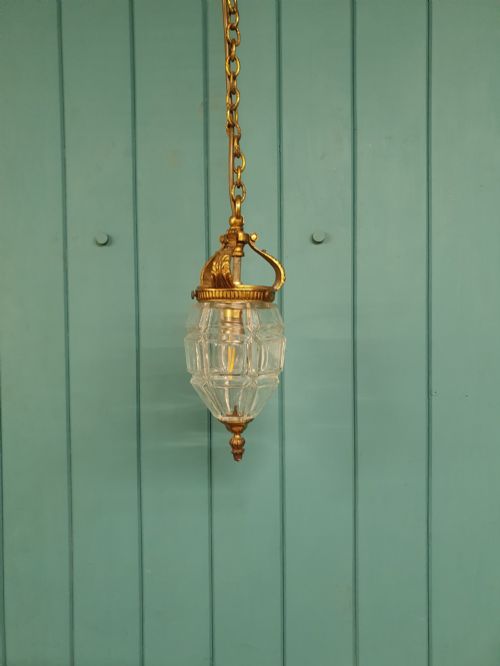
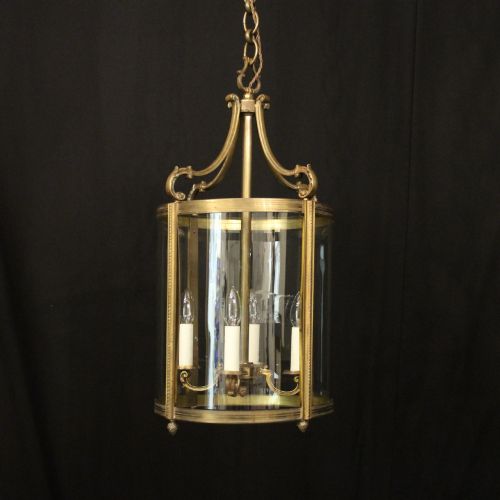
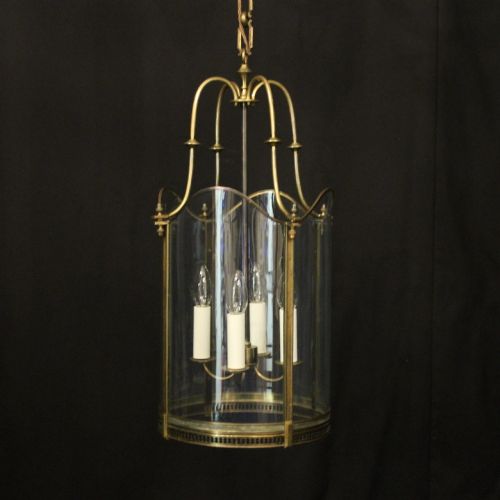
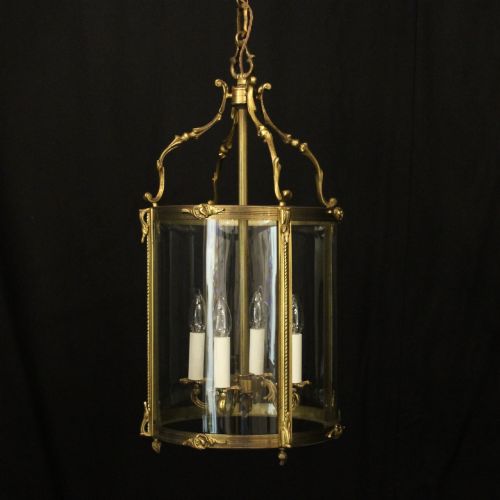
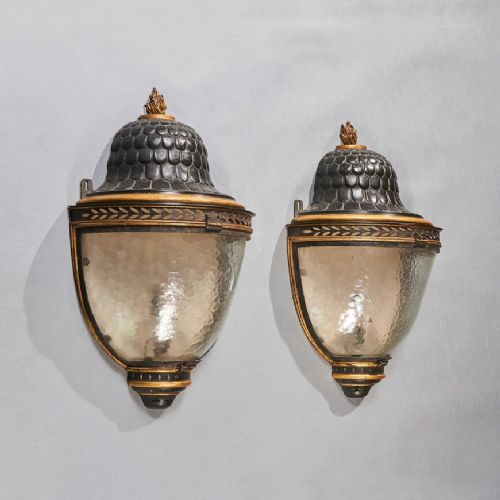
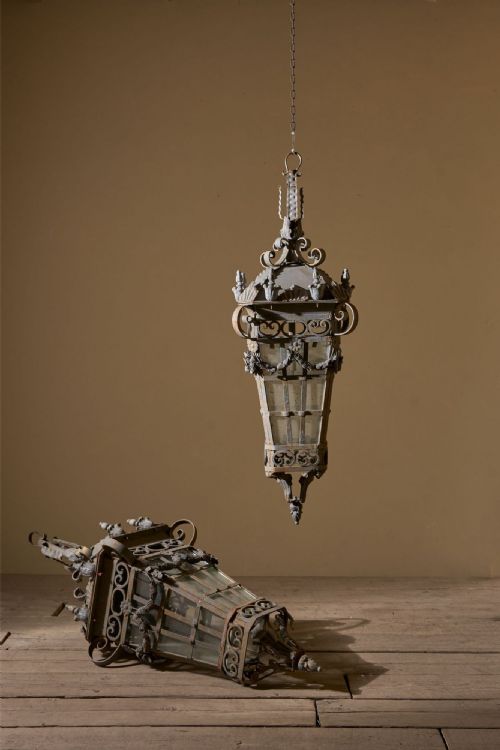
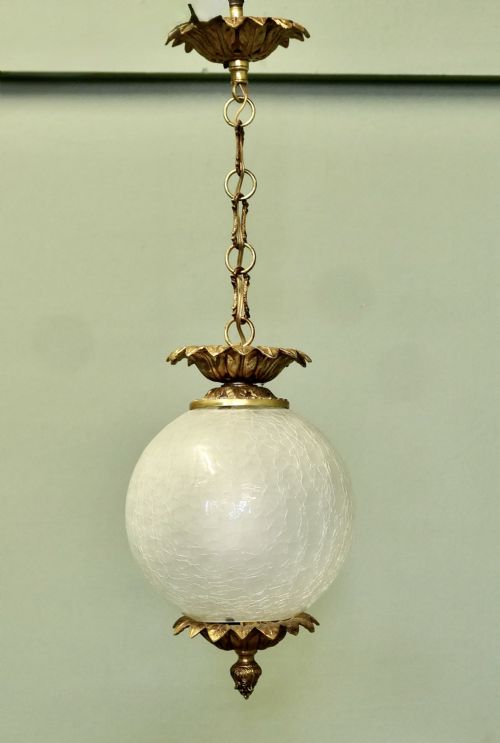
A french lantern light is an architectural hanging or wall-mounted luminaire designed for entrance halls, corridors and vestibules. These pieces typically take the form of glazed metal frames suspended by chains or mounted directly as wall sconces. The selection draws primarily from nineteenth-century production alongside early twentieth-century examples.
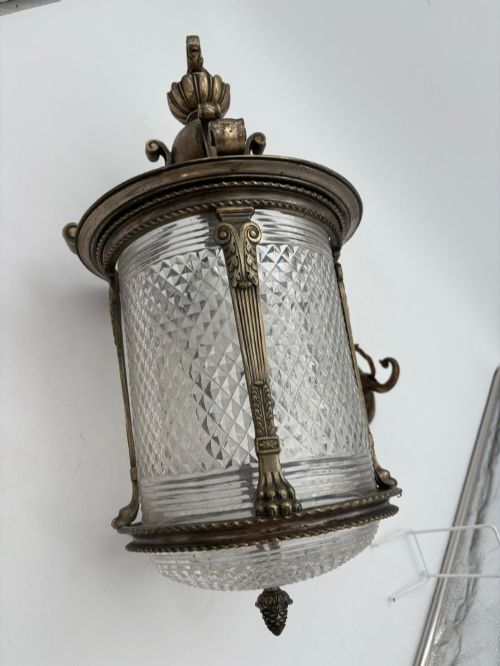
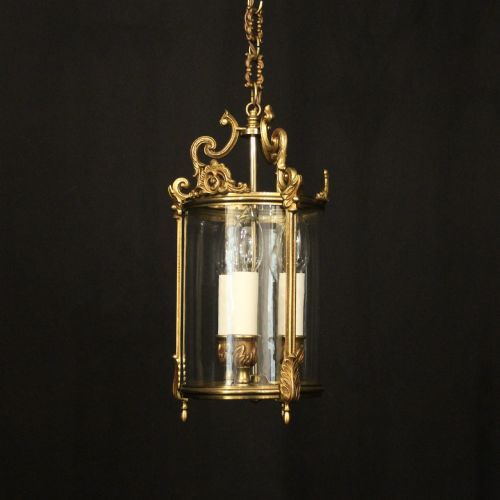
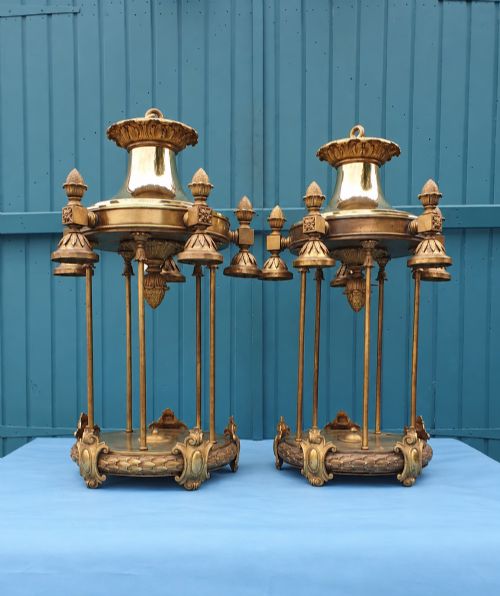
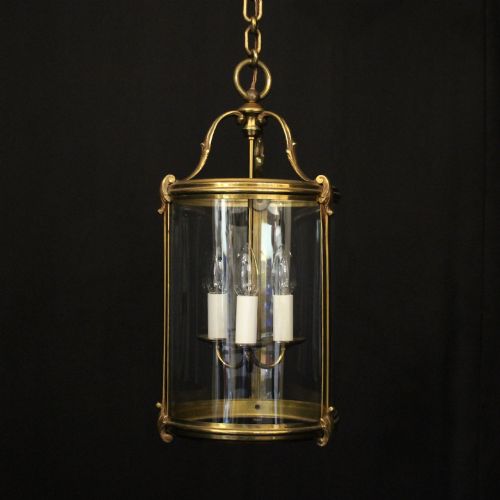
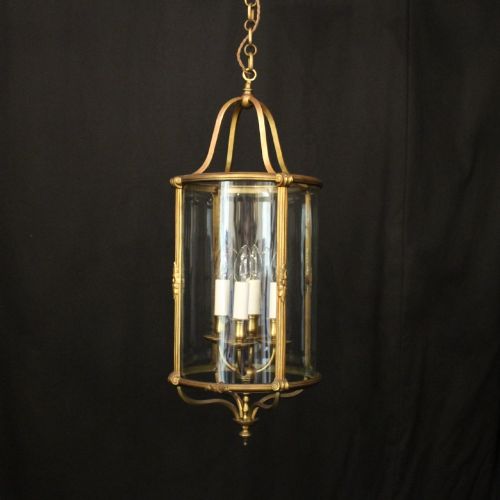
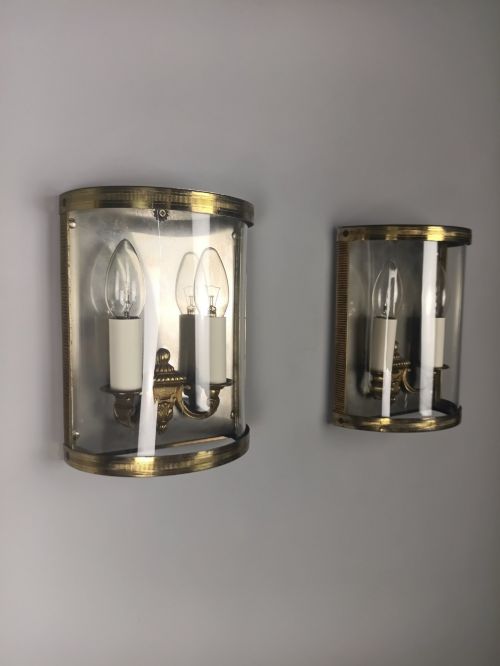
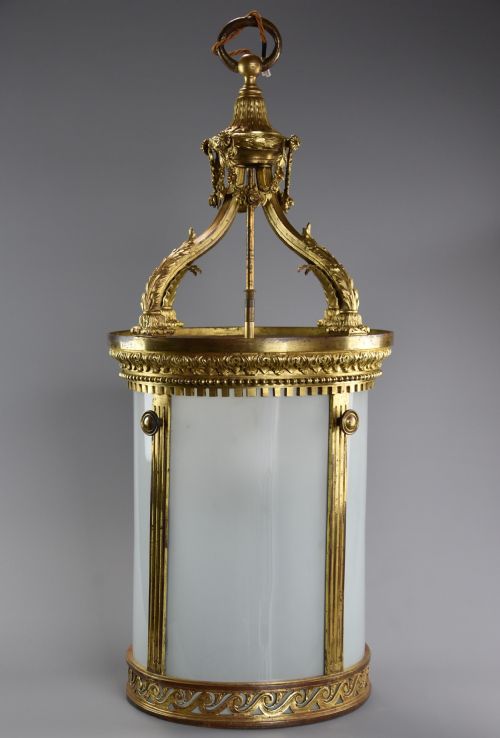
The version most frequently met on this page is the hall lantern, often featuring multiple internal lights and convex glass panels. These range from compact single-light brass fixtures to large gilt bronze suspensions. Styles lean heavily towards classical French aesthetics, including Neoclassical, Louis periods, and Chateau designs.
Materials and Construction
These lanterns rely on cast and formed metals combined with glass. Gilt bronze, gilt brass and standard brass form the primary structural frameworks, whilst iron and zinc appear in specific utilitarian and arts and crafts pieces. Tole peinte and toleware provide painted metal alternatives.
Glazing techniques define the visual character of the housing. Panels include flat panes, convex glass that distorts the internal light source, and etched or moulded decorative glass. Frames are constructed with hinged doors for access to internal burners or bulb holders.
French Lantern Light Retail Price Guide 2026
Typical asking prices for french lantern light among the pieces listed under this phrase on Sellingantiques today, from the lower quarter to the upper quarter. They describe what is for sale here now, not the wider market.
Several examples feature tiny hinged doors designed centuries ago so valets could tend smoking candle wicks without dismantling the entire light.
Quality and Execution
The distinction between tiers rests upon the crispness of metal casting and the thickness of the material. Finer examples display deeply chased gilt bronze mounts with sharp botanical or classical relief work. Simpler pieces utilise rolled brass sheet and basic soldered joints.
Glazing quality further separates standard production from finer output. Thick, heavily convex glass panels and intricately etched panes require specialist manufacturing skill. The overall weight and rigidity of the structural frame indicate the original workshop standard.
The French Lantern Light Glossary
- Convex glass
- Curved glass panels that project outward from the metal frame. This curvature diffuses the internal illumination and magnifies the visual presence of the light source.
- Gilt bronze
- Bronze metal treated with a fine layer of gold gilding. This finish provides a warm, reflective surface that resists tarnishing over decades.
- Tole peinte
- Painted sheet metal used for decorative light fixtures and shades. The painted finish introduces colour and pattern to the metalwork.
- Hall lantern
- An enclosed ceiling-hung lighting fixture designed specifically for narrow entrance spaces and corridors. They typically feature glass panels held within a decorative metal cage.
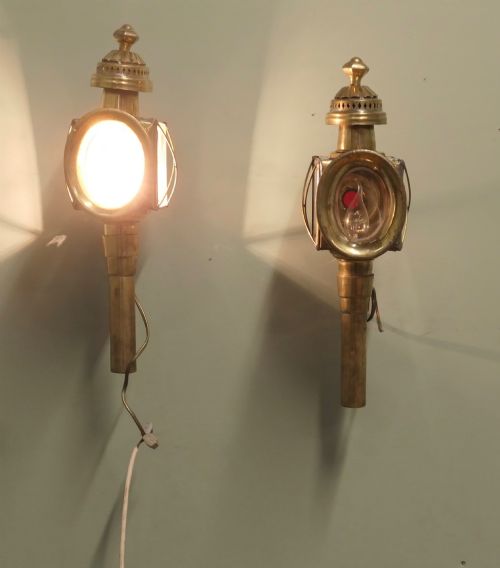
- Carriage light
- A wall-mounted lantern style derived from exterior transport illumination. These fixtures bring coach-house aesthetics into interior spaces.
French Lantern Light: Frequently Asked Questions
Where should a french lantern light be hung?
These fixtures suit entrance halls, high-ceilinged corridors and stairwells where their vertical proportions can be appreciated. Hanging them centrally allows the glazed panels to cast patterned light across surrounding walls.
Wall-mounted versions function effectively beside doorways or along passageways where ceiling suspension is impractical.
How are these lanterns electrified?
Many examples arrive with modern internal wiring installed to accommodate standard electrical bulbs. The internal cluster typically holds one, three or four lights depending on the scale of the frame.
Access to the interior for bulb replacement is usually achieved through a small hinged glass door built into the metal housing.
How do I identify a nineteenth century piece?
Nineteenth century lanterns often display heavier cast bronze or brass components and hand-formed structural frames. Fasteners tend to be threaded screws or rivets rather than modern welded joints.
Stylistic cues such as Rococo revival scrolls or Empire neoclassical motifs align with the manufacturing periods recorded in the evidence.
What is the difference between brass and gilt bronze?
Brass is an alloy of copper and zinc with a natural golden metallic tone. Gilt bronze consists of a copper and tin bronze base finished with a layer of applied gold.
Bronze generally permits sharper cast details and heavier structural rigidity compared to standard sheet brass constructions.