


French Hanging Pendant
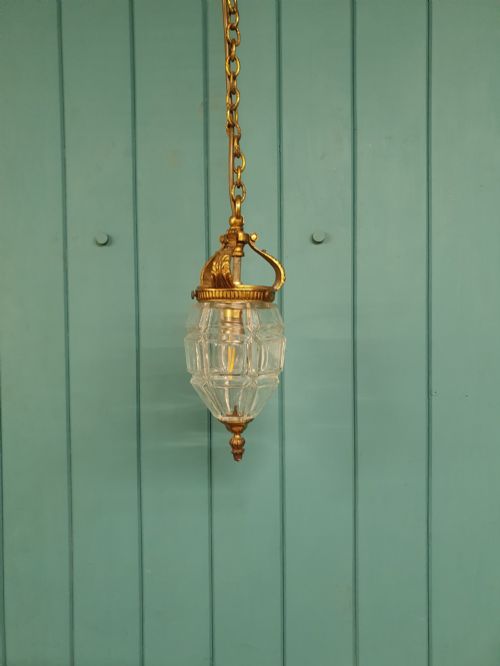
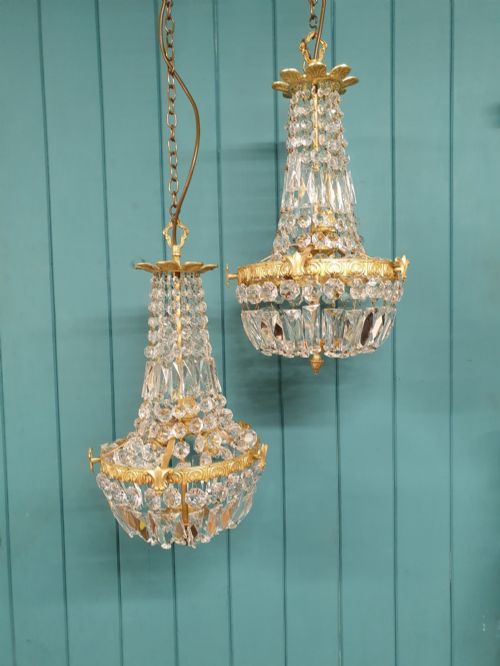
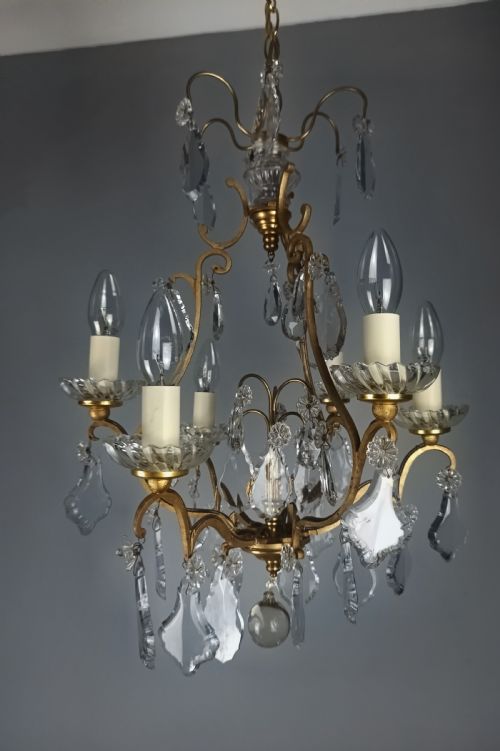
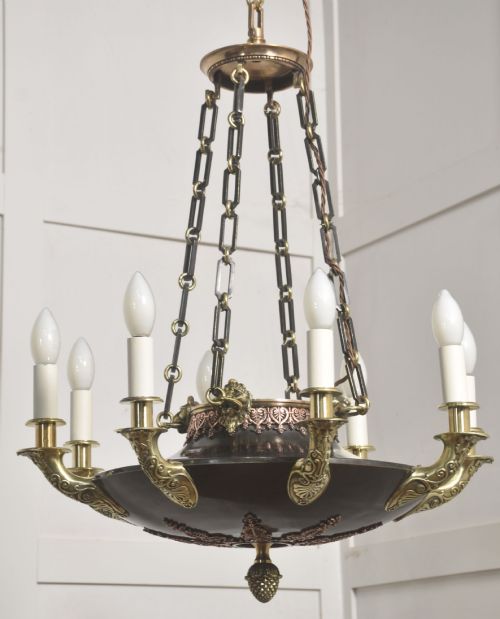
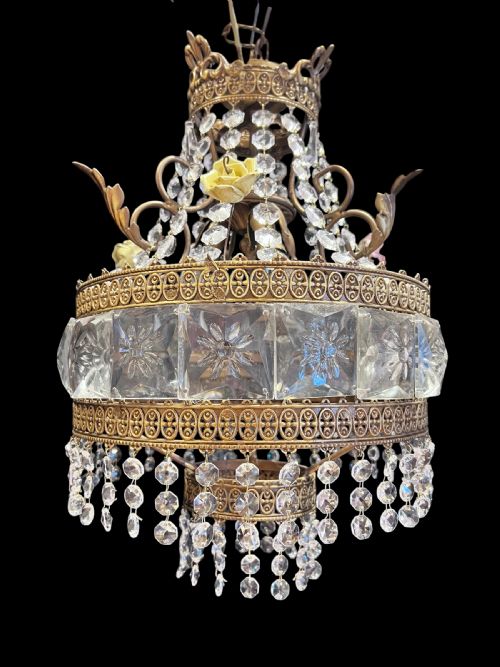
A french hanging pendant illuminates a hallway or reception room with characteristic continental grace, drawing the eye upwards through glass, metal and crystal.
French Hanging Pendant
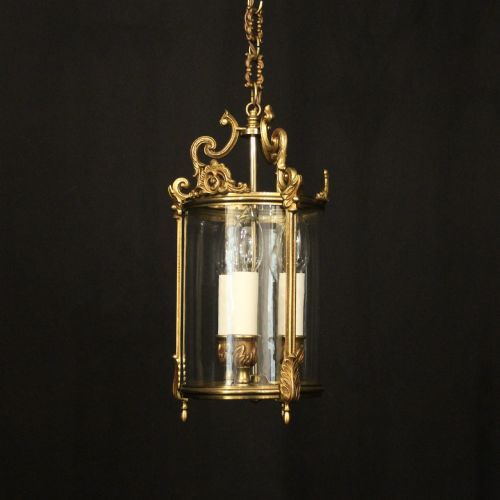
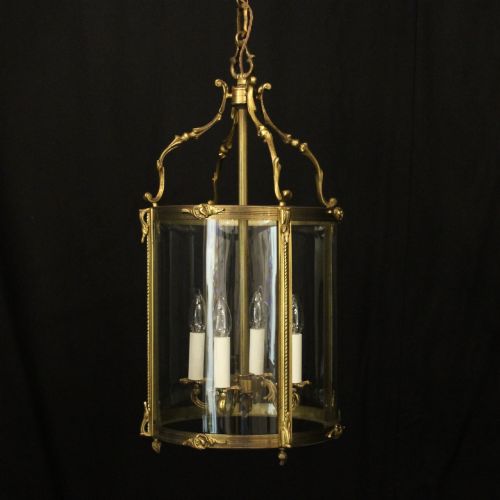
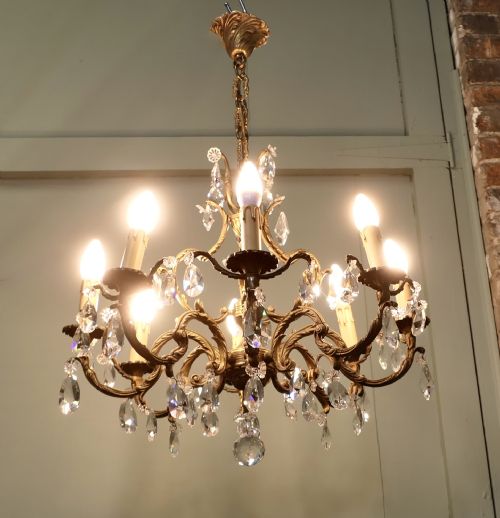
A french hanging pendant encompasses hall lanterns, ceiling lights and multi-armed chandeliers suspended from above. Buyers search this phrase when seeking decorative overhead illumination that reflects specific continental design traditions.
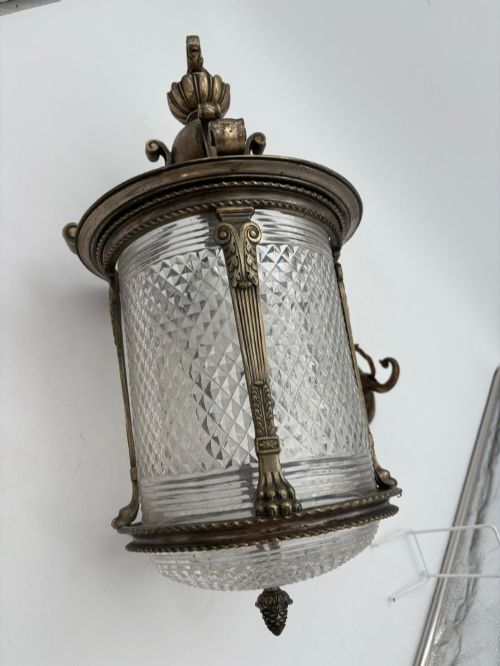
The pieces appearing here span from the nineteenth century through the art deco era, incorporating periods such as Edwardian and the 1920s. Hall lanterns with convex glass and gilded bronze frames emerge frequently among these selections.
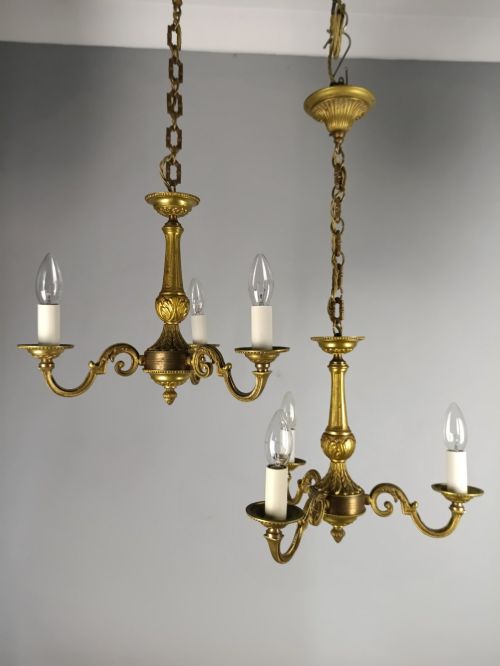
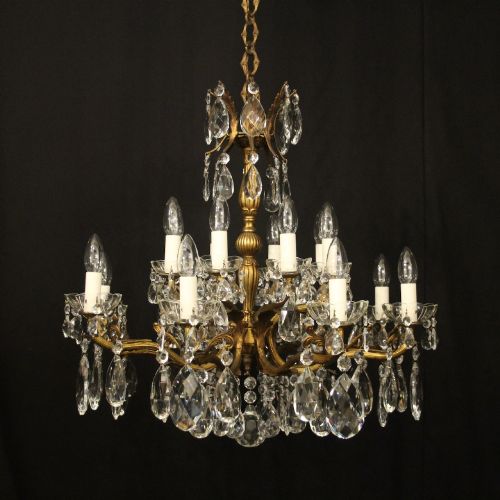
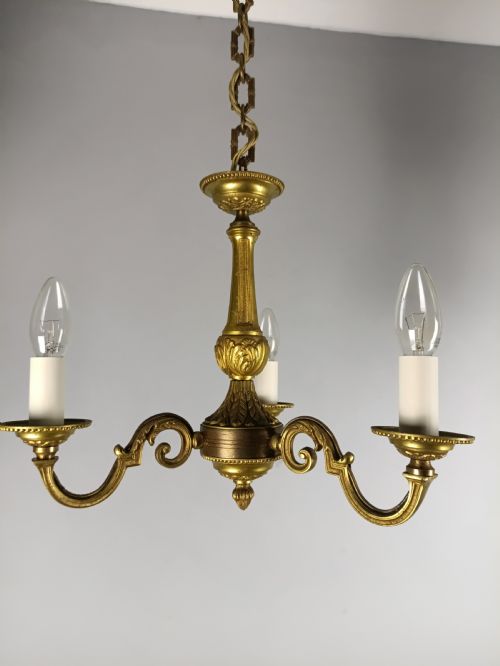
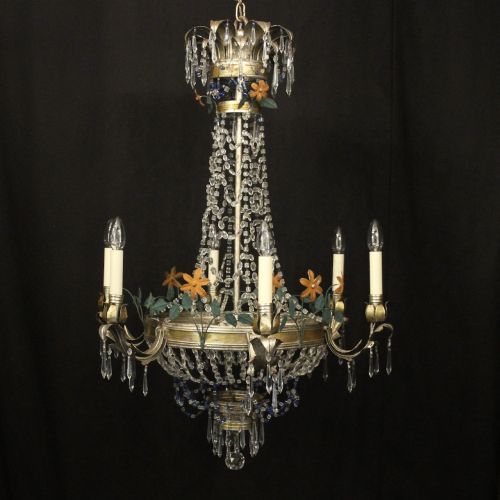
Forms range from compact single-bulb fixtures to sprawling multi-light chandeliers hung with crystal lustres. French chateau and rococo revival styles dominate the visual language alongside cleaner geometric lines from later decades.
Materials and construction methods
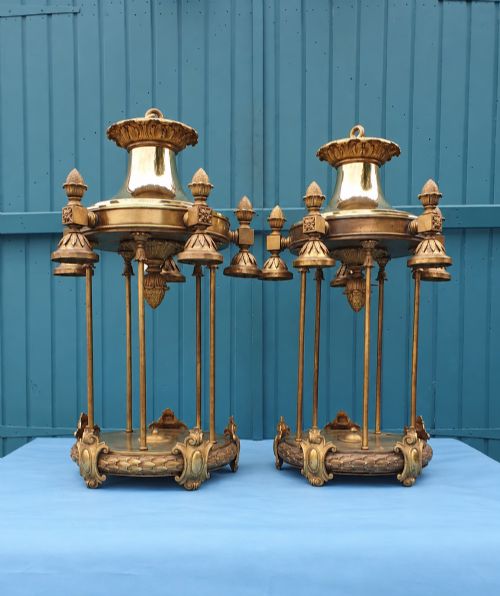
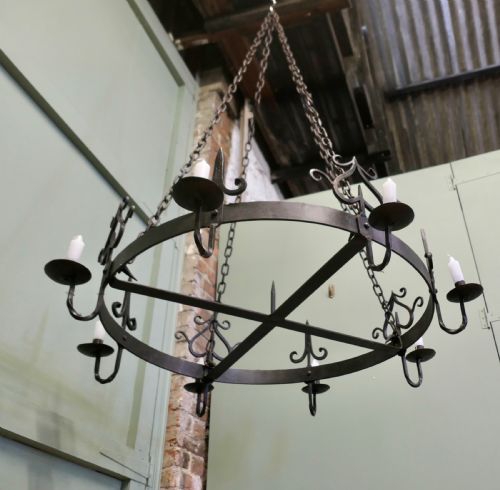
Metalwork forms the structural backbone of each french hanging pendant, utilising cast bronze, brass, iron and gilded metal. Foundries shaped these metals into intricate frames, often applying a gilt surface layer for rich colour.
Glass and crystal components, including etched globes, cut pendeloques and convex panes, transform the output of the internal bulbs. Artisans secured these transparent elements within metal armatures using pins and wiring.
Decorative details often incorporate ceramic flowers, tolewear foliage and gesso elements to soften the metallic and glass structures. These applied ornaments demonstrate traditional continental workshop practises.
French Hanging Pendant Retail Price Guide 2026
Typical asking prices for french hanging pendant among the pieces listed under this phrase on Sellingantiques today, from the lower quarter to the upper quarter. They describe what is for sale here now, not the wider market.
Several lanterns incorporate operational side doors, originally designed for reaching inside with a taper to light the candles.
Assessing quality in hanging pendants
The depth and crispness of the bronze casting separate standard production pieces from exceptional items. Superior examples display sharply defined ornamentation and careful hand-chasing across the metal surface.
The clarity and cut of the crystal or glass elements influence the brilliance of the fixture when illuminated. High-grade fittings utilise heavy, refractive crystal that scatters light cleanly rather than uniform pressed glass.
Structural integrity relies upon robust joints and substantial gauge metal that supports the weight of the fixture securely. Heavier lanterns and chandeliers require precise engineering in their suspension loops and internal frames.
Degué·Émile-Jacques Ruhlmann·G.E.C
The French Hanging Pendant Glossary
- Hall lantern
- An enclosed hanging light designed specifically for entryways and corridors. These fixtures typically feature glazed panels held within a metal frame.
- Gilt bronze
- Bronze metal treated with a thin layer of gold or gold-coloured alloy. This technique yields a durable metallic sheen characteristic of fine French decorative arts.
- Lustre
- A cut crystal pendant or drop suspended from a chandelier to reflect light. Lustres hang in arrangements such as waterfalls or tents around the central frame.
- Tolewear
- Painted sheet metal shaped into decorative forms like leaves and flowers. It provides vibrant colour accents on mid-period lighting fixtures.
- Convex glass
- Curved glass panes used in lantern construction to diffuse light outward. This treatment creates a rounded profile distinct from flat-sided enclosures.
French Hanging Pendant: Frequently Asked Questions
How do I hang a french hanging pendant safely?
Suspension requires anchoring directly into ceiling joists or using a certified ceiling box capable of supporting the dead weight of bronze and crystal fixtures.
Professional electrical installation ensures the internal wiring matches modern standards while preserving the original decorative canopy.
Where should I place a hall lantern?
Hall lanterns suit entrance vestibules, narrow corridors and stairwells where vertical space allows overhead clearance. Their enclosed design protects the internal bulbs from drafts in transitional zones.
Positioning the fixture at a height that clears household traffic maintains proper proportion within the room.
How do I clean crystal lustres?
Cleaning crystal involves removing individual drops where possible and washing them in warm water with a mild detergent solution. Rinsing thoroughly and drying with a lint-free cloth restores maximum refractive brilliance.
Leaving the lustres attached while wiping them down prevents accidental breakage of old wire loops.
What distinguishes Art Deco from Rococo styles?
Art Deco lighting relies upon streamlined geometric forms, frosted glass and symmetrical lines typical of the 1920s and 1930s. Degué and Ruhlmann pieces exemplify this modern aesthetic.
Rococo revival designs embrace organic asymmetry, scrolling acanthus leaves and elaborate casting that echo eighteenth-century French ornamentation.