
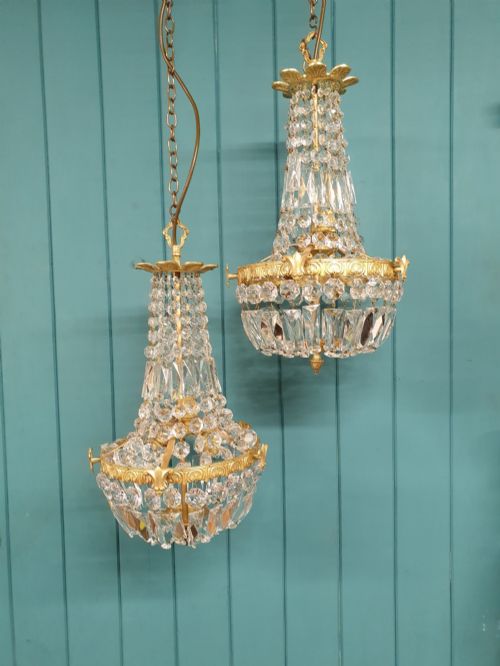
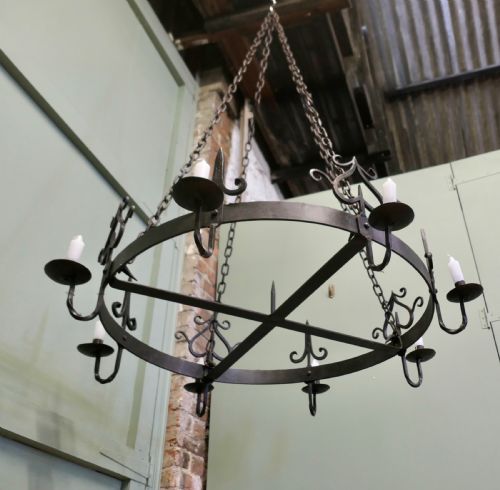
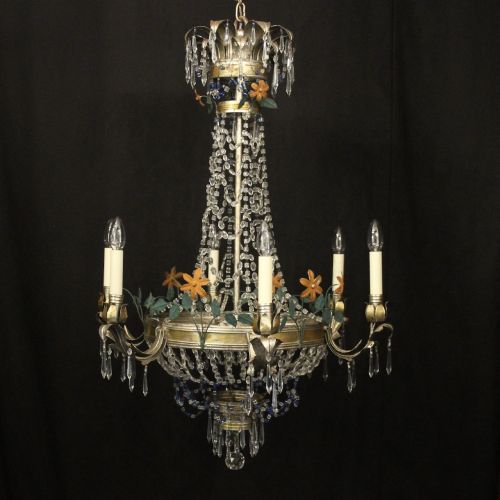
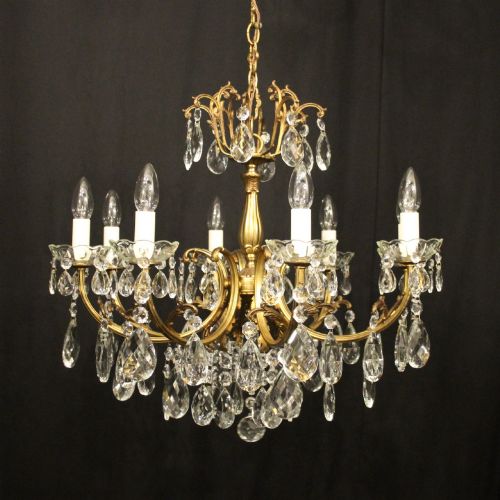
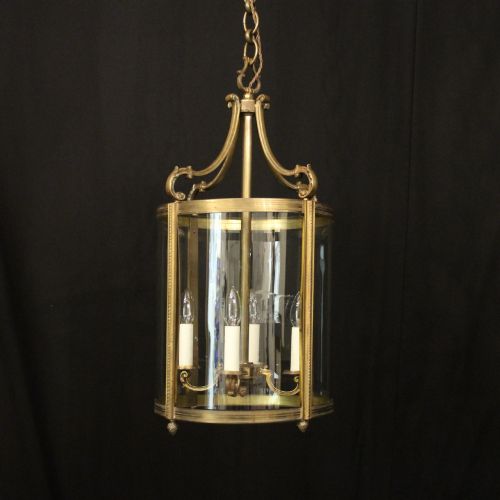
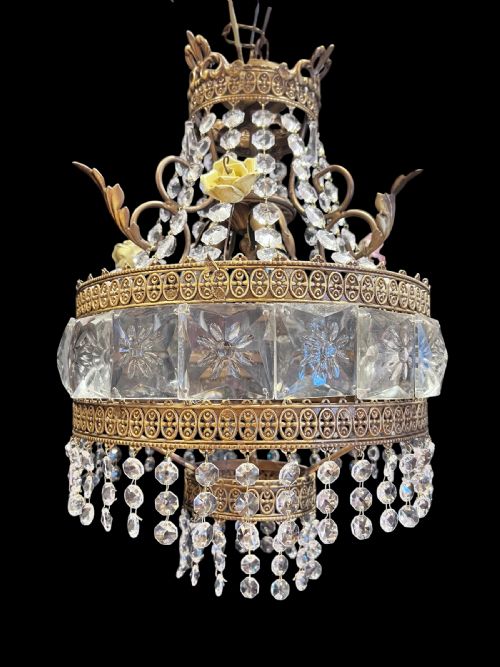

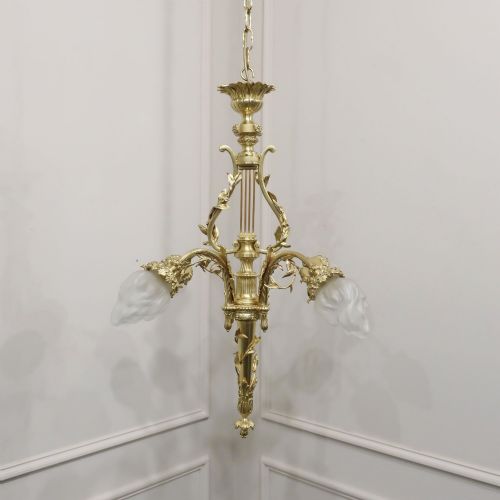
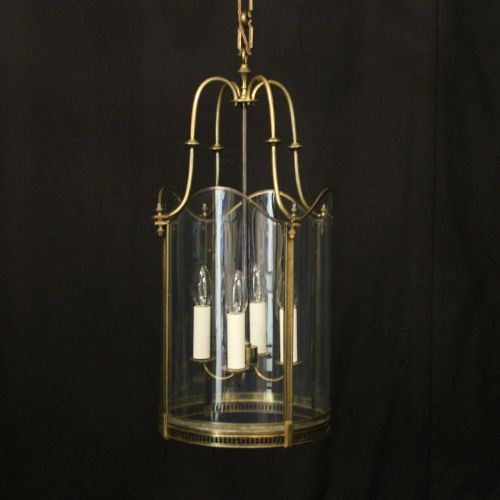
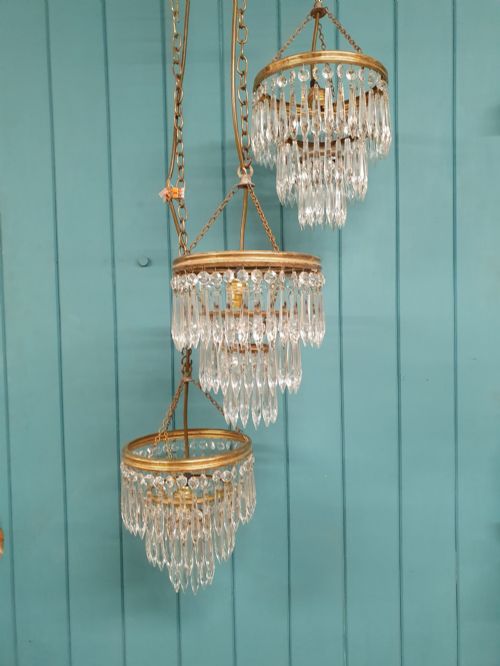
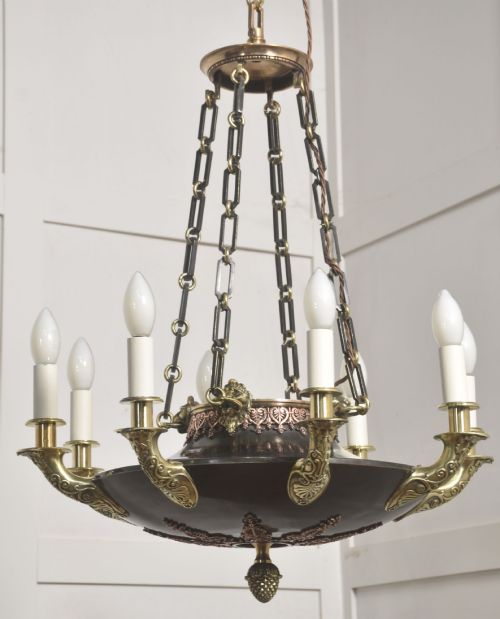
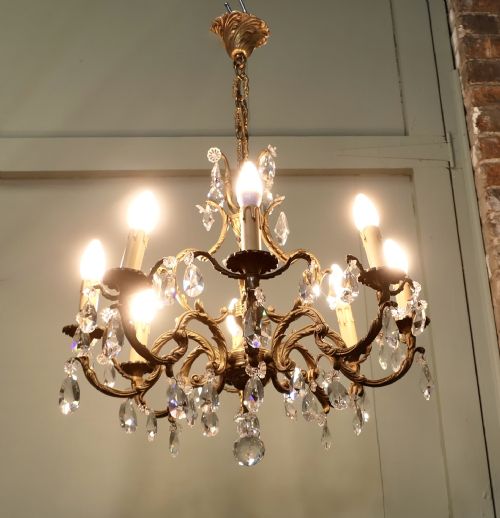
French Hanging Pendant Light
A French hanging pendant light brings warmth and heritage overhead, transforming a modest room with its characteristic period charm.
French Hanging Pendant Light
A French hanging pendant light draws the eye upward, bringing character and illumination to hallways, dining spaces and principal rooms. Buyers seeking these fixtures encounter an array of forms, from single glass globes to elaborate multi-armed arrangements.
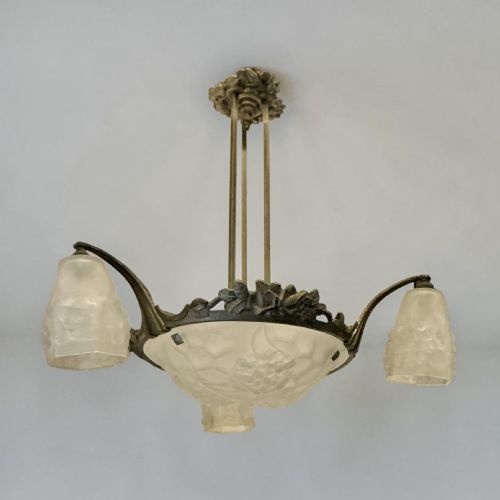
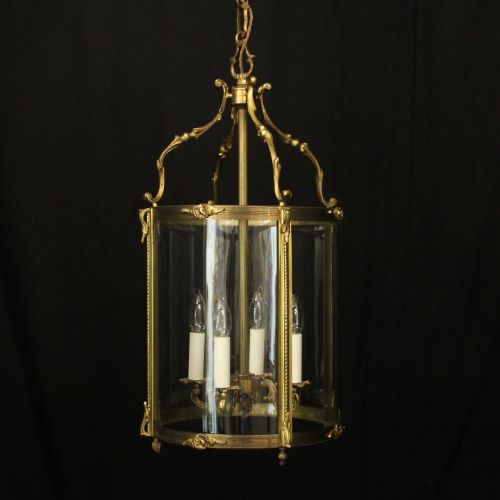
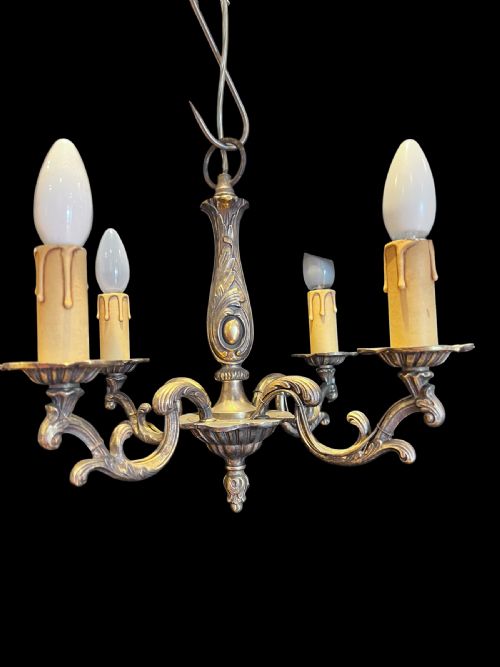
The pieces listed here span the nineteenth and twentieth centuries, encompassing styles such as French Rococo, Neoclassical and Art Deco. Hall lanterns and pendant lights with opalescent or etched glass are particularly common among the surviving examples.
Origins stretch across French provincial workshops and urban studios, drawing on aesthetic traditions from the Victorian era through the mid-twentieth century. Each item reflects the interior design priorities of its specific decade of production.
Materials and construction
Metals form the structural backbone of these fixtures, with gilt bronze, brass, iron and copper providing durable frameworks. Founders shaped these metals through casting and forging, often applying gilt or silver finishes to catch the ambient room light.
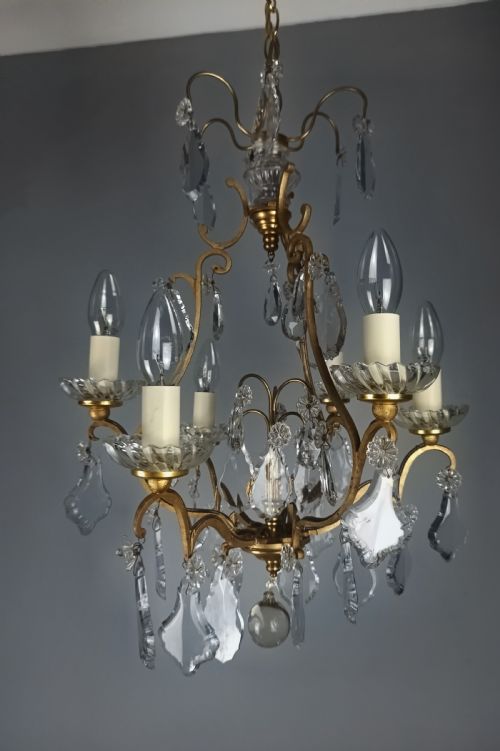
Glass elements complete the design, ranging from etched and opalescent panels to leaded crystal lustres and teardrops. Artisans blew or moulded the glass before mounting it securely within the metal armature.
Listings feature glass, brass, crystal and gilt bronze, spanning the nineteenth century through the 1930s.
Standards of execution
Quality rests heavily on the crispness of the metal chasing and the depth of the gilding applied to bronze and brass surfaces. Master makers achieved sharper detail in decorative motifs and greater durability in the underlying metalwork.
The integrity and finish of the glass components separate standard examples from finer specimens, particularly where hand-etching or opalescence is present. Weight, proportion and the harmonious balance of metal to glass dictate the overall success of the piece.
Émile-Jacques Ruhlmann·G.E.C
The French Hanging Pendant Light Glossary
- Ormolu
- A technique of applying finely ground high-carat gold to a bronze object using mercury amalgam. This historic process yields a warm, durable metallic lustre.
- Opalescent glass
- A milky, translucent glass that displays milky blue highlights when lit from within. It diffuses light softly across a room.
- Plafonnier
- A ceiling-mounted light fixture that sits close to the surface rather than hanging on a long chain. These fixtures suit rooms with lower ceiling heights.
- Toleware
- Painted or lacquered sheet metal items, often decorated with floral motifs in bright colours. It adds a decorative, handcrafted touch to light fittings.
French Hanging Pendant Light: Frequently Asked Questions
Where should I hang a pendant light?
These fixtures suit entryways, stairwells and spaces above dining tables where downward illumination is essential. Hall lanterns work particularly well in narrow corridors to create a welcoming atmosphere.
Ensure you allow sufficient clearance below the fixture for people to pass underneath safely. The proportions of the room should dictate the diameter of the hanging light you choose.
How do I clean antique brass and glass?
Dust the metal and glass components regularly with a soft, dry cloth to prevent grime accumulation. Avoid harsh chemical cleaners that can strip historic gilt or damage delicate patinas.
For glass shades, remove them carefully if possible and wash them in lukewarm soapy water. Dry them thoroughly before reattaching them to the metal frame.
How do I date a French hanging light?
Stylistic clues such as clean geometric lines point towards Art Deco origins from the early twentieth century. Elaborate scrolling and floral motifs often indicate earlier nineteenth-century manufacture or revival periods.
Examine the construction methods, screw types and patination of the metal for further chronological indicators. Comparing the piece with documented examples from the same era helps confirm its period.