



French Fireplace Logs
French fireplace logs and related hearth furniture bring essential warmth and character to a room, forged from heavy metals built to endure centuries of roaring hearths.
French Fireplace Logs
These pieces encompass heavy iron and brass fire dogs, alongside auxiliary fuel baskets and cauldrons designed to hold logs beside the hearth.
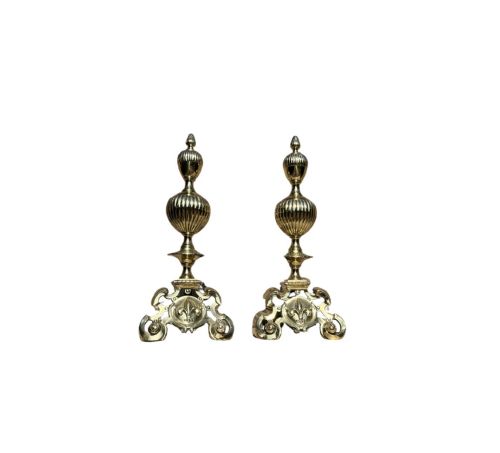
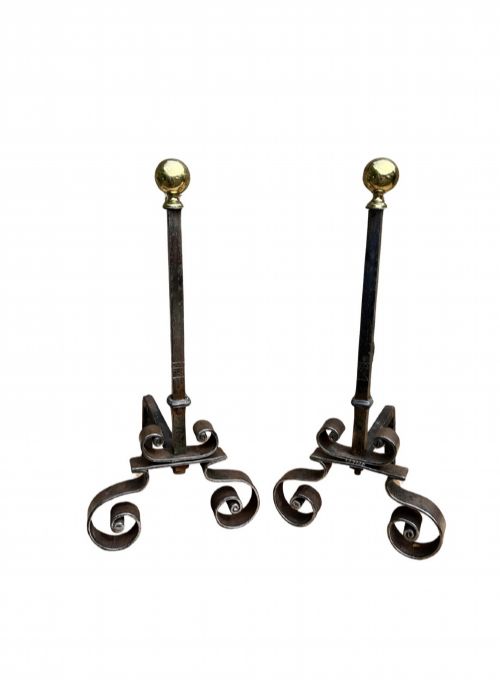
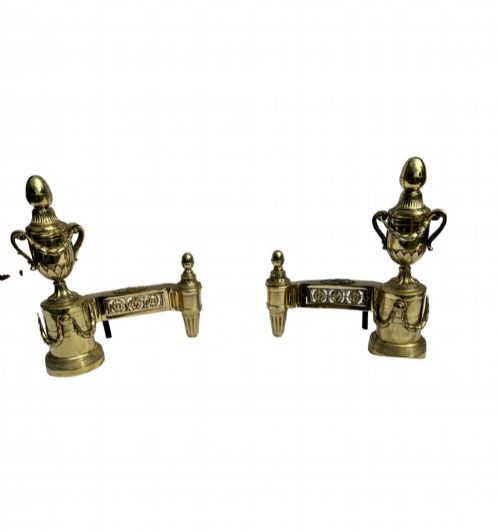
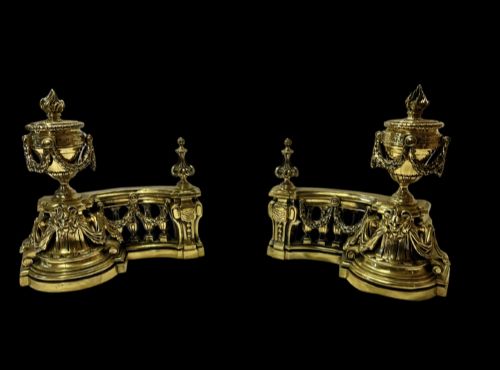
The selection ranges from robust nineteenth-century wrought iron examples to decorative cast brass pairs inspired by earlier continental designs.
Buyers seeking french fireplace logs typically encounter sturdy pairs of andirons and companion vessels intended to support wood burning safely and neatly.
Materials and construction methods
Makers utilised durable metals including cast iron, wrought iron, brass, and copper to withstand intense hearth temperatures over generations.
Individual components were shaped through traditional forging, casting, and hand-beating techniques, often finished with gilt or applied enamel details.
Structural joints rely on heavy rivets and solid metal pins to ensure stability under the weight of heavy timber.
French Fireplace Logs Retail Price Guide 2026
Typical asking prices for french fireplace logs among the pieces listed under this phrase on Sellingantiques today, from the lower quarter to the upper quarter. They describe what is for sale here now, not the wider market.
Some nineteenth-century metalworkers hid tiny foundry marks inside hollow scrollwork, leaving secret signatures for future finders.
Distinguishing quality across the range
Superior examples display crisp casting and careful hand-finishing, whereas simpler pieces show coarser surfaces and utilitarian assembly.
The choice of metal dictates visual weight, with substantial bronze and heavy gilt brass carrying greater presence than lighter plated alternatives.
Proportion and balance define the better pairs, ensuring decorative elements integrate harmoniously with solid structural frames.
Petrus Ramus
The French Fireplace Logs Glossary
- Chenet
- An alternative French term for an andiron or fire dog. These ornamental metal supports hold logs above the hearth floor to improve airflow.
- Dinanderie
- A term for varied medieval and later brass or copper objects produced in the Meuse valley. The technique involves beaten and engraved metal vessels.
- Andiron
- A horizontal metal support raised on legs, used in pairs to hold firewood in an open fireplace. They often feature decorative front faces.
- Cauldron
- A large metal pot with a rounded base and carrying handle. These vessels served practical heating and fuel storage purposes in traditional interiors.
French Fireplace Logs: Frequently Asked Questions
What are french fireplace logs used for?
These listings include heavy iron and brass supports, often called andirons or chenets, which elevate wood above the hearth floor. Raising the timber allows air to circulate underneath for a cleaner, hotter burn.
Additional copper cauldrons and brass buckets serve as practical receptacles for storing logs neatly beside the fireplace.
How do I choose the right size?
Consider the depth and width of your fireplace opening before selecting fire dogs or fuel baskets. Larger monumental pairs require generous hearth space to balance the room visually and functionally.
Smaller domestic pairs suit modest hearths without overwhelming the surrounding mantelpiece.
How do I care for brass and iron?
Wrought iron and cast iron benefit from a light application of protective wax or oil to prevent surface oxidation in damp conditions. Avoid harsh chemical cleaners that strip historical patinas.
Polishing brass depends on personal preference; some collectors retain a dark aged surface while others prefer a brighter finish.
How can I tell the period?
Dating relies on stylistic clues such as neoclassical symmetry, baroque curves, or Victorian ornamentation combined with manufacturing marks. Tool marks and metal composition also indicate whether a piece dates to the eighteenth, nineteenth, or early twentieth century.
Comparing casting techniques helps distinguish authentic period pieces from later commemorative reproductions.