




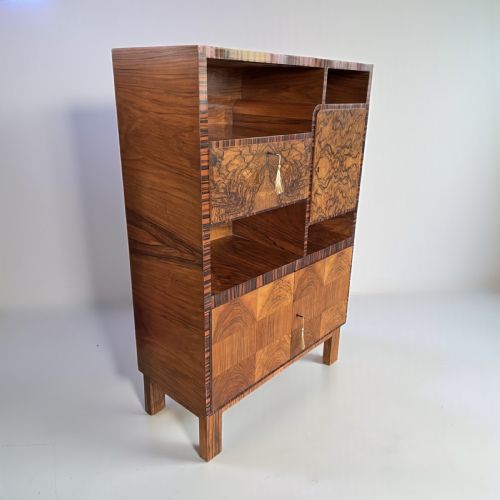
French Display Unit
A French display unit gathers books, ceramics and glassware in open shelving, vitrines and etageres crafted across provincial and metropolitan workshops.
French Display Unit
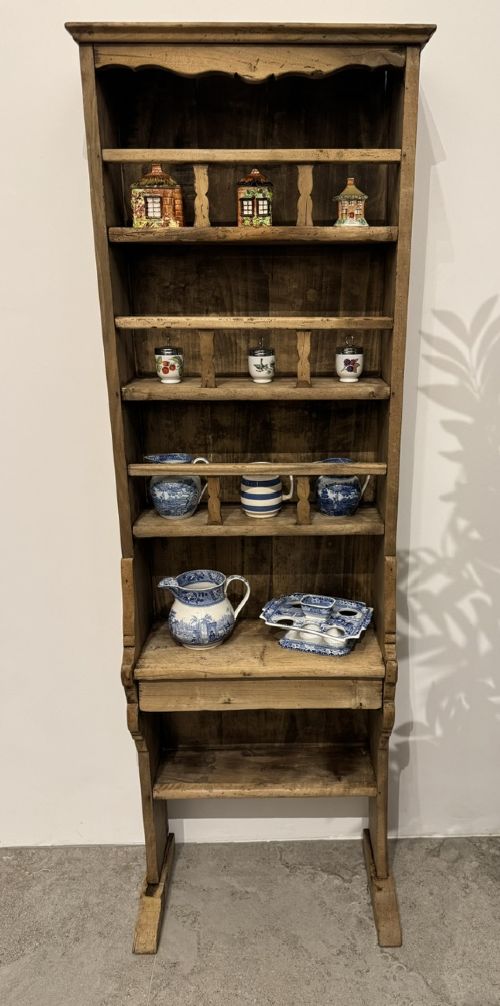
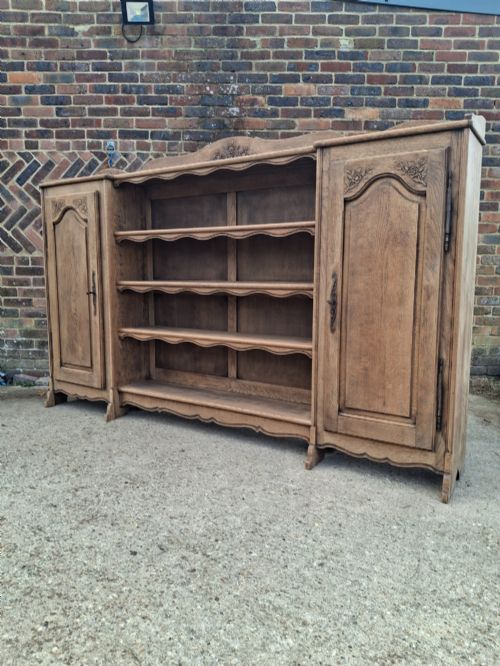
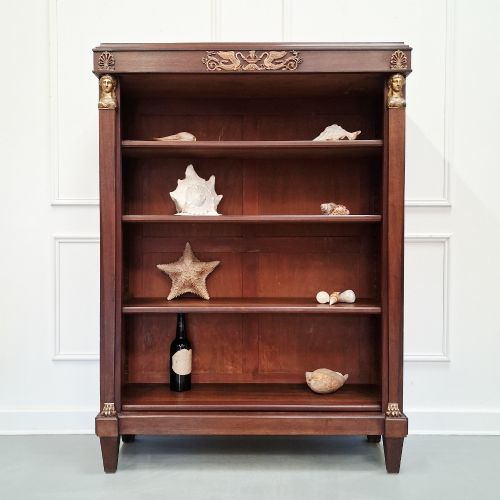
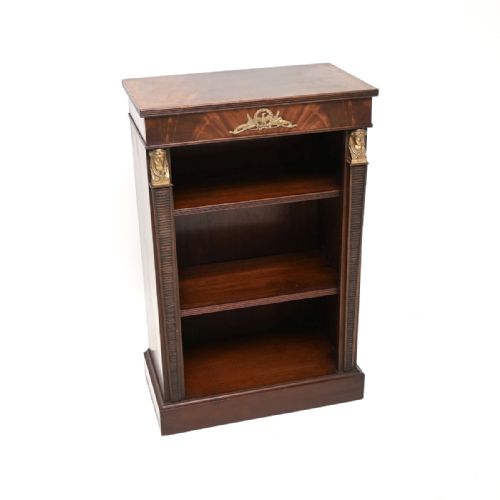
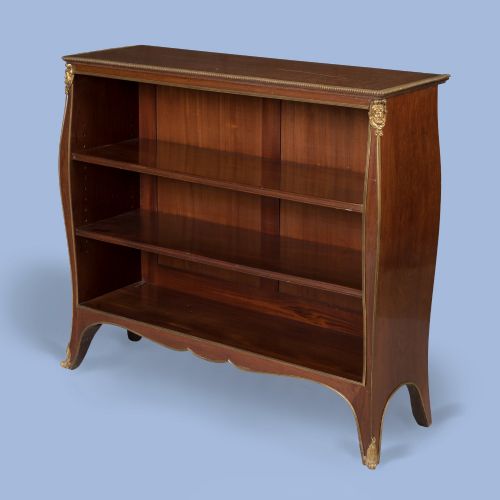
A French display unit encompasses open bookcases, wall shelves, etageres, baker's racks and vitrine cabinets designed to exhibit collections while structuring a room. These pieces emerge from periods spanning the eighteenth, nineteenth and early twentieth centuries, reflecting diverse regional and urban aesthetics.
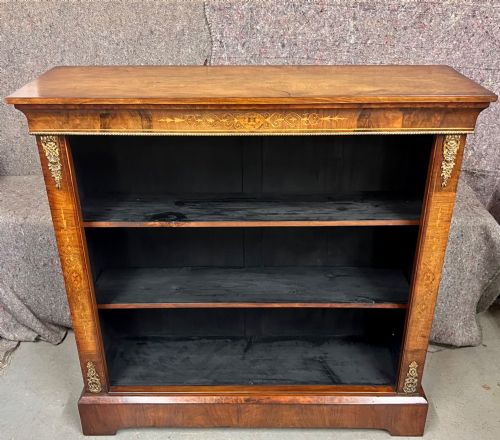
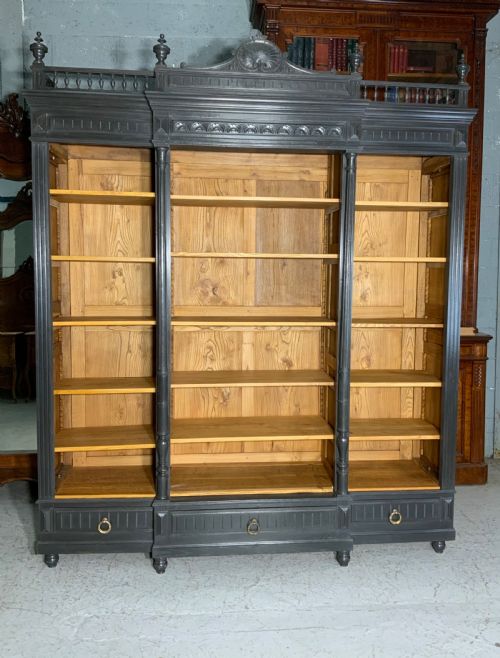
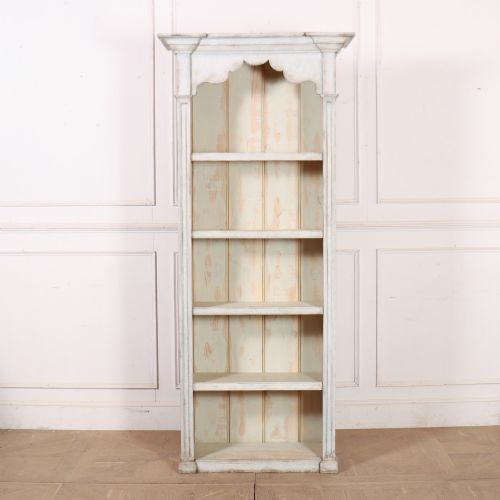
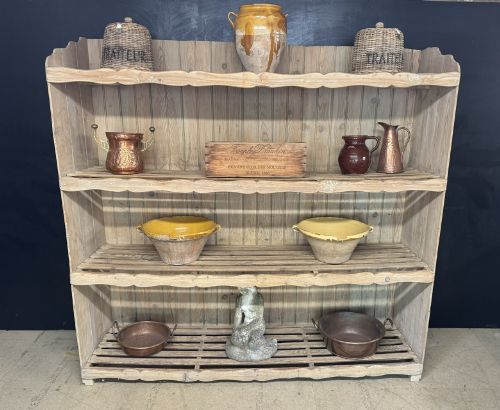
Provincial workshops contribute painted finishes, softer woods and rustic utility, whereas Parisian makers produce formal neoclassical proportions and gilt mounts. Buyers frequently encounter nineteenth-century walnut and mahogany bookcases alongside wrought iron baker's racks and tiered etageres.
The selection ranges from diminutive wall-hanging shelves to large floor-standing cabinets fitted with glass doors, marble tops or brass embellishments. Each form serves a distinct domestic or commercial purpose, from storing volumes to presenting patisserie and wares.
How they were made
Cabinetmakers constructed these units using solid hardwoods such as mahogany, walnut, oak and cherry, often applying decorative veneers including rosewood and satinwood over secondary timbers like pine. Structural elements incorporate brass mounts, ormolu, carved giltwood and gesso to articulate classical and revival styles.
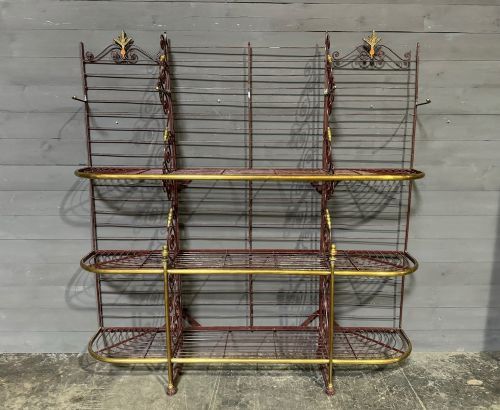
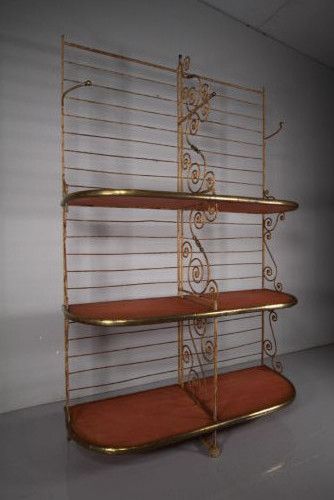
Metalwork defines the industrial and commercial iterations, utilising wrought iron and brass for baker's racks, patisserie racks and shop display stands. Painted and parcel-gilt surfaces appear frequently alongside traditional clear polish and patinated marble tops.
French Display Unit Retail Price Guide 2026
Typical asking prices for french display unit among the pieces listed under this phrase on Sellingantiques today, from the lower quarter to the upper quarter. They describe what is for sale here now, not the wider market.
The inventory encompasses styles from French Provincial and Neoclassical to Art Deco and Victorian.
What varies in quality
The distinction between standard utility storage and exceptional furniture rests upon the choice of timber, the crispness of carved detail and the integrity of mounts. Ormolu cast with precision and giltwood carved with depth elevate a piece beyond basic domestic joinery.
Surface finish significantly influences character, distinguishing original hand-applied paint and patinated polish from later alterations. Stamped metalwork, fine marquetry inlay and structural harmony across proportions separate provincial vernacular from high-style Parisian manufacture.
The French Display Unit Glossary
- Etagere
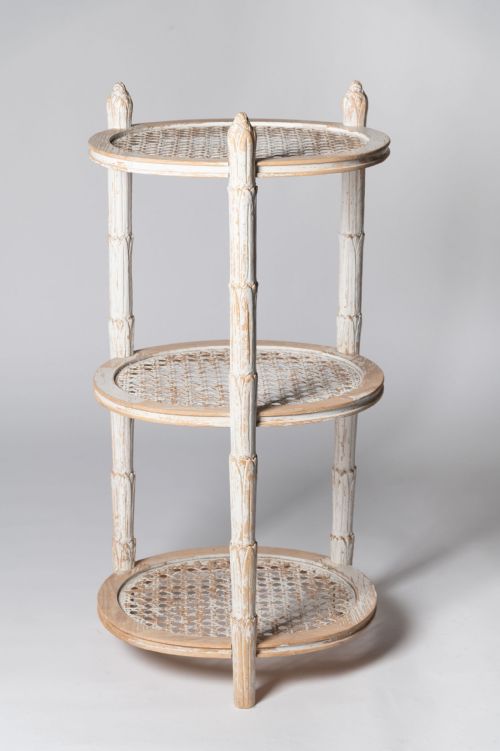
- A set of open shelves for displaying small objects, typically standing on slender supports and originating in France during the nineteenth century. These tiers allow items to be viewed from multiple angles.
- Baker's rack
- A metal or iron shelving unit originally utilised in French boulangeries and patisseries for cooling bread and pastries. Wrought iron frameworks often feature decorative scrollwork and mesh panels.
- Vitrine
- A glass-fronted cabinet designed for the display and protection of porcelain, curiosities and fine objects. Glazed doors and sides maximise light penetration.
- Ormolu
- Gilt bronze mounts applied to furniture edges, corners and friezes to accent the timber framework. This technique became prominent in French neoclassical and revival design.
- Vernis Martin
- A European decorative lacquer technique mimicking Asian lacquerwork, developed in France during the eighteenth century. It employs multiple translucent varnish layers to achieve deep colour and lustre.
French Display Unit: Frequently Asked Questions
Where should I place a French display unit?
These units suit living rooms, dining spaces and libraries where books, ceramics or glassware benefit from organised presentation. Open shelving and etageres function effectively against plain walls, while corner cabinets utilise awkward junctions.
Floor-standing bookcases and vitrines require sufficient clearance to open doors and appreciate their proportions without crowding adjacent furniture.
How do I clean a painted or polished display unit?
Dust timber surfaces regularly with a soft, dry cloth to prevent particulate accumulation in carved details and mouldings. Avoid abrasive cleaners or excess moisture on polished wood and painted finishes.
Wax applied sparingly maintains the lustre of walnut and mahogany, while glass panels on vitrines respond well to standard non-ammonia glass cleaner applied to a cloth.
Can I use a baker's rack indoors?
Wrought iron baker's racks translate easily from commercial culinary origins to domestic interiors, serving as plant stands, kitchen storage or bathroom shelving. Their open metal construction maintains visual lightness in compact spaces.
Securing taller metal racks to the wall provides stability when loading heavy books, cookware or tableware onto the iron shelves.
How do I distinguish provincial pieces from Parisian ones?
Provincial furniture generally exhibits simpler construction, local timbers like oak or cherry, and softer painted finishes suited to country houses. These pieces prioritise utility and regional charm over strict academic style.
Parisian items frequently display formal neoclassical or rococo revival vocabulary, utilising fine mahogany, exotic veneers, ormolu mounts and sophisticated marquetry inlay.