
French Country Light
French country light fixtures bring provincial character and aged metals into an interior through chandeliers, wall lights and lamps.
French Country Light
French country light fittings encompass chandeliers, wall lights, wall lanterns and lamps originating from periods spanning the nineteenth and early twentieth centuries. These objects translate rural provincial styles and chateau aesthetics into functional illumination for domestic spaces.
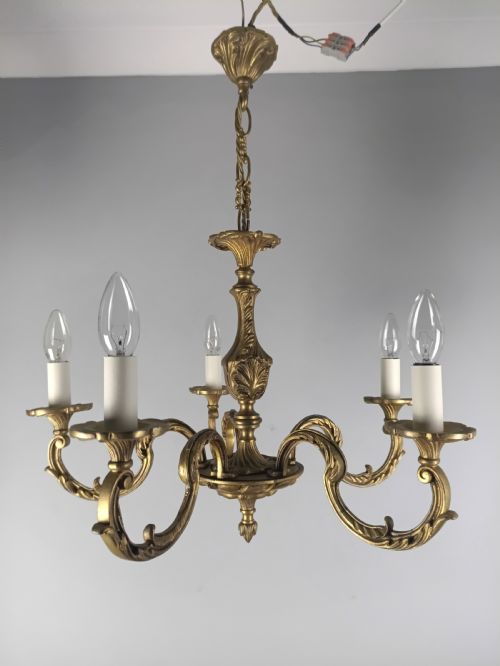
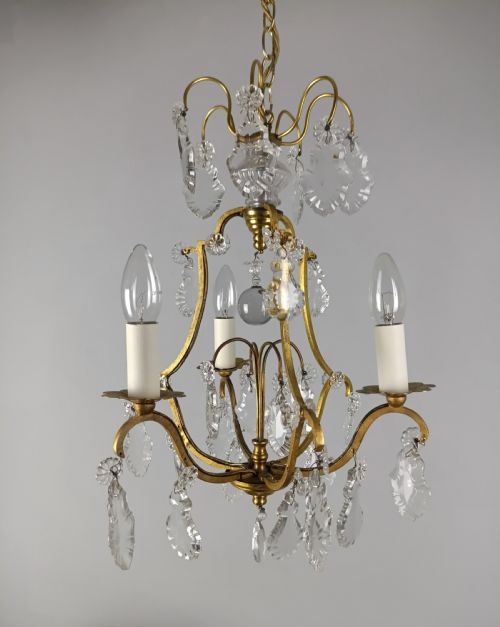
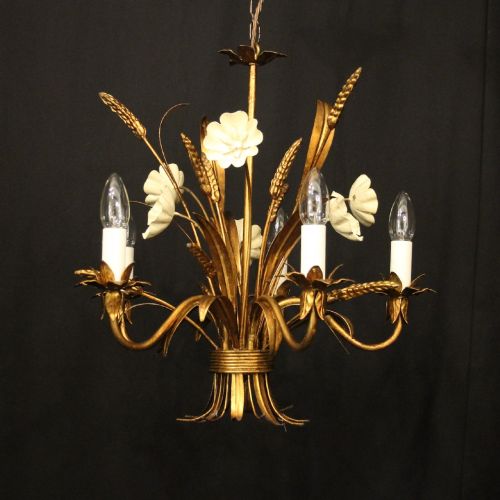
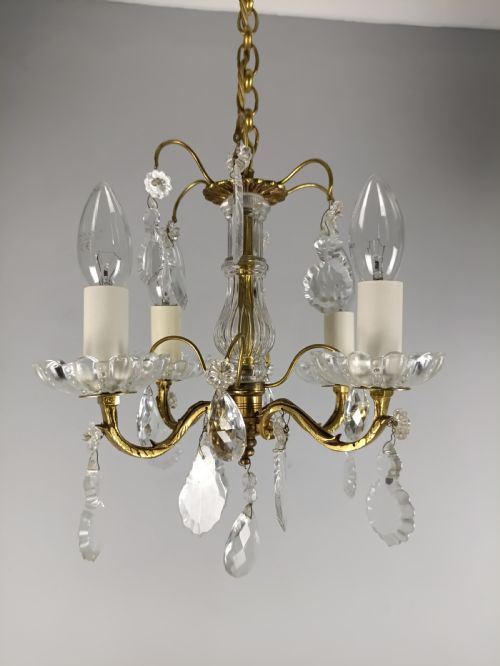
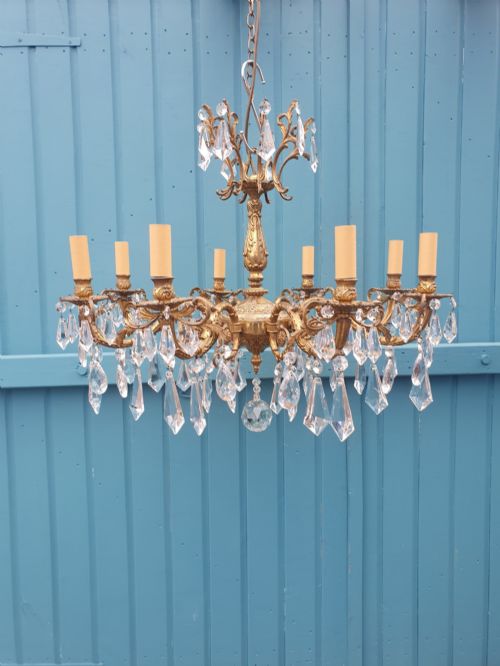
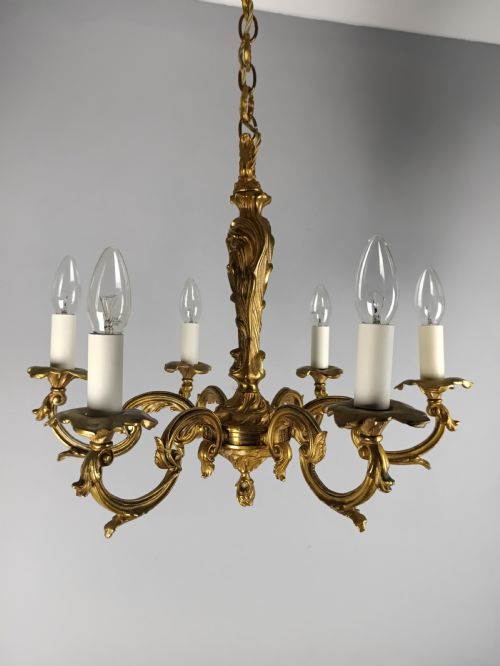
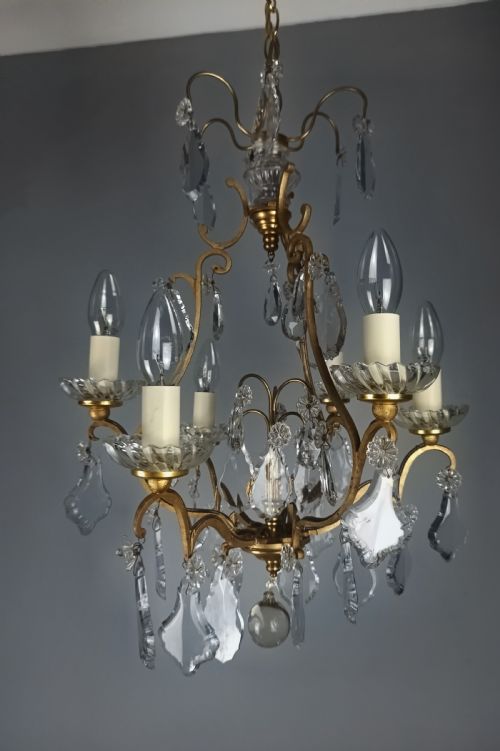
Chandeliers dominate the selection, appearing with multiple candle arms, crystal drops and tolewear floral ornamentation. Buyers encounter fixtures constructed from gilt brass, dark bronze, wrought iron and gilt metal alongside ceramic elements.
The aesthetic bridges rustic farmhouse simplicity and decorative rococo or neoclassical influences. Pieces range from modest three-light chandeliers to large ten-arm configurations designed for substantial rooms.
How they were made
Metalworking forms the structural backbone of these fixtures, utilising cast and gilded brass, wrought iron, dark bronze and silver-plated or parcel gilt surfaces. Artisans shaped metal into scrolled arms, birdcage frames and wall appliques.
Decorative detailing incorporates hand-painted tolewear elements, ceramic floral components and coloured crystal drops in amber or mauve. Wiring and electrical conversions often overlay original candle-socket configurations from the nineteenth and early twentieth centuries.
Listings feature items dated from the mid-nineteenth century through the nineteen-thirties, utilising oak, brass, glass, crystal and fabric.
What varies in quality
Quality rests upon the delicacy of the metalwork, the retention of original gilding or polychrome paint, and the completeness of the crystal or ceramic components. Superior examples display crisp chasing on brass or bronze surfaces and harmonious integration of floral tolewear.
The complexity of the frame structure differentiates standard utilitarian fixtures from elaborate chateau-style designs. Heavier gauge metals, intact period crystals and balanced proportions mark the upper tier of surviving items.
The French Country Light Glossary
- Tolewear
- Painted or lacquered sheet metal items often shaped into floral or foliate motifs on chandeliers and wall lights. This technique introduced vibrant colour and organic decoration to lighting fixtures.
- Birdcage chandelier
- A metal frame construction resembling an aviary structure, supporting central lights and cascading crystal drops. This specific armature design gained popularity during the early twentieth century.
- Parcel gilt
- A surface treatment where selected areas of an object are partially covered in gold leaf or gilt. It highlights carved or cast details against a contrasting painted or dark metal ground.
- Refectory table
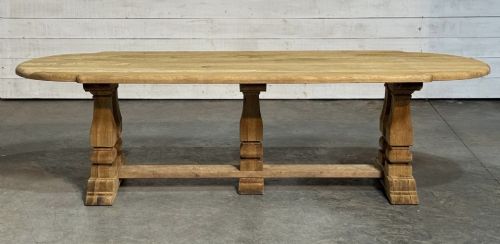
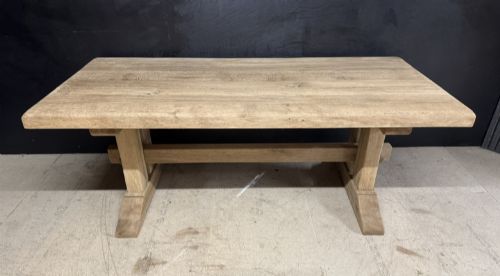
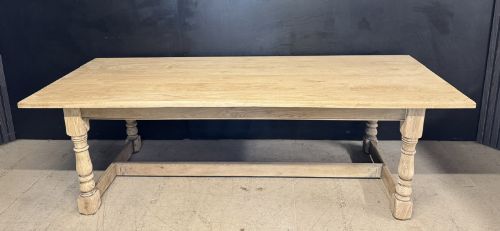
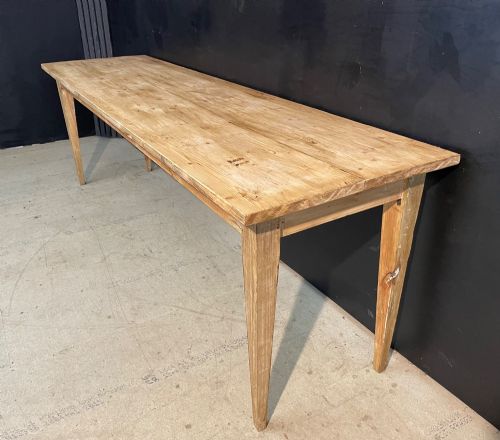
- A long dining table originally designed for communal eating in monastic or large domestic halls. Versions in bleached oak appear frequently within rural French interiors.
- Applique
- A wall-mounted lighting fixture designed to hold candles or electric bulbs, directing illumination outward. These pieces complement central ceiling chandeliers.
French Country Light: Frequently Asked Questions
How do I choose the right size chandelier?
Consider the dimensions of the room and the height of the ceiling where the fixture will hang. Larger multi-arm chandeliers require adequate clearance and substantial floor space to balance their visual weight.
Smaller three or four-light versions suit modest spaces or lower ceilings without dominating the room.
Are these lights wired for modern electricity?
Many antique fixtures have been adapted over time to accommodate standard electrical wiring and modern bulbs. Buyers should check individual listings to confirm the current wiring status.
Rewiring or professional installation is often recommended to meet contemporary safety standards while preserving the antique metal and crystal frame.
What materials are typical for French country lighting?
Common materials include gilt brass, wrought iron, dark bronze, and tolewear painted metal. Crystal drops and ceramic floral elements frequently decorate the metal frames.
These varied substances create a textured appearance that combines rustic ironwork with polished or gilded reflective surfaces.
How do I date an antique French chandelier?
Dating relies on stylistic clues, manufacturing techniques, and material combinations associated with specific decades like the eighteen-nineties or nineteen-twenties. Rococo and neoclassical revival styles carry distinct decorative indicators.
Examining the construction of the metal arms and the cut of the crystal drops helps establish the period of manufacture.