


French Cane Side Chairs
French cane side chairs bring light seating and classic European proportion into a room, offering tactile woven texture alongside carved wooden frames.
French Cane Side Chairs
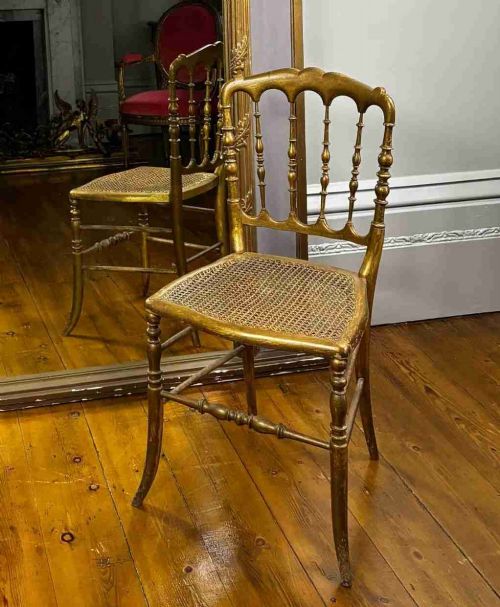
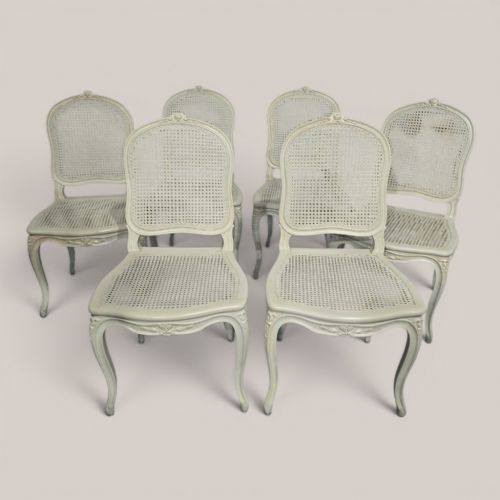
When buyers search for french cane side chairs, they look for seating that combines open woven panels with traditional wooden construction. The pieces seen here span the nineteenth century through the early twentieth century, taking forms such as salon chairs, dining chairs, and bedroom chairs.
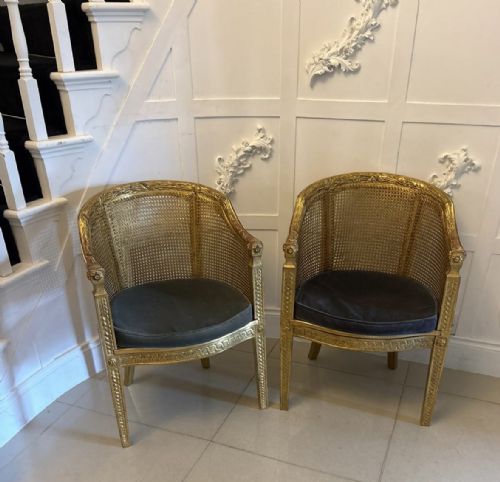
Most examples originate from nineteenth-century production or later revivals, displaying regional stylistic influences including Louis XV, Louis XVI, and Napoleon III. These variations provide either ornate carved detail or restrained linear frames suitable for daily domestic use.
Materials and Construction
Makers utilised solid timbers such as walnut and mahogany alongside softer woods selected for decorative painted finishes or giltwood applications. Frames frequently feature hand-carved detailing that defines the respective stylistic period.
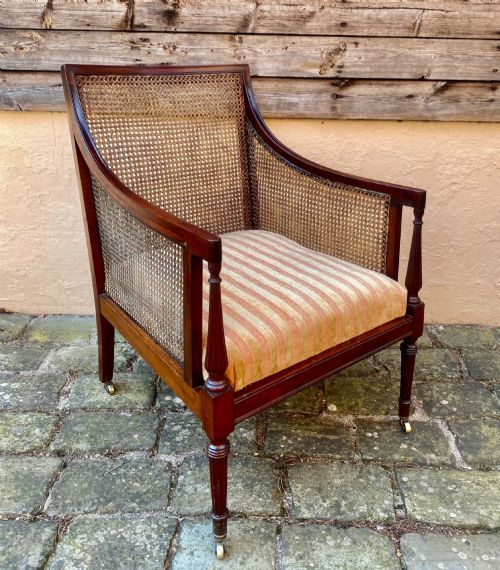
The characteristic cane seating panels are hand-woven directly into or through the wooden seat rails, creating a flexible yet supportive surface. Additional elements occasionally incorporate fabric upholstery or gold leaf highlights.
Common forms span dining chairs, bedroom chairs, and salon chairs, frequently incorporating traditional cane work and fabric elements.
Assessing Quality and Execution
The standard of a piece rests largely on the crispness of the timber carving and the tightness of the woven cane work. Finer examples display meticulous hand-tooling on the wooden frames rather than simple mechanical shaping.
Surface treatments also dictate distinction, from original painted or gilded finishes to later decorative coatings. Structural integrity within the joined frame and the preservation of the woven panels determine the overall character of the piece.
The French Cane Side Chairs Glossary
- Cane
- A woven material derived from the peeled bark of rattan palms, utilised to create light and flexible seating panels. It forms the primary decorative and functional insert on these chairs.
- Giltwood
- Timber that has been coated with a thin layer of gold leaf or gilt preparation to give a metallic surface. This treatment appears frequently on nineteenth-century salon and drawing room seating.
- Bergere
- An enclosed upholstered armchair with wooden framing and typically a caned or upholstered back and sides. It offers a deeper seat than a standard side chair.
- Walnut
- A dense, dark hardwood favored for its attractive grain pattern and strength in carved furniture. Makers used it extensively for both structural frames and decorative decorative surfaces.
- Napoleon III
- A French design style spanning the mid-to-late nineteenth century characterised by eclectic revivals and decorative exuberance. Pieces from this era often feature rich gilding or painted surfaces.
French Cane Side Chairs: Frequently Asked Questions
How do I clean caned seating?
Maintenance requires gentle dusting with a soft brush and occasional wiping with a damp cloth to keep the natural fibres supple. Avoiding excessive moisture prevents the woven material from becoming brittle over time.
Conditioning the cane with a damp sponge from the underside helps maintain tension across the panel. Harsh chemical cleaners should be avoided entirely to protect both the wood and the organic weave.
Can these chairs be used daily?
These seating pieces function well for everyday use provided the wooden joints remain solid and the woven cane is sound. Lighter side chairs suit occasional dining or desk use rather than heavy lounging.
Placing them away from direct heat sources prevents the timber and cane from drying out. Periodic checks on the frame stability ensure long-term durability in a modern home.
What is the difference between side chairs and armchairs?
Side chairs feature a compact frame without armrests, designed originally to be easily moved around a dining table or drawing room. They offer a smaller footprint while retaining the decorative style of the period.
Armchairs include structural arm supports and often a wider seat, providing a more enclosed seating position. Both types frequently share matching decorative motifs within a larger drawing room set.
How do I identify the period of a chair?
Dating relies on examining the wood species, joinery techniques, and stylistic carving details that align with nineteenth-century or early twentieth-century conventions. Design characteristics such as faux bamboo turnings or Louis XVI tapered legs offer clear chronological markers.
Minor tool marks and the method of cane attachment also provide insight into the manufacturing era. Comparing the piece against documented historical forms confirms its origin.