

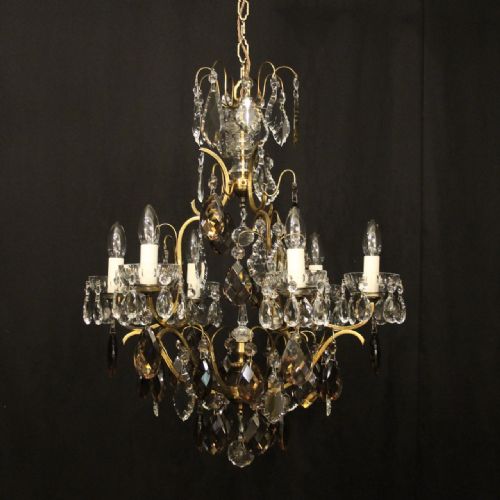


French Cage Chandelier
French cage chandelier designs bring vertical light structures together through shaped metal frameworks draped in cut glass.
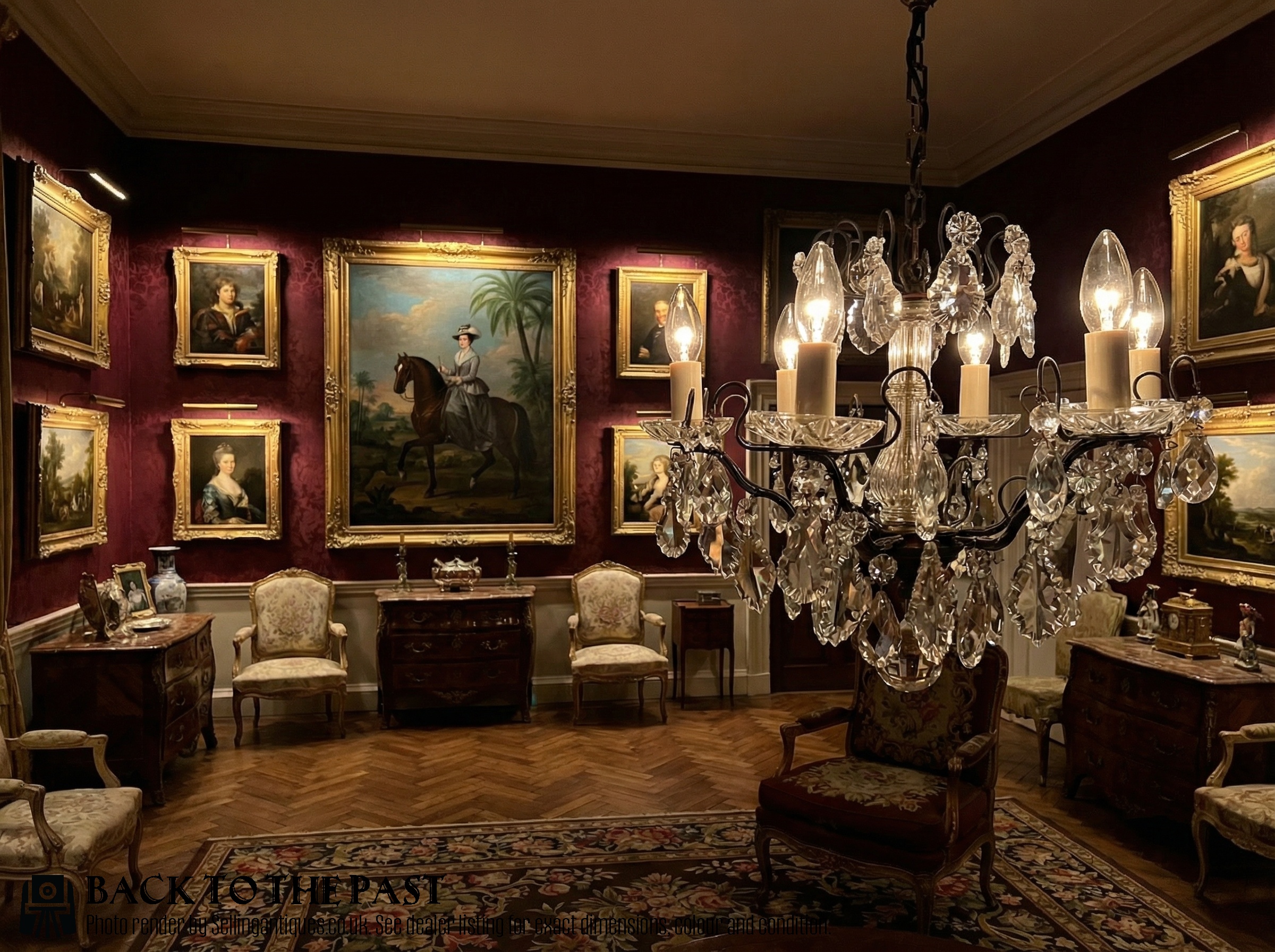
French Cage Chandelier
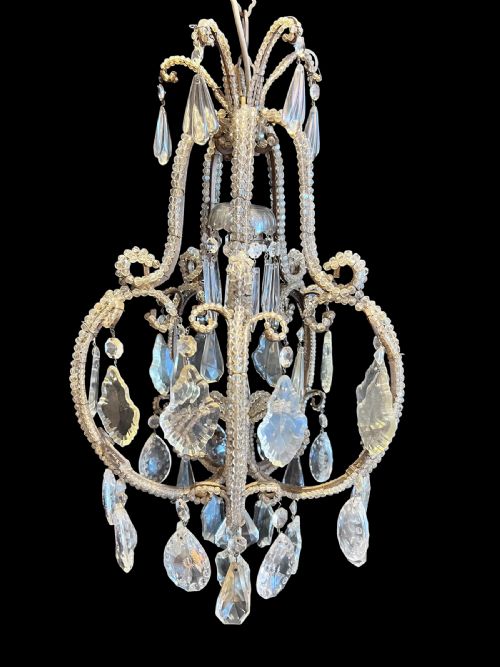
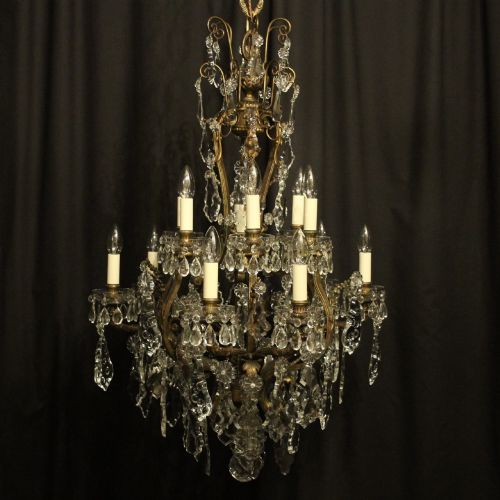
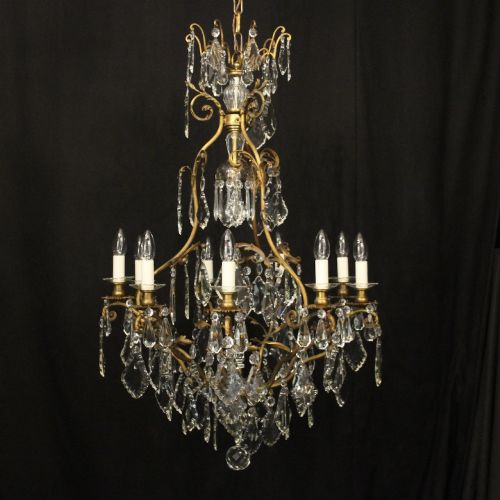
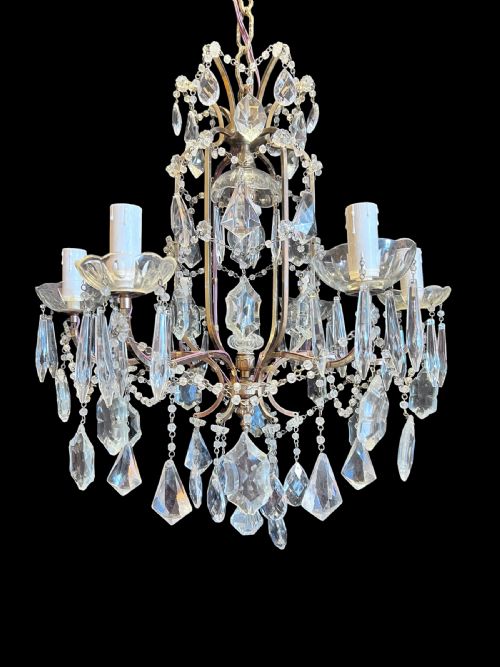
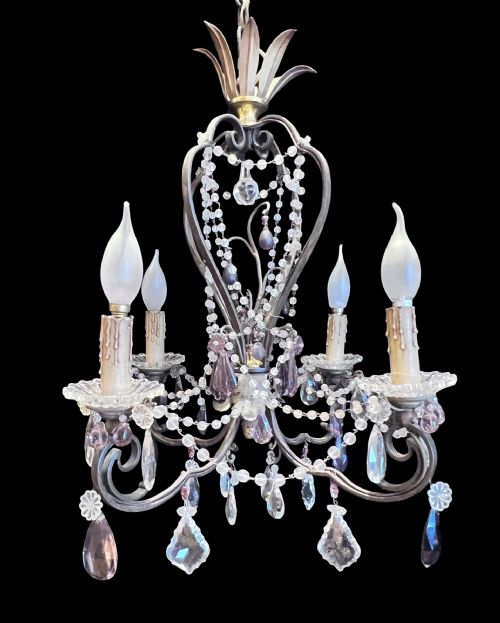
A french cage chandelier establishes its form through an open metal frame resembling a birdcage, often suspending drops of cut glass from a central crown down to a lower tier. The typical piece encountered in these collections dates from the late nineteenth century into the 1930s, reflecting periods such as the Edwardian era and 1920s decorative tastes.
Makers shaped these fixtures to hang within high-ceilinged rooms, utilising styles ranging from French Rococo and Neoclassical to simple French country interpretations. The overarching framework supports multiple light arms alongside internal and external glass drapery.
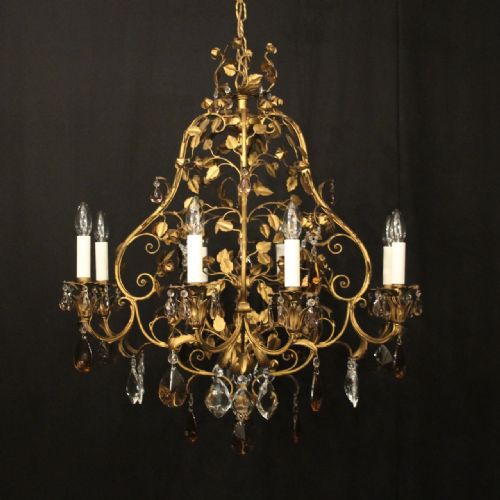
The silhouette remains distinct from standard chandeliers through its domed or tiered metal armature that encloses the central stem. Collectors encounter variations spanning single light formats up to substantial configurations carrying twelve or thirteen lights.

Materials and Construction Techniques
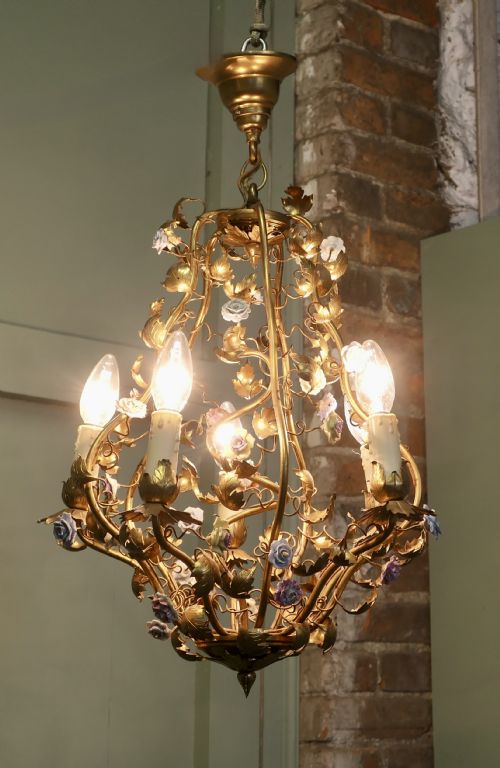
Workshops constructed the foundational frames using cast and chased gilded bronze, brass, or gilt metal, occasionally integrating toleware and ceramic floral elements for decorative effect. These metallic components provide the rigid skeletal structure required to support dense cascades of glass and crystal prisms.
Glassmakers produced cut crystal drops, beads, and pendants that workers wired by hand onto the metal rings of the cage. The combination of reflective metallic finishes and cut crystal maximised the distribution of candle or early electric light within a space.
French Cage Chandelier Retail Price Guide 2026
Typical asking prices for french cage chandelier among the pieces listed under this phrase on Sellingantiques today, from the lower quarter to the upper quarter. They describe what is for sale here now, not the wider market.
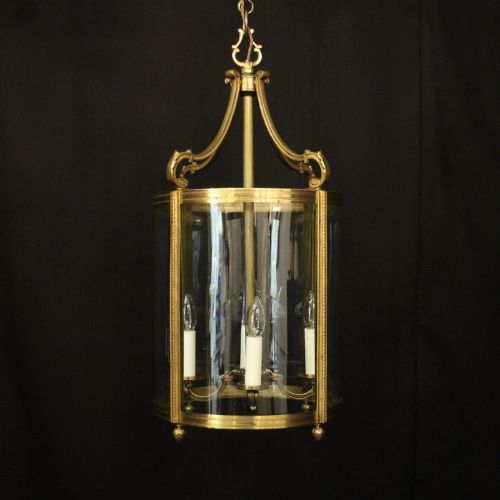
The inventory records various configurations including single light hall lanterns alongside grand twelve-light and thirteen-light birdcage chandeliers.
Distinguishing Quality and Craftsmanship
The refinement of the cast metal frame and the precision of the crystal cutting separate standard examples from finer productions. Heavier cast bronze armatures with detailed chasing demonstrate superior workshop execution compared to simpler pressed brass frames.
The density and clarity of the crystal drops, alongside the completeness of the original glass elements, dictate the overall integrity of the piece. Superior examples maintain uniform crystal specifications throughout the cage and matching drops on the light arms.
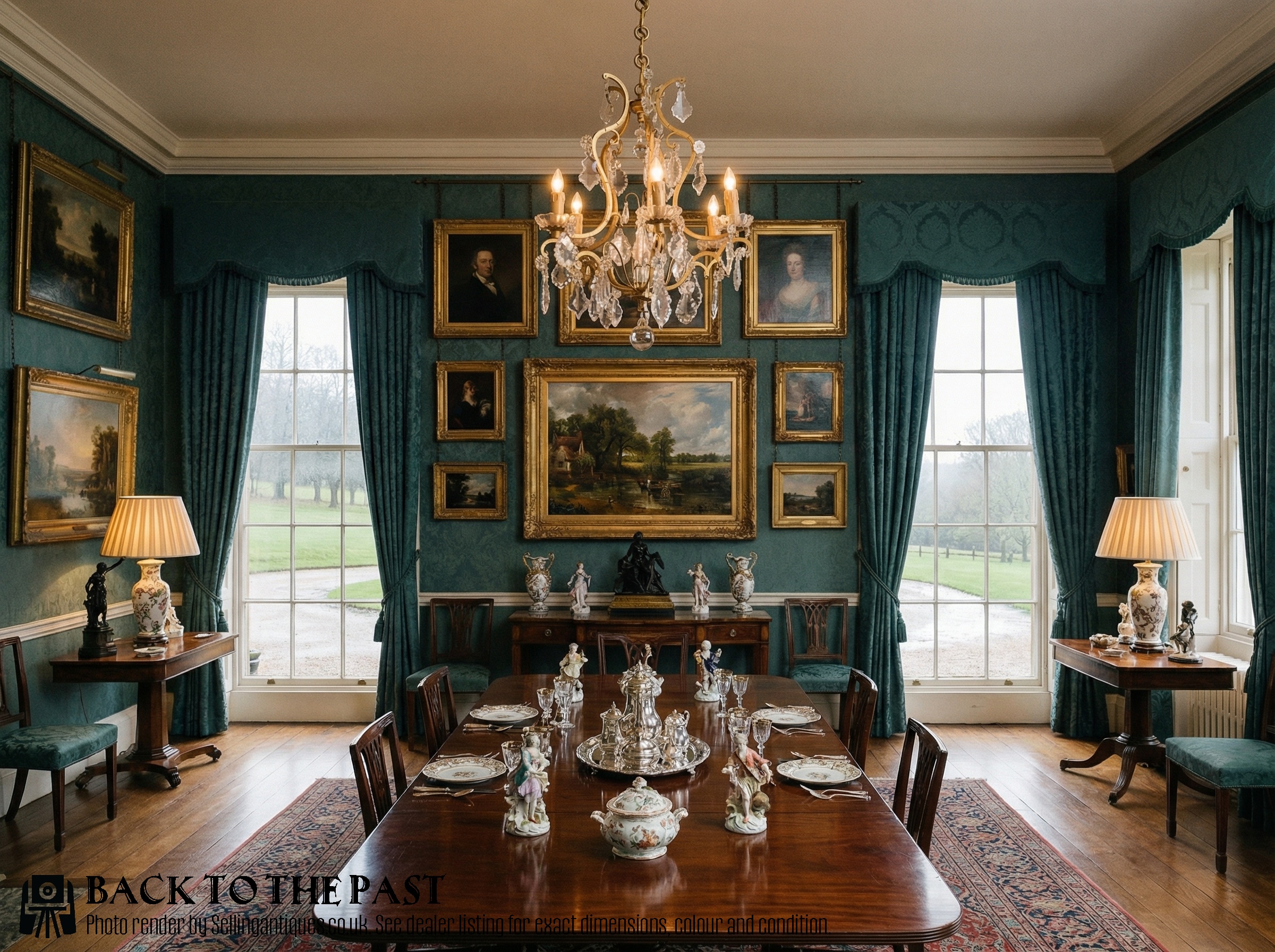
La Maison Bagues
The French Cage Chandelier Glossary
- Birdcage
- A metal skeletal framework shaped like an enclosure that holds a central stem and supports hanging strings of crystal drops. This armature forms the defining silhouette of the fixture.
- Ormolu
- Gilded bronze produced through a mercury amalgamation process on a cast brass or bronze base. The technique creates a durable golden surface finish seen on finer antique frames.
- Prisms
- Cut glass or crystal pendants suspended from the metal arms and frame to refract illumination. These elements hang in various shapes including drops, spears, and coloured fruits.
- Toleware
- Painted or lacquered sheet metal utilised for decorative sections and floral components on specific chandelier variants. This material offers colourful contrast against traditional gilt bronze frameworks.
- Bevelled Glass
- Panes of glass featuring angled ground edges fitted into lantern frames. This treatment catches light and adds depth to enclosed lighting designs.
French Cage Chandelier: Frequently Asked Questions
How do I date a French cage chandelier?
Dating relies on examining the metal casting techniques, wiring channels, and the style of the crystal drops. Earlier nineteenth-century examples often feature heavier bronze frames and hand-cut crystal, while 1920s pieces introduce distinct brass alloys and machine-cut components.
Changes in manufacturing methods across the Edwardian period and the early twentieth century also influence the structural weight and assembly of the metal armature.
What rooms suit a cage chandelier?
These vertical fixtures suit entrance halls, dining rooms, and high-ceilinged living spaces where their drop can be appreciated from below. Their enclosed silhouette directs visual interest upward while distributing refracted light evenly across the room.
Sizing the fixture appropriately to the floor area and ceiling height ensures the proportional balance of the room remains undisturbed.
How are these chandeliers cleaned safely?
Cleaning requires removing individual crystal drops when necessary and wiping the metal frame with a soft, dry cloth. Avoiding harsh chemical cleaners preserves the historic gilt finish on the bronze or brass framework.
Professional restoration services can dismantle complex frames for thorough cleaning and structural reinforcement without damaging the original wiring channels.
Can antique chandeliers use modern wiring?
Most antique fixtures require rewiring to meet contemporary electrical safety standards before installation. Professional electricians can thread modern internal flex through the original channels without altering the visible exterior appearance.
This process ensures the antique brass or bronze structure accommodates current lamp fittings safely while retaining its historical exterior.