
French Brass Table
When you search for a french brass table, you find a range of surfaces shaped by nineteenth and twentieth century design.
French Brass Table
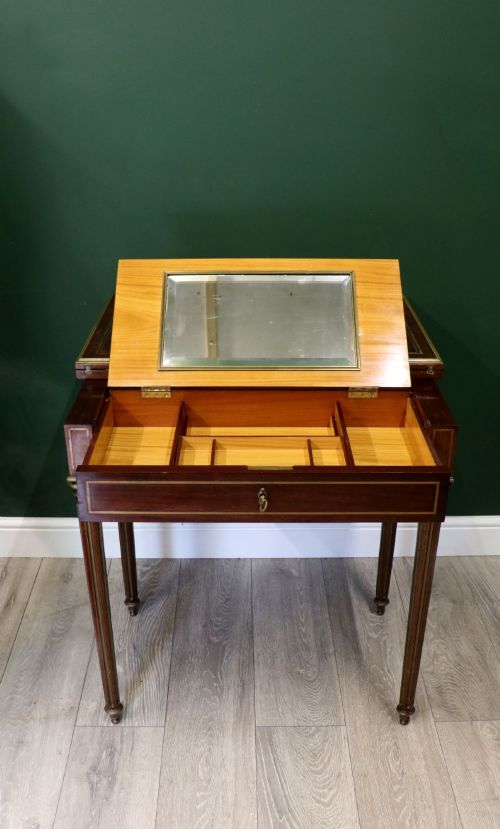
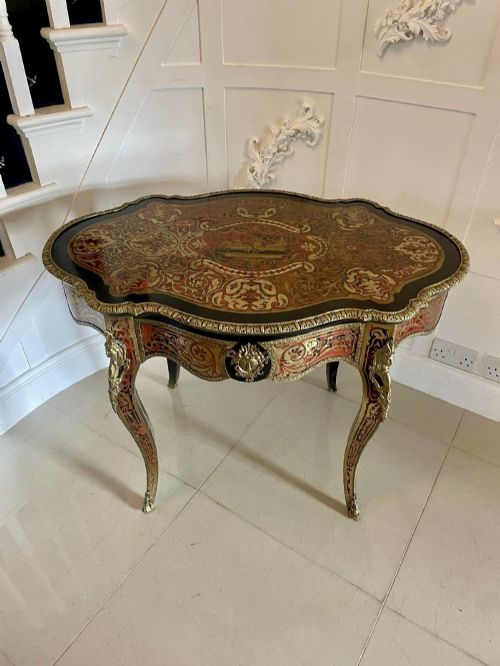
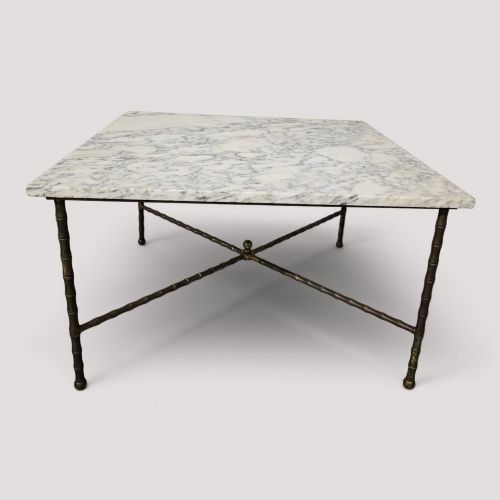
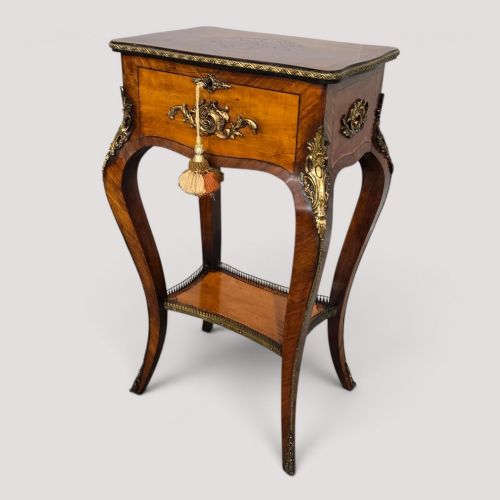
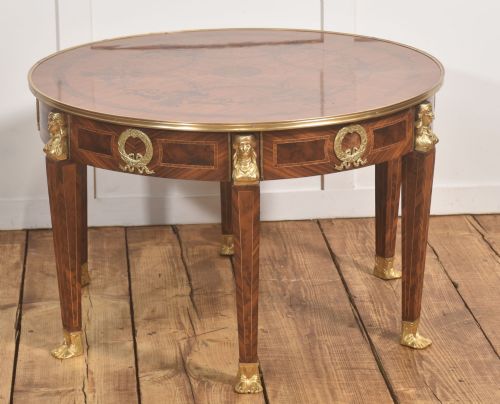
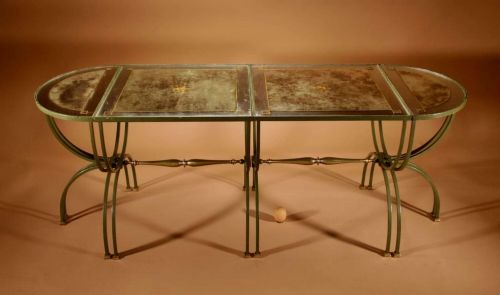
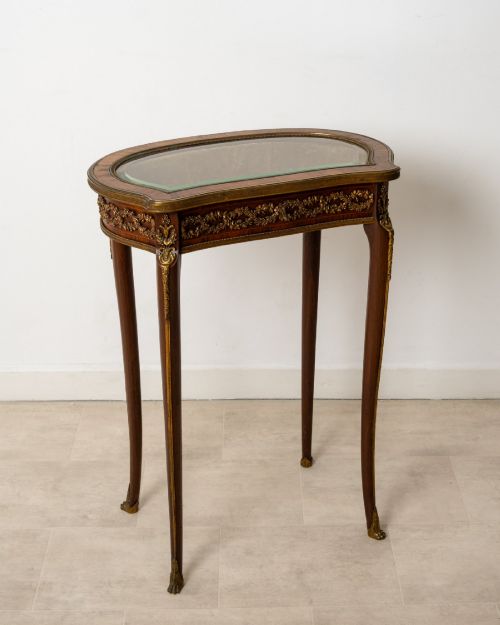
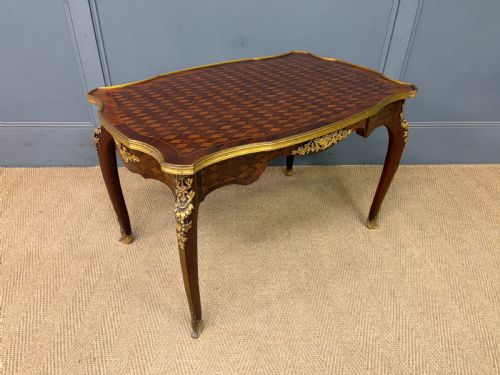
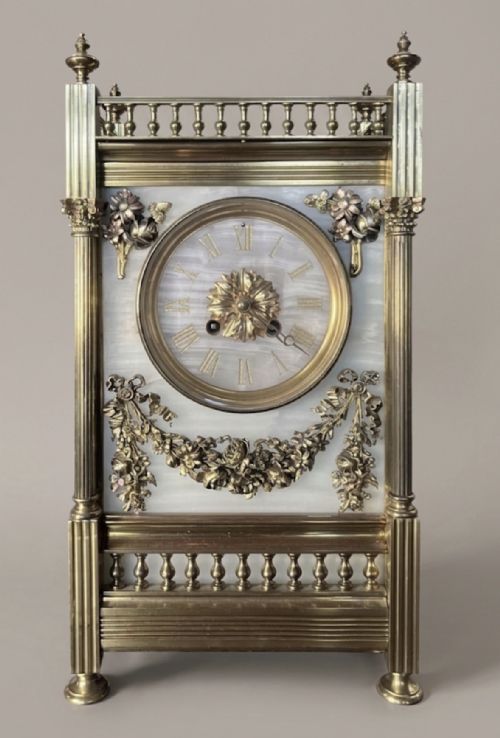
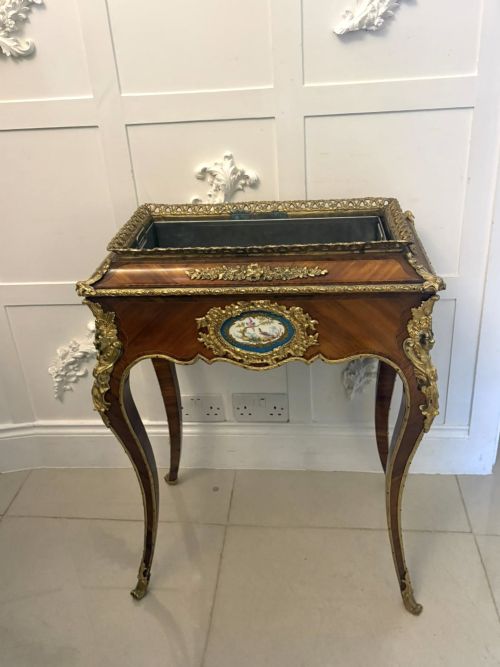
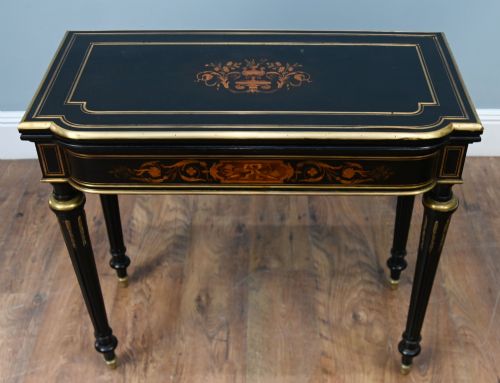
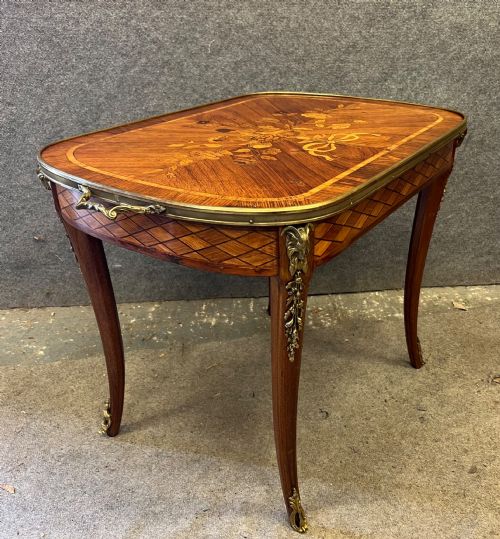
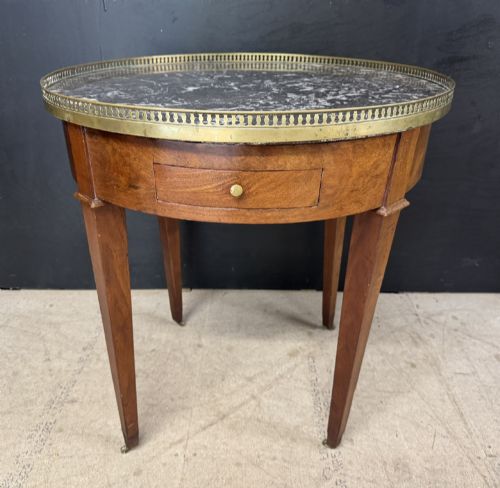
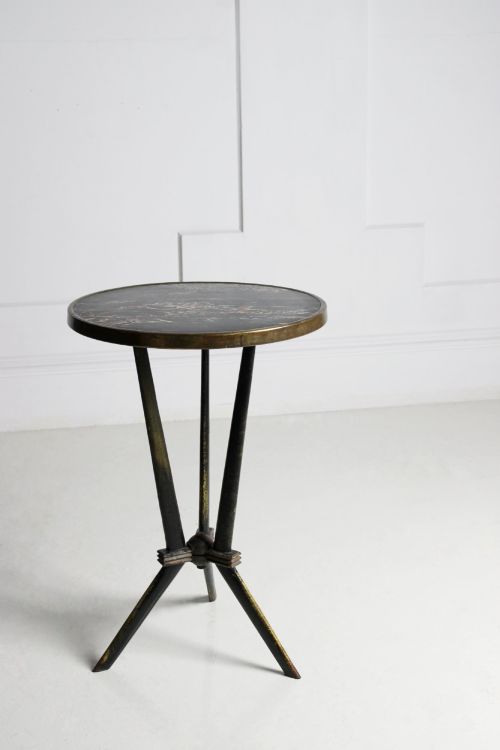
A french brass table covers a diverse group of coffee tables, lamp tables, side tables, and occasional tables spanning the nineteenth and twentieth centuries. The selection on this page shows various forms from coffee tables and lamp tables to occasional tables, incorporating styles like Louis XVI, Louis XV Revival, and Neoclassical.
Buyers seeking a french brass table most frequently encounter coffee tables and lamp tables from the later periods, alongside pieces featuring gilt bronze, ormolu, and inset marble or glass tops. These items emerge from workshops and eras that prioritised decorative metal mounts and rich timber carcases.
The objects recorded here include freestanding display pieces, smaller occasional tables, and low coffee tables produced across decades ranging from the 1860s through to the 1940s. Each example reflects the prevailing interior tastes of its specific decade, from ornate revivalism to cleaner twentieth century lines.
Assessing quality in these pieces
Quality in a french brass table rests on the crispness of the metal casting and the precision of the chasing on ormolu and gilt bronze mounts. Finer examples display sharp detail in floral and scroll motifs rather than the softened edges typical of secondary castings.
The integration between the metalwork and the timber or stone components indicates the level of craftsmanship involved. Superior pieces maintain tight joins in marquetry work and utilise heavy, well-finished gauges of brass and bronze.
Materials appearing across these listings include brass, gilt bronze, ormolu, onyx, marble, porcelain, and various timbers such as mahogany and rosewood.
Jean-Baptiste Delettrez·Achille Brocot
The French Brass Table Glossary
- Ormolu
- Gilded bronze applied to furniture mounts and decorative objects. This technique involves coating a bronze base with a mercury and gold amalgam before heating.
- Marquetry
- Decorative veneer patterns applied to a furniture carcase using thin slices of wood, shell, or ivory. It forms intricate pictorial or geometric designs across the surface.
- Parquetry
- Geometric wood veneer work arranged in repeating patterns such as cubes or chequers. It differs from marquetry through its strictly symmetrical and angular layouts.
- Neoclassical
- A style drawing inspiration from classical antiquity, prominent in eighteenth and nineteenth century furniture. It emphasises straight lines, symmetry, and classical motifs.
- Vitrine
- A glass-fronted display cabinet or table designed to show small valuables and curiosities. These pieces often feature extensive brass or gilt bronze glazing bars.
French Brass Table: Frequently Asked Questions
What is a french brass table used for?
A french brass table serves primarily as a decorative surface for lamps, clocks, and everyday items within a principal room. Coffee tables and lamp tables provide functional placement surfaces while introducing period character.
Larger display and occasional variants allow collectors to exhibit small objects or simply anchor a seating arrangement. Their varied forms accommodate both formal reception rooms and domestic living spaces.
What is the difference between brass and ormolu?
Brass is an alloy composed of copper and zinc, utilised widely for structural mounts, rods, and solid castings. Ormolu specifically refers to finely cast bronze that has been gilded with gold.
While brass presents a uniform metallic yellow tone throughout, ormolu exhibits a deep, rich gold surface finish derived from the historic mercury gilding process applied to bronze.
How should I care for marble top tables?
Marble top tables require regular dusting with a soft, dry cloth to prevent surface scratching from airborne grit. Avoid using acidic cleaners, vinegar, or citrus solutions, which etch the polished stone surface.
Spills should be blotted immediately rather than wiped to prevent absorption into unsealed marble. Periodic gentle cleaning with a neutral pH soap solution maintains the stone integrity.
Are these tables suitable for daily use?
These tables function well in daily domestic settings provided they receive sensible treatment appropriate for antique furniture. Using coasters and protective pads helps prevent rings or scratches on polished timber and marble surfaces.
Care should be taken not to overload fragile display tables or subject delicate marquetry veneers to excessive moisture or direct heat sources.