




French Toy
These french antique toy pieces combine mechanical ingenuity and vernacular charm, offering tangible links to nineteenth- and early twentieth-century playrooms.
French Toy
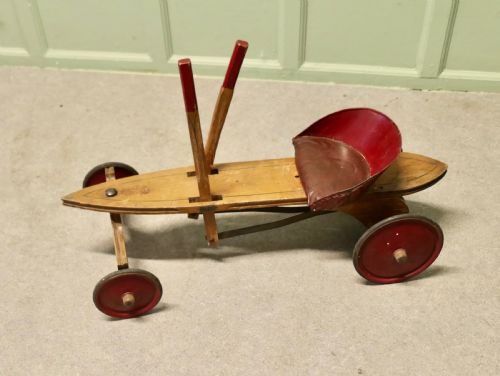
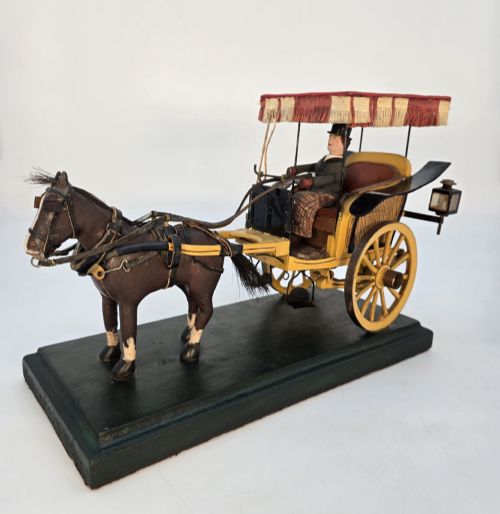
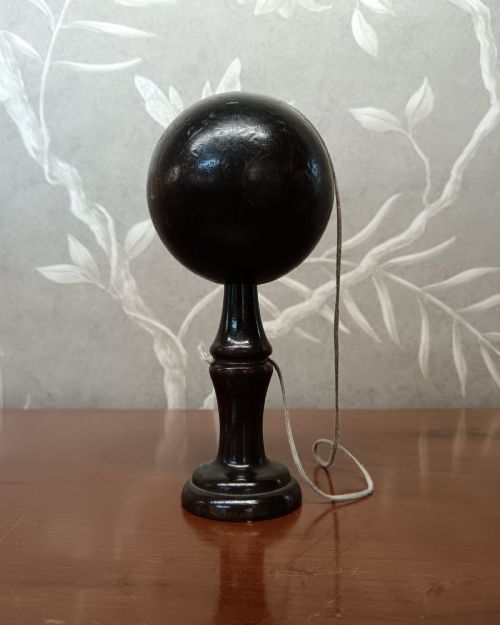
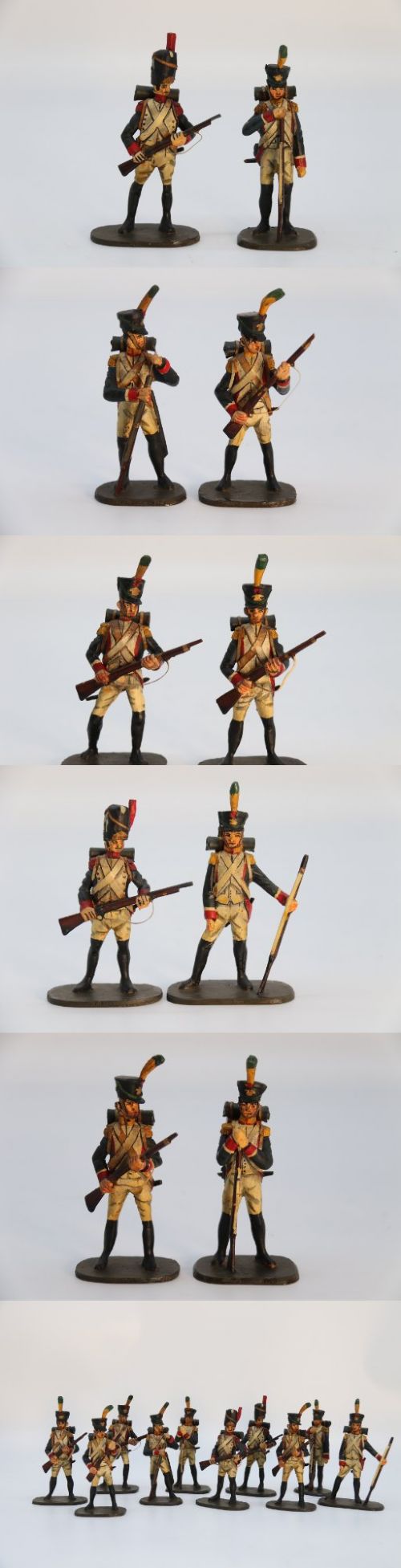
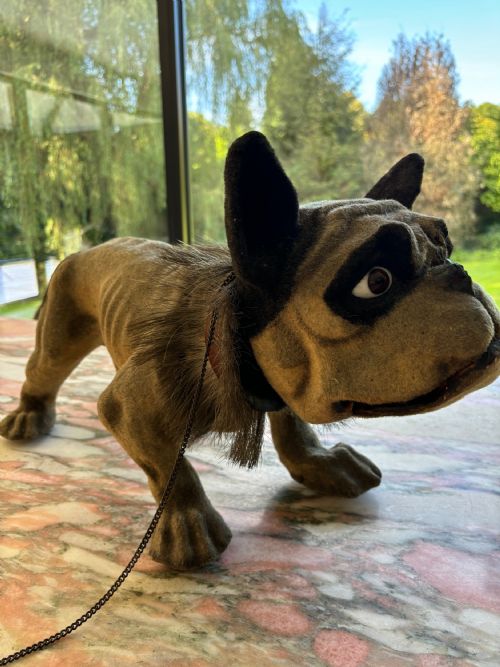
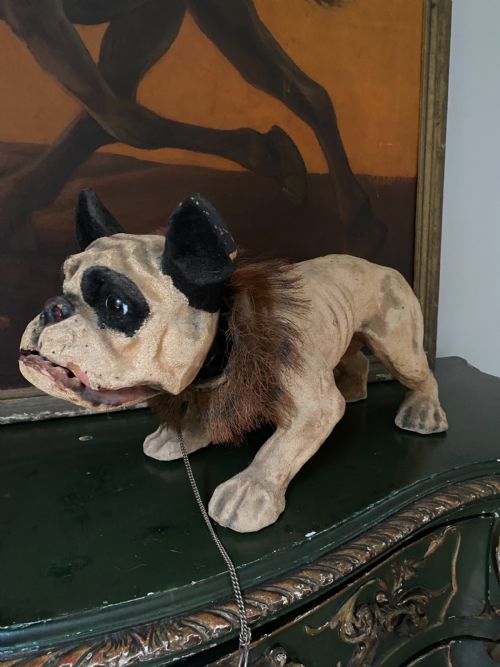
When you search for french antique toy, you encounter a diverse array of playthings, models, and automata spanning the nineteenth century through the 1930s. The selection comprises hand-operated tricycles, folk art models, carved wooden soldiers, cup-and-ball games, and mechanical animals.
You are most likely to meet wooden and papier-mâché creations from the Victorian era and the late nineteenth century. These objects bridge the gap between childhood pastime and decorative folk art, often displaying remarkable craftsmanship.
The category encompasses both whimsical toys designed for actual use and delicate silver miniatures or decorative sculptures intended for display. Origins range from Napoleonic era pieces to 1930s Art Deco items.
How they were made
Makers relied heavily on carved wood and moulded papier-mâché to form the bodies of animals, figures, and vehicles. Iron and other metals provided structural support for mechanical elements, wheels, and chain-driven mechanisms.
Surface decoration involved careful hand painting, sometimes complemented by fabric and leather details to add realism to figures and horses. Glass elements occasionally appeared in eyes for automata, while silver was utilised for miniature sedan chairs.
French Toy Retail Price Guide 2026
Typical asking prices for french toy among the pieces listed under this phrase on Sellingantiques today, from the lower quarter to the upper quarter. They describe what is for sale here now, not the wider market.
Materials documented across the pieces include wood, papier-mâché, iron, silver, and fabric.
What varies in quality
The standard of a piece is determined by the finesse of the hand carving and the complexity of its construction. Scratch-built folk art models with signed details and intricate wooden joinery sit at the higher end of the spectrum.
Mechanical sophistication also dictates quality, particularly in automata and chain-driven vehicles where surviving original movement mechanisms demonstrate superior workmanship. Material selection, such as the use of silver versus base metals, further distinguishes finer decorative examples.
Roullet Decamp·Periclès
The French Toy Glossary
- Automaton
- A self-operating mechanical device constructed to imitate a human or animal action. These sophisticated pieces often utilise clockwork or internal linkages to produce realistic movements and sounds.
- Bilboquet
- A traditional cup-and-ball game consisting of a handle, a cup, and a ball attached by a string. Players attempt to catch the ball in the cup or on a spike.
- Papier-mâché
- A composite material consisting of paper pieces or pulp bound with an adhesive such as glue or paste. It was moulded into shape and painted once dry to create lightweight figures.
- Folk art
- Utilitarian or decorative items created by self-taught individuals using traditional methods. These pieces reflect local cultural traditions and personal craftsmanship rather than industrial manufacture.
- Velocipede
- An early human-powered land vehicle with one or more wheels. Nineteenth-century examples often took the form of chain-driven horses or tricycles.
French Toy: Frequently Asked Questions
What materials are used?
Makers utilised wood, metal, papier-mâché, iron, fabric, leather, glass, and silver. Each material was chosen for its durability or its suitability for intricate hand carving and moulding.
Combinations of these materials are common, particularly in mechanical toys where metal mechanisms support wooden or papier-mâché outer structures.
How do I date items?
Dating relies on stylistic clues, construction techniques, and materials characteristic of specific periods such as the Victorian era, the Napoleonic era, or the 1930s. Written signatures or dates on scratch-built pieces also provide exact chronological markers.
Examining the wear patterns on paint and the type of fasteners used helps distinguish nineteenth-century pieces from later twentieth-century iterations.
Were they toys or displays?
Many items served as active playthings for children, including hand-operated tricycles, cup-and-ball games, and mechanical dogs. Others functioned as folk art models or decorative silver miniatures intended for adult admiration.
Mechanical automata often occupied a middle ground, functioning as captivating display pieces that demonstrated technical mastery.
How do I care for them?
Preserving these pieces requires stable environmental conditions away from direct sunlight and excessive moisture to protect fragile painted surfaces, wood, and fabric. Gentle dusting with a soft, dry brush is recommended.
Mechanical parts should be handled with care and kept away from amateur restoration attempts to maintain their original integrity.