
French Table Bronzes
French antique table bronzes comprise decorative timepieces, lighting and mounts cast in metal, carrying the elegance of nineteenth-century salons into modern interiors.
French Table Bronzes
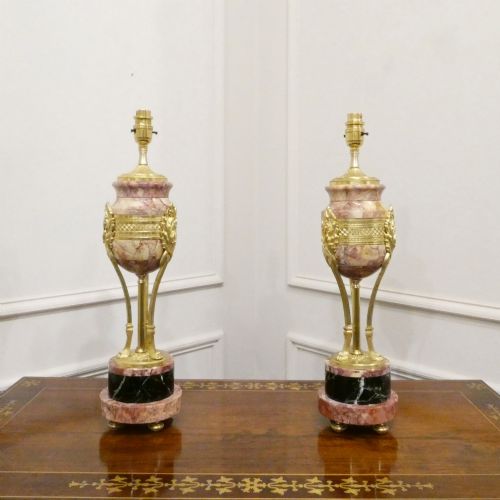
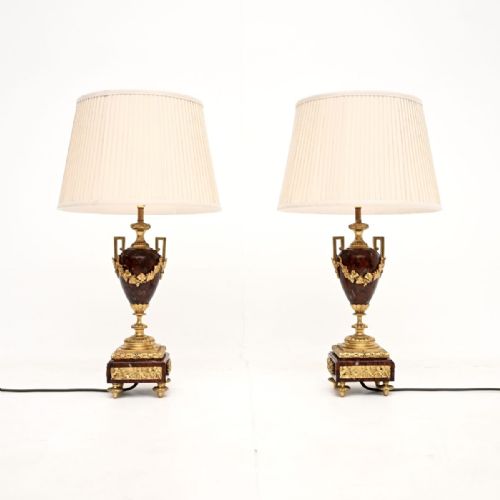
When searching for French antique table bronzes, collectors encounter a diverse array of nineteenth-century objects designed for domestic display and utility. These pieces primarily encompass mantle clocks, candelabra, and table lamps cast in bronze, ormolu, and brass, often paired with marble, porcelain, or glass. The selection ranges from robust empire designs to intricate Louis XV revival creations and streamlined Art Deco figures.
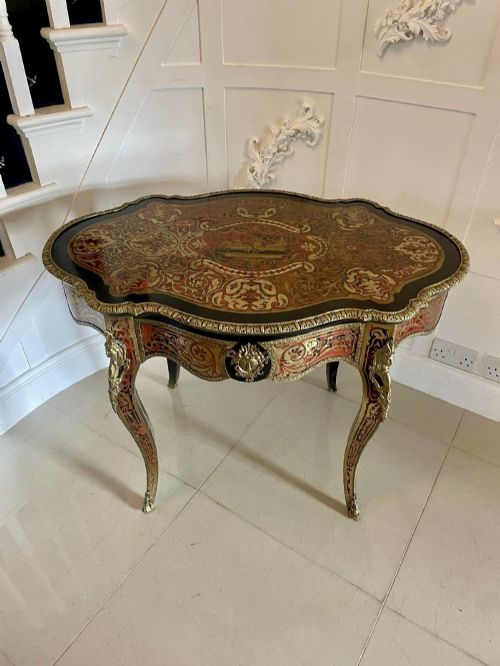
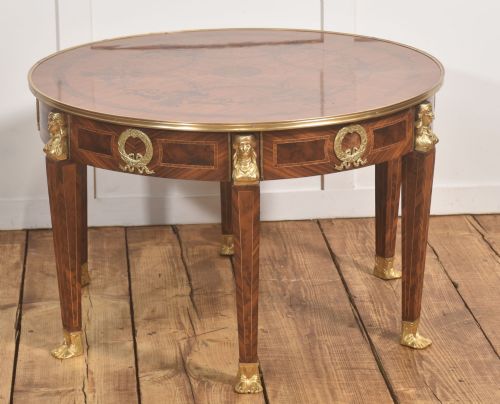
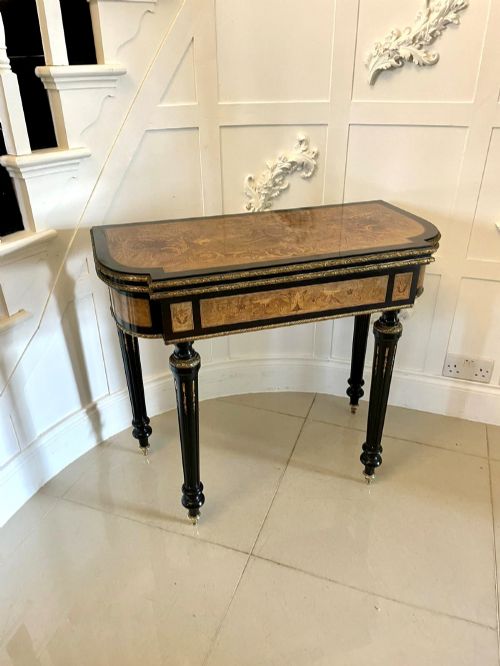
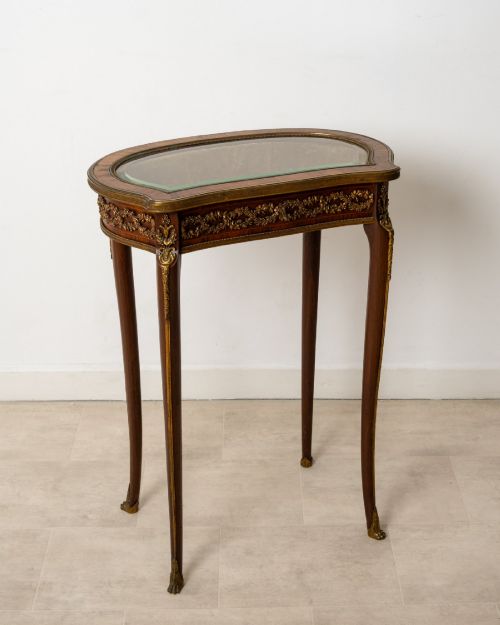
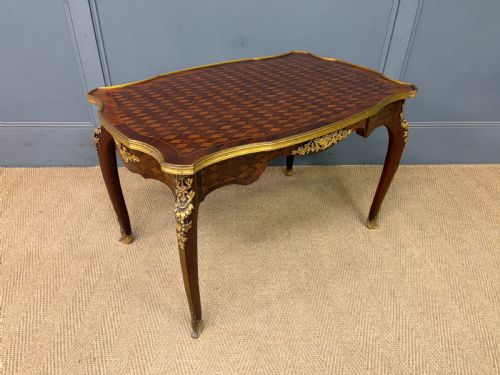
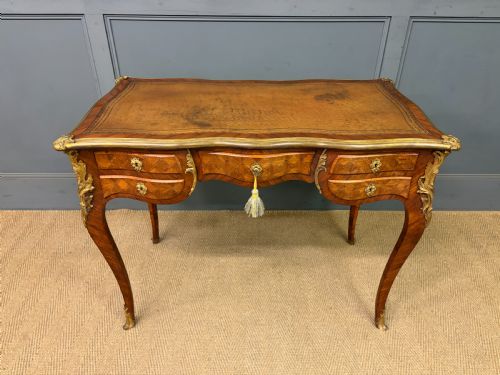
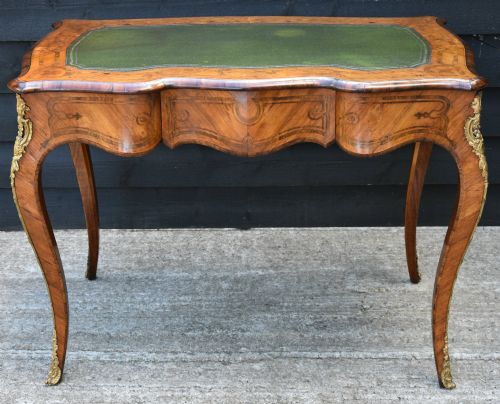
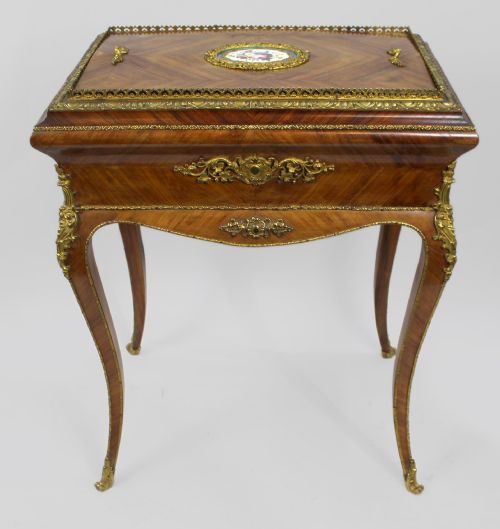
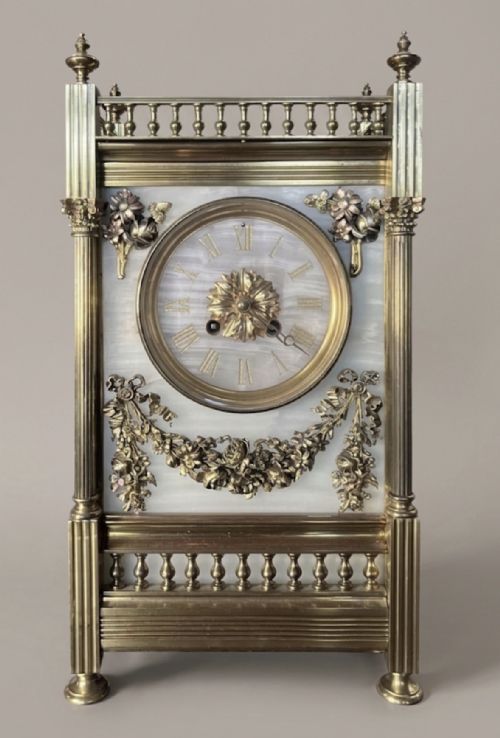
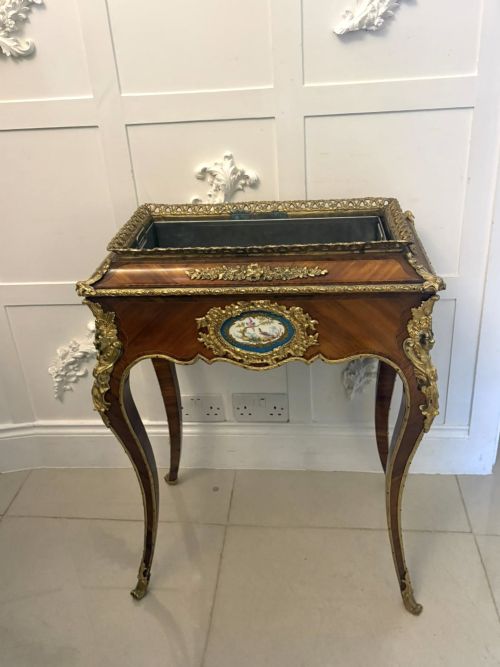
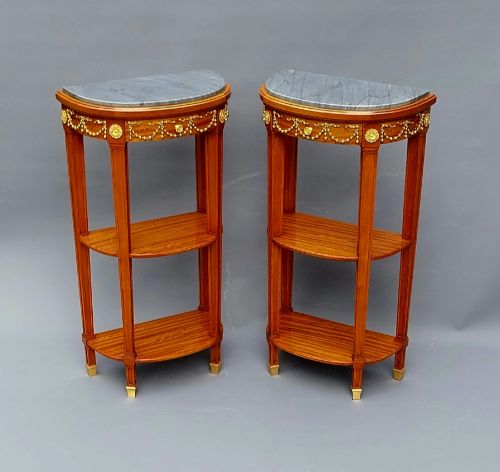
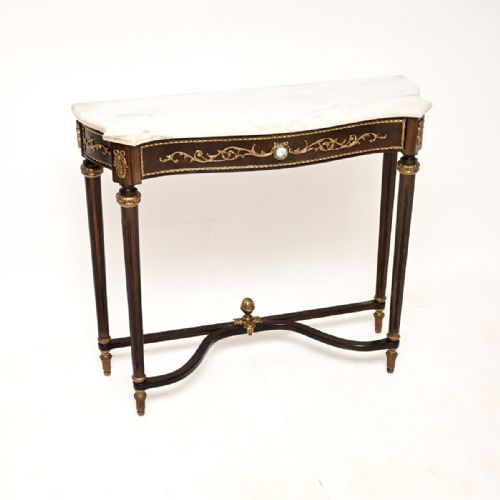
The objects served distinct functions within period interiors, illuminating rooms or measuring hours upon tables, desks, and mantlepieces. Centre tables and writing desks incorporated gilt bronze mounts to accentuate exotic woods like kingwood and mahogany. Smaller decorative items, such as champlevé mirrors and porcelain-mounted clocks, brought rich colour and texture to domestic spaces.
Buyers meet variations spanning several decades, from the structured symmetry of the early nineteenth century to the florid curves of later revival styles. Ormolu mounts and cast bronze figures dominate the offerings, frequently bearing the signatures of esteemed makers or Parisian retailers. Each item reflects the changing tastes of French decorative arts through successive nineteenth-century design movements.
Crafting the metal and mounts
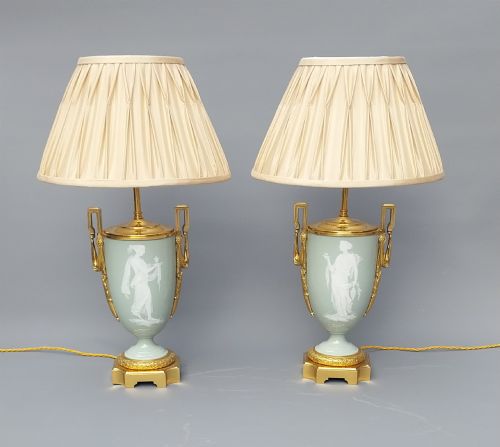
The creation of these decorative works relied on precision casting in bronze, brass, or spelter, followed by meticulous hand-chiselling to sharpen surface details. Artisans then applied mercury gilding to produce the characteristic warm, enduring lustre known as ormolu, or painted the metal surfaces with patinas. For clocks and lighting, these metal mounts were integrated with components like Sèvres porcelain plaques, onyx bases, and cut glass.
Cabinetmakers combined structural timbers such as kingwood, rosewood, and mahogany with intricate marquetry and parquetry patterns. Ormolu mounts were individually cast and fitted to the contours of desks, tables, and clock cases using concealed brass screws and pins. Enamel dials, champlevé enamel panels, and hand-painted porcelain faces completed the complex assembly of timepieces and decorative furnishings.
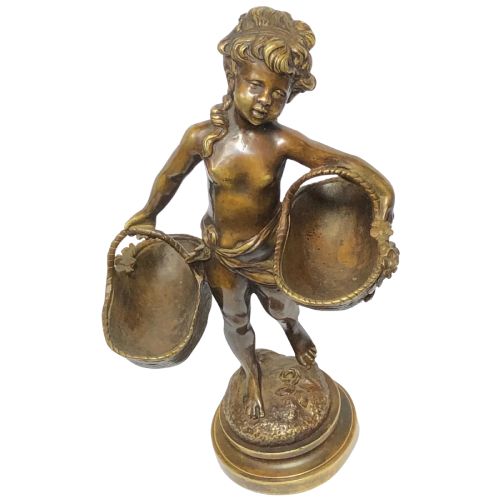
Several charming table lamps feature cast bronze cherubs and dancing ladies holding aloft nineteenth-century illumination.
Factors of distinction
Quality in these decorative pieces is defined by the crispness of the bronze casting and the depth of the subsequent hand-chiselling. Superior examples retain their original mercury gilding, displaying subtle tonal shifts between matte and polished surfaces rather than a flat, uniform modern plating. The integration of mounts to timber or stone reveals the precision of the artisan.
Mechanical integrity and maker attribution further elevate specific items. Clocks featuring movements by established makers like Achille Brocot, Japy Freres, or Samuel Marti demonstrate superior horological construction. Similarly, furniture and mounts bearing the signatures of makers such as François Linke or Paul Sormani exhibit exceptional cabinetwork and sculptural refinement.
Edward Holmes Baldock·Achille Brocot·Henry Marc·Maison Millet·Charles a Orleans·Japy Freres·Samuel Marti·Francois Linke·Edwards and Roberts·Joseph Emmanuel Zwiener·Paul Sormani·Thuret Paris·E Rousseau
The French Table Bronzes Glossary
- Ormolu
- Gilded bronze produced by applying a mixture of mercury and gold to a cast bronze object and heating it to vaporise the mercury. This technique creates a durable, luminous golden finish characteristic of fine French decorative arts.
- Champlevé
- An enamelling technique where troughs or cells are hollowed out of a metal surface and filled with vitreous enamel powder before firing. The resulting coloured designs sit flush with the surrounding metal borders.
- Gueridon
- A small round table supported by one or more central columns or figural standards. Originating in seventeenth-century France, these tables became popular occasional pieces during the nineteenth century.
- Bureau Plat
- A formal freestanding writing desk featuring a flat rectangular top, typically lined with leather, above one or more drawers in the frieze. These desks are frequently adorned with elaborate gilt bronze mounts.
- Spelter
- An alloy of zinc and lead used as a cheaper alternative to bronze for sculptural figures and lamp bases. It takes finishes well but is softer and lighter than true bronze.
French Table Bronzes: Frequently Asked Questions
How do I identify genuine ormolu?
Genuine nineteenth-century ormolu displays a soft, deep golden hue with subtle variations in texture between polished and matte areas. The metal underneath is heavy bronze or brass rather than a lightweight substitute.
Closer inspection often reveals small casting flaws and hand-chiselled details that machine replication cannot duplicate. The weight and coldness to the touch further distinguish authentic mercury gilding from modern painted substitutes.
Are antique French clocks still operational?
Many period mantel clocks retain their original mechanical movements and run reliably after professional servicing. Makers like Achille Brocot and Samuel Marti engineered robust brass movements designed for longevity.
Buyers should verify whether a piece has been fully restored or running, as intricate clockwork requires periodic cleaning and oiling by a specialist conservator to function correctly.
Where were these decorative objects placed?
These pieces occupied formal reception rooms, boudoirs, and libraries within nineteenth-century homes. Candelabra and clocks sat upon mantelpieces, while table lamps illuminated reading desks and sideboards.
Freestanding occasional tables and bureau plats were positioned to display the maker's craftsmanship from all angles, serving both decorative and practical domestic functions.
How do I care for antique bronze and wood?
Maintenance requires gentle dusting with a soft, dry cloth to prevent the accumulation of grime on delicate ormolu mounts and carved wooden surfaces. Avoid chemical polishes, which can strip historic patinas and damage vulnerable enamel or porcelain elements.
Stable room humidity protects timber veneers from splitting and keeps stone or marble surfaces free from moisture damage over time.